
Rebel’s long-running platform, “Sport Is Calling,” has taken a bold and emotional new turn under the creative leadership of Sharon Edmondston, Executive Creative Director at The General Store. Tasked with building a brand platform that feels distinctly Australian while remaining flexible across major retail moments, the team created Wattleford, a fictional town where sport doesn’t exist. Through this absence, the campaign captures the emotional heartbeat of Australian sport: connection, identity, and belonging.
In this interview, Sharon shares how the idea was born, why the “no-sport town” concept unlocked deeper storytelling, and how the team navigated the challenges of crafting a cinematic world driven by feeling rather than action. From the cultural insight that sparked the narrative to the production subtleties that shaped Wattleford’s quiet tension, she reveals how Rebel’s brand heritage and a uniquely Australian truth came together to form one of the year’s most memorable retail campaigns.
What was the brief?
The brief was to add real depth and meaning to Rebel’s platform, “Sport is Calling,” by creating a campaign platform that could live at the brand level with the ability to effortlessly flex across key gifting moments like Christmas, Mother’s Day, and Father’s Day, keeping the story alive all year round. We needed something emotionally rich that showed sport’s unique power to uplift, motivate, and connect people, and do it in a way that felt distinctly Australian. Plus, the campaign had to be efficient in production, ideally shooting multiple stories in one go, while keeping a strong throughline for real impact. This is the first film and it launches our world of ‘Wattleford’, allowing us to introduce sport to the town in the future retail campaigns.
How did the initial pitch/brainstorming phase go?
From the outset, we focused on that undeniable Aussie truth… sport isn’t just a pastime, it’s woven into our cultural identity. The real magic came when we flipped the lens and asked, “What if there was a town with no sport?” That thought experiment instantly opened up a world of storytelling possibilities. It was quiet, unsettling, and most importantly, deeply emotional. Everyone on the team connected with that idea straight away.
What was the process behind ideating the concept?
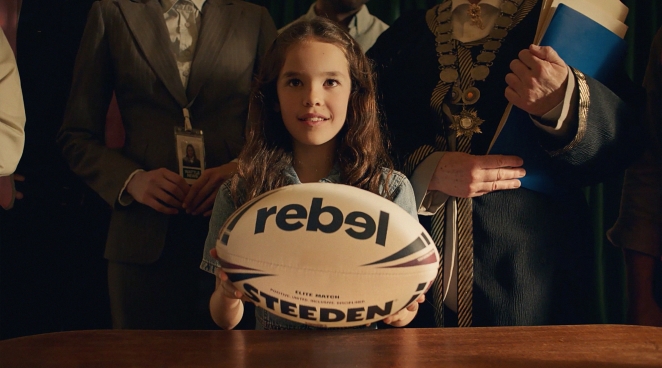
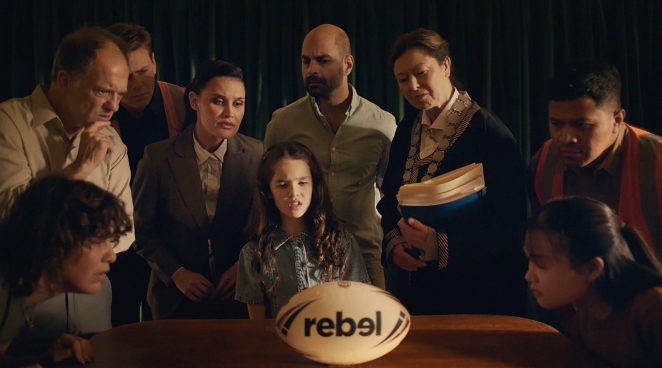
We wanted the campaign to feel less like a sports celebration and more like an emotional journey. The idea of Wattleford, a town untouched by sport, allowed us to explore what’s missing when sport disappears… connection, pride, joy. We leaned heavily into mood and feeling (almost a cinematic stillness), to create space for audiences to reflect on sport’s role in Australian culture and personal identity. It had to feel authentic and relatable for all Aussies, whether they’re lifelong fans or new to the sporting world.
What was the biggest challenge during production? How did you overcome it?
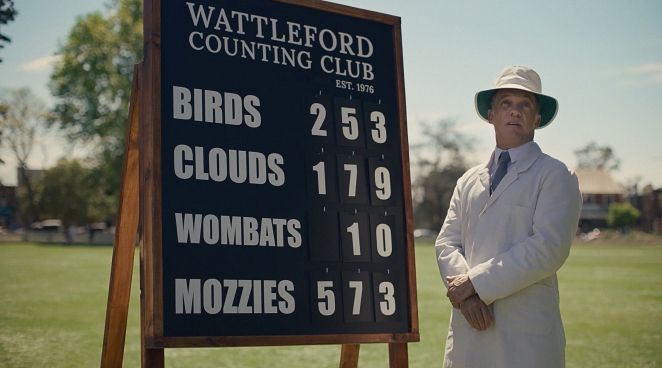
The biggest challenge was portraying the absence of sport without it feeling hollow or confusing. It’s the unspoken emotion that carries this story, so the subtleties had to be spot on. We focused on crafting moments full of quiet tension and longing, using details and atmosphere to guide the viewer, rather than overt narrative or exposition. Trusting in the power of what’s missing made all the difference. We also built subtle nods into the broader environmental design of the world. Things that filled the gap where sport might’ve been, like the Wattleford counting club or collectable trading cards featuring locals.
What is one funny or notable thing that happened during production?
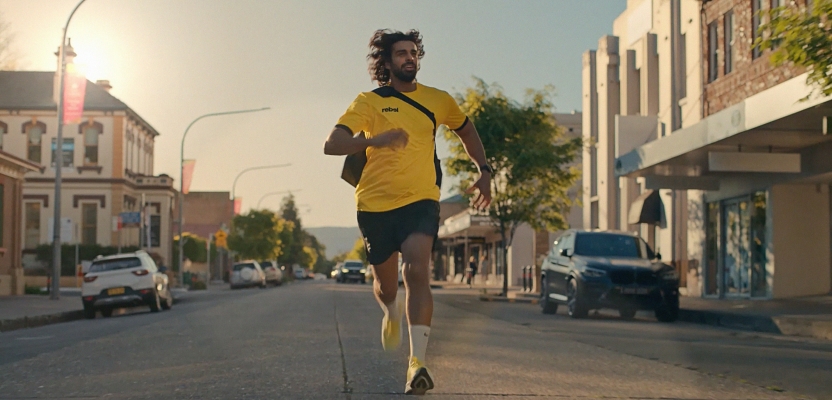
When we shot the scene of our hero running into town, we had to close the street and put our actor through take after take. The locals, amused, started counting along and even posted the tally on their Facebook group, feeling a bit sorry for him. It was one of those moments where life felt like it was imitating art.
What’s the main message of this project and why does it matter?
At its core, this campaign is a love letter to how sport shapes who we are in Australia. Not just as players or fans, but as a nation. By imagining life without sport, it highlights the profound connection it creates in communities and families and why Rebel is more than a retailer. It’s part of Australia’s heartbeat. It matters because it taps into something deeply human and uniquely Australian. Belonging through sport.
How long did it take from inception to delivery?
About 5 months from the initial brief to the agency to the campaign launch.
Can you describe the creative spark or inspiration behind the initial concept? Was there a specific moment or insight that ignited the idea?
The creative spark came from that powerful insight… what if a place existed where sport never touched? It was a simple, stark question that opened the door to a whole new way to talk about sport. Not as excitement or competition, but as connection, identity, and soul. That single thought drove the entire narrative and emotional arc.
How did you ensure that the concept aligned with the brand's values, goals, and target audience?
We anchored the concept deeply in Rebel’s DNA. 40 years of supporting Australians to move, play, and connect. By focusing on sport’s cultural significance rather than just product, we matched Rebel’s heritage with a broader, universal emotion that resonates across generations and backgrounds. It was about making sure the brand felt both authentic and indispensable to every Australian’s sporting story.
Were there any alternative concepts or ideas considered during the ideation phase? If so, what led to the selection of the final concept?
We explored more traditional, action-focused sports stories but felt they didn’t deliver the distinct emotional resonance we knew this audience craved. The absence-of-sport idea was unique, daring, and gave us room to tell a more layered and memorable story. That’s why it rose to the top.
Can you discuss any collaborative or interdisciplinary aspects of the ideation process, such as working with other departments or external partners?
Every part of the campaign was a true collaborative effort, strategy, creative, production, client teams, and external partners all aligned around this single emotional truth. It was inspiring to see how everyone brought their expertise, from the strategic planners framing the cultural insights to the production stylists creating Wattleford’s quiet world.
How did you ensure that the concept remained innovative and stood out in a crowded marketplace?
We flipped the sports story on its head by focusing on the emotional weight of its absence rather than the usual hype and thrill. It created a fresh, memorable narrative and allowed Rebel to own a cultural truth that felt immediate, relevant, and wholly original.
What do you hope it achieves for the brand?
This campaign is designed to strengthen the emotional bond with Rebel as the heart and soul of Australian sport. We want people to see Rebel as an integral part of their sporting journey and community. The goal is to build lasting brand love while driving sales and maintaining strong visibility throughout the year.
Credit list for the work?
Agency Credits:
Creative agency: The General Store
Partner and CEO: Matt Newell
Partner: Danny Lattouf
Managing Director: Sophie Lander
Strategy Planner: Craig McLeod
ECD: Sharon Edmondston
Creative Team: Hannah Lawson & Jess Beal
Senior Account Director: Pat de Silva
Production Credits:
Production company: Rabbit
Director: Al Morrow
DOP: James Brown
Executive Producers: Alex Hay & Lucas Jenner
General Manager/Producer: Katrina Maw
Producer: Fiona Pakes
Stylist: Janai Anselmi & Jo Ayling
Post production: The Editors
Executive Producer: Rita Gagliardi
Sound: Mosaic
Composer: Adam Moses
Producer: Bill Doig
Client Credits:
Managing Director: Gary Williams
Executive GM Merchandise: Russell Havens
GM eComm & Marketing: Rosemary Martin
Head of Brand Experience: Adam Lee
Head of Marketing: Brock Coleman
Senior Marketing Mgr Brand & Retail: Georgia Wilson
Creative Lead: Paige Lawless
Photographer: Tony Berlangieri