
Branding is far more than logos and colour palettes. At its best, it shapes how people experience a business, communicates its values and creates lasting connections. For Bups Daya, Brand Designer, Art Director and Founder of Studio Arcana, great design starts with understanding. From animation and illustration to exhibition spaces and hospitality environments, every project begins by uncovering the story beneath the brief and translating it into authentic visual communication.
In this Creativepool Member Spotlight, Bups shares how an unexpected retail background influenced his approach to design, why authenticity will define the future of branding, and how AI is becoming a valuable creative partner rather than a replacement for human judgement. He also offers practical advice for designers looking to stand out, attract clients and build brands that communicate with clarity and purpose.
How did you first get into the industry?
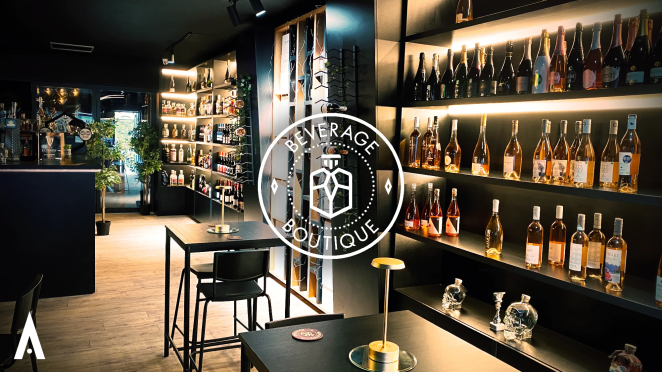 Animation was my entry point after studying Multimedia Design at university. But brand kept pulling me in. The way a mark, a colour, a space communicates something true about a brand before a word is read. Over the years I've worked across illustration, print, digital, exhibition design and interior spaces. All of it in service of the same question: what does this need to say and how does it say it.
Where are you based now and who do you work for?
I am based in Leicester, UK and I'm the Founder and Creative Director of Studio Arcana, a brand direction practice working with founder-led businesses.
What is your personal background and what role did it play in your career?
Before design I worked on the shop floor of a fashion retailer. I was learning visual communication in its most physical form without realising it. The way a space talks to people, hierarchy of placement, subtle cues that shape behaviour. That understanding has come with me into every project since.
If you weren’t in your current industry, what would you be doing?
 I'd be working with people in health, wellbeing and consciousness. What branding has taught me is that the most powerful work begins with authentic expression. A great brand is a business knowing itself clearly enough to show up truthfully.
Can you explain your creative process? What makes it unique?
I listen first. Not just to what's being asked, but to what's sitting underneath it. Strategy and creative thinking aren't separate stages for me, they're the same conversation. I like to let things marinade before I apply anything.
How would you describe your style?
Considered. I'll go minimal if that's what the work needs, or bold if that's what the moment calls for. The question I keep coming back to is whether it's communicating something true.
Which individuals do you gain inspiration from? Do you have any heroes in the industry?
 Chris Do for how he thinks about the value of design and communicating it commercially. Paul Rand for logo discipline.
What tips would you give to aspiring creatives looking for work?
Show your thinking, not just your output. Clients don't buy beautiful design, they buy confidence and clarity. Develop both.
What tips would you give to other professionals to get more clients?
Stop selling design and communicate from a space of solving problems. Something I wish I'd understood sooner, your personal brand matters more than your portfolio. People hire people they trust.
Can you share a memorable experience from your career journey that shaped your approach to creativity?
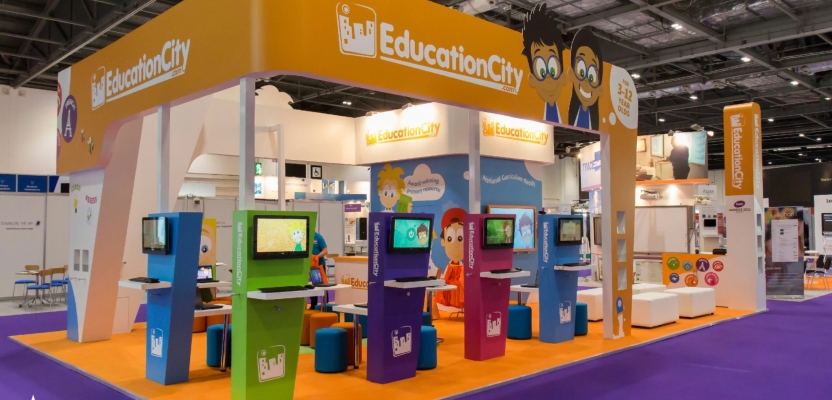
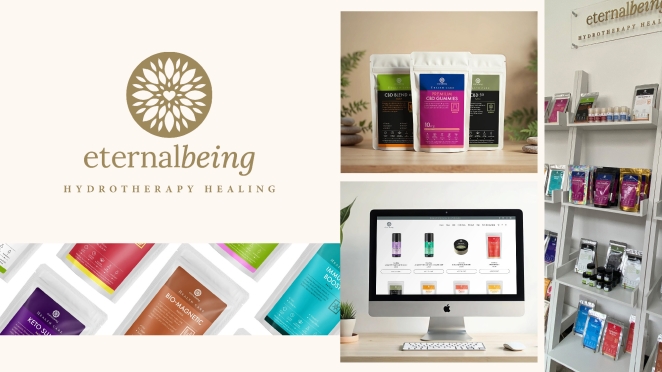 Something that took years to recognise. Designing exhibition stands, and eventually an entire hospitality venue, brand and interior together, I noticed instincts I'd picked up on a shop floor were still there, an awareness of space and the journey someone takes moving through it. What looked unrelated turned out to be the same skill, understanding how design guides experience, not just how it looks.
What kind of tools/kit/software could you not do without?
My trusted pen and paper, iPad and Apple Pencil for sketching, drawing by hand keeps ideas flowing. Adobe Creative Cloud for everything. And increasingly AI as a thinking partner, not a replacement for craft.
What’s your secret to staying inspired and motivated?
Honestly? Motivation comes and goes. What helps most is stepping away from the desk, a walk, a bike ride, breathwork. The best ideas tend to turn up when I'm not trying to force them.
What’s the work achievement you’re most proud of?
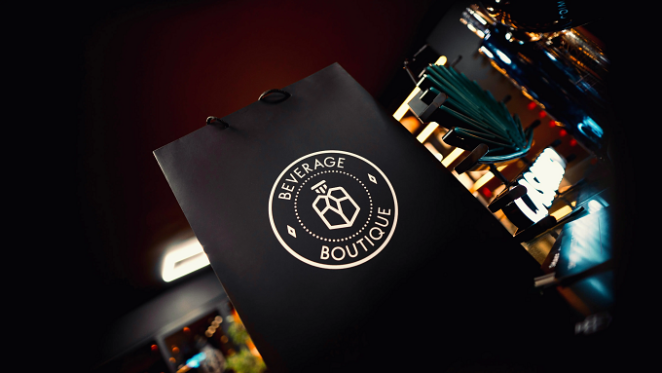 A complete brand identity and physical environment for a premium hospitality venue. Every element was designed so the space and the brand felt like the same thing. Walking in and feeling it as a lived experience rather than a file on a screen, that's what this work is really for.
As someone with experience in the industry, what trends do you foresee shaping the future of creativity?
Authenticity. The industry has become saturated with work that looks polished but feels hollow. The brands that will stand out are brave enough to express something genuinely true.
What do you think sets apart truly exceptional creatives from the rest of the pack?
Understanding. Not technical skill, understanding. The brief beneath the brief. Technical skill can be learned. That depth of attention is rarer.
How do you think technology has influenced the creative industries and how have you adapted to these changes?
 It meets you where you are. If you have a strong eye and real understanding of design principles, AI is a powerful tool. I've embraced it, but it can't replace human judgment, that bit's still down to you.
What is the one thing that you would change about the industry?
How design gets valued. It's still often treated as decoration, something to make things look nice, rather than something that can genuinely shift how a business performs. Good design is leverage, not decoration, that's the gap worth closing.
Any websites, books or resources you would recommend?
The Brand Gap by Marty Neumeier. The Futur by Chris Do on YouTube.