
As Brand and Marketing Lead at Wonder, Max Gethin has seen firsthand how agency culture can be misunderstood, oversimplified, and sometimes even commodified. During #CultureMonth, he wanted to reflect on what really shapes meaningful workplace culture—and why it has nothing to do with the surface-level perks that often get all the attention.

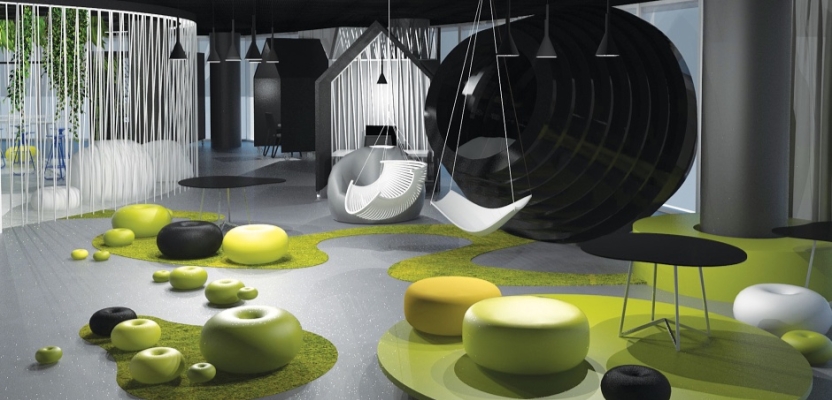
In an age where office tours double as social media content, it’s easy to mistake aesthetic for authenticity. Branded coffee cups, beanbags, and rooftop yoga might rack up likes, but they don’t build lasting culture. What really defines a great agency isn’t what’s in the office—it’s how people feel inside it.
Because real culture isn’t performative. It’s personal.
True culture is built on respect, recognition and shared purpose. It’s not about superficial perks that look good on TikTok. What really matters is creating an environment where people feel genuinely supported.
That doesn’t happen through free lunches or quirky job titles. It starts with how people are seen and understood. That starts with how we see each other. One of the ways to do this meaningfully is through something we call whole-self thinking.

Whole-self thinking is one way we put this into practice. It’s a principle that acknowledges the needs of your ‘work-self’ and ‘personal-self’. When you create policies, practices and spaces that respect the whole person, the result isn’t just thoughtful—we’re building a culture where people can thrive.
Of course, support needs to be backed by action. And that’s where recognition and reward come in. Recognition plays a big part in that, but it cannot stand alone. Reward matters too. Our recent all-agency trip to Amsterdam was a great example of how recognition and reward, when done right, can drive real outcomes. The impact? Stronger collaboration, a more connected team and ultimately better work for our clients.
And behind all of that—support, recognition, collaboration—is purpose.
At the heart of it all is purpose. A clear, shared vision is essential to a thriving culture. It’s not just a slogan on the wall. It acts as a North Star for our work and our people – helping us set direction, move forward together and find meaning in what we do. And when there’s meaning, there’s buy-in.
Finally, it’s the everyday actions—the decisions, the priorities, the interactions—that truly reflect an agency’s culture. Underlying all of this are values. They shape how you show up every day – for your team, your clients and yourself. But values can’t just be handed down from the top. When done well and created with your people, not just for them, values become more than words. They become your culture in action.
Conclusion
So no, a ping-pong table doesn’t make a culture. People do. Purpose does. Respect does. The best agencies know this. They’re not chasing trends—they’re building trust. And they’re doing it by designing environments that treat people not just as employees, but as whole humans.
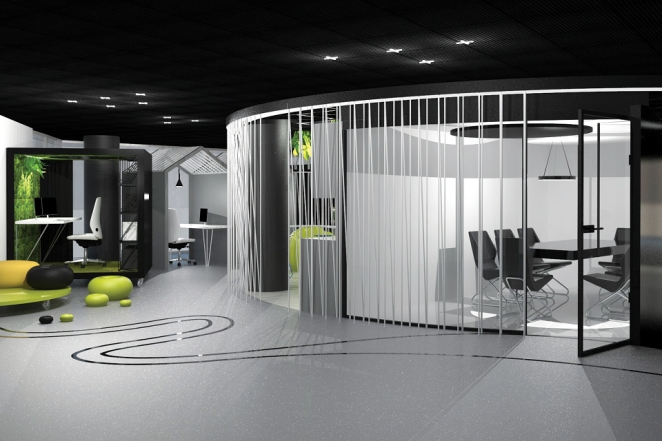
Because culture isn’t what you post online. It’s how your people feel when they show up to work every day—and whether they want to keep showing up at all.