

Hiring a copywriter can appear deceptively simple. You read a few samples, check they understand apostrophes, ask whether they’ve written for a business vaguely similar to yours and give the job to whoever used the word “storytelling” most convincingly on the call.
Sometimes, you get lucky.
The trouble is that technically competent writing is only the entry requirement. It’s the creative equivalent of hiring a musician because they can tune a guitar. Useful, certainly, but not yet sufficient reason to book Wembley.
A great copywriter doesn’t simply make sentences sound nicer. They identify what a business is really trying to say, strip away the corporate sediment and find a version that an audience might actually notice, understand and care about. They bring structure to complicated ideas, personality to forgettable brands and purpose to communications that have somehow accumulated six stakeholders but no discernible point.
They can also save you from using the phrase “best-in-class solutions” in public.
I’ve been working professionally as a copywriter for around 15 years, writing everything from websites, articles and SEO content to campaign copy, interviews, scripts, emails and brand messaging. In that time, I’ve learnt that most businesses don’t struggle to find somebody who can write. They struggle to find somebody who can make the right decisions before, during and after the writing.
That distinction has become even more important as AI makes adequate, grammatically tidy copy available to anyone with an internet connection and twelve seconds to spare. As I explored in my own early experiment asking whether AI would take my job as a copywriter, producing words is no longer the scarce part. Judgement is.
So, whether you’re hiring a freelance copywriter, recruiting someone permanently, building an agency team or looking for specialist help with a particular campaign, here are the ten things that deserve your attention.
Why Hiring the Right Copywriter Matters

Matt Powell
Copy sits almost everywhere a brand meets the outside world.
It’s in the headline that earns three more seconds of attention, the landing page that either reassures or confuses, the email somebody opens reluctantly at 7.42am and the call to action that determines what happens next. It shapes presentations, product descriptions, packaging, job adverts, social posts, scripts, proposals, tone-of-voice documents, case studies and those error messages that arrive just as somebody is trying to give you money.
A weak copywriter can make a good business sound generic. A capable one can make it sound clearer. A genuinely good one can help the business understand itself better.
That’s because the work begins long before the first sentence. A copywriter must decide what matters, what can be discarded, which promise is credible, whose perspective should lead and how much the reader needs to know before being asked to act.
These choices affect far more than style. They influence comprehension, trust, differentiation, conversion and brand consistency. They determine whether a communication feels as though it was written for a recognisable human being or assembled during a committee meeting in a beige room.
When you hire a copywriter, then, you’re buying words. But you’re also buying attention, interpretation, restraint, curiosity, organisation and the ability to notice when the brief doesn’t make sense.
Here’s how to find those qualities.
1. A Portfolio That Shows Thinking, Not Just Finished Copy
Helen Hartley
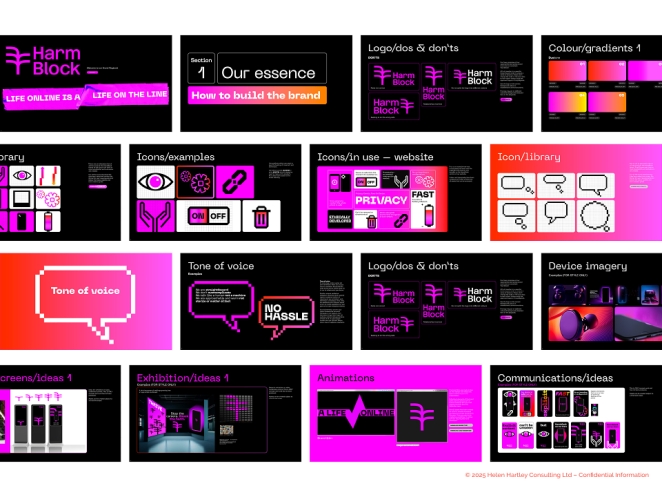
A copywriter’s portfolio is the obvious place to start. It shouldn’t, however, be treated as a collection of attractive sentences arranged beneath large client logos.
The strongest copywriting portfolios provide context. They explain the problem, the audience, the writer’s role, the constraints and, where possible, what the work achieved. They help you understand why a particular approach was chosen rather than simply asking you to admire the result.
This matters because copy rarely emerges untouched from a mountaintop. It passes through designers, strategists, account teams, founders, compliance departments and senior stakeholders who have recently discovered the word “punchier.” The finished piece may be collaborative. It may have changed after the writer handed it over. It may also be hidden behind a non-disclosure agreement.
When reviewing a portfolio, ask:
- What was the original brief?
- What did the writer personally contribute?
- Who was the intended audience?
- What problem did the copy need to solve?
- What limitations shaped the work?
- How did the writer decide on the tone and structure?
- What happened after the work was published?
Look beyond the headline projects too. Most portfolios contain one or two immaculate centrepieces. The more revealing work is often the everyday material: the landing page, onboarding sequence, product explanation or complicated B2B article that needed to be useful before it could be exciting.
Industry guidance on building a copywriting portfolio similarly frames it as a way to demonstrate skills and win work, rather than a storage cupboard for everything a writer has ever produced.
Don’t become obsessed with exact sector experience, either. A writer who has worked in your field may understand the language and regulatory environment immediately, which can be invaluable. But a writer with strong research skills and a broad portfolio may bring fresher thinking precisely because they haven’t spent five years repeating the same category clichés.
Relevant experience is evidence. It isn’t the only evidence.
2. The Ability to Ask Intelligent Questions

Abi Meats
One of the most reliable signs of a good copywriter is that they don’t start writing too quickly.
The eager candidate who begins suggesting headlines within three minutes of meeting you may appear wonderfully proactive. They may also be solving a problem they haven’t understood for an audience nobody has defined.
Experienced copywriters ask questions because they know the brief is rarely the whole brief. The stated task might be “rewrite the website,” but the real problem could be confused positioning, an indistinct proposition, internal disagreement or a customer journey that requires three maps and a sherpa.
Good questions might include:
- What needs to change as a result of this copy?
- Who are we speaking to, specifically?
- What does that audience already know or believe?
- What is preventing them from acting?
- Which claim can the business genuinely own?
- What proof supports it?
- Where will people encounter the copy?
- What happens immediately before and after?
- Who needs to approve the work?
- What are we absolutely not allowed to say?
Notice that most of these questions aren’t about word count or preferred adjectives. They’re about the situation surrounding the words.
A good copywriter should also be willing to question assumptions tactfully. If your brief asks for an “edgy but reassuring, premium yet accessible, playful but authoritative” voice, they should help you establish a hierarchy rather than nodding solemnly and pretending those instructions form a coherent personality.
That doesn’t mean turning every project into a three-week discovery phase. Sometimes you genuinely do need 50 product descriptions by Friday. But even under pressure, a good writer establishes the purpose, audience and priorities before disappearing into a document.
In an interview, give candidates a short sample brief and ask what else they would need to know. Their questions will often tell you more than their answers.
3. Genuine Curiosity About the Audience
Jim Seath
Copywriters are professional shape-shifters. They spend much of their working lives temporarily inhabiting the concerns, vocabulary and emotional temperature of people they may never meet.
That takes more than downloading a demographic profile and addressing the resulting fictional person as “Sarah, 34, likes yoga.”
Audience understanding should involve behaviour, context and motivation. What is the reader trying to achieve? What are they worried about? Which details will reassure them? What language do they use themselves? What have they already heard from every competing brand? How much attention are they realistically willing to give you?
A skilled copywriter gathers this information through customer interviews, search behaviour, reviews, sales conversations, support queries, audience research, social listening, competitor analysis and existing performance data. They look for the phrases people use when they’re not being observed by the marketing department.
They also understand that empathy isn’t the same as sentimentality. Sometimes respecting an audience means being warm and reassuring. Sometimes it means being direct, concise and willing to get out of the way. Nobody wants a whimsical brand story while attempting to reset a password.
Ask prospective copywriters how they research unfamiliar audiences. Strong candidates should be able to explain where they look, whom they speak to and how research changes the work. They should also show some awareness of accessibility, cultural context and the risk of relying on assumptions.
The best writers are interested in people before they’re interested in prose. That interest gives their work specificity, and specificity is usually where persuasion begins.
4. Control of Tone of Voice

Panos Moesis
Many copywriters have an appealing personal style. Far fewer can stop using it when the brand requires something else.
A good brand copywriter should be able to sound authoritative without becoming pompous, playful without becoming irritating and conversational without appearing to have swallowed a LinkedIn influencer. They should understand how vocabulary, rhythm, sentence length, humour, formality and perspective combine to create a recognisable voice.
More importantly, they should be able to adapt that voice without losing coherence.
A financial services brand, children’s charity, fashion label and B2B software company shouldn’t sound as though they share one mildly over-caffeinated social media manager. Even within one brand, the voice must flex. A campaign headline can be bold. An error message should be useful. A legal explanation needs clarity. A complaint response probably shouldn’t open with a pun.
When reviewing samples, look for range with control. Can the writer produce distinctive voices, or does every client sound suspiciously like them? Can they explain why one project required restraint while another benefited from exaggeration? Have they written short and long, serious and playful, emotional and functional?
If you already have tone-of-voice guidelines, ask how they would apply them. If you don’t, ask how they would begin defining a voice. The answer should go beyond choosing three adjectives and making a mood board full of Ryan Reynolds screenshots.
A strong copywriter understands that tone of voice isn’t decorative. It’s a system for making consistent verbal decisions.
5. Strategic and Commercial Judgement
Darby Roberts
Copywriting is creative work, but commercial copy doesn’t exist solely to be admired.
It usually needs to achieve something: sell, explain, differentiate, reassure, recruit, introduce, retain, persuade or prompt action. Sometimes it needs to do several of those things simultaneously, which is inconsiderate but not uncommon.
A commercially aware copywriter connects every creative choice to the job the communication needs to perform. They understand propositions, message hierarchy, objections, calls to action and the relationship between brand-building and immediate response.
They don’t need to arrive carrying a spreadsheet and referring to every sentence as an “asset.” They do need to recognise that a beautifully written page which hides the product, ignores the customer’s main concern and leaves the call to action marooned beneath 1,400 words has not entirely succeeded.
Ask candidates how they define success. Do they consider conversion, engagement, comprehension, search visibility, recall, qualified enquiries or reduced support demand? Can they distinguish between a campaign designed to create awareness and a landing page designed to secure action? Can they explain when a more creative approach is commercially useful and when clarity should win?
Be wary of anyone who guarantees dramatic results before seeing the product, audience, offer, traffic source or existing data. Copy can make a substantial difference, but it doesn’t operate in a vacuum. Even the finest headline in Britain cannot rescue a terrible proposition indefinitely.
The best copywriters are neither frustrated novelists nor conversion machines. They understand that craft and commercial purpose need each other.
6. An Instinct for Editing
Among Equals
Writing gets most of the romance. Editing does most of the work.
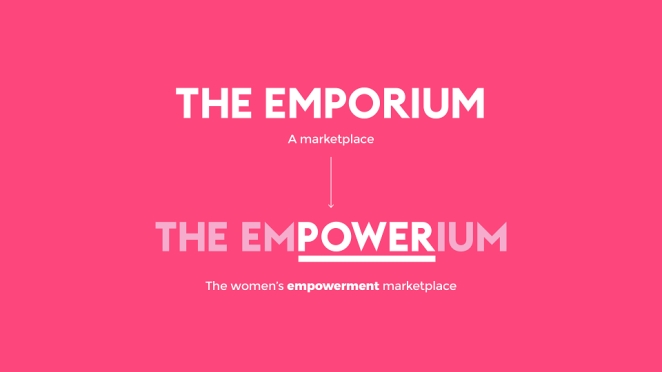
A first draft is often the writer explaining the idea to themselves. The real craft begins when they remove repetition, sharpen the structure, simplify the language and replace the paragraph they love with the sentence the reader needs.
After 15 years, I’m still suspicious of any first draft that feels finished. Occasionally it happens. More often, the writer has simply become emotionally attached to something at 11.38pm and needs to see it again in daylight.
A good copywriter can edit at several levels. They can fix grammar, punctuation and syntax, but they can also interrogate the architecture of a piece. Is the strongest point buried? Does the opening earn attention? Is the argument moving forward? Does every section justify its existence? Could the reader misunderstand anything? Has the copy said the same thing three times while wearing different hats?
They should also be able to edit without sanding away all personality. Clean copy isn’t necessarily sterile copy. Some fragments are deliberate. Some rules can be bent for rhythm, emphasis or voice. The skill lies in knowing the difference between a purposeful choice and a mistake wearing a creative beret.
Look carefully at the writer’s own application, emails and portfolio. These are copy samples too. One typo shouldn’t automatically end a promising candidacy because writers are human and keyboards remain treacherous. A pattern of sloppy communication is more concerning, particularly from someone promising “meticulous attention to detail.”
You can also ask candidates to discuss something they removed from a project. Good writers are often as proud of the words they cut as the ones that survived.
7. Understanding of Channels, Formats and SEO

Alfie Turnell
A modern copywriter rarely writes for one surface.
A campaign may require a headline, landing page, email sequence, social cut-downs, paid ads, video script, sales deck and three versions of the same call to action because every platform has decided to behave differently.
The copywriter doesn’t need to specialise in every format. They should, however, understand that a website is not a brochure placed behind glass, a social caption isn’t a shortened press release and a video script must work when spoken by an actual human with lungs.
Look for practical awareness of:
- Search intent and on-page SEO
- Mobile reading behaviour
- Email subject lines and preview text
- Paid-ad character limits
- UX copy and interface context
- Accessibility and plain language
- Calls to action
- Content hierarchy
- Script timing and spoken rhythm
- Metadata, internal links and page structure
SEO deserves particular attention because poor SEO copywriting is still responsible for some of the internet’s least human paragraphs. A competent SEO copywriter should understand keywords and search intent without cramming the target phrase into every available grammatical cavity.
Google’s own guidance recommends creating helpful, reliable, people-first content, rather than material designed primarily to manipulate rankings. That’s a useful test of an SEO copywriter’s philosophy. Can they satisfy the search query while still producing something distinctive, authoritative and genuinely useful?
Ask candidates which formats they know best and where they may need support. Honesty is preferable to a generalist claiming equal mastery of television scripts, technical white papers, UX flows, naming, direct response, pharmaceutical compliance and TikTok captions.
That person may exist. They may also be six copywriters in a trench coat.
8. The Ability to Collaborate and Handle Feedback

Jidnyasa Bhelke
Copywriting involves writing. It also involves meetings, comments, revisions, explanations and the occasional 4.57pm message informing you that “the team has gone in a different direction.”
A strong copywriter can work with designers, strategists, developers, marketers, subject specialists, account handlers, founders, legal teams and senior stakeholders. They can explain their decisions without becoming defensive and receive feedback without treating every tracked change as a personal attack.
This doesn’t mean they should accept every instruction unquestioningly. The best copywriters know when to push back. If a proposed edit introduces ambiguity, weakens the proposition or damages the voice, they should explain the problem and suggest a better solution.
The important word there is “explain.” Simply declaring that something “doesn’t work creatively” is not a useful professional argument.
Ask candidates about a project where feedback substantially changed the work. What did they do? How did they separate personal preference from a legitimate communication problem? Have they ever disagreed with a stakeholder and, if so, how was it resolved?
You’re looking for confidence without ego. A writer should care deeply about the work while remembering that commercial copy is collaborative and ultimately belongs to the client or organisation.
Pay attention to how they listen during the hiring process too. Do they respond to what you actually said, or are they waiting for an opportunity to unveil the answer they prepared earlier? A copywriter who cannot listen will struggle to find the voice hidden inside a business.
9. Sensible, Transparent Use of AI

Jonathan Williams
The most useful question to ask a copywriter about AI isn’t “Do you use it?”
It’s “How do you use it, and where do you choose not to?”
A writer who refuses to engage with AI under any circumstances may be ignoring tools that could improve research, administration, ideation or efficiency. A writer who feeds every brief into a model and forwards the first output is offering little that the client couldn’t produce independently.
The valuable territory lies between those positions.
A thoughtful copywriter may use AI to explore questions, organise research, generate alternatives, summarise source material or challenge an early structure. But they should verify facts, protect confidential information, observe the client’s AI policy and take full responsibility for the finished work.
They should also recognise the tonal fingerprints of generic AI copy: excessive symmetry, abstract claims, predictable metaphors, endless throat-clearing and an apparently unstoppable desire to describe everything as a “rapidly evolving landscape.”
AI can produce sentences. The copywriter must still decide whether those sentences are true, useful, original, appropriate and worth anybody’s time.
Ask candidates to describe their process openly. What information would they never put into a public model? How do they fact-check generated material? When would they disclose AI assistance? What parts of the work require human interviews, experience or original thinking? How do they stop efficiency from flattening the brand voice?
You don’t need a copywriter who performs technological purity. You need one with judgement, transparency and a clear sense of authorship.
10. Reliability, Ownership and Professionalism
Nick Carson
This final quality is less glamorous than conceptual brilliance, but it becomes remarkably attractive around the third missed deadline.
A professional copywriter should be able to scope the work, agree deliverables, identify dependencies, manage revisions and communicate problems before those problems become emergencies. They should understand deadlines, version control, approval processes, usage rights and the difference between a minor edit and a completely new brief wearing the previous brief’s name badge.
For freelancers, look at the quality of their proposal or quotation. Does it explain what’s included? Are timescales, feedback rounds and payment terms clear? Have they identified what they need from you? Do they respond when they say they will?
For permanent hires, ask how they prioritise multiple stakeholders and overlapping deadlines. What happens when everything is marked urgent? How do they manage work that is blocked by missing information? How do they maintain standards when the volume rises?
Professional standards such as the emerging Copywriter Code place emphasis on competence, confidentiality, professional conduct and acting in the client’s best interests. These qualities might not produce an exciting portfolio thumbnail, but they determine whether somebody is safe to trust with your brand.
A brilliant writer who requires constant chasing can quickly become an expensive source of anxiety. A reliable writer with strong judgement makes the whole creative process calmer.
Calm, in this industry, is practically a superpower.
How to Assess a Copywriter During the Hiring Process

Pablo Thomas
Start by defining the job properly. “We need a copywriter” is not yet a brief.
Do you need campaign concepts, long-form editorial content, brand messaging, UX copy, technical writing, SEO content, social media, scripts or day-to-day marketing support? Is this a freelance project, permanent position, retained relationship or temporary burst of specialist expertise?
Once you know that, shortlist candidates whose work matches the format, ambition and strategic depth you require. Don’t select purely by sector or client fame. A beautiful global campaign doesn’t necessarily prove that somebody wants, or knows how, to manage your weekly email programme.
During interviews, ask each candidate to walk through two or three projects. Concentrate on the brief, choices, constraints, contribution and outcome. Useful questions include:
- What did the client originally ask for?
- What did you think the real problem was?
- How did you research the audience?
- Which part of the work was yours?
- What changed after feedback?
- What would you do differently now?
- How did you know the work was successful?
- Which line or idea did you remove, and why?
- Where did you disagree with the brief?
- How was AI used, if at all?
A small paid task can be helpful when candidates have similar portfolios or when the role requires a very specific skill. Keep it contained, realistic and respectful. Use the same brief and assessment criteria for everyone. Don’t ask several copywriters to produce usable campaign work for free and then announce that you’ve “decided to go in another direction” while quietly taking their headlines with you.
A short critique, message hierarchy, page outline or sample section may reveal more than a complete speculative campaign. You’re trying to understand the candidate’s thinking, not stockpile free ideas.
Finally, check references where the role or project warrants it. Ask former clients or colleagues about reliability, feedback, judgement and collaboration, not simply whether the person could write.
Should You Hire a Specialist or Generalist Copywriter?

Kirti Ram
There is no universal answer, because “copywriter” now covers an enormous range of work.
A specialist is usually the safer choice when the material is highly technical, regulated or format-specific. Medical, legal and financial copy may require substantial subject knowledge. UX writing, naming, direct response, brand voice and scriptwriting each involve distinct processes and skills.
A generalist can be invaluable when you need flexibility. Smaller marketing teams may benefit from someone who can move between website pages, articles, case studies, emails, campaigns and social copy while maintaining a consistent brand voice.
Don’t confuse specialism with quality, though. Years spent writing for one sector can produce valuable expertise. They can also produce a deep commitment to the phrases everyone else in that sector already uses.
Consider the level of strategic support you need too. Some copywriters are excellent at executing a clear brief. Others are most valuable upstream, helping define propositions, structure messages and establish tone of voice. Problems arise when you hire one while expecting the other.
The right question is not “Who is the best copywriter?”
It’s “Who is the best copywriter for this particular problem?”
Copywriter Red Flags to Watch For

Caitlin Boak
The most obvious warning sign is a weak portfolio, but subtler red flags can be more revealing.
Be cautious when a writer cannot explain their role in collaborative projects, particularly if they appear to be claiming the strategy, concept, design, copy and possibly catering. Likewise, a portfolio in which every brand has exactly the same witty tone may demonstrate style, but not adaptability.
Watch for candidates who show no curiosity about your audience or business. If their only questions concern word count, deadline and payment, they may be approaching the job as production rather than problem-solving.
Poor communication during hiring can also predict poor communication during the project. Repeatedly missed calls, vague proposals, inconsistent availability and unexplained delays deserve attention.
Treat grand claims with care. Nobody can promise that a rewritten homepage will triple conversions without understanding the offer, traffic, design, audience and existing performance. Confidence is useful. Clairvoyance is harder to verify.
Finally, be alert to contempt. Copywriters will inevitably encounter difficult projects and challenging feedback, but someone who describes every former client as an idiot may eventually add you to the collection.
How to Hire a Copywriter Through Creativepool

Ray Smith
Creativepool gives employers access to copywriters working across advertising, branding, SEO, editorial, UX, content, social media and other specialisms.
You can start by exploring the Creativepool copywriter directory, where portfolios and profiles help you compare writers by the work they actually do. Creativepool’s Top 25 copywriters also offers a useful starting point for discovering established and influential talent.
For a freelance project, employers can advertise a studio gig and invite approved creative professionals to apply. Permanent roles can be promoted through Creativepool’s talent attraction options, while the talent search tools allow businesses to explore work history, portfolios and CVs directly.
Whichever route you take, provide a useful brief. Explain the business problem, audience, deliverables, timings, approval process and budget. If there are brand guidelines, research, existing copy or technical constraints, share them early.
Good copywriters can improve a weak brief. They shouldn’t have to perform archaeology just to discover what the project is.
The Final Word
The best copywriters make the finished work feel obvious. The sentence flows, the message lands and the audience knows what to do next. You don’t see the abandoned structures, rejected headlines, interviews, research, arguments, edits and microscopic decisions that made it possible.
That apparent effortlessness is the result of skill.
When hiring a copywriter, look beyond fluent prose. Look for curiosity, strategic thinking, audience empathy, tonal control, editing discipline, commercial understanding, collaboration and the confidence to challenge a muddled brief.
Most of all, look for judgement. Words have never been easier to generate. Knowing which ones deserve to survive is where the real value now sits.