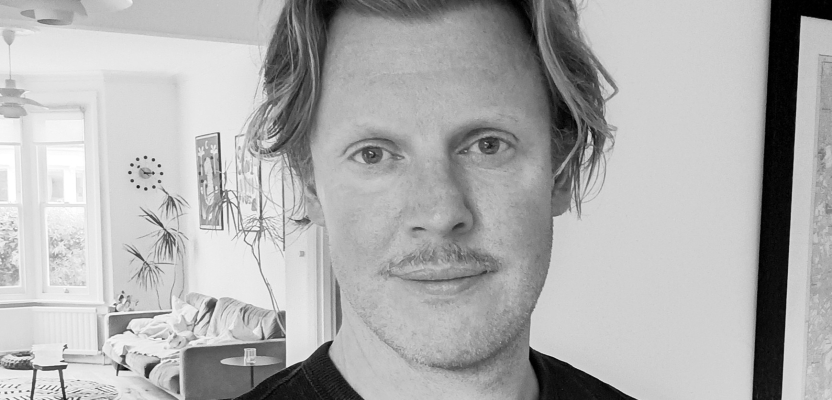

Good design isn't necessarily about adding more; it's about knowing what to keep. For Tom Lancaster, Creative Director at Graphic Arts & Type, the challenge is to make a few carefully considered elements work harder. His approach spans typography, graphic design, brand identity and digital product design, with a creative process that begins with sketching ideas, exploring possibilities and refining them into purposeful visual communication.
In this Creativepool interview, Tom discusses how his background and influences have shaped his approach to design, why he believes creative disciplines should inform one another, and what it takes to develop a distinctive point of view. He also shares practical advice for aspiring creatives, reflects on the importance of collaborative studio cultures, and considers how AI and emerging technologies are changing the industry. Throughout, one idea connects his perspective: creativity is about making deliberate choices, not simply following trends.
How did you first get into the industry?
After studying design at Goldsmiths my first design job was at Clear Channel Outdoor designing billboards and bus stop posters for small local businesses. While I was studying I worked a paid internship at Orange (a telco that is now EE) and that led to my next job working there as an art director.
Where are you based now and who do you work for?
I’ve moved around London since moving here in 2001 - I’m now over in Mortlake in South West London near Richmond. I generally work four days a week in a main job (over the past five years this has been at WPP, SQLI and Wunderman Thompson VML), and alongside this I have my own design practice, Graphic Arts & Type, as well as working as a personal trainer.
What is your personal background and what role did it play in your career?
Like a lot of designers I always enjoyed drawing when I was young and designing things from cars and clothes. I grew up in the 90s and was completely into dance music and the visual culture around it - be it the graphic design that record labels created for releases or the music videos. I think the typography and graphic minimalism of that time influenced my tastes and love of crafting letters from scratch.
If you weren’t in your current industry, what would you be doing?
I work across Digital Product Design and Brand Design alongside working in fitness- if I wasn’t doing any of that I think that there is a chance I would be a photographer. I also really wanted to be a fine artist when I was in my late teens so maybe that too.
Can you explain your creative process? What makes it unique?
When I can I like to start with sketching - letters, shapes, rough ideas. I like to come up with a very low-fi creative concept before using any technology to build it out. I’m at my happiest when I can use Illustrator to then create letters as vectors, using simple shapes to slowly form something. I like to have the freedom to create lots of visual layouts and approaches, and then edit and refine down.
If the process is less about brand and creative and more about experience then I still tend to start in the same place - breaking down the challenge and the inputs on paper or a whiteboard to make sense of the design space. I like to have a plan and strategic routes before starting to do something - but this doesn’t need to take a long time.
I’m not sure this is unique at all - I think something that is uncommon is that I’m not really interested in the barriers between different types of design - graphic, brand, UX/UI, service, content - I think any ideation should happily flow across them all rather than having to stay in a lane.
How would you describe your style?
Minimally expressive. I like to use little to create an impact - but this doesn’t mean muted minimalism. It’s more about making few ingredients work hard to achieve an outcome. I’m not a fan of cluttered design or thinking.
Which individuals do you gain inspiration from? Do you have any heroes in the industry?
I’ve been lucky to work with many designers across my career and I get inspired by seeing so many talented individuals take different design approaches to get to where they need to. Some are instinctive, some are methodical. Being around creative people and hearing about their creative influences inspires me.
I have too many heroes to mention - but the ones that spring to mind are Massimo Vignelli - his clarity of visual communication is still so fresh. I only just found out that American Airlines was only going to be the two AAs and then as a concession to feedback Henry Dreyfuss Associates had to add the Eagle.
What tips would you give to aspiring creatives looking for work?
I’d focus on your practice and create personal work while you’re looking for paid work. We all get stronger with more practice and I think inspiration comes from working.
I’d also think about what you want your creative practice to look and feel like - what makes you happy? It’s fine to do commercial work alongside the work you really love - as long as the former doesn’t completely crowd out the latter.
What tips would you give to other professionals to get more clients?
Tough question! I think it’s really important to take the time to decide your own creative strategy and service offer - what it is that you do and don’t do. Also then (and I’ve learned this the hard way at times) you also need to think about who the right kind of clients are for you - those that believe in your creative vision - ones you can be a partner with, rather than a supplier to. When a client relationship is right it is amazing. When it isn’t you need to know when to step away.
Can you share a memorable experience from your career journey that shaped your approach to creativity?
When I worked at Orange there was a lovely work culture. I was stressing before a meeting and Vicky was walking by, she stopped me, got me to take a breath and relax before going into present. She didn’t need to, but wanted it to work out well. My approach to creativity is that we’re all welcome and should help each other out. I feel that design and creative is a place where we don’t have to be in competition with each other - and that’s the beauty of it.
What kind of tools/kit/software could you not do without?
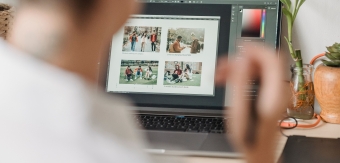
Still Illustrator for drawing letters from scratch, Figma for anything to do with digital, and of course InDesign for print. Also Photoshop still feels natural for me if I’m working on photos - so a pretty standard selection! I like software that offers me precise control.
What’s your secret to staying inspired and motivated?
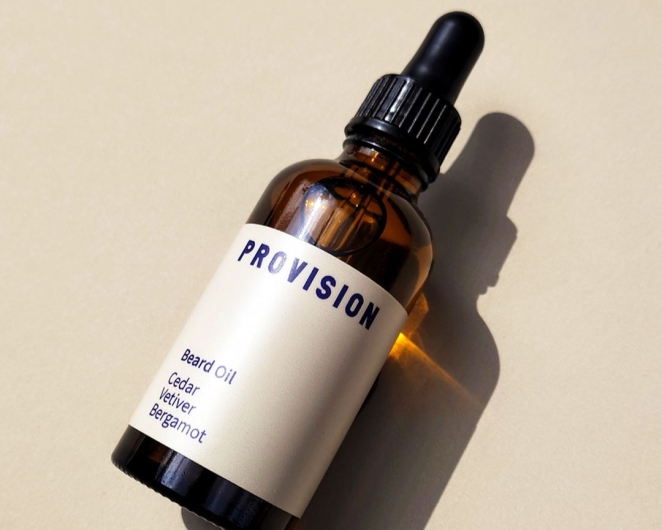
Keeping it fluid and keeping on working. I’ve changed roles, moved across disciplines and categories a lot of times and that means I get to keep on learning. I think when you get too comfortable it can dent that motivation and then it’s maybe time for something new.
What’s the work achievement you’re most proud of?
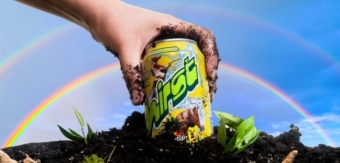
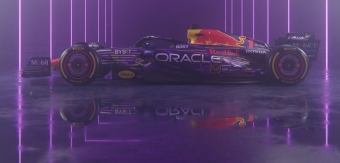
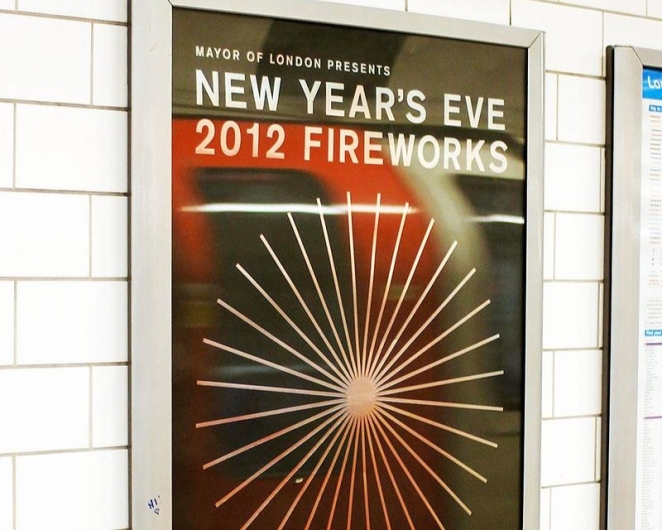
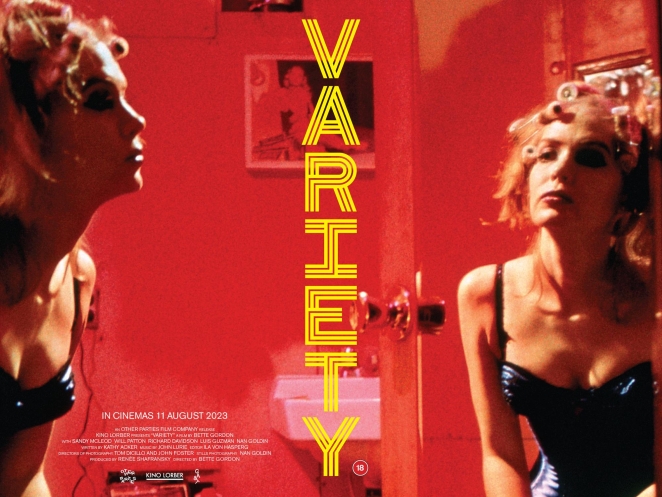
Ah ha - I have a couple that spring to mind. Firstly getting a black and silver foil optical art poster agreed for New Year’s Eve Fireworks in 2012 - I will admit that the silver foil at times reflected the darkness so you couldn’t always read it! (A reminder that testing is never a bad idea!) And getting to work on Variety creative for Other Parties with Nan Goldin’s photography - it’s a treat and a privilege to work with great photography in design.
As someone with experience in the industry, what trends do you foresee shaping the future of creativity?
I think a greater and greater emphasis on creativity that shows reality and the hand of the maker will continue to be a trend. As we navigate a world full of un-real visual culture, GLPs, steroids, airbrushing, filters, CGI, AI I’m convinced that real and crafted will be valued and appreciated far more as time goes on.
What do you think sets apart truly exceptional creatives from the rest of the pack?
I think it was Lynne Arrowsmith that said to me you can’t die in a ditch about everything. I think there’s a real skill in being able to see where you are making a difference, and where to save your energy and to not engage. I think knowing what you stand for and what is truly important to you is what gives truly exceptional creatives a singular point of view that connects their work. Without it you’re just chasing trends which I see as a simulation of creativity.
How do you think technology has influenced the creative industries and how have you adapted to these changes?
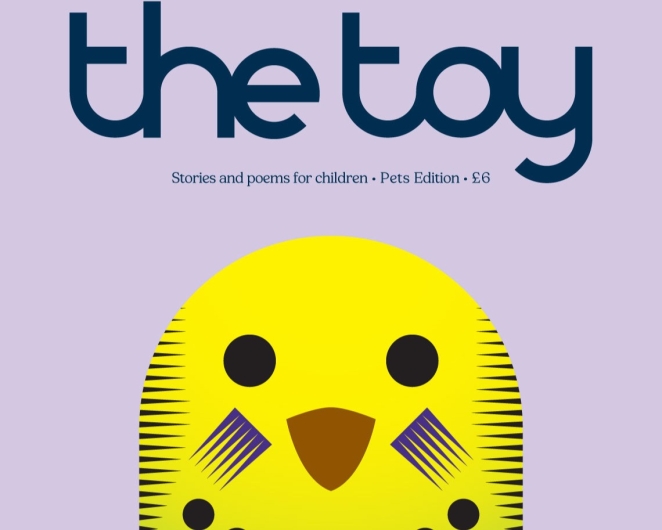
Technology continues to democratise the means of production to make skills that were once professional-only available to many. This means the creative industries can’t rest on their laurels and we all have to keep learning and moving forward. It also means with ever more creators and content, many people find themselves chasing the algorithm - which no one grew up wanting to do. I try to learn as much as I can, and then evaluate where technology adds value to my craft and where it takes something away.
I think we are in an interesting era where the general view of technology has swung from a default of excitement driven by novelty, to deep concerns about inequality, sustainability and intellectual and data ownership. One where the user asks less ‘what can this do for me’ and more ‘what is this taking from me?’. That’s an interesting space for creatives to navigate if we are fundamentally a people-centred industry.
What is the one thing that you would change about the industry?
I’d refocus on building collaborative studio cultures - ones where people regularly work together in person rather than spend the day meeting remotely. It’s ok to work remotely some of the time, but a life spent in Microsoft Teams and workshopping in Miro is such a corporate and unimaginative way of being.
Any websites, books or resources you would recommend?
Simply that I would recommend reading, and reading variety to be exposed to different thoughts, worlds and opinions. I recently enjoyed TonyInterruptor by Nicola Barker, Sister Europe by Nell Zink, Jungle House by Julianne Pachico and Klara And The Sun by Kazuo Ishiguru. The two latter ones helped me form my opinions on AI in much rounder way than anything I read online. TonyInterruptor brought - ‘are we all being honest here’ into my daily language at work which caused much amusement at WPP