
A career in graphic design is about more than creating visually striking work. It takes curiosity, adaptability and the ability to turn a brief into something meaningful. In this Creativepool interview, Lindsay Palmer, a graphic designer transitioning into freelance work, shares insights from a career spanning diverse sectors, creative campaigns and ambitious design challenges. From developing a strong foundation in agency life to building lasting professional relationships, their journey offers valuable lessons for aspiring creatives looking to grow and find their place in the industry.
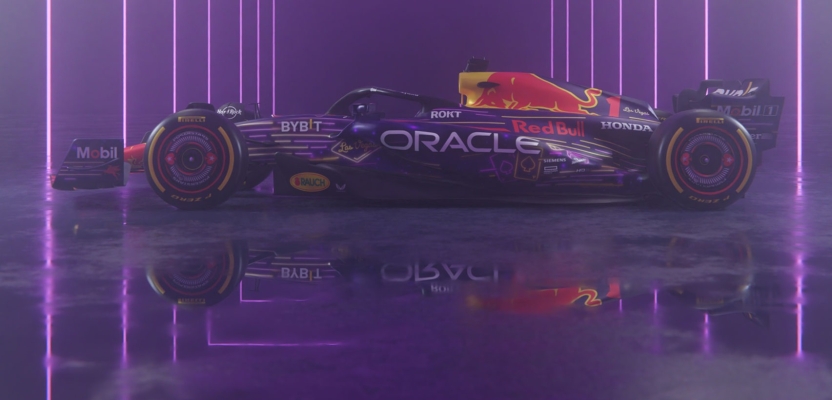
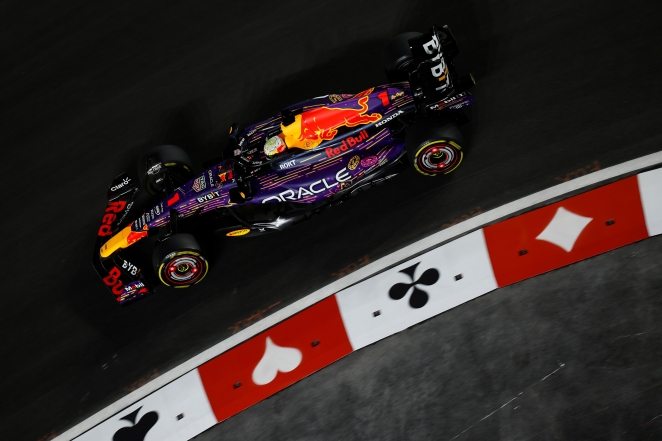
One of the standout moments in Lindsay Palmer’s career was winning Oracle Red Bull Racing’s Make Your Mark competition, with their design becoming the official livery for the team’s car at the inaugural Las Vegas Grand Prix in 2023. Reflecting on this milestone, they discuss the importance of backing creative ideas, staying inspired through new experiences and creating work with purpose. They also share their perspective on what makes exceptional creatives stand out and how AI is likely to shape the future of graphic design.
How did you first get into the industry?
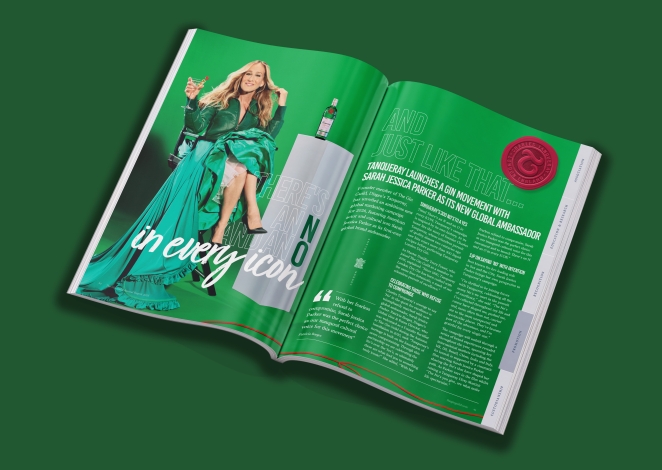 I studied Graphic Design at the University of Suffolk, graduating in 2012. Those three years gave me a strong foundation and set me on the path to a career in the creative industry. My first role was at a pharmaceutical design agency, where I had the opportunity to work across a wide range of projects with generous budgets. It was a fantastic environment to develop my skills, gain hands-on experience, and learn the fundamentals of agency life early in my career.
Where are you based now and who do you work for?
Just an FYI: I currently work for an agency, but am transitioning into freelance work. Therefore I’d like to not mention my agency, but that I am a freelance designer.
If you weren’t in your current industry, what would you be doing?
When I was choosing what to study at university, it came down to Graphic Design or History, which are obviously very different paths! Although I chose design, I've always had a love for history, culture and travel, so I imagine I'd be doing something in that world instead. The thing both subjects have in common is curiosity, and I think that's something that's shaped my career. I enjoy learning about new ideas, uncovering the stories behind them, and seeing how different influences connect, which naturally feeds into the way I approach design.
How would you describe your style?
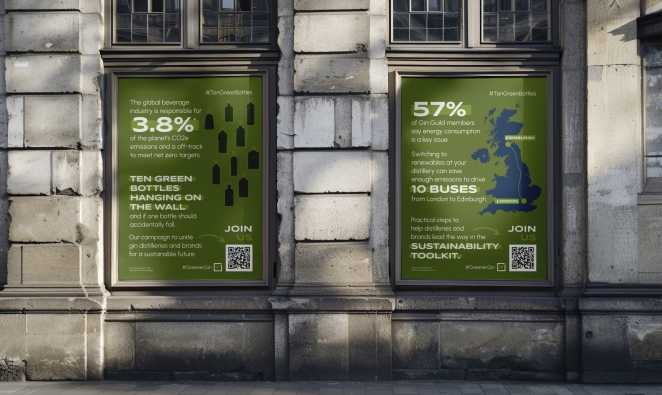 I'd say my style is adaptable, and that's something I see as one of my biggest strengths. Having spent much of my career in agency environments, I've learned how to tailor my work to suit different clients, audiences and objectives. One day I might be creating a bold brand campaign, and the next working on an NHS communications project, so each brief requires a different perspective. For me, good design is about solving the problem in front of you, rather than applying the same visual style to every project.
What tips would you give to aspiring creatives looking for work?
Build relationships rather than chase projects. Some of the best opportunities in my career have come through people I've worked with previously, through recommendations and conversations.
Can you share a memorable experience from your career journey that shaped your approach to creativity?
One of the most memorable moments of my career was winning the Formula 1 Oracle Red Bull Racing Make Your Mark competition, where my design became the official livery for the team's car at the inaugural Las Vegas Grand Prix in 2023.
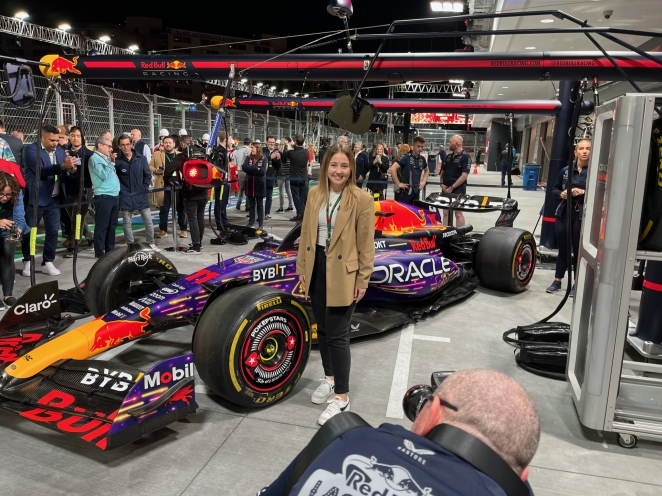
Seeing my design unveiled in Las Vegas and then race around the track all weekend was a surreal experience. I even had the opportunity to help reveal the car alongside Christian Horner, and to top it all off, Max Verstappen went on to win the race in the design.
More than anything, the experience changed the way I think about creativity and opportunity. It reminded me not to hold back, second-guess ideas, or assume something is beyond my reach. I fully embraced the brief and pushed my ideas as far as I could, and the result was something I could never have imagined at the outset.
It reinforced a mindset I still carry today: say yes to opportunities, back yourself and be brave with your ideas. You never know where a creative challenge might lead. In my case, it led to seeing my work showcased on one of the biggest stages in world sport.
What’s your secret to staying inspired and motivated?
 For me, it's variety. Throughout my career, I've worked across a wide range of sectors, and no two projects are ever quite the same. One week I might be working on a branding project, and the next on a communications campaign for a completely different audience. That constant change keeps things interesting and pushes me to think differently with every brief.
It also means I'm always learning. Different clients often require different technologies, tools and ways of working, so there's a continual opportunity to develop new skills and stay curious.
Outside of work, I think it's important to find inspiration beyond the design industry. I love travelling, reading and learning about history and culture, which helps me bring fresh perspectives and ideas back into my creative work.
What’s the work achievement you’re most proud of?
Alongside the F1 Oracle Red Bull Racing Make Your Mark competition, one of the achievements I'm most proud of is an award-winning campaign we created for The Gin Guild, which went on to win Best Sustainability Marketing Campaign.
The results exceeded expectations, and the campaign was incredibly well received across the industry, including by some of the gin sector's most respected names. While winning the award was a fantastic achievement, what made it especially rewarding was the purpose behind the work. The campaign helped shine a spotlight on an important sustainability initiative, proving that creative work can make a positive impact while also delivering strong commercial results.
Seeing the campaign gain industry recognition was hugely rewarding, both for the team behind it and for the client. It's a great example of the kind of work I enjoy most: creative ideas that not only engage an audience but also contribute to something meaningful.
As someone with experience in the industry, what trends do you foresee shaping the future of creativity?
It's the topic everyone is talking about at the moment, but AI will undoubtedly continue to shape the creative industry. Personally, I think it will raise the bar rather than lower it.
AI can help speed up processes, generate ideas and remove some of the more repetitive tasks from our workflows. However, it can't replicate human experiences, emotions or the intuition that sits behind great creative work.
What I think we'll see is a greater distinction between work that is simply generated and work that is genuinely creative. The designers who thrive will be those who use AI to enhance their thinking, not replace it. The technology will keep evolving, but great ideas and creative output will always come from people.
What do you think sets apart truly exceptional creatives from the rest of the pack?
 I think the quality that the best creatives all have in common is the ability to listen. The more you understand the brief, the audience and what a client is ultimately trying to achieve, the better your creative thinking will be.
That doesn't mean playing it safe or avoiding bold, disruptive ideas. In fact, the most exceptional creatives are often the ones pushing boundaries. The difference is that their ideas are rooted in a clear understanding of the challenge they're solving.
For me, creativity isn't just about making something look good or getting attention. It's about creating something with purpose. When you truly understand the problem, you're much more likely to produce work that is both original and effective.
How do you think technology has influenced the creative industries and how have you adapted to these changes?
See question re AI.