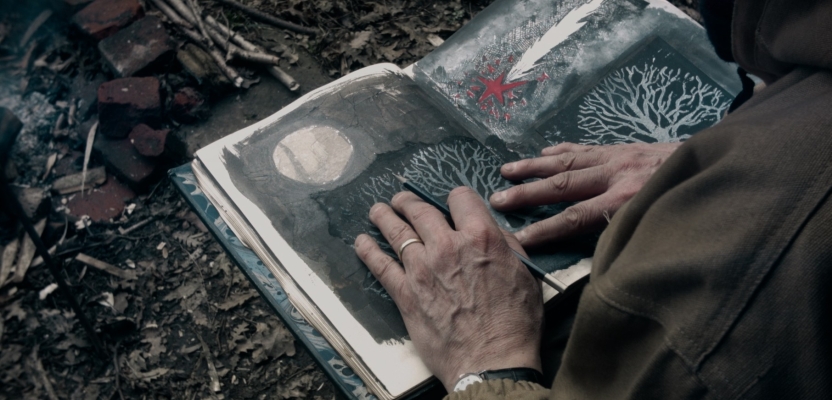

For The Lunatic, creativity begins somewhere between observation, intuition and the unknown. Based in the English woods, this enigmatic practitioner approaches creative work less as a defined process and more as a form of alchemy allowing repetition, coincidence, objects and accidents to reveal possibilities. His practice draws on artists, occultists and experimental filmmakers, from Austin Osman Spare and Hilma af Klint to Maya Deren and Peter J. Carroll, while resisting the idea that creativity needs to be fully understood to be valuable.
In this Creativepool interview, The Lunatic reflects on his creative process, finding inspiration, staying motivated and the role of mystery in contemporary creativity. From an extraordinary experience on the Arctic ice to his ongoing project LUNACY, he explores why remaining curious, enchanted and open to the unexpected can be more important than having all the answers. For aspiring creatives and established professionals alike, his advice is simple: make space, pay attention and leave the door open.
How did you first get into the industry?
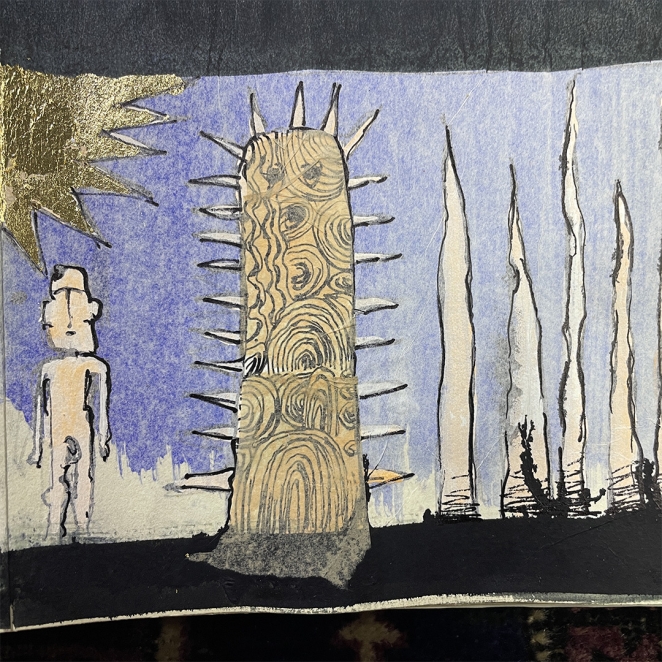 I don’t remember entering.
There was no gate, no ceremony, no invitation.
Eventually, I notice that I’d been here all along.
Where are you based now and who do you work for?
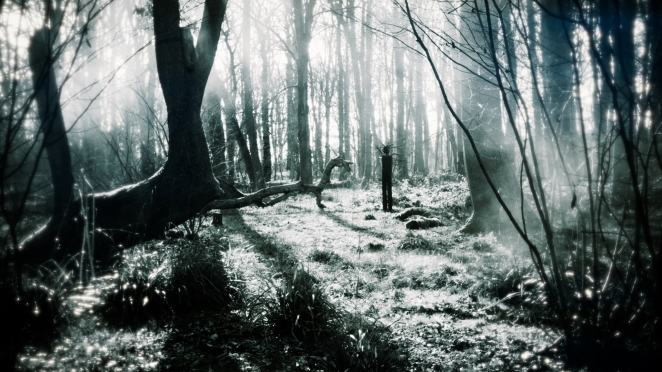
I live in England, in the woods.
There is a house. There are trees and paths and places to disappear for a while.
Work comes from many directions. Sometimes there is a clear request. Sometimes only a vague feeling that something needs my attention.
The second kind are usually the most interesting, but the least well paid.
What is your personal background and what role did it play in your career?
I was always interested in what lives underneath the surface.
My father was an aircraft engineer. He showed me that the world is held together by relationships — forces and mechanisms working in precise correspondence.
I also come from farming stock, where the knowledge is older and less precise. I watch the sky. I notice how the animals behave. I learnt that the land is constantly giving me signs – but only if I have the patience to notice.
I inherited both ways of seeing.
A feather can be a feather.
A stone can be a stone.
Place either one beside the right partner and alchemy occurs.
Over time I’ve learnt to divine a little from this alchemical play.
If you weren’t in your current industry, what would you be doing?
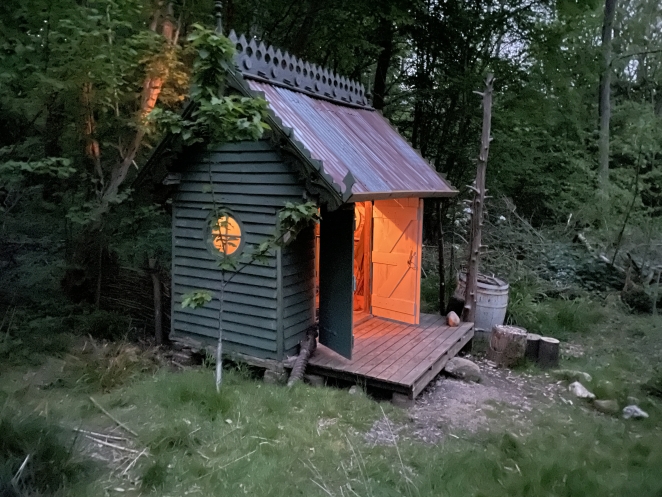 I’d be doing exactly what I’m doing now.
Perhaps a little deeper in the woods.
Can you explain your creative process? What makes it unique?
I wait to see whether something begins to speak.
Sometimes it does.
Sometimes it remains silent.
I trust repetition, coincidence, accidents and I trust the moment an object becomes charged with significance.
I try not to meddle.
How would you describe your style?
I think of it more as a practice than a style.
I like ordinary things; I observe them for far too long so that they then become extra-ordinary.
Mystery has always seemed more useful than certainty, it leaves space for the unknown to enter.
Which individuals do you gain inspiration from? Do you have any heroes in the industry?
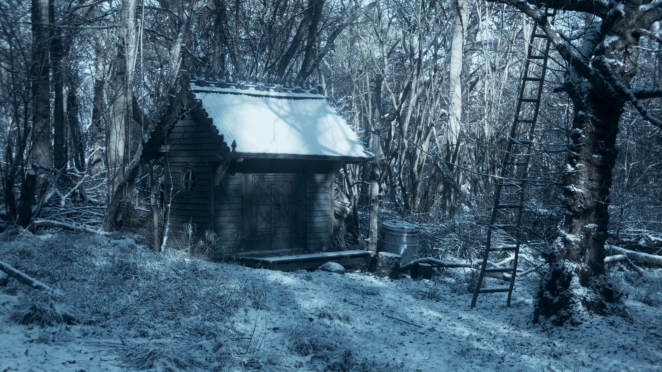 I’ve never been particularly interested in heroes.
I’m interested in practitioners.
Austin Osman Spare understood that symbols and desire could be fed with intention.
Hilma af Klint understood she could receive images from somewhere beyond herself.
Maya Deren understood that repetition could alter reality.
Peter J Caroll understood that magic as something that can be practised rather than merely believed.
What tips would you give to aspiring creatives looking for work?
There’s no need for everybody to understand.
The right person is enough.
Give people something they can discover.
If they recognise themselves in it, they may come closer.
If they don't, it may be meant for someone else.
Open the door.
Can you share a memorable experience from your career journey that shaped your approach to creativity?
During an expedition to The Arctic, I joined a shore party onto the ice cap.
Once away from the ship there were no modern sounds, only a vast expanse.
In silence - standing on the ice, the gently curve disappearing North - I listened.
I heard music, voices and laughter.
With nothing to catch my eye in either land or sea, just the blue vault above, isolated like some cosmic speck, floating in the air, subject to nothing but the laws of gravity.
I saw stars, flashes of colour, a mountain floating in the air.
Magnificence opened up before me.
I swam in boundless space; I vanished - and was lost.
What kind of tools/kit/software could you not do without?
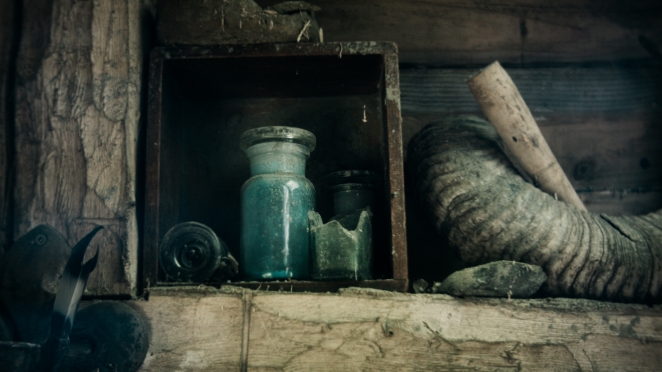 An axe
A knife
A compass
A box for things that have not revealed their purpose yet.
Somewhere quiet.
What’s your secret to staying inspired and motivated?
Remaining available.
That’s all.
I walk.
I allow myself to be bored.
Boredom is useful.
It creates an empty room.
Things arrive when there’s room.
What’s the work achievement you’re most proud of?
“LUNACY”
It’s an ongoing invocation.
It behaves less like a story and more like a haunting.
There’s something satisfying making a thing without first deciding what it’s for.
As someone with experience in the industry, what trends do you foresee shaping the future of creativity?
Magic.
What do you think sets apart truly exceptional creatives from the rest of the pack?
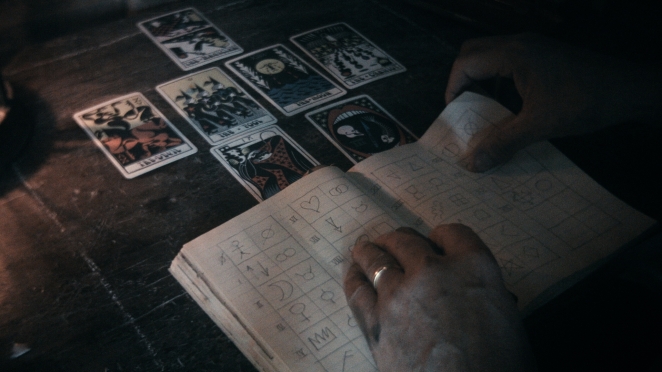 The ability to remain enchanted.
Not impressed. Not distracted.
Enchanted.
How do you think technology has influenced the creative industries and how have you adapted to these changes?
Tools change constantly.
The tool is rarely the important part.
The intention is.
What is the one thing that you would change about the industry?
Mystery has value.
Some darkness is useful.
Some uncertainty is necessary.
Any websites, books or resources you would recommend?
 Keep a notebook beside your bed.
The night is generous.
Final thought
I have an offering.
The door is open.
Welcome.
Mind the step.