
For Davide Veca, a career in animation began with a childhood fascination with the worlds created through drawing and storytelling. From watching Japanese and American animated series in the 1970s and 1980s to discovering the films of Disney, Veca knew early on that animation was more than entertainment it was a way to bring characters, emotions and entire worlds to life. His career has since taken him from studying illustration and animation in Milan to working internationally as a storyboard artist, animator and director.
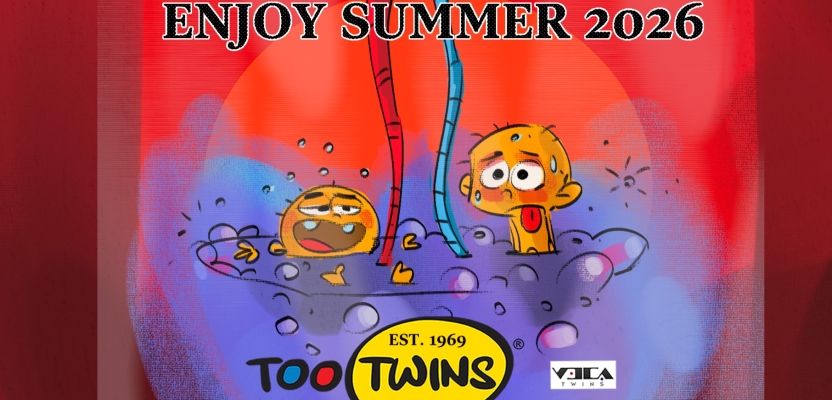
Now based in South Korea, Veca works remotely with international productions while developing his own original IP, including TooTwins. In this interview, he shares his journey through the animation industry, his approach to storyboarding and visual storytelling, the artists and filmmakers who inspire him, and the importance of curiosity, collaboration and continuous learning. He also reflects on how technology and AI are changing creative industries and why, despite all the advances in digital tools, he believes creativity still begins with a pencil, an idea and the imagination behind it.
How did you first get into the industry?
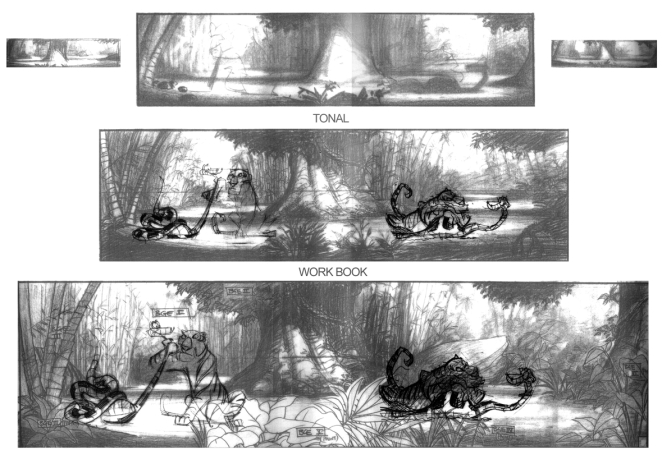 My passion for animation began in childhood. I grew up watching Japanese and American animated series from the 1970s and 1980s, fascinated by their ability to create entire worlds through drawing and storytelling. As I grew older, Disney films such as The Little Mermaid and Beauty and the Beast confirmed that animation was what I wanted to dedicate my life to. I spent countless hours drawing, studying movement and trying to understand how emotions could be expressed through characters. What began as a childhood fascination eventually became my profession.
Where are you based now and who do you work for?
I’m currently based in South Korea, where I work remotely as a freelance storyboard artist and director for international productions. Throughout my career, I have collaborated with Italian and European studios on animated series and feature films. Working remotely has allowed me to build long-term creative relationships across different countries while also dedicating time to developing my own original IPs, including TooTwins.
What is your personal background and what role did it play in your career?
My professional journey began in Milan, where I studied Illustration at the IED (Istituto Europeo di Design) while also attending the evening animation course at C.T.C. (Centro professionale per la Tecnica Cinetelevisiva), run by the Municipality of Milan. I was curious about every stage of the animation process. Throughout my career, I have worked in a variety of roles including animator, background artist, layout artist, storyboard artist and, more recently, director. Experiencing animation from so many different perspectives has given me a deep understanding of visual storytelling and the collaborative nature of filmmaking. Each role has influenced the next, helping me develop a broader creative vision and a strong appreciation for every department involved in bringing a story to life.
If you weren’t in your current industry, what would you be doing?
I would probably be a full-time painter and independent artist, creating personal work and exploring new ideas through different techniques and creative mediums. That said, there’s another dream I’ve always had: owning a small authentic Italian pizzeria. I love the idea of creating a place where people can come together, share stories and enjoy great food.
Can you explain your creative process? What makes it unique?
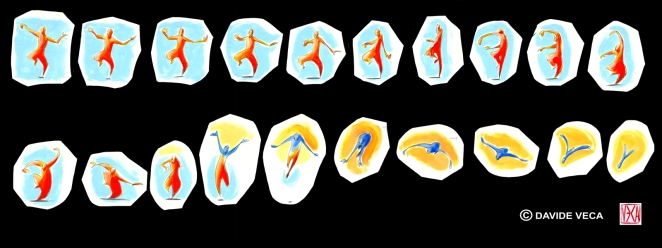
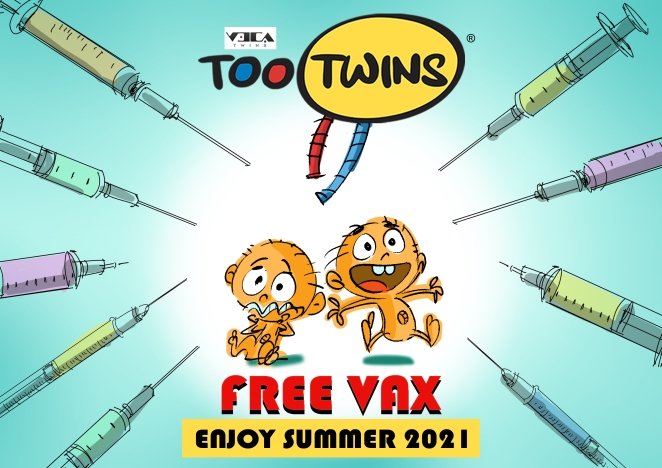 My creative process always begins with the script. Before drawing the actual storyboard, I create a sequence of small thumbnails to explore the visual flow of the story and make sure the narrative feels clear and engaging. From there, I focus on staging, character acting and cinematography.
I believe every camera angle and every character expression should support the emotion and rhythm of the scene, rather than simply illustrate the script. For me, a storyboard is about performance as much as composition. Whenever I feel creatively stuck, I step away from the computer and spend some time in nature. A short walk through a park or simply being outdoors helps me clear my mind and look at the sequence with fresh eyes. Many creative solutions come when I stop forcing them and allow myself the space to observe, reflect and reconnect with the world around me.
How would you describe your style?
I would describe my style as versatile and story-driven. Throughout my career, I've worked with many different studios and productions, adapting my approach to each project's visual language while always focusing on clear storytelling, strong character acting and cinematic staging. Rather than imposing a personal graphic style, I enjoy supporting the creative vision of each production and helping bring its world to life as effectively as possible. At the same time, developing original projects such as TooTwins is giving me the opportunity to explore a more personal artistic voice. I see it as an ongoing journey, and I'm excited to discover how that style will continue to evolve in the years ahead.
Which individuals do you gain inspiration from? Do you have any heroes in the industry?
I'm inspired by many artists across animation, cinema and illustration, and the list could easily go on. Among filmmakers, Hayao Miyazaki has been one of my greatest sources of inspiration. Beyond his extraordinary films, I deeply admire his philosophy of life, his respect for nature, his attention to everyday details and his ability to find beauty in simplicity. Living in South Korea has deepened my appreciation for many aspects of Eastern culture, where patience, contemplation and harmony with nature often become an essential part of the creative process.
I also greatly admire Bruno Bozzetto for his originality, intelligence and timeless visual storytelling, and Brad Bird for his masterful character-driven storytelling in films such as The Iron Giant and The Incredibles. Among illustrators, Sergio Toppi, Jean Giraud (Moebius) and Lorenzo Mattotti have profoundly influenced my sense of composition, atmosphere and visual expression. Rather than trying to imitate any one artist, I prefer to learn from each of them. Every great filmmaker and illustrator offers a unique perspective, and I believe those influences gradually become part of your own creative voice.
What tips would you give to aspiring creatives looking for work?
My first piece of advice is simple: choose this career only if you truly love it. Passion is what will keep you going through the inevitable challenges, long hours and constant learning that come with any creative profession. Don't be driven only by financial expectations.
If your goal is simply to make money, there are easier careers. But if your goal is to tell stories, create memorable characters and move people through your work, animation is one of the most rewarding professions you can choose. Stay curious, keep learning, observe the world around you and never stop drawing or creating. Every project will teach you something valuable. In the end, your passion, perseverance and love for storytelling will become your greatest strengths.
What tips would you give to other professionals to get more clients?
 In my experience, strong professional relationships are built on trust rather than self-promotion. Being reliable, meeting deadlines and respecting the people you work with are qualities that clients remember long after a project is finished. Equally important is being open to feedback. As creatives, it's easy to become attached to our work, but listening carefully to a director's notes or a client's comments and using them to improve the final result is an essential part of collaboration. I believe that talent may open the first door, but professionalism, humility and consistency are what lead to lasting relationships and future opportunities.
Can you share a memorable experience from your career journey that shaped your approach to creativity?
One of the most memorable moments in my career was being offered the opportunity to work for Disney Television Animation Australia. As a young artist, joining such an iconic studio felt almost unreal and gave me the confidence to believe that my passion could become an international career.
Working alongside talented artists from different backgrounds taught me the importance of collaboration, discipline and constantly striving to improve. It also showed me that creativity is never a solo effort great stories are built by teams who share ideas, challenge one another and work towards the same vision.
What kind of tools/kit/software could you not do without?
Over the years, my tools have evolved alongside the animation industry. I began creating storyboards entirely by hand on paper before moving to digital workflows using Photoshop, where each panel was created as a separate image. Today, Toon Boom Storyboard Pro has become an essential part of my workflow. It allows me to develop not only the storyboard itself but also the timing, camera moves and overall rhythm of a sequence. One of the aspects I enjoy most is creating rough animatics by adding temporary dialogue, sound effects and simple editing. It gives directors and production teams a much clearer sense of pacing and storytelling before animation even begins. No matter how technology evolves, I believe the software is only a tool. The heart of every storyboard will always be a strong story, believable characters and clear visual storytelling.
What’s your secret to staying inspired and motivated?
For me, inspiration begins with living in a calm and positive environment. I try to spend as much time as possible surrounded by nature, taking walks in parks, visiting exhibitions or simply observing the world around me. Those moments often recharge my creativity far more than sitting in front of a screen. Working remotely as a freelancer gives me the flexibility to organise my time in a way that suits my creative process. Of course, meeting deadlines is essential, but having the freedom to balance work with moments of reflection helps me return to each project with fresh eyes and renewed energy.
What’s the work achievement you’re most proud of?
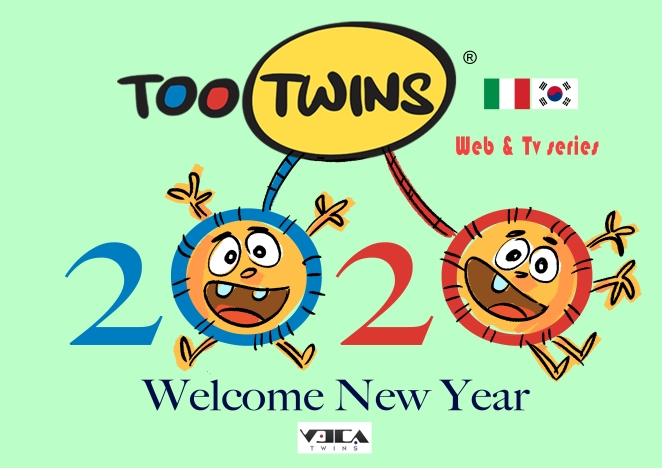 I've been fortunate to work with talented studios, directors and artists throughout my career, and I'm grateful for every opportunity I've had. Each project has taught me something valuable and helped me grow both professionally and personally. However, I don't feel that I've reached the achievement I'm most proud of yet. While I genuinely enjoy helping directors and productions bring their stories to life, one of my biggest ambitions is to develop and direct my own original projects, starting with TooTwins. Creating stories that come entirely from my own imagination is the goal that continues to motivate me every day. In many ways, I feel that my most meaningful achievement is still ahead of me.
As someone with experience in the industry, what trends do you foresee shaping the future of creativity?
Without a doubt, artificial intelligence will be one of the biggest forces shaping the future of creativity. Like every major technological change, it will transform the way we work and open up new possibilities for artists and storytellers.
I believe we should learn to embrace it rather than fear it. Used wisely, AI can become a valuable creative assistant, helping us explore ideas, speed up repetitive tasks and improve our workflows.
At the same time, I don't believe it should replace human creativity. Imagination, empathy, life experience and the ability to tell meaningful stories are deeply human qualities. AI can support the creative process, but it is up to us to define the vision, make the decisions and give our work its soul.
Technology will continue to evolve, but I believe creative people will always be the ones holding the steering wheel.
What do you think sets apart truly exceptional creatives from the rest of the pack?
I believe that every human being is creative. Creativity isn't limited to artists or designers it can be found in any profession. It all depends on the way we choose to approach our work and the passion we bring to it.
What sets exceptional creatives apart is the courage to express their own vision, even when it goes against convention. They are willing to take risks, question expectations and explore ideas that others might overlook. To me, the most inspiring creatives never lose their sense of curiosity or their ability to see the world through a child's eyes. They remain open, playful and fascinated by the ordinary. Perhaps every great creative has a little "beautiful madness" inside a willingness to imagine possibilities that others cannot yet see.
How do you think technology has influenced the creative industries and how have you adapted to these changes?
Technology has transformed the creative industries in remarkable ways. Today, artists have access to tools that make it possible to develop and produce content independently something that would have been almost unimaginable years ago because of the costs, equipment and large teams that were once required.
Throughout my career, I've embraced these changes. Staying up to date is essential, not only to remain competitive but also to take advantage of the creative opportunities that new technologies can offer.
At the same time, I've never wanted to become someone who simply knows how to use software. For me, technology should support creativity, not replace it. That's why I continue to draw by hand, even within a digital workflow. Sketching remains the most direct way for me to think, explore ideas and connect with a story.
The tools will continue to evolve, but I believe creativity will always begin with a pencil, an idea and the imagination behind it.
What is the one thing that you would change about the industry?
 If I could change one thing, it would be to strengthen the connection between creative decision-making and creative experience.
Throughout my career, I've been fortunate to work with many talented directors and producers who truly understood the creative process. However, there are also situations where important creative decisions are made by people who may not have a deep understanding of the artistic work behind them.
I believe the best results come when creative leadership combines business vision with genuine respect for the craft and the people who dedicate themselves to it. When artists feel understood, trusted and supported, they are able to do their very best work and ultimately, the audience benefits as well.
Any websites, books or resources you would recommend?
There are far too many to list, and I wouldn't want to leave anyone out. I also believe that the best resources depend on your own curiosity, artistic sensitivity and the kind of stories you want to tell.
If I had to recommend a starting point, I would suggest studying the storyboard collections of Hayao Miyazaki, Disney and Warner Bros., as well as art books by great illustrators, comic artists and anime creators. There is so much to learn from observing how different artists approach storytelling, composition and character expression.
More importantly, never stop observing the world around you. Inspiration doesn't only come from books or websites it comes from people, nature, museums, films, conversations and everyday life. Keep learning, stay curious and never lose the habit of looking closely at even the simplest things.