
Building a successful video production company takes more than creating visually compelling films. For modern creative businesses, the challenge is connecting video production with clear business objectives, measurable results and a consistent creative standard. From developing a strong production process to building teams across multiple markets, video agencies are increasingly being asked to deliver content that works across platforms and contributes to wider marketing goals.
Ryan Elam, CEO and Owner at LocalEyes Video Production, shares how the company has grown since launching in the US in 2018 and why its approach focuses on complete video programmes rather than individual shoot days. In this interview, he discusses growing a video production company, developing a goal-first creative process, working with local production teams, adapting to industry trends and creating video content that delivers measurable business impact.
How was your company born and where are you based?
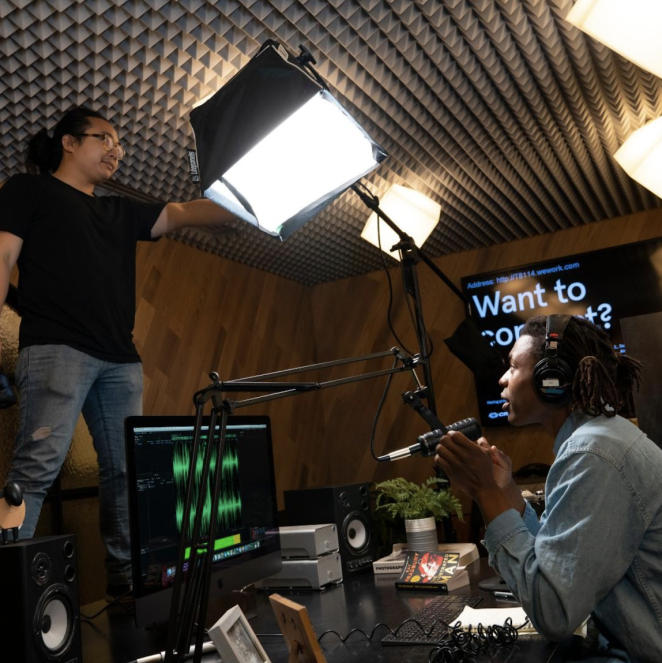 LocalEyes started in the US back in 2018, and today we run our own crews in 10 metropolitan markets, from New York City and LA to San Diego, Miami, Chicago, Austin, Atlanta, Dallas, Boston, and Denver. What we are really built around is a simple idea: most companies do not need another video, they need the right ones, working together to generate ROI. So we do not sell shoot days. We sell finished video programs according to your KPIs. One coordinated production, and a client walks away with a whole set of assets built to do a job.
What was the biggest challenge to the growth of your company?
Honestly, the biggest challenge has been that we get found by people shopping for a day rate, when what we actually do is a complete partnership program. Someone emails asking what we charge for a videographer, and the work in front of us is a multi-day shoot cut into a dozen finished videos. Helping people see the difference between a shoot and a coordinated production is a constant. The other challenge is quality at a distance: building our own crews and editors in 10 markets so a three-city project comes back looking like one film took years to get right.
Which was the first huge success that you can remember?
A big one for me was the first time our work was recognized with an Emmy. You spend the early years just trying to make every project excellent, and that kind of recognition told us the craft was landing at the highest bar. The other early milestone was less a trophy and more a signal: watching real brands (the kind of names people know, like Amazon, Microsoft, Coca-Cola, Cisco and Gucci) start trusting us with the videos their business actually depended on. That was the moment it stopped feeling like freelance work and started feeling like a company.
What's the biggest opportunity for you and your company in the next year?
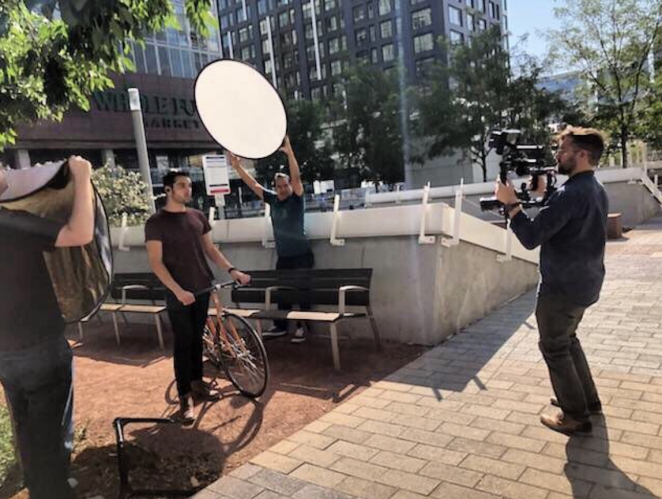 The opportunity is that marketing teams are finally judging video by what it drives, not by how pretty it looks. That plays exactly to how we work. Over the next year the biggest thing for us is deepening the 10-market model, so a company can run one program with us and get the same standard whether we are filming in Boston, Dallas or San Diego. More assets from one production, less duplicated effort, and video that actually moves the pipeline. That is where we want to be pushing.
Can you explain your team's creative process? What makes it unique?
Everything starts with a question most video companies skip: what does this need to do? We call our approach the LocalEyes Blueprint. First is goal-first alignment, where we start from the business objective, later we help with the creative and approach. Then we build the actual and personalized Video Blueprint, a strategic document the client owns before anyone picks up a camera, so there are no surprises on set or in the edit. Then production runs to one standard across every market. One shoot is scoped to hand back the hero film plus every cutdown and vertical a channel needs, usually within 3 to 4 weeks.
How does your team remain inspired and motivated?
For us it comes down to caring whether the work actually worked. It is easy to make something that looks nice and forget about it. We would rather hear that a client's product sales jumped or that a campaign brought in a real pipeline. When your scoreboard is results and not just applause, the team stays sharp, because every project has something real riding on it. Getting to do that across different cities and industries keeps it fresh too.
How has COVID-19 affected your company?
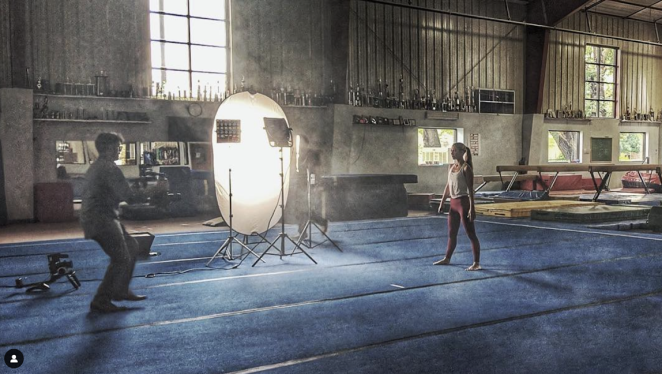 Like everyone, we had to adapt fast. Because we work through local crews in each market rather than flying one team everywhere, we were able to keep productions moving when travel got complicated, using the people who were already in each city. If anything, it reinforced the model we had bet on: local presence, everywhere, rather than one crew on a plane.
Which agencies do you gain inspiration from? Do you have any heroes in the industry?
Less about one hero for me, and more about a mindset. I am drawn to the people and studios who treat commercial work with the same care as film, the ones who can make a two-minute brand piece feel like it matters. Documentary storytellers especially, because they earn emotion honestly. I would rather borrow that discipline than copy any single agency's look.
What is one tip that you would give to other agencies looking to grow?
Sell the outcome, not the shoot. The moment you can talk about what your work does for a client's business instead of what you charge for a day, you stop competing on price, and you start attracting a completely different kind of client.
How do you go about finding new clients/business? (Pitching, work with retainers, etc.)
Most of it is reputation and referral. After 8 years, 3,900 videos and 500+ five-star reviews, a lot of new work comes from people who saw what we did for someone else. We are also unusually direct about how we work: our programs run from $8,000 to $30,000, and we say that up front instead of hiding it behind a form. That honesty pulls in the right buyers and screens out the wrong ones. And more than half of our clients come back for a second program, so a good chunk of growth is simply taking care of the ones we already have.
What's your one big hope for the future of the industry?
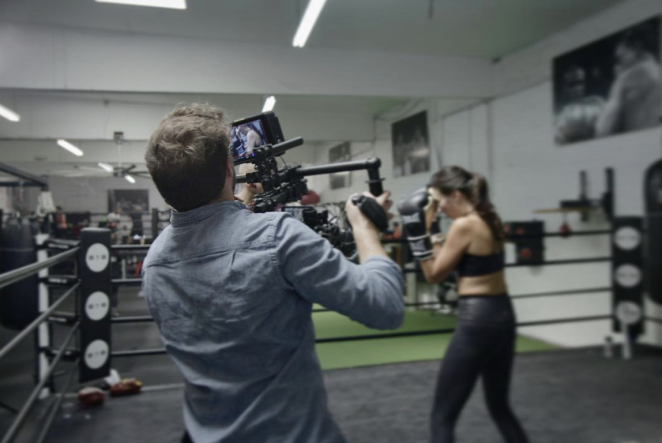 My hope is that the industry keeps moving away from selling video by the day and toward being accountable for what it produces. When more companies buy video the way they buy any other performance channel, judged on results, the whole craft gets better, budgets get healthier, and the work gets to matter more. That is a good future for everyone in it.
Can you share a defining moment in your company's journey that shaped its identity or direction?
The defining moment was deciding what we were not. For a while we could have been just another company that shows up and shoots whatever you ask for. The shift came when we looked at the work that actually succeeded and saw it was always the same shape: one coordinated production that produced a whole library of assets, not a single video. So we rebuilt the company around that. Programs, not shoot days. It narrowed who we are for, and it made everything we do sharper.
How do you foster a culture of innovation and experimentation within your team?
Innovation for us is less about chasing trends and more about protecting the standard while we improve underneath it. Because we run our own crews and editors across every market, we can test a new approach in one city, see if it holds up against real results, and roll it out everywhere once it does. The Blueprint gives everyone a shared starting point, which frees people to experiment inside a project without the whole thing falling apart. Structure first, then room to play.
What measures do you take to ensure diversity and inclusion are prioritised within your company?
A lot of it is built into how we are set up. Because we hire local crews in 10 markets rather than sending one team everywhere, the people making our work come from very different cities, backgrounds and communities, and that range shows up on screen. We also work across a lot of industries and audiences, so telling stories that authentically reflect the people in them is part of doing the job well. Casting and crewing that reflect the real community is something we pay attention to on every shoot.
Can you describe a project that challenged your team creatively and how you overcame any obstacles?
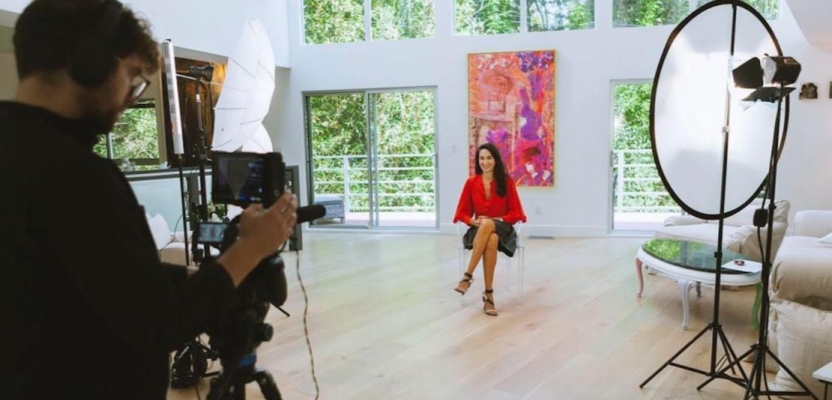
One that stands out is a cinematic brand commercial we made for Aceso. The brief was ambitious: it needed to feel like a short film, not an ad, which meant sweating every choice on lighting, lenses and camera movement to build the right mood. The challenge on a piece like that is always the same, keeping it beautiful without losing the point it has to make. We actually broke the whole process down publicly afterward, because we were proud of how the craft and the message ended up serving each other rather than competing.
How do you balance maintaining your company's unique creative voice while meeting the diverse needs of clients?
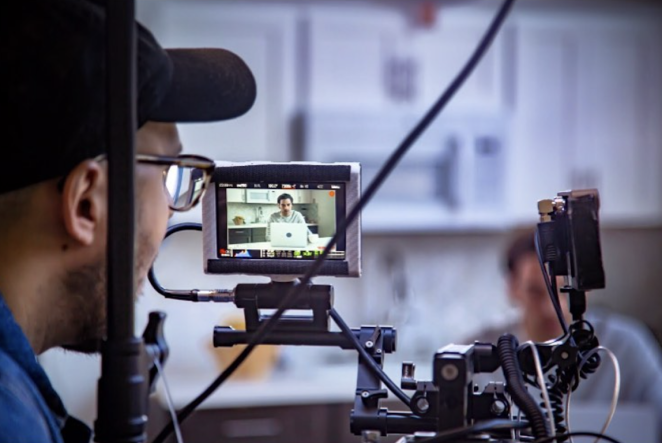 Our voice is not a look, it is a way of thinking, so it travels well. Whether we are making a polished brand film like the one we did for Vindeket Foods or a straight-ahead customer testimonial, the through-line is the same: start from what the client needs it to do, then find the most honest, well-crafted way to do it. We do not force every client into one house style. The consistency people feel is the standard and the strategy underneath, not a filter on top.
What strategies do you employ to adapt to changes and trends in the industry while staying true to your company's values?
We treat trends like tools, not orders. Vertical video, short form, whatever the platform of the moment is, we will use it, but only in service of the goal. Our value is that the work has to perform, so a trend earns its place by helping a video do its job, not because everyone else is doing it. Practically, that is why we scope one production to produce every format a client's channels need, so we can meet people wherever they are watching without shooting five separate times.
Can you share a memorable client success story that exemplifies your company's approach and impact?
One I always come back to is NewAir. We produced video for them, and they saw a 90% increase in online product sales. That is the kind of result that makes the whole approach click, because it was never about the video for its own sake, it was about moving their business. Stories like that are why we scope everything the way we do. When a client can point at real numbers and say the work paid for itself many times over, that is the success that matters to us.
In what ways do you invest in the professional development and growth of your team members?
Our people grow by range. Working across 10 markets and a lot of industries, in one year a director or editor will touch more kinds of projects than they would in several years somewhere more narrow. We are deliberate about pairing people across markets so standards and techniques spread instead of staying siloed in one city. The best development we can offer is a steady stream of demanding, varied work and a high bar to hit on all of it.
How do you approach sustainability and ethical practices within your company's operations and projects?
On sustainability, the honest answer is structural. Because we get a whole set of assets out of one coordinated production instead of booking repeat shoots, there is simply less to it: fewer shoot days, less gear hauled around, less waste. And using local crews in each market means we are not flying a team across the country for every project. On the ethics side, our rule is that we only ever put real, verified results in front of a client. No inflated numbers, no invented figures. If we cannot stand behind it, it does not go out.
Can you discuss a time when your company had to pivot or innovate in response to unforeseen challenges, and what lessons did you learn from that experience?
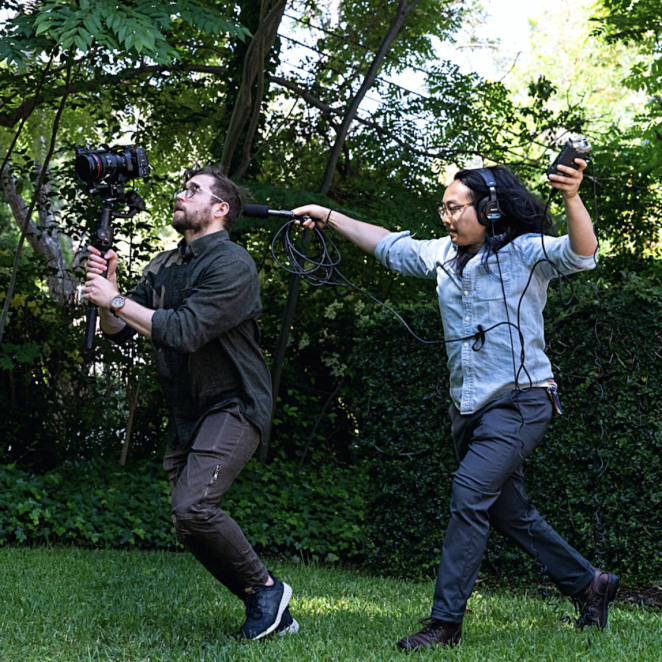 One real pivot was going all in on having our own crews and editors in every market, rather than treating each city as a one-off. Early on, consistency was the hardest promise to keep, because a program shot across three cities could easily come back looking like three different companies made it. Fixing that meant building dedicated teams and one shared standard in every market. It was slower to set up, but the lesson was simple: if the promise is one film across many cities, you have to own what makes it consistent, not leave it to chance.
Do you have any websites, books or resources that you would recommend?
A few I recommend a lot. For anyone in video, Robert McKee's Story is still the foundation for understanding why a piece moves people. On the marketing side, April Dunford's Obviously Awesome changed how I think about positioning, and Donald Miller's Building a StoryBrand is a simple, useful lens for message. For staying current on the craft, No Film School is a good daily read. Different corners of the same job: tell a true story, and make it land.