
Ayman Zahid is a Graphic Designer and Illustrator based in Doncaster, England, whose creative practice brings together illustration, typography, branding and culturally inspired design. Having discovered digital creativity alongside his longstanding passion for drawing and painting, Ayman went on to study Graphic Design at Sheffield Hallam University while building experience through freelance projects, placements and community-focused work.
Named the D&AD New Blood: The Portfolios Winner 2026, Ayman has already built a varied portfolio spanning branding, editorial, illustration and motion. In this interview, he shares how his background and international experiences have shaped his approach to design, the creative tools and technologies he relies on, what he believes makes an exceptional creative, and his advice for students and emerging designers looking to establish themselves in the industry.
How did you first get into the industry?
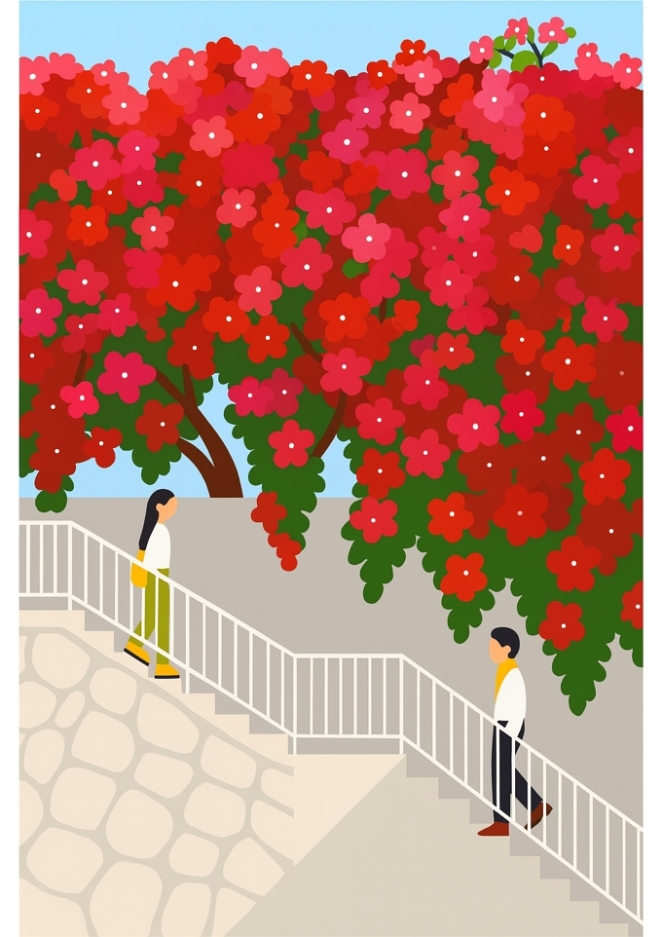 I've always been creative, painting on canvas and drawing on paper for as long as I can remember, long before I thought of it as a career. It was my partner who first encouraged me to start creating digitally, which opened up a completely new way of working for me. Getting into Sheffield Hallam University for my BA (Hons) Graphic Design is really what started my professional journey, turning something I'd always done for myself into a genuine practice and career path.
Where are you based now and who do you work for?
I'm based in Doncaster, England. Alongside my degree, I work as a Graphic Designer and Social Media Manager for HealthyHer Doncaster, a non-profit organisation, where I develop visual identities, campaign graphics and marketing content. I also take on freelance illustration and branding projects, and I've gained additional client experience through a placement at Finger Industries.
What is your personal background and what role did it play in your career?
I was born in Pakistan and spent my early years there before moving to the UK in 2014. Growing up in Pakistan, I was always drawn to visual culture, whether that was illustration, typography or storytelling through imagery. That interest, combined with studying Graphic Design formally at Sheffield Hallam, shaped a practice that's rooted in culturally inspired, community-focused design. Projects like my international collaboration with students in Malaysia and my internship in Sweden have also pushed me to think about design as something that connects people across different backgrounds, which has become central to how I approach my work.
What's the work achievement you're most proud of?
Being named the D&AD New Blood: The Portfolios Winner 2026 is the achievement I'm most proud of. It's an internationally recognised award, and to be selected among such a competitive field of emerging creatives while still studying felt like real validation of the direction I've been pushing my portfolio in.
As someone with experience in the industry, what trends do you foresee shaping the future of creativity?
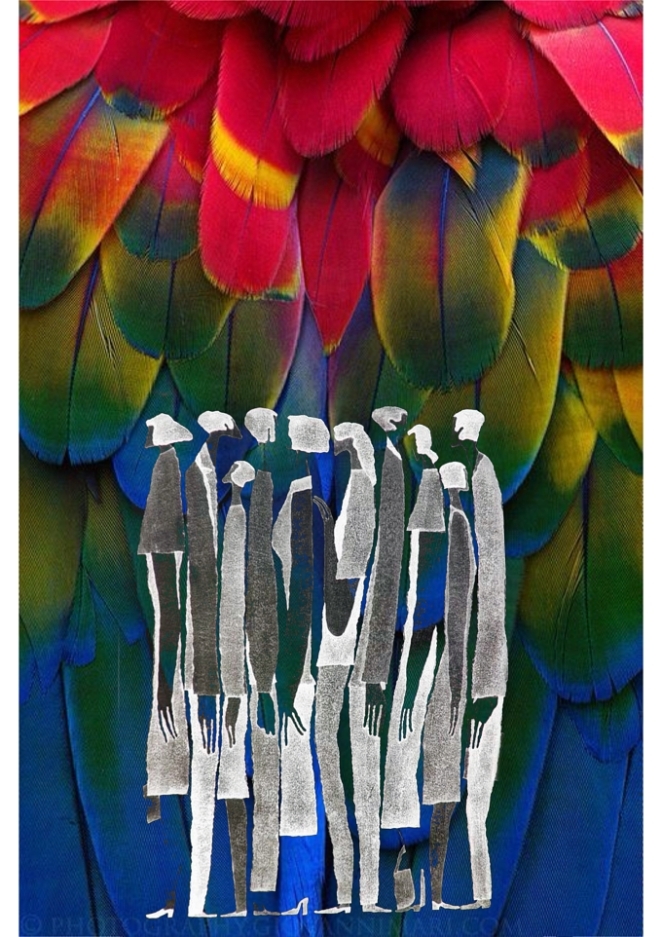 I think we'll keep seeing AI tools embedded into everyday workflows, but less as a replacement for creative thinking and more as a fast way to prototype and explore ideas before the real craft goes in. I also expect culturally specific, community-led design to grow in importance, brands and institutions increasingly want work that reflects real, diverse voices rather than generic global aesthetics, which is very much the space I want to keep working in.
What do you think sets apart truly exceptional creatives from the rest of the pack?
Curiosity and consistency. The designers I admire most are the ones who keep experimenting even after they've found a style that works, and who follow through on ideas rather than leaving them at the concept stage. Being able to take feedback from real client briefs, like the ones I worked on during my placement at Finger Industries, and adapt quickly is just as important as raw creative talent.
How do you think technology has influenced the creative industries and how have you adapted to these changes?
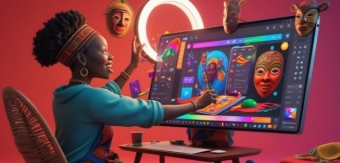
Technology has completely changed the pace of design, tools like Figma make collaboration and iteration far faster, and Procreate and Procreate Dreams have opened up illustration and animation work that would once have needed a much bigger studio setup. I've tried to stay adaptable by learning across both traditional design software, Illustrator, Photoshop and InDesign, and newer illustration and motion tools, so I can move between branding, editorial and animated work depending on the brief.
What is the one thing that you would change about the industry?
I'd like to see more accessible entry points for students and emerging creatives, particularly around paid placements and international opportunities. My internship in Sweden and placement at Finger Industries were genuinely career-shaping experiences, and I think more of that kind of access, rather than unpaid work, would help a much wider range of people break into the industry.
Any websites, books or resources you would recommend?
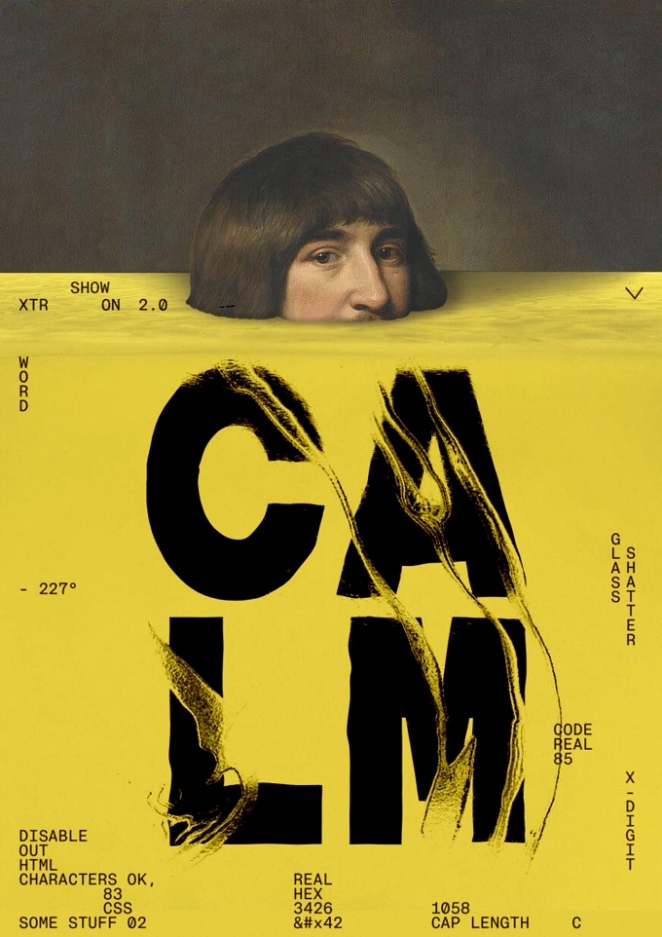 Creativepool and Dribbble have both been brilliant for getting feedback and exposure to new work. D&AD's New Blood programme is also a fantastic resource for students specifically, both for the brief itself and the wider network it opens up.
If you weren't in your current industry, what would you be doing?
I'd probably be doing something in photography or fine art, both areas I've drawn on for illustration work like my children's book project and my international magazine feature. The overlap between illustration and photography has always interested me, so I think I'd have ended up somewhere in that visual space regardless.
Can you explain your creative process? What makes it unique?
I usually start with research into the culture, community or story behind a brief, that's been central to projects like my UK-Malaysia collaboration and the Bawtry Festival rebrand. From there I sketch loosely, often in Procreate, before moving into Illustrator or InDesign to refine typography and layout. I think what makes it unique is that I try to keep a hand-drawn, illustrative quality even in more formal branding work, rather than letting the process become purely digital and clinical.
How would you describe your style?
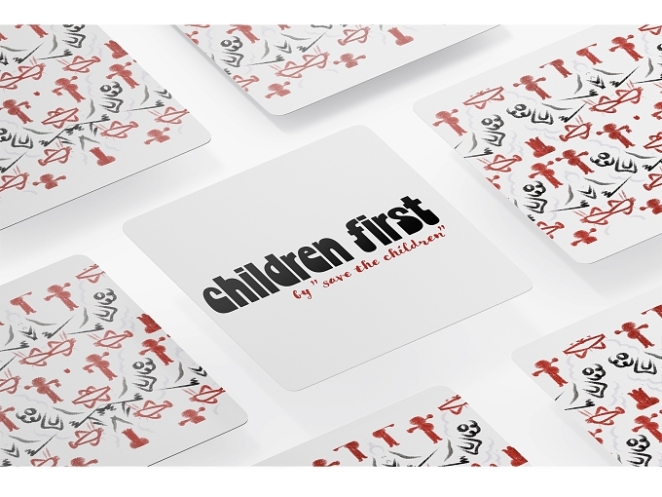 Culturally inspired and illustrative, with a strong focus on typography. I like blending bold, hand-crafted illustration with clean, considered layout, so the work feels personal and expressive without losing clarity or professionalism.
Which individuals do you gain inspiration from? Do you have any heroes in the industry?
I take a lot of inspiration from the wider design community I've connected with through Creativepool and Dribbble, seeing how other illustrators and designers approach culturally rooted work pushes me to keep developing my own voice. Tutors and collaborators from my time at Sheffield Hallam, and the students I worked with during my Sweden internship and Malaysia collaboration, have also shaped how I think about design as a genuinely collaborative process.
What tips would you give to aspiring creatives looking for work?
Enter as many competitions and live briefs as you can while you're still studying, they're some of the best ways to build a portfolio with real credibility. Placements matter too; my time at Finger Industries taught me things about working to client briefs that I couldn't have learned from coursework alone. And put your work out on platforms like Dribbble and Creativepool early, even before you feel fully ready.
What tips would you give to other professionals to get more clients?
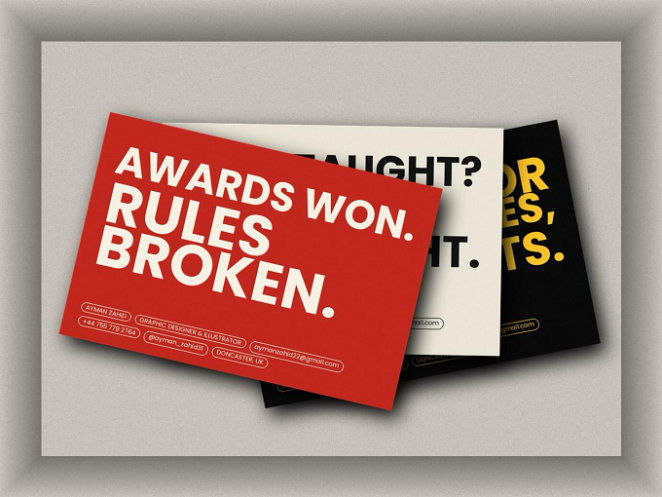 Show a range of real, applied work rather than just concept pieces, clients want to see that you can solve an actual brief, not just create nice visuals. Being active on platforms like Creativepool and Dribbble and engaging with the community there has brought me opportunities I wouldn't have found otherwise, including this feature.
Can you share a memorable experience from your career journey that shaped your approach to creativity?
Working on the international collaboration between the UK and Malaysia was a real turning point for me. Designing alongside students from a completely different cultural context pushed me to think much more carefully about how imagery and symbolism can be read differently across cultures, and that awareness has stayed with me in every project since.
What kind of tools/kit/software could you not do without?
Procreate for illustration, it's where almost all of my initial ideas take shape. From there, Adobe Illustrator and InDesign are essential for refining branding and layout work, and Figma has become important for anything that needs to be collaborative or move into a digital product context.
What's your secret to staying inspired and motivated?
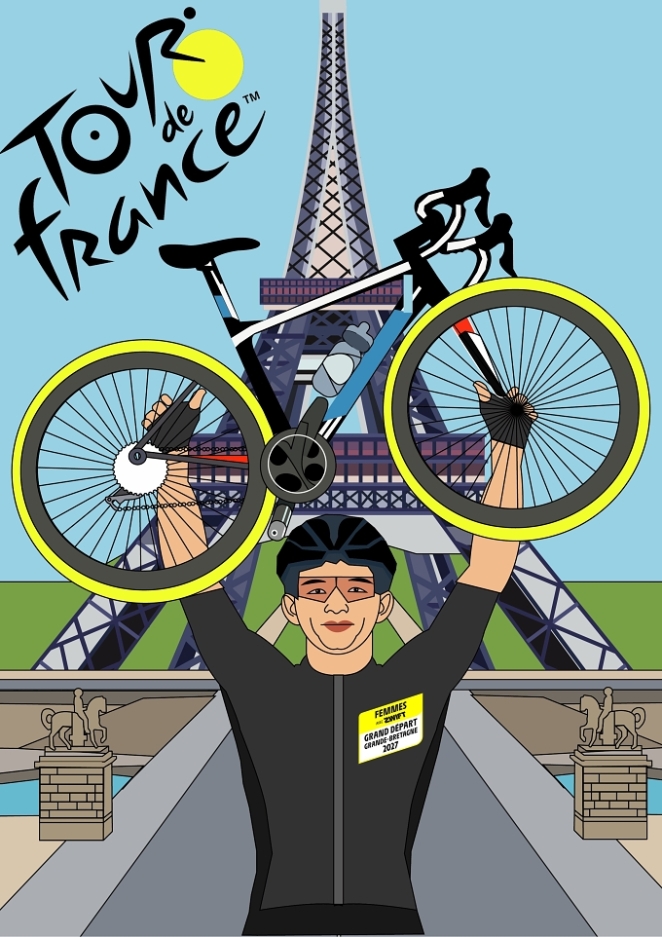 Keeping a mix of personal and client work on the go. Personal projects, like entering competitions or illustrating for fun, keep the creative side alive, while client and placement work keeps me grounded in solving real problems. Being part of communities like Creativepool and Dribbble also helps, seeing other people's work is a constant source of new ideas.