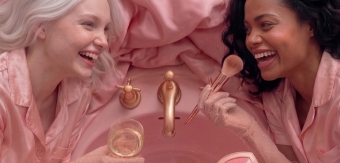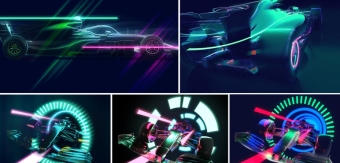

For Anna Orlovska, a career in hospitality graphic design grew from an unusual combination of architecture, interiors, visual merchandising and a fascination with the short-term rental industry. After discovering her niche while on maternity leave in 2020, she began offering freelance design services to hospitality and short-term rental clients, turning her creative interests into an international career.
Now based in Italy and working with private clients around the world, Anna brings together architecture and graphic design to create brand identities, printed materials, architectural visualisations, floor plans and hand-painted illustrations. In this interview, she shares how she found her niche, developed her minimalist design approach, built lasting client relationships, stays inspired and uses technology and AI while keeping the human side of creativity at the heart of her work.
How did you first get into the industry?
 I found my niche as a graphic designer in the hospitality industry in 2020. At the time, I was on maternity leave and thinking about how I could combine my background in architecture with my passion for design. I was also fascinated by the short-term rental industry and wanted to become part of it, even though I didn't own a property myself.
That's when I came up with the idea of creating design services specifically for short-term rental hosts. I started working as a freelance designer, and over the years it has grown into a career I truly love.
Where are you based now and who do you work for?
I've been living in Italy for the past ten years and work independently as a freelance designer with private clients from all over the world.
What is your personal background and what role did it play in your career?
You could say my creative journey started in childhood - I loved drawing from a very young age. Later, I earned a Master's degree in Architecture and worked in furniture and interior design.
My career then took an unexpected turn when I became a Visual Merchandiser for Marks & Spencer. For several years, I also worked as a personal stylist with private clients.
Looking back, creativity has always been the common thread throughout my life. It has simply taken different forms over the years.
If you weren’t in your current industry, what would you be doing?
 I think I would probably be a coach or mentor. I genuinely enjoy recognizing people's strengths, helping them discover their talents, and encouraging them to move in the right direction.
Can you explain your creative process? What makes it unique?
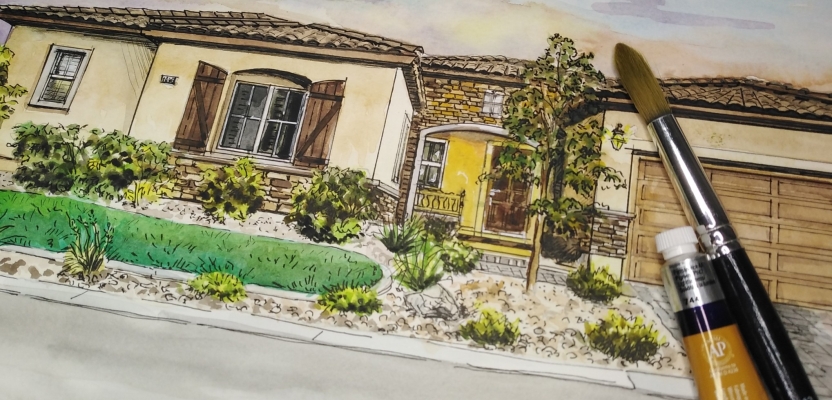
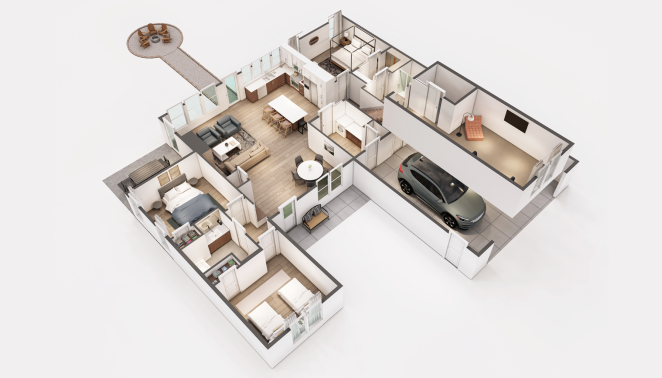
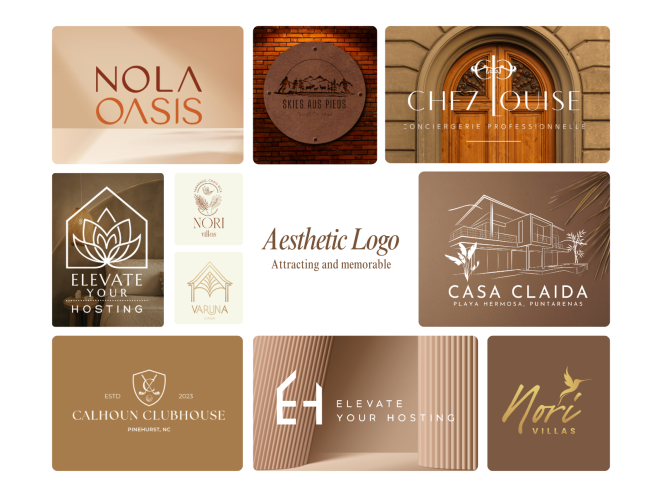
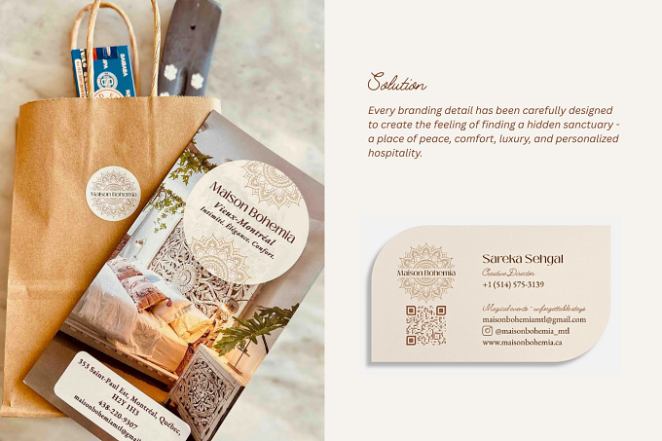
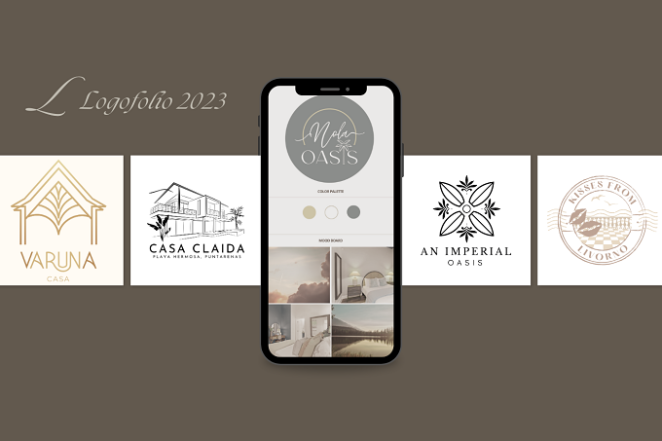
That's not an easy question to answer briefly because my work is very diverse. I create brand identities, printed materials, architectural floor plans and visualizations, and even hand-painted watercolour house portraits.
I see myself working at the intersection of architecture and graphic design. Every project starts with understanding the client's goals and then finding the clearest and most visually compelling way to communicate them.
How would you describe your style?
Minimalist, clean, and intentional. I believe that good design doesn't need unnecessary decoration - every element should have a purpose.
Which individuals do you gain inspiration from? Do you have any heroes in the industry?
 I don't really have one particular hero. What inspires me most are designers from all over the world.
Browsing designers' work over my morning coffee has become part of my daily routine. One day I'm studying architects, the next I'm admiring children's book illustrators. My curiosity jumps between different creative disciplines, and I think that's what keeps my work fresh.
What tips would you give to aspiring creatives looking for work?
Invest in your personal brand. Make time to promote yourself every single day, no matter how busy you are.
Building a creative career is a long game. Results rarely come overnight, so patience, consistency, and persistence are just as important as talent.
What tips would you give to other professionals to get more clients?
Don't focus on getting as many clients as possible. Focus on building relationships with clients who come back again and again.
Empathy and genuine communication matter more than people often realize. Even if you've never met your clients in person and work entirely online, they can still feel your attitude and professionalism.
Can you share a memorable experience from your career journey that shaped your approach to creativity?
 One of the biggest lessons I've learned is that creativity grows when you stop trying to fit into someone else's expectations. Choosing a very specific niche - design for hospitality and short-term rentals - gave me the confidence to build something that truly reflects who I am and what I enjoy creating.
What kind of tools/kit/software could you not do without?
Definitely my computer and iPad.
I use Adobe Illustrator, Photoshop, Canva, and Procreate almost every day. Each tool has its strengths, and together they allow me to move seamlessly between technical drawings, branding, illustration, and digital design.
What’s your secret to staying inspired and motivated?
The secret is simple - I genuinely love what I do.
What’s the work achievement you’re most proud of?
 My returning clients. Knowing that people trust me enough to come back with new projects is the most rewarding achievement I could ask for.
As someone with experience in the industry, what trends do you foresee shaping the future of creativity?
I see two major directions emerging.
The first is everything powered by artificial intelligence. The second, almost as a response to it, is work that celebrates the human touch - ideas, craftsmanship, and creativity created by people rather than algorithms.
Personally, I'm drawn more to the second direction, although I happily use AI to speed up parts of my workflow and make my process more efficient.
What do you think sets apart truly exceptional creatives from the rest of the pack?
Persistence, self-belief, and consistency.
Exceptional creatives simply keep going, even when results aren't immediate. Many people give up too soon, but those who stay committed eventually build something meaningful.
How do you think technology has influenced the creative industries and how have you adapted to these changes?
 I love living in this era of technology. I'm endlessly curious about new software and digital tools, and I genuinely enjoy learning how they work.
Rather than seeing technology as a threat, I see it as an opportunity to become a better and more efficient designer.
What is the one thing that you would change about the industry?
I'd love to see less price dumping on freelance platforms. The race to the lowest price often undervalues the knowledge, creativity, and strategic thinking that professional designers bring to their work.
Any websites, books or resources you would recommend?
Learn from real people.
Read interviews with other creatives, explore their work, and discover how they think. And don't hesitate to share your own knowledge and experience with others - it's never been easier to contribute to the creative community.