
Graphic designer and digital illustrator Marcos Behrens has built a diverse creative career spanning advertising, branding, event design and illustration. From starting out in advertising agencies in Brazil to freelancing in Scotland and developing his own illustrative style, his journey has been shaped by curiosity, collaboration and a willingness to move between disciplines. His work has included projects for major global brands and events including Coca-Cola, FIFA World Cup, World Athletics and the Olympic Games.
In this interview, Marcos shares his approach to graphic design and illustration, from his agile and collaborative creative process to the influences behind his vibrant, retro-futurist style. He also discusses building a creative portfolio, finding clients in a competitive industry, staying inspired, adapting to new technology and AI, and why he believes creatives should focus on original thinking rather than simply following trends.
How did you first get into the industry?
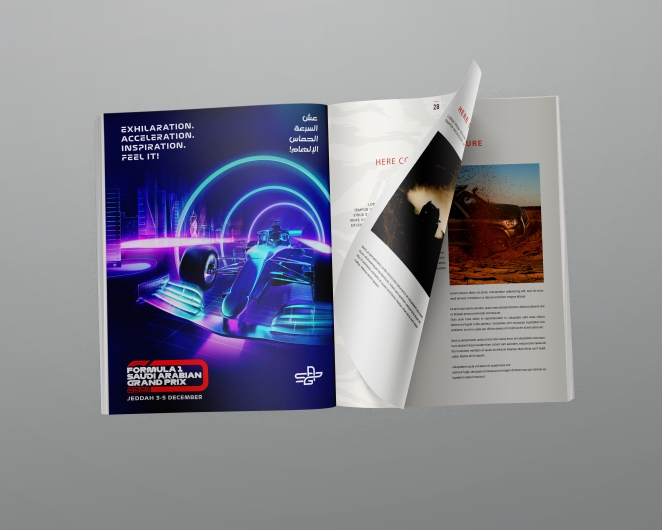 I have started in Advertising in 1999, still halfway through university. At the time, I joined a few small and medium agencies doing mostly low-budget campaigns, retail catalogues and small classified ads. There weren’t much room for creativity however the good thing about that is that start to build resilience and will to overcome constraints.
My first big break was in 2002. I took part in a competition that would the award the top 20 with an internship in the best Advertising agencies in Rio. I was shortlisted in that competition. Just before the announcement, I had managed to get an internship in one of agencies of the pool through a recruitment process.
However, at the award ceremony, I was placed at a different agency that was getting a lot of attention in recent years. The next day I asked my boss for advice whether I should stay or go after just a few weeks on the job. And he said: “Do you want me to answer as friend or as the Lead Creative?” And then he advised me to take the job and it was a lovely time in my career: I stayed on the job for 4 years, learning from some of the top minds of the market, doing amazing campaigns and get nominations for a few awards in the process.
Where are you based now and who do you work for?
I moved to Scotland in 2017. I lived and work for brief period of time in Northern England but I came back to Glasgow in 2023 where I feel at home.
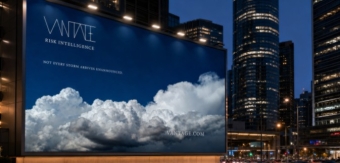
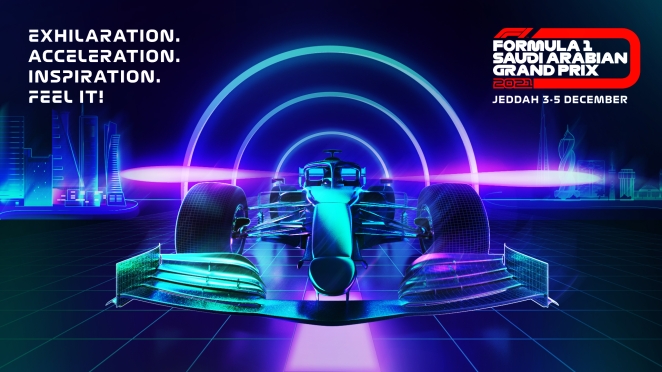
Since them, I have been freelancing, doing projects of both local and global reach, most within the sport, culture and events industries such as World Athletics Glasgow 2024 Brand illustrations and identity, Orkney 2025 and Tall Ships Race Aberdeen 2025 Event dressing and Activations, Glasgow International Arena (formerly Emirates Arena) new signage, and creative projects in my local area, dialoguing with BIDs and charities.
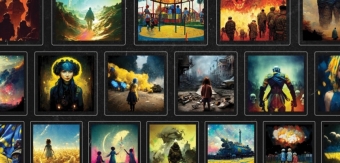
I am also setting up my own studio identity focused on illustrative design and creating my signature illustration style that have been recognised with 2 selections for Lürzer’s Archive 200 Best Digital Artists Vol.7 & 8.
What is your personal background and what role did it play in your career?
I am originally from Brazil, now settled in Scotland. Although, I am well established, happy and adapted here, I do miss my homeland and culture of Rio. I harvest those feelings and influence and pour it into my creativity to create design that are relevant here but rooted in Brazil through style, colours and thinking.
I have a creative diverse background. I started in Advertising and moved to graphic design, branding and event design, also jumping from industries and disciplines to fulling express my need for creative and learn in the process.
If you weren’t in your current industry, what would you be doing?
 I have always believed that it is important to jump to one industry to another. It forces you to learn, research, explore more and get out of the comfort zone. Finding new and better solutions is what creativity is all about. I have done that a lot in the beginning to middle of my career and it helped building my creative character. However, back in the day, the market was more open to change than it is today and swapping was easier.
Today, I feel everything is. Niched and you are supposed to pick one and stay there forever. I don’t agree with that. Growth doesn’t come by doing the same thing over and over again.
If I was able to do something different, I would like experience in food and beverage and tourism. I have been doing sports and events for more than 13 years now and I feel I could benefit from something a little bit different.
Can you explain your creative process? What makes it unique?
My process is agile and collaborative. It works well with clients as they feel part of it and not just an “approver’. My creative process is often non-linear and it helps to ground it by breaking it up in smaller stages and frequent sharing and communicating. It usually involves: initial research, concept and strategy, creative thinking and referencing before actual design takes place. It helps making creative times more efficient and reduced amending and rejection as we are all working together.
How would you describe your style?
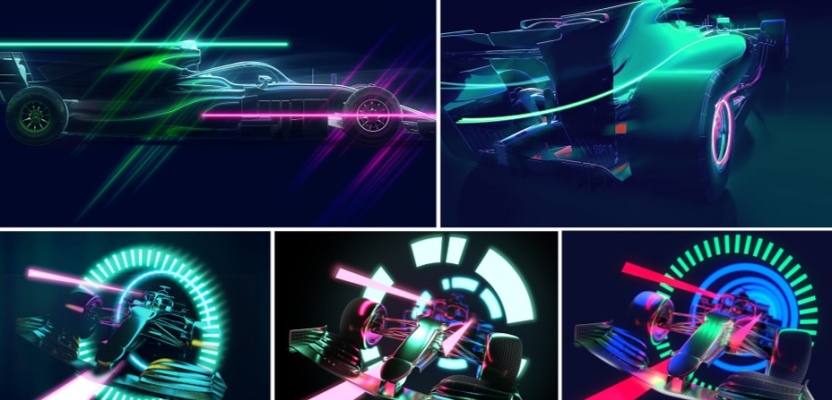
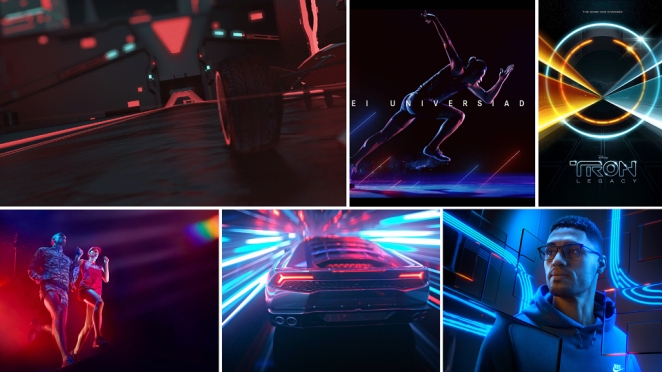
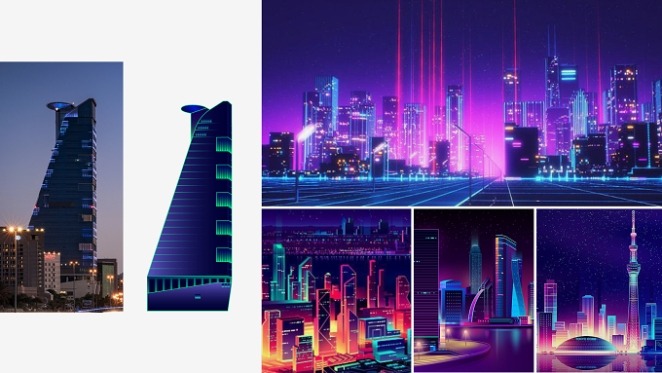
I am 80s kid so that period has a big influence in my style. I love vibrant colours and neon style and contrast. I quite enjoy futurism and the image I had in my mind of what futurism meant in the 80s and 90s. Today, I enjoy the relationship between retro and futurism. What these concept mean for different generations. What futurism means to me may feel quite retro today. For instance, the film Back to the Future is set in 2015 however 2015 felt nothing like it. There are not flying cars, but the movie failed to predict things like social media and AI.
Also, I grew up in a form in the mountain region of Rio de Janeiro surrounded my rain forest, hills and rivers so nature and the organic world has a huge influence in how I design and think.
Which individuals do you gain inspiration from? Do you have any heroes in the industry?
 There are a number of illustrators that I follow that are very inspiring to me such as Malika Favre, Riccardo Guasco and Sheppard Fairy. With my work being illustration driven, I have also looked up to them. On the branding side of my work, I am proud to have had worked and met with great and influential designers from Brazil such as Fred Gelli, Ricardo Bezerra and Ana Couto.
What tips would you give to aspiring creatives looking for work?
Portfolios are the creative’s greeting card but more important than having a well-craft and polished works is to be strategic about. We often get attached to some of the work we do so be ready to kill the darlings and focused on projects that showcases your best skills and support your wider vision and pitch as a creative.
What tips would you give to other professionals to get more clients?
In a very saturated market, focus in fostering relations, meeting new people and building your brand and trust. There is a lot of competition out there and you can by-pass it by having stronger relations with prospects. In the end of the day, clients are not buying off the shelf, they are buying a collaboration. So, you will stand out if you can build that empathy.
Can you share a memorable experience from your career journey that shaped your approach to creativity?
 Throughout my career, I relayed periods of full-time employment and freelance. In all my experience in agencies in Rio years 00s, I felt that often, there was an arms wrestle between what designers/creatives directors wanted and what account people/client wanted. I never liked that common 3-route near finished offering hoping the client will pick one.
When I am freelancing, I take another approach: I bring the client to the table. I create agile and collaborative processes, building a clear brief together, effective feedback sessions and designing one strong route once we reach an agreed concept design strategy. This approach is inclusive, saves time and frustration and keeps creatives and clients happy with great outcomes.
What kind of tools/kit/software could you not do without?
Adobe illustrator is my number one software for Illustration and design, Photoshop for photography and mockups but I am also exploring 2D motion with After Effects
What’s your secret to staying inspired and motivated?
While managing expectations, the trick is always be curious. I keep a mindset that every day, every job and every task is an opportunity to shine and make something new. But above all, have fun! Creativity thrives in happiness
What’s the work achievement you’re most proud of?
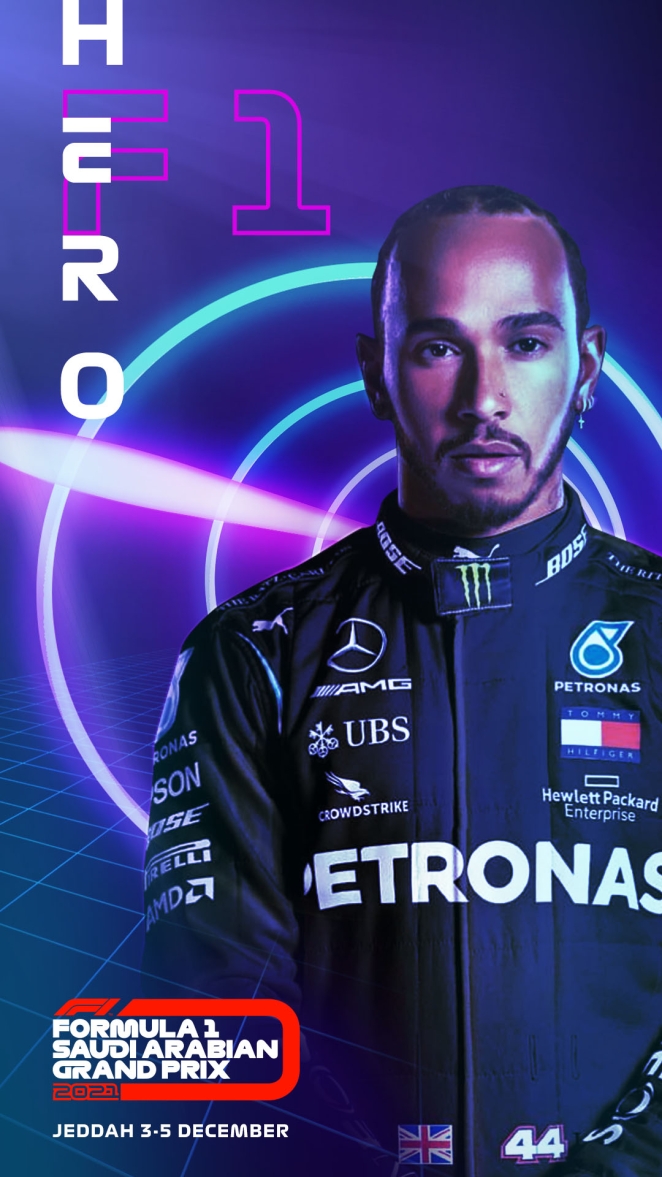 Over the course of my career, I have the privilege of working with big brands and global events such as Coca-Cola, FIFA World Cup, World Athletics and Olympic Games. All of these are great achievements but nothing makes me more proud than genuine consumer/spectator reaction to your designs. I have been privileged to overhear nice comments about the looks I created, spontaneous shares on social media or someone taking a selfie or a photo with something you created. That worth more than anything to me.
As someone with experience in the industry, what trends do you foresee shaping the future of creativity?
Trends can be useful to test a design system against what may or may not work with a particular audience. But to be honest, I am not keen on following trends. When I start a project, I am looking for ways to translate a brief and a client’s vision in a way that it connects to their audience. I wouldn’t go out there, pick a “trend” and design on it. I research and tailor my solutions collaboratively based on what I feel is relevant to the client.
I guess the trend I want to see is not needing to follow one.
What do you think sets apart truly exceptional creatives from the rest of the pack?
In an ideal world, a great designer will influence and set the “trends”, not just follow one. It is not always possible but that should be the mentality. Original thinking before re-versioning designs.
How do you think technology has influenced the creative industries and how have you adapted to these changes?
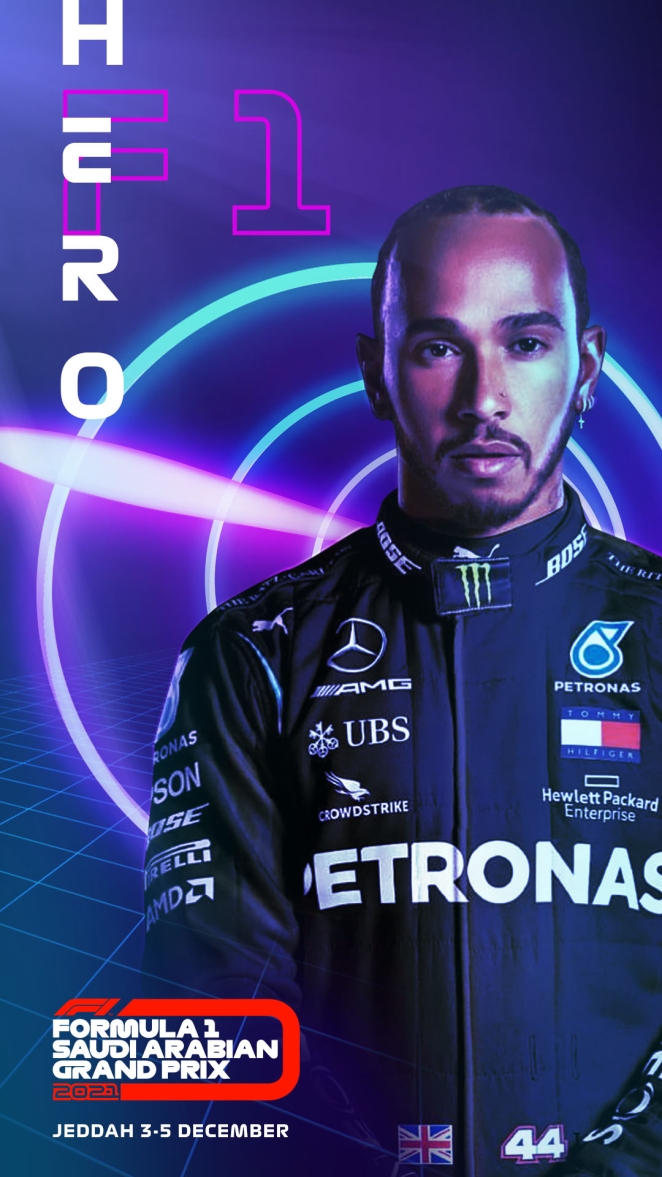 Technology has always impacted and influenced arts and design. When photography came to be, it changed the arts as it no longer need to portray something or someone to exact likeness. Art became more interpretive. Many iconic artists and movements would never have existed without that disruption. Similarly to a few other inovations such as computing, digital revolution, internet social media and now AI. I don’t fear losing my job to AI but it worries me that younger generations are becoming too dependent on new tech. Back in my day, we had to do everything and we developed skills on photography, art direction, illustration. Today, much is just handover easily. What if AI and other technology fail and ceases to exist? Would we still be able to do our job? They are just tools. We should use them, not be used by them.
What is the one thing that you would change about the industry?
I think we are, as an industry, overcompetitive. I think we could benefit of being less award obsessed. Some agencies literally stop in the lead up to award season to create award entries that in most of the time will never be seen by the consumer. That never set right in my mind.
And also. we need to see fellow creative and agencies as colleagues and not competition I wish we were a more collaborative and inclusive community to inspire generations to come, leading by example.