
For Felipe Hueb, creativity sits at the intersection of strategy, visual storytelling and a deep understanding of business. Based in Brasília, the Creative Director and Photographer has built a career that brings together engineering, commercial leadership, photography and creative direction, developing a distinctive approach shaped by both analytical thinking and visual sensitivity.
From his early experience introducing construction technology in Brazil to establishing his own company in Panama and creating a book for the Embassy of Portugal, Hueb has worked across disciplines and markets while developing a refined, cinematic visual style. In this interview, he discusses his creative process, the importance of building a personal point of view, the role of technology in the creative industry and why strong creative work still depends on judgment, originality and human insight.
How did you first get into the industry?
 My route into the creative industry was not a conventional one. I started in a commercial role at Bubbledeck Brasil, helping introduce an innovative construction technology to the Brazilian market. The company needed more than sales. It needed a clear identity, a website, institutional videos and communication that could translate technical information into something clients and partners could easily understand.
I became increasingly involved in those creative decisions and realized that my strongest contribution was connecting business thinking with visual communication. That experience became the foundation for my transition into branding and creative direction, which I later developed through Capital Criativa, photography and broader visual storytelling projects.
Where are you based now and who do you work for?
I currently live in Brasilia and run my own business, providing marketing consultancy for companies.
What is your personal background and what role did it play in your career?
My background combines engineering, business, project management, economics and photography. I originally studied Electrical Engineering, which gave me a structured and analytical way of thinking. Later, my work in commercial leadership and project management taught me how companies make decisions, communicate complex ideas and build credibility in the market. I also trained professionally in photography, which developed my attention to composition, light, narrative and visual detail.
That combination played a central role in my career. I never approached creativity as something separate from business. I learned to connect visual decisions with positioning, commercial goals and the way an audience interprets a company. It eventually led me into creative direction, where strategic thinking and visual execution need to work together. My experience across Brazil and other Latin American markets also made me more adaptable and aware of how context changes the way brands are understood.
If you weren’t in your current industry, what would you be doing?
 If I weren’t working in creative direction, I would probably be in the construction industry, leading a development or managing a business in the sector.
My background in engineering, business and project management makes that a natural path for me. I have always been interested in complex projects that require planning, coordination and clear decision-making. In many ways, that same mindset still shapes my creative work today: bringing different disciplines together around a clear vision and taking responsibility for the final result.
Can you explain your creative process? What makes it unique?
My creative process begins with attention. I spend time understanding the subject, the context and what the work needs to communicate before making visual decisions.
There is also a very personal side to it. I grew up in a family of artists, so creativity, observation and sensitivity to images were part of my environment from an early age. I believe I inherited a natural instinct for it, but I have also refined that instinct through experience, study and constant practice.
What makes my process unique is the combination of intuition and structure. I work with emotion and genuine love for what I do, but I also bring a strategic and analytical perspective to every project. The result is not based only on what looks beautiful, but on what feels coherent, distinctive and true to the idea behind the work.
How would you describe your style?
I would describe my style as refined, cinematic and intentional. I am drawn to strong composition, controlled light, depth and a certain sense of tension or quietness within an image.
Which individuals do you gain inspiration from? Do you have any heroes in the industry?
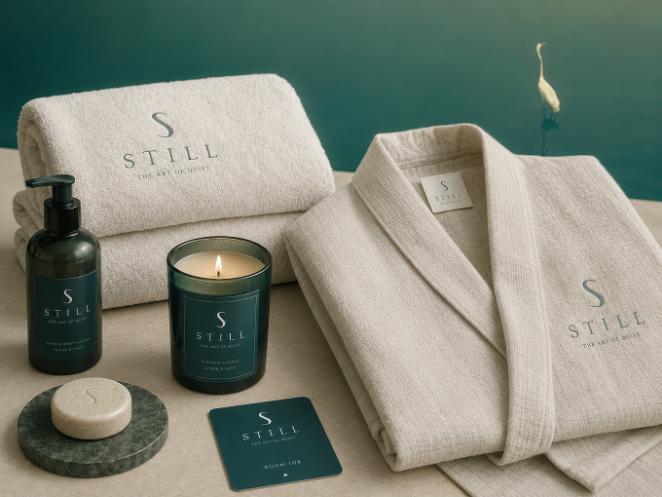 I do not really think in terms of heroes within the industry. I have many references across art, photography, design and visual culture, but I try not to follow any one person too closely. Different influences help me question my choices, expand my perspective and discover new possibilities, but the goal is always to develop a language that feels personal. I am more interested in understanding why a certain work is strong than in reproducing its style. Inspiration is important, but building an identity of my own is more important.
What tips would you give to aspiring creatives looking for work?
I would tell aspiring creatives to focus on developing a clear point of view rather than trying to look like everyone else in the industry. A strong portfolio matters, but so does the way you think, communicate and handle responsibility. Clients are not only looking for talent. They want to know that you understand the brief, make good decisions and can deliver consistently. I would also recommend studying beyond your own field. Art, business, architecture, cinema and culture can all strengthen your work. References are useful, but they should help you build your own language, not replace it. Be patient with the process. A career is built through repetition, discipline, relationships and the quality of the work you keep producing.
What tips would you give to other professionals to get more clients?
I would say that getting more clients begins with attention. People want to feel understood, not processed. Human contact, careful listening and genuine interest are essential. Before presenting a solution, you need to understand the client’s context, concerns and expectations. That often reveals what they really need, which is not always the same as what they first ask for. Good work is important, but trust is built through communication, reliability and the way you conduct the relationship. Clients remember the quality of the result, but they also remember how clearly you listened, responded and guided the process.
Can you share a memorable experience from your career journey that shaped your approach to creativity?
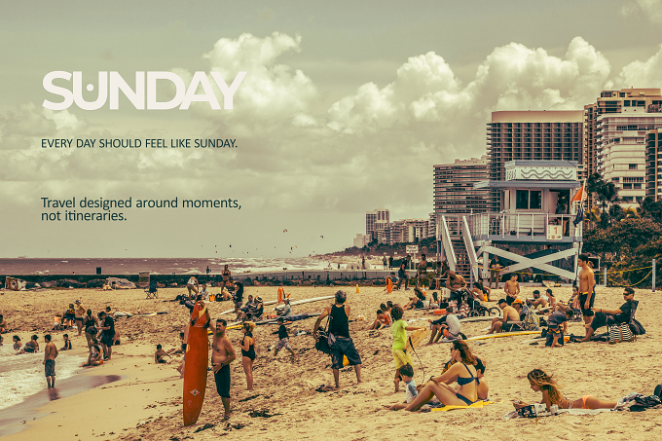 One of the most important experiences in my career was moving to Panama and opening my own company there.
Working in a new country, with large companies and higher expectations, pushed me beyond familiar solutions. The pressure was real, but it forced me to expand my creative thinking, become more adaptable and make decisions with greater confidence. That experience shaped the way I work today. I learned that creativity is not only about inspiration. It is also about responding to complexity, understanding different contexts and finding clear solutions under pressure.
What kind of tools/kit/software could you not do without?
I could not work without my camera and Photoshop. The camera is where the process begins. It allows me to observe, frame and translate an idea into an image. Photoshop is essential for refining that image, controlling details and bringing the final visual closer to what I originally imagined. They are simple tools, but they are central to the way I think and create.
What’s your secret to staying inspired and motivated?
My inspiration and motivation come from genuinely loving the work I do. I feel that I am exactly where I should be, and that gives me a strong sense of purpose. Of course, inspiration is not constant, so discipline also matters. I keep working, observing and developing ideas even when the process feels difficult. But the foundation is simple: I care deeply about the work, and that keeps me moving forward.
What’s the work achievement you’re most proud of?
 The achievement I am most proud of is creating a book for the Embassy of Portugal.
I was involved throughout the entire process, from the photography to the editing and final development of the book. It brought together many aspects of my work, including visual direction, storytelling, composition and attention to detail. What made it especially meaningful was the responsibility of translating the identity and cultural significance of the institution into a coherent publication. It remains one of the projects that best represents the way I approach creative work.
As someone with experience in the industry, what trends do you foresee shaping the future of creativity?
I see a growing excess of technology entering the creative industry. These tools can be powerful, but they will be most useful to professionals who truly understand their craft and know how to make thoughtful decisions. Technology can accelerate production, but it cannot replace judgment, sensitivity or a clear point of view. As more work becomes automated and visually similar, I believe the most authentic creatives will stand out.
The future will not belong simply to those who use the latest tools, but to those who use them with intention and still create work that feels original, relevant and human.
What do you think sets apart truly exceptional creatives from the rest of the pack?
What sets exceptional creatives apart is their ability to combine originality with strategy and clear positioning.
Creative talent alone can produce interesting work, but in a professional context, the work also needs to understand its purpose, audience and context. The strongest creatives know why they are making each decision and how that decision supports the larger idea. Without that clarity, the result may still be artistically strong, but it does not necessarily solve a communication or business problem. Exceptional creatives create with intention.
How do you think technology has influenced the creative industries and how have you adapted to these changes?
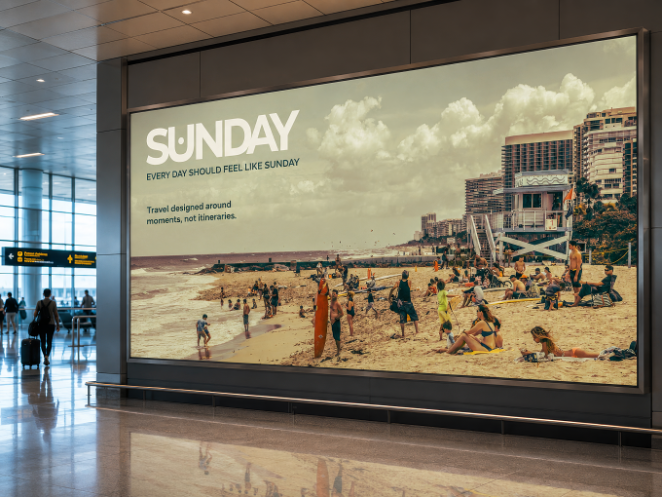 Technology has made the creative industries faster, more accessible and, in some ways, more competitive. It has expanded what we can produce, but it has also created a great deal of repetition, because many people are using the same tools in similar ways. I have adapted by remaining open to new technology while being selective about how I use it. I integrate a tool when it improves the process or helps me execute an idea more effectively, but I do not allow the technology to define the work. For me, the most important elements remain judgment, experience and a clear visual identity. Tools will continue to change, but strong creative decisions still depend on the person using them.
What is the one thing that you would change about the industry?
I would change the industry’s tendency to prioritize speed, trends and constant production over depth and originality. There is often too much pressure to create quickly and follow what is already working, which can make the work repetitive and reduce creativity to execution. I would like to see more value placed on research, strategy, authorship and the time required to develop a strong idea. The best creative work is not simply produced faster. It is built through judgment, experience and a clear point of view.
Any websites, books or resources you would recommend?
I am a great admirer of Seth Godin, David Ogilvy and several of the great figures in advertising. Their books are valuable because they go beyond technique. They explore ideas, positioning, human behavior and the discipline required to communicate clearly. I would recommend reading their work not to copy their methods, but to understand how strong creative thinking is built. I also believe it is important to look beyond the creative industry. Art, business, architecture, cinema and culture can all contribute to a more original point of view.