
In a crowded market where brands can easily start to look and sound the same, standing out often means challenging the conventions of the category. For Noramble founder Daniel Poll, that means questioning the insights, trends and visual cues that typically shape a brand, rather than simply following what the data says is already working. Founded in Manchester during the COVID-19 pandemic, the studio has built its approach around creating distinctive brands and packaging that deliberately move away from category clichés.
In this interview, Daniel Poll shares how Noramble has grown its creative studio, from finding its first global client to building a strong focus on packaging design and investing in SEO and thought leadership to reach new clients. He also discusses Noramble’s creative process, the importance of challenging ideas, building a culture without hierarchy, and why he believes brands can benefit from taking greater creative risks.
How was your company born and where are you based?
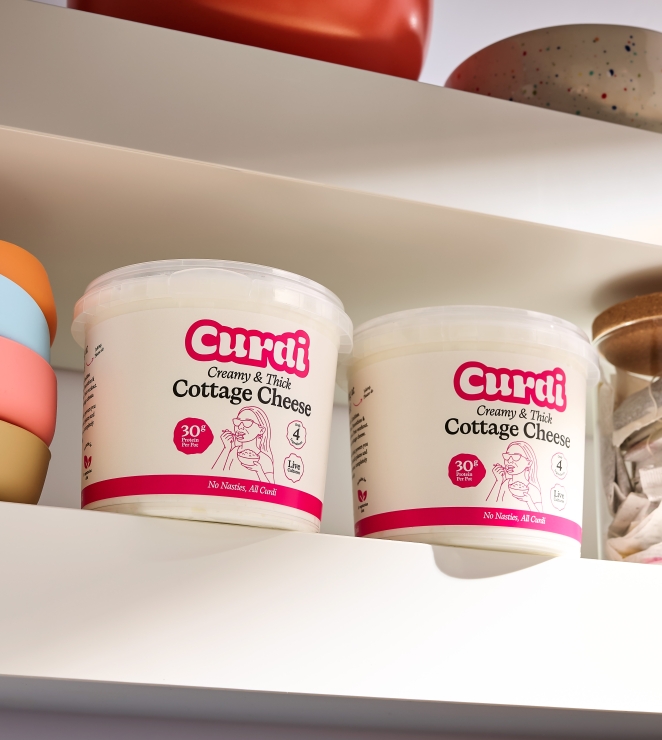 Noramble was born in Manchester, out of a frustration with seeing brands become too similar because of ‘category data’ and ‘Norms’.
What was the biggest challenge to the growth of your company?
I think understanding how to gain clients and where to invest time and money. We ultimately wasted a tonne of money investing in the wrong places, but this is the game. It’s sometimes a game of trial and error. 6 years since we started, and we’ve got a super strong understanding of how and where to market our studio and services.
Which was the first huge success that you can remember?
I remember landing our first global client in 2024; it was a pretty special win because it really solidified our efforts. We’ve also been voted Top 30 Most Exciting Companies in the North West by Business Insider.
What’s the biggest opportunity for you and your company in the next year?
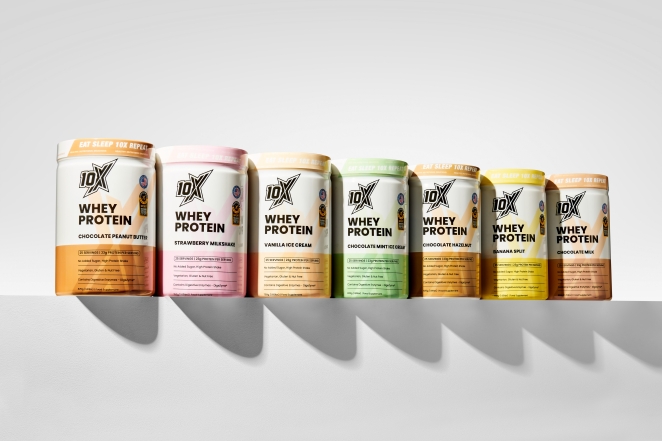 We’re levelling up by investing more in our case studies to really show off not only the level of work we do but the effect it has on a brand. We’ve done (and are currently doing) some great work that has really transformed our clients’ brands and so communicating this more effectively is our biggest opportunity going into 2027.
Can you explain your team’s creative process? What makes it unique?
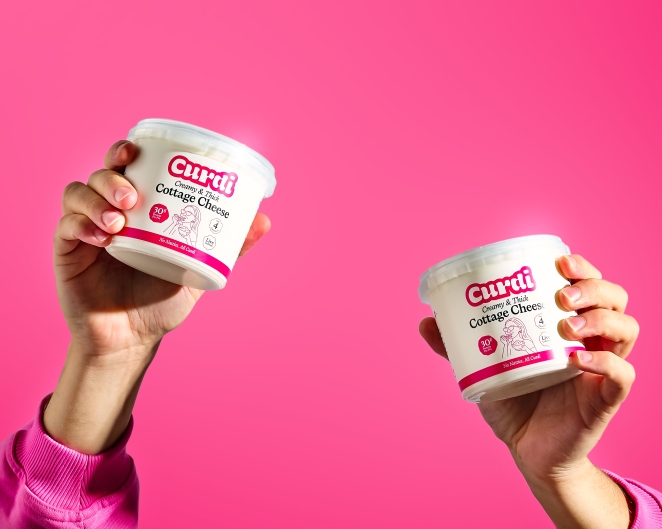
The most unique part of our process is our insights phase. Most studios collate data and tell brands, “Everyone is orange colour, so it makes sense to be the same, as this is what works”. Our process actually does the opposite of that. We communicate the insights and then flip them by saying, “Everyone is orange, so let’s stay clear of that”. We also have a phase where we get so far and then start stress-testing everyone’s ideas. It means us challenging the thinking of our clients.
How does your team remain inspired and motivated?
By getting out into stores and into the world. I think people struggle to see inspiration beyond just Pinterest on a screen.
How has COVID-19 affected your company?
 I can’t really say it has. Noramble was founded during COVID-19, so we didn’t really feel any effects of the pandemic, as it was such a new business.
Which agencies do you gain inspiration from? Do you have any heroes in the industry?
So many! My top one, personally, is Earthling Studio; their work with Surreal Cereal has been my favourite for a long time now.
What is one tip that you would give to other agencies looking to grow?
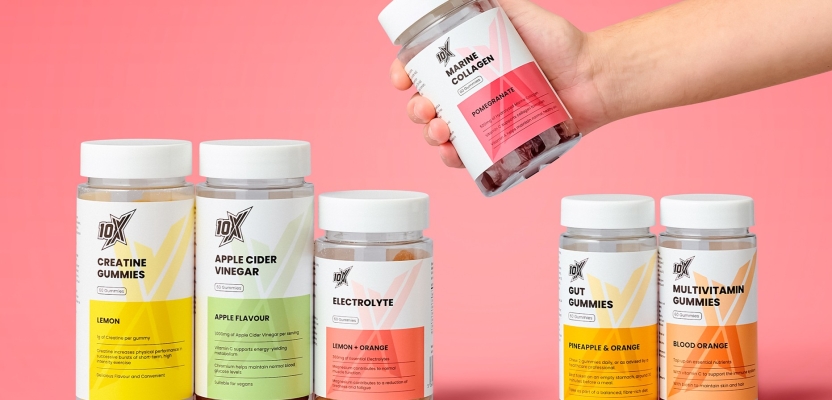
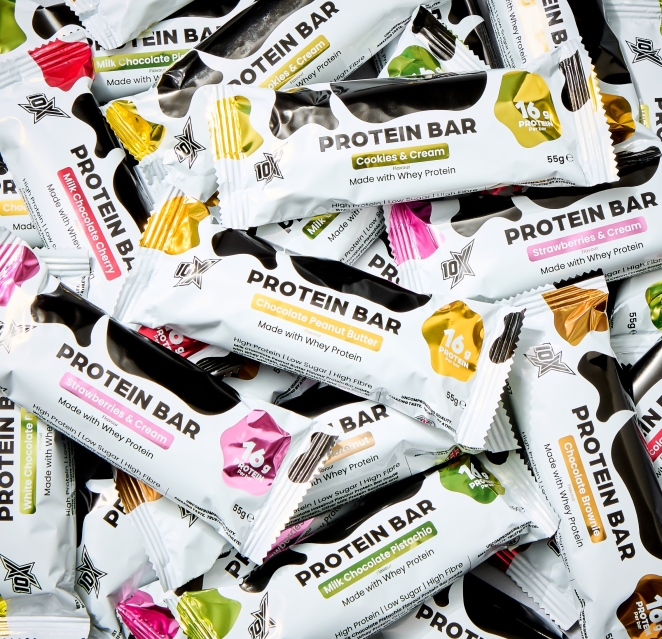
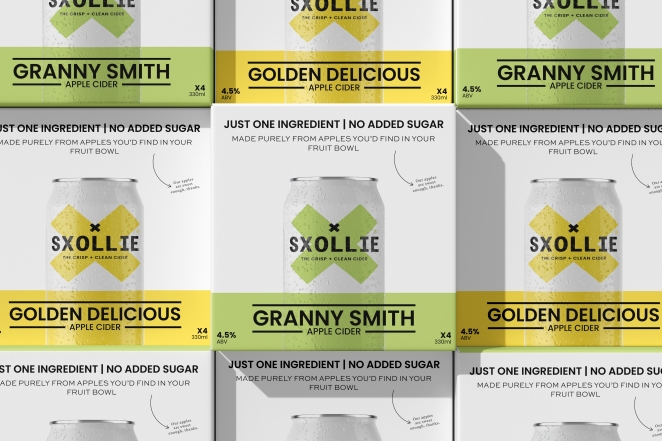
Have focus on something. For example, we’ve got a strong focus on packaging. You can’t do everything for everyone these days; brands are looking for experts in a space.
How do you go about finding new clients/business? (Pitching, work with retainers, etc.)
 We’ve invested heavily in SEO and also just making sure we’re everywhere our ICP is. I’ve been posting on LinkedIn for a good 3 years straight, which has also built our audience and credibility. Most of our business comes through either of these channels.
What’s your one big hope for the future of the industry?
I hope the creative industry becomes a little kinder when big case studies drop. When brands drop a new rebrand/packaging/logo, etc. People are so quick to judge and slate the work without really understanding the bigger brief, the process or the goals of the work. I’m all for giving your opinion on work, but I wish people would make it more informed and gain the insight first.
Can you share a defining moment in your company's journey that shaped its identity or direction?
I think it was about 3 years ago when I started to understand category questions and what they meant for a brand on a shelf. I started realising that most brands just blend in because doing anything else is ‘too risky’. But there’s a lot of power in brands sticking their neck out and doing something different. You only have to look at the success of brands like Surreal Cereal, Graza and Oatly.
How do you foster a culture of innovation and experimentation within your team?
 We always create space for discussion and debate. There is ZERO hierarchy at Noramble, and everyone is on a level playing field. It means the team feels confident and comfortable challenging an idea or concept; that’s how we keep things fresh.
What measures do you take to ensure diversity and inclusion are prioritised within your company?
It’s a big part of today’s world, and there are so many moving parts with inclusion and diversity. Being openly gay as a founder has meant D&I has always been a big deal in hiring, so the team is wonderfully diverse. Meaning, we have space for open discussions around this within the work we produce and how we advise our clients.
Can you describe a project that challenged your team creatively and how you overcame any obstacles?
We had a project that wasn’t going very well last year; as a collective team, we couldn’t land on anything worthwhile with the client. Until we changed two things, we first brought the client directly into our process, where we could have these open discussions about ideas and creativity and then we changed the deliverables pace by being a little scrappier but quicker so we could filter the good and bad much more efficiently. The end result was fantastic and is actually launching in 2027, so keep your eyes on our profile for it.
How do you balance maintaining your company's unique creative voice while meeting the diverse needs of clients?
 Honestly, most of our clients come to us because of our unique creative voice and what we stand for. For us, we decline work that does not align with our values of going against category clichés. 99% of clients actually hire us for our creative outlet, ideas and voice.
What strategies do you employ to adapt to changes and trends in the industry while staying true to your company's values?
Again, we don’t. We find that trends become clichés, which go against our studio values. If we want to create a unique idea for our client, you have to look beyond the sparkly trends. This is what ultimately sets us apart as a studio.
I’d say we’re always open to new tools such as AI and generative content, but it’s still quite a small part of our workflow because of the nature of the work we do.
Can you share a memorable client success story that exemplifies your company's approach and impact?
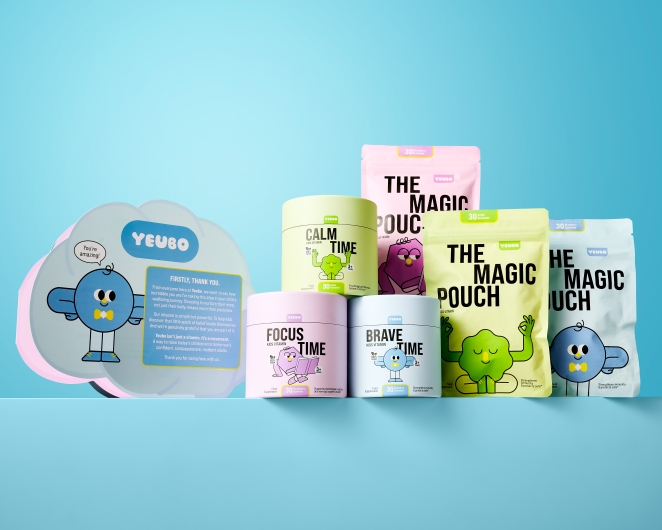
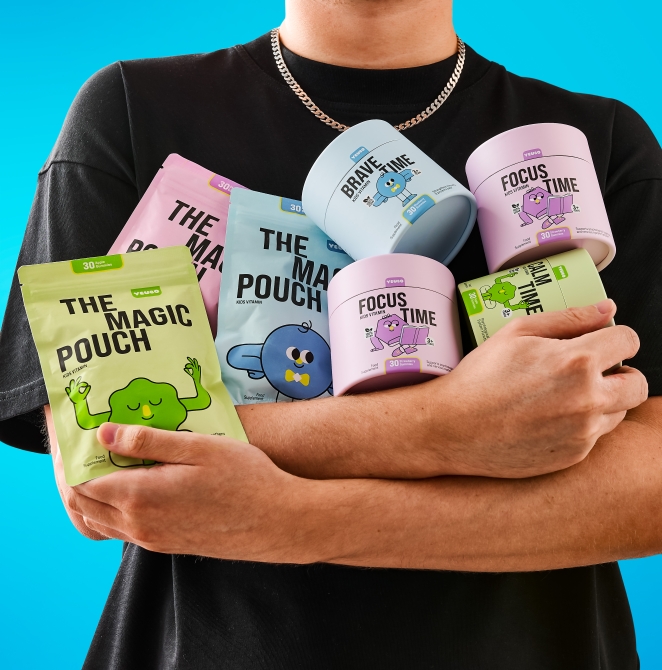
We worked with Emilio, who is the Founder of Yeubo, a kids’ vitamin brand. We created a completely unique brand for him, along with the packaging. The brand has since surpassed 5M views on TikTok and become the #1-rated kids’ vitamin brand on TikTok Shop. Of course, we played a part and don’t take complete responsibility for the success, but we think the brand’s cliché-ridden visual demands attention in the category, and that’s the first thing in the consumer buying process.
In what ways do you invest in the professional development and growth of your team members?
 We always take time away to get out, go to events, and visit stores to see how consumers shop across categories. I always personally spend time with the team to share knowledge and challenge their thinking, which helps shape their thinking in the future.
How do you approach sustainability and ethical practices within your company's operations and projects?
We have a super low carbon footprint by working remotely wherever the team are that day. We don’t believe in having a super swanky office that pumps out gas and electricity 24/7. We also have a really casual culture where the team can work wherever and whenever they like as long as the work gets done and tasks get over the line.
Can you discuss a time when your company had to pivot or innovate in response to unforeseen challenges, and what lessons did you learn from that experience?
We had to pivot our communication style for Hair Syrup recently. Lucie (Founder of Hair Syrup) is super busy and lacks time for long meetings, so we often exchange messages via WhatsApp to ensure they still get the level of attention without impacting their day-to-day. We’re here to help our clients and make their lives easier, not just add to their calendar.
Do you have any websites, books or resources that you would recommend?
Yep! Dieline is always a great resource for packaging specifically. Books: I always recommend Marty Neumeier’s books: The Brand Gap, Zag & The Brand Flip. I won’t give too much away, but they’re fantastic, and I read them every January to realign my thinking for the rest of the year.