
From sketchbooks and fine liners to global creative projects, Paul Leon has built a career defined by curiosity, innovation and problem-solving. As a Creative Director based in the south of England, he has spent decades turning ideas into impactful design, combining bold creative thinking with a practical understanding of how great design functions in the real world.
In this interview, Paul shares how his upbringing shaped his creative outlook, why he believes originality matters more than following trends, and what aspiring designers can do to build successful creative careers. He also discusses the impact of technology and AI on the industry, the importance of continuous learning, and why he believes a new era of brave, rebellious creativity is on the horizon.
How did you first get into the industry?
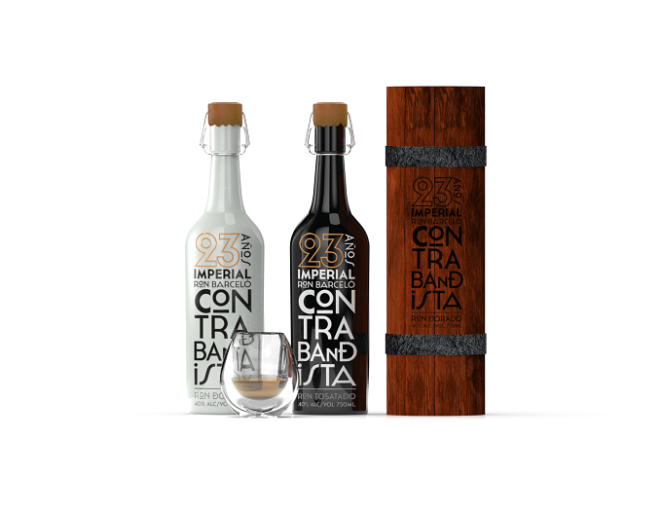 I’ve been drawing since I was 4. I love drawing, coming up with new ideas and solving problems. I was always creating, designing, and building my own stuff at home. I always knew I was going to go into something creative. A CDT teacher at school pointed me in the direction of art and design at further and higher education.
While I was at college I got some work experience at a big agency, that led to freelance work. I hit the ground running working freelance.
Where are you based now and who do you work for?
I’m based in the south of England but we do work all over the world.
What is your personal background and what role did it play in your career?
My grandparents and my dad were refugees fleeing a fascist regime that would have seen my grandfather dead, and my mum came to the UK in the 60’s, her father was disappeared by that same regime. They bothworked hard. I was born in London. English isn’t my first language and I grew up on a council estate.
At that time there was a sense that here was opportunity, and I was encouraged to take it. For me that meant going to art and design school an. getting into creative design.
Being in London at that time, it felt electric, you were exposed to all sorts of diverse experience, people, and global culture. London was and still is a vibrant nexus and that really opens doors in your mind.
If you weren’t in your current industry, what would you be doing?
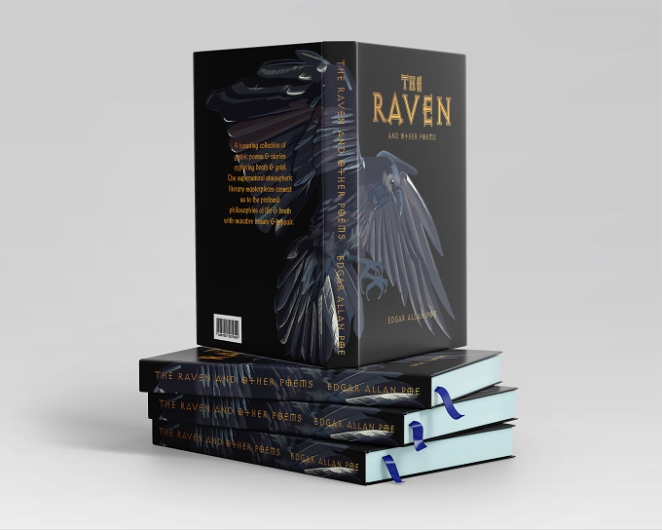 That was never an option. If I had to choose a field I’d like to work in more I’d say film, production and concept design for scifi like Tron, the Star Wars universe or Dune.
Can you explain your creative process? What makes it unique?
I don’t like to go into a project with creative preconceptions, trends tell you what people are doing; our job is to be ahead of that, leading not following.
Each brief is new. I like to research it like a new discovery- ask questions, generate conversation and energy. It’s a chance to explore opportunities, ideas and concepts-after all the point of creative design and thinking is to move things forward.
How would you describe your style?
I’m an all-out futurist given the chance I definitely like to challenge things but I’ve been told I’m also surprisingly pragmatic. Above all design must function well (including the creative) so whilst I’m creative, I am also a problem solver.
Which individuals do you gain inspiration from? Do you have any heroes in the industry?
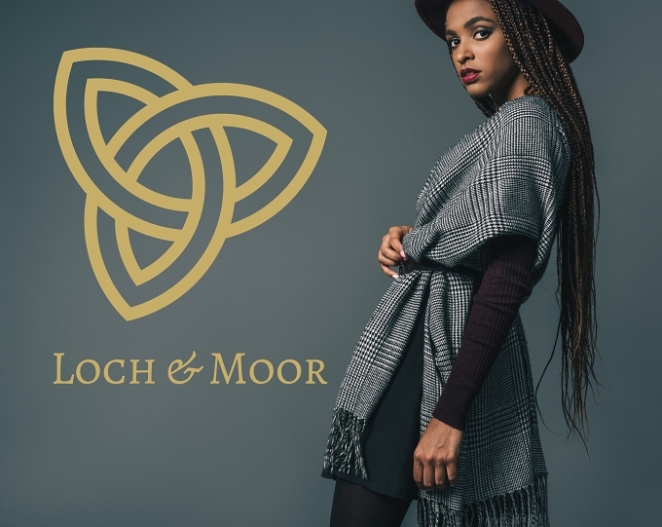 I get inspired by real people we work with and meet in the industry all the time, something we don’t talk about enough in the industry.
My wife works with me and every day she’s inspiring me. We work a lot with Derren Toussaint over at MonkeysVsRobots and he’s a regular inspiration. I’m inspired daily by a lot of the people in the industry, I work and talk to.
If were talking ‘famous’ people then Syd Mead, Joe Johnston, George Lucas, Dieter Rams, Tony Fadell, Gordon Torr, Bjarke Ingels, Saul Bass, Tinker Hatfield, Drew Struzan and Paula Scher come to mind for all sorts or reasons
What tips would you give to aspiring creatives looking for work?
Keep creating. Keep learning. Keep curious. Keep following your passion and side quest projects. Don’t limit yourself; design gives you multiple transferable skills, don’t let anyone tell you otherwise. Keep going. Don’t be afraid to get things wrong- we learn from what doesn’t work.
What tips would you give to other professionals to get more clients?
Right now, there’s are lots of people looking at things and thinking it’s an absolute S**t show out there the rules of engagement are being rubbed out and rewritten daily.
It’s not about the hard sell. Word of mouth and leaning into your network is important; create work put it out there and repeat.
Can you share a memorable experience from your career journey that shaped your approach to creativity?
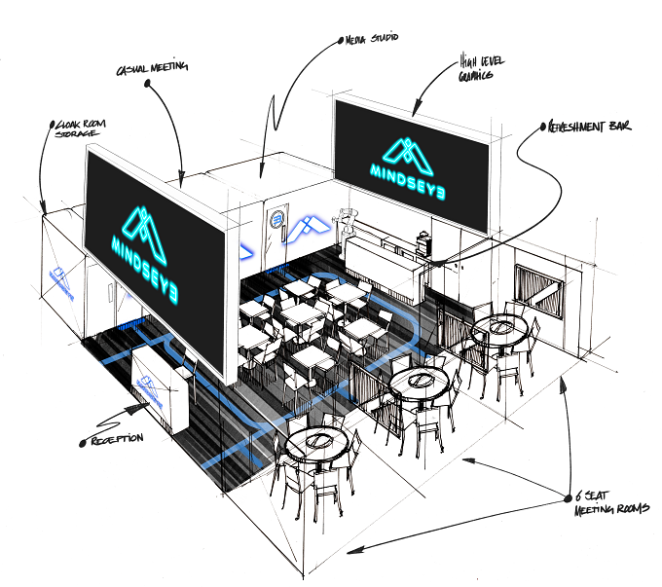 I remember early in my design education being encouraged to draw, freehand and experiment, develop and practice drawing. Creativity and design is about constant learning and exploration, continual improvement and above all problem solving and communicating.
Keeping a sketchbook, sticking in reference, inspiration and sketching, drawing, problem solving without fear and note making are the most important skill you can have.
What kind of tools/kit/software could you not do without?
I’ve said it before and I’ll say it again, an 0.2 fine liner, pencil and a sketchbook. You can design anything, without limits, anywhere.
What’s your secret to staying inspired and motivated?
Stay curious, explore, embrace the fear, excitement and challenges of new knowledge and experiences. Keep an open mind. Admit your mistakes and be aware of your ego.
Always be ready to learn and always be brave enough to play and have fun no matter what. Inspiration can come from unexpected places when you least expect it.
What’s the work achievement you’re most proud of?
 I’m proud of most of the work I’ve done for all sorts of reasons and I’m proud that I’ve walked away from some ‘opportunities when they haven’t felt right. There’s always a sense of pride when you see something you designed out in the real world.
As someone with experience in the industry, what trends do you foresee shaping the future of creativity?
We’ve been living through a sustained period of corporate throttling of creativity. The safe route of the unimaginative for all sorts of justifiably sensible reasons that usually amount to cost cutting for profit. It’s boring, every car looks the same, every phone is a grey block and the apps are all ‘enshitified’ to coin a phrase.
I think that one look at the landscape of ai and management rationalised slop out there and you can see that there’s a space to genuinely be creative, to shock, amaze, awe, delight, inspire, make us think and want to experience. Creating things we will want to talk about and experience for all sorts of reasons will never be out of style.
I think a cerebral, rebellious, cyber punk rock, middle finger, braver creative renaissance is waiting to happen. A revolutionary antidote to the apathy.
What do you think sets apart truly exceptional creatives from the rest of the pack?
The ability to really think big creative ideas but to know exactly how to communicate and really deliver on that vision.
How do you think technology has influenced the creative industries and how have you adapted to these changes?
 Technology is a response to a market opportunity or user need. It’s a product.
Creativity happens without technology.
Technology, be it a new type of pen or software, only influences creative in the sense of presenting opportunities for genuine (human) creative expression and its dissemination.
At the end of the day, it’s a tool, either it works, or it doesn’t.
Any websites, books or resources you would recommend?
I’d recommend:
Books
Managing Creative People- Lessons in leadership for the ideas economy by Gordon Torr
Wally Olins: The Brand Handbook
Enshitification- Why Everything Suddenly Got Worse and What To Do About it by Cory Doctorow
Design and Truth by Robert Grudin
Logo Modernism- J.Muller and J.Wiedmann
How to Draw and How to Render- both by Scott Robertson and Thomas Bertling
The art of Atari- by Tim Lapetino
Documentaries
Graphic Means: A history of Graphic Design Production
RAMS- Dieter Rams Documentary
Mike Mignola-Drawing Monsters
Drew-The Man Behind The Poster
Light and Magic Documentary on Disney Plus
Toys that made Us Documentary series on Netflix
Abstract the art of Design series on Netflix