
Picture this: You're briefed to create visuals that need to make a grandmother in rural Greece feel as connected as a teenager in downtown Tokyo. Oh, and honor the host city's heritage while speaking to Generation Z. No pressure, right?
Welcome to Olympic design—where every creative decision ripples across continents and cultures. Most designers reach for the obvious: flags, rings, predictable symbols. But here's what two decades of Olympic projects taught me: the real magic happens when you go beyond surface-level representation.
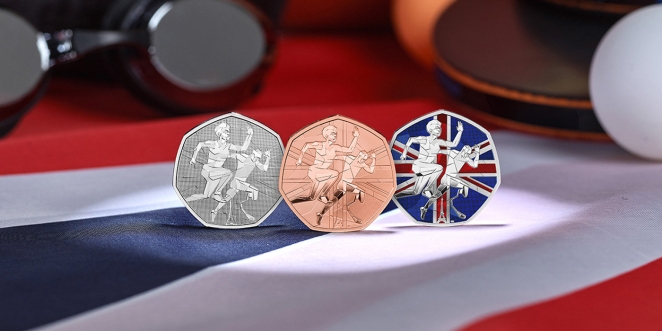
UK coin for the Royal Mint in 2024
Your audience has traveled the world through their screens. They can spot cultural tourism instantly and respond accordingly. What they crave is something that feels both authentically local and genuinely inclusive.
Why Cultural Intelligence Matters Now
We're living in an era of cultural fluency. Audiences aren't just consuming content—they're cultural detectives, constantly decoding authenticity. They sense when something is deeply researched versus hastily borrowed.
The Business Reality: Culturally intelligent design delivers higher engagement across diverse audiences, extended content lifecycle, and competitive advantage in global markets. It's not about being sensitive—it's about creating work that genuinely connects.
Case Studies That Prove the Point
Royal Mint Olympics Coin, 2024: Creating British currency for Paris Olympics required navigating diplomatic design territory. The solution found shared Olympic values that transcended national boundaries, preventing potential cultural missteps.
Yahoo! London 2012: Instead of predictable British symbols, the neo-futuristic approach captured London as a global tech hub—reflecting the city's actual identity rather than tourist stereotypes.
The Five-Pillar Framework
1. Cultural Archaeology: Go beyond Wikipedia. Interview local artists, study regional art history, understand emotional triggers that make communities feel authentically seen.
2. Visual Translation: Build languages using universal human experiences (movement, celebration, striving) rather than culturally specific symbols.
3. Living Heritage: Show cultures as dynamic entities, not museum pieces. Tradition as launching pad for innovation.
4. Universal Through Specific: Find universal themes emerging from local expressions. Parisian café culture speaks to global community needs while remaining distinctly French.
5. Future Orientation: Capture where cultures are heading, not just where they've been.
The Mosaic Method
Each element maintains distinct identity while contributing to unified vision—like the Olympic ideal itself. For Rio 2016's USA House, mosaic murals navigated Brazilian street art, Portuguese ceramics, and American contemporary expression, creating something genuinely new from intersecting traditions.
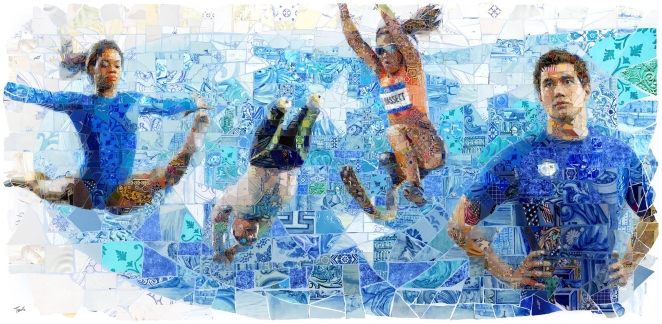
The murals for USA House in Rio 2016
Practical Value for Creatives
For Creative Directors:
- Prevents costly redesigns and cultural backlash
- Creates longer-lasting content value
- Turns local communities into brand advocates
For Designers:
- Early cultural research reveals unique visual territories
- Understanding cultural codes opens fresh creative possibilities
- Builds global portfolio credibility
For Agencies:
- Cultural fluency differentiates competitive pitches
- Attracts premium international clients
- Reduces risk protecting client relationships
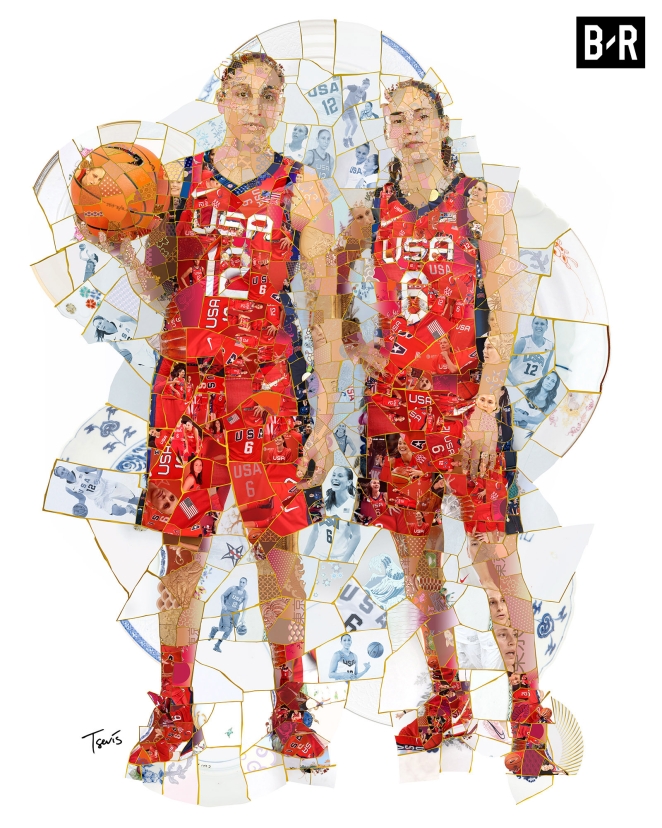
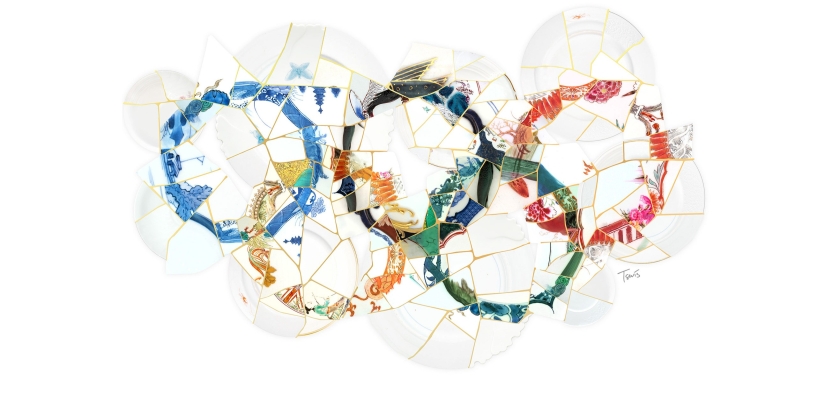
The Kintsugi Philosophy: Finding Beauty in Imperfection
Looking Toward LA 2028
America isn't monolithic—it's dozens of distinct cultural communities needing authentic representation. The agencies investing in cultural intelligence now will have massive advantages when everyone else scrambles to understand America's complexity.
These principles apply beyond Olympics to any global brand work. Whether multinational campaigns, international launches, or cross-cultural communications, cultural intelligence transforms good design into transformative connection.
The question isn't whether you can afford cultural research—it's whether you can afford not to invest in it.
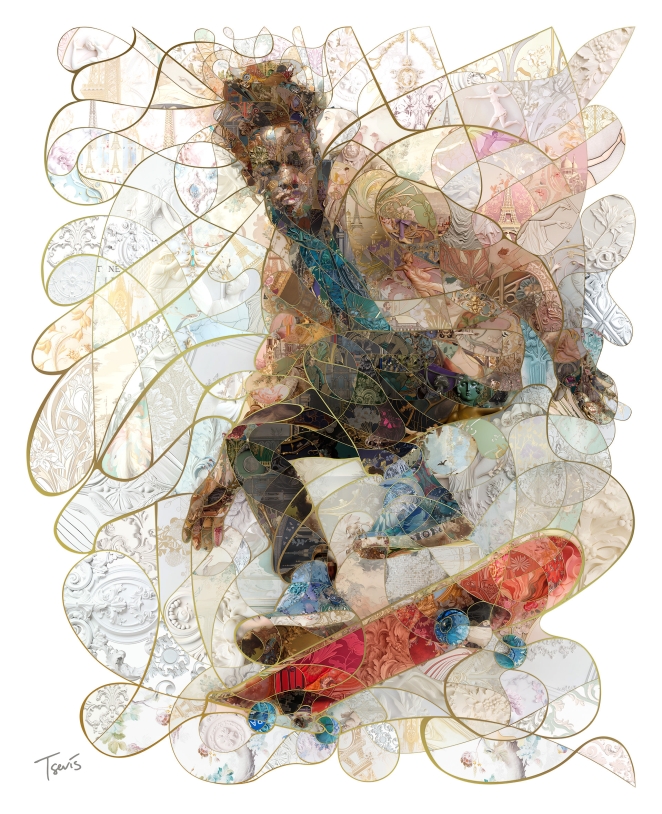
Skateboarding: Defying Gravity in the Olympic Arena
About the Author: Charis Tsevis is a Greek visual designer combining design practice with cultural studies. His Olympic project methodology treats cultural understanding as essential to effective global design.