
Some creatives stumble into the industry through a neat little pipeline. Tom Birch took the more believable route: a self-initiated portfolio, a bit of “fake it till you make it,” and a coffee brand concept so Beat-Generation-coded it practically came with a free Allen Ginsberg paperback. In a wonderfully on-brand twist, the Creative Director who interviewed him picked up the very same book the next day in an airport bookshop and decided that anyone who could “accidentally sell” poetry had earned a shot.
Today, Birch is a Brand Strategy Designer at Moving, a strategy-led studio working across design, motion and 3D, with a practice rooted in words first, ideas second, and a healthy distrust of anything that looks too polished to be human. In this Member Spotlight, he talks about building brands people can step into, why perfect execution is now “only an AI prompt away,” and the only reliable way to stand out in 2026: make work from the weird, specific blend of interests the algorithm can’t flatten.
How did you first get into the industry?
I don’t have degree in design. So like many aspiring designers, I pulled together a self-initiated portfolio, as they say:‘fake-it-till-you-make-it’. But it was enough to land an interview. One of those early projects was a coffee brand, the premise was the connection between the drink and ‘creativity’ as something to fuel you for a deadline or a catalyst for the morning’s work.
I drew on Beat Generation references, with the name nodding to Allen Ginsberg. The work itself wasn’t perfect, but by pure luck the interviewing Creative Director found himself in an airport bookshop the next day and picked up the same Ginsberg book we’d chatted about. He later told me, “You accidentally sold me a book, so I thought I’d give you a chance.” That was enough to get my foot in the door.
Where are you based now and who do you work for?
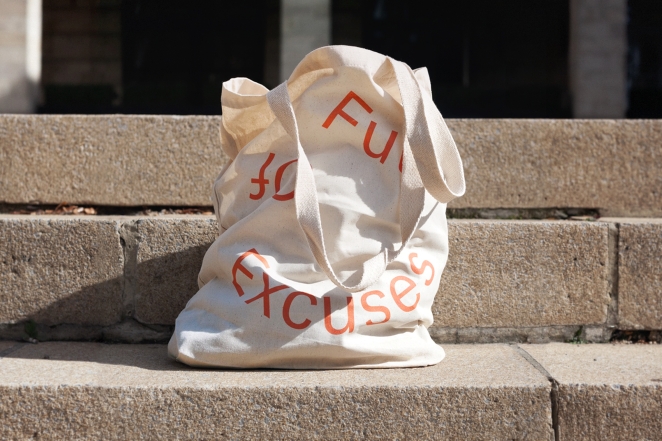
I work at Moving, a strategy-led brand studio focused on design, motion and 3D.
I’ve always chosen to work in small studios because you’re forced to wear many hats and become a ‘jack of at least a few trades’. You get a holistic view of branding, not just how it looks, but how strategy, design, copywriting and experience connect. It’s less about pushing pixels, instead building something people can step into.
What is your personal background and what role did it play in your career?
I originally studied Fine Art. One of the best things about art is that it’s so immediate. You have to pack all these big ideas into something visual that anyone can connect with in a second. The same is true of design. It’s taught me to both put the idea first and search a little wider for inspiration.
If you weren’t in your current industry, what would you be doing?
Currently, I really enjoy working with startups, I love that bit at the beginning where you’re building something from the ground up. If money was no object, I’d like to be making my own brands and products. Otherwise, I’d like to write fiction, but unfortunately you also need a bit of cash for that too.
Can you explain your creative process? What makes it unique?
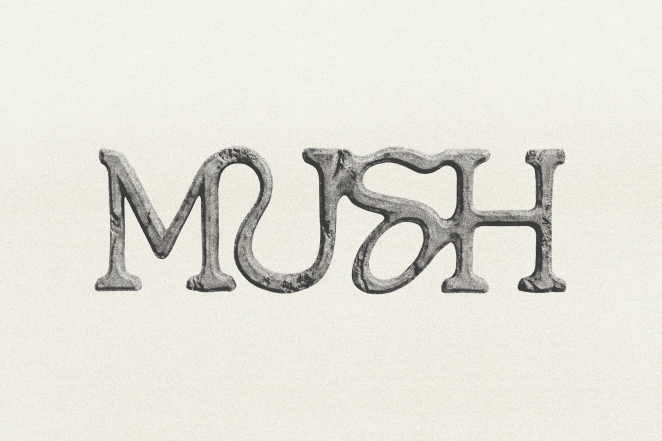
I always start with words. For me, design has to be rooted in an idea, something concrete that people can buy into. Without that, it’s very easy to get carried away by trends. Annoyingly, I struggle to write linearly. I have to piece together fragmented sentences and rearrange them like a jigsaw, until something clicks.
I actually write in Illustrator or XD for that freedom. Then once the brief is defined, I try to explore and sketch as widely as I can. I tend not to present multiple routes to clients, as they often get judged against each other instead of against the wider goal. But I want to make sure that I’ve exhausted all the possibilities first.
How would you describe your style?
I don’t think I have a single style. There are so many amazing designers and illustrators whose work is immediately recognisable — that’s a real skill, but I’m more of a generalist. I let the project lead and do the design that feels the best to express the idea. If anything, I’d say I favour clarity and strong typography in my work.
Which individuals do you gain inspiration from? Do you have any heroes in the industry?
Like everyone else, I’m really influenced by COLLINS, particularly how they centre their practice around research and their now famous library. Because of this their work is grounded in ideas that outlast trends. I’m also inspired by studios like Base, Regular Practice and Other Means who never miss.
Beyond that, I’m fascinated in people who bring humour and playfulness into their work, people like Max Siedentopf or studios such as Little Troop. I’m always interested in how humour can cut through our doom scrolling and disarm us but it can be hard to convince the client of that.
What tips would you give to aspiring creatives looking for work?
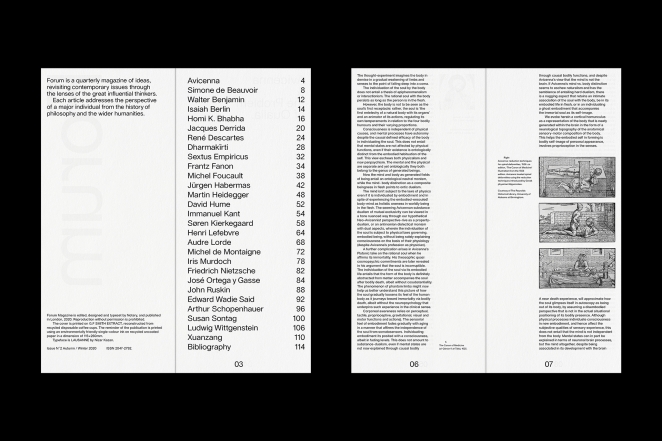
I used to believe it was important to streamline and curate yourself in an effort to be understood and “gettable”. Now I think that’s the fastest way to disappear into the algorithm. The one thing that others don’t have is your particular blend of interests. If you’re into medieval folklore or eighties graffiti culture then make work from that place. It will resonate with someone. AI has nailed ‘blanding’, the safest place to be is becoming what it can’t predict.
What tips would you give to other professionals to get more clients?
Be clear about what you actually offer and the value you bring to the client. For example: if you’re young, then you’re “helping a brand reconnect with a new audience”. Even if you just want to make cool stuff, well then you’re “able to situate a brand within contemporary culture”. I’ve found that clients won’t open their wallet without a good reason and as designers we need to assure them that we can solve their problem.
Can you share a memorable experience from your career journey that shaped your approach to creativity?
For the most part, we all live in our respective little bubbles, sometimes we forgot to come up for air. I once created the identity for an event that I genuinely believed in. I liked the premise and the overall feel, but I couldn’t get past focusing on that last ten per cent: the kerning, the spacing, whether something was a pixel too big or too small.
At the launch, I forced myself to step back. There was a queue down the street. People were chatting, drinking beer, enjoying themselves in the moment. Not a single person was thinking about any of the things I’d obsessed over. That moment stuck with me. It was a reminder that work is made for the world, not the gram.
What kind of tools/kit/software could you not do without?
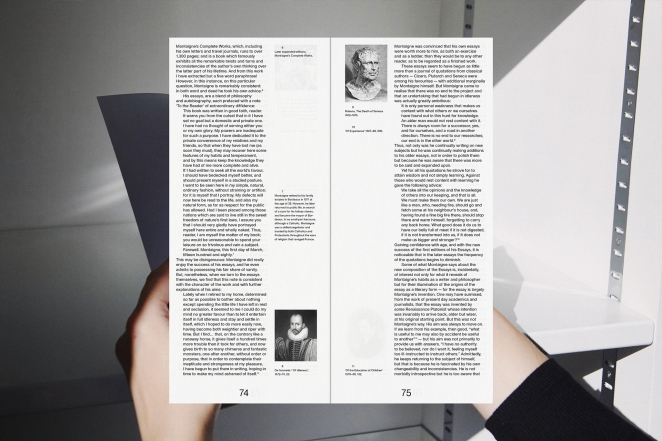
I need to start with software like XD or Illustrator that gives me a big canvas to think and breathe in. Something that I can move around without fussing over margins or pixel grids. Once the idea is nailed then I’ll take it into the right software to ‘dot the i’s and cross the t’s’.
What’s your secret to staying inspired and motivated?
Inspiration is easy. There’s an unprecedented amount of new art, music and writing uploaded to the internet everyday. If you’re willing to look past the algorithm there’s so much amazing inspiration out there. Motivation is harder. Standing out in all that volume takes real effort so it can be intimidating to get started.
As someone with experience in the industry, what trends do you foresee shaping the future of creativity?
When I started, everything was in the execution, polish was the goal. The internet was messy, so brands used design to feel aspirational and controlled. Now everything on social media is over manicured and flawless. Perfect execution is only an AI prompt away.
As a result, I think we’re moving towards work that feels more human, messier and rooted in shared experience. Not the Millennial contrived chumminess of the last decade, but something more grounded.
What do you think sets apart truly exceptional creatives from the rest of the pack?
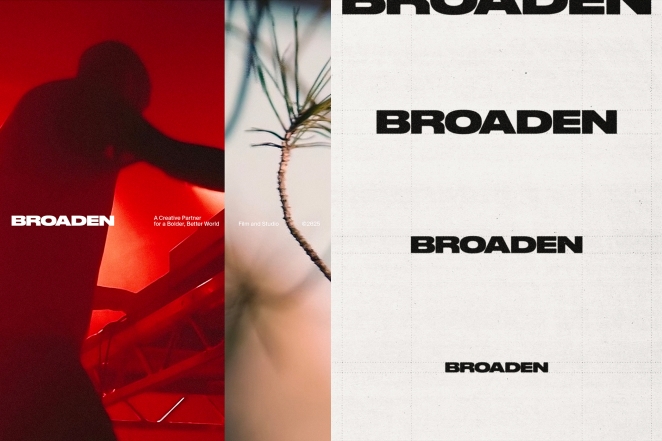
The confidence to step back and really interrogate the brief. Clients often come with a solution in mind, but that doesn’t always mean it’s the right question to be asking. Exceptional creatives know when to take stock and challenge assumptions.
How do you think technology has influenced the creative industries and how have you adapted to these changes?
There’s a lot of fear around AI, mostly because it seems to be devaluing the nature of what we do in the client’s eye. It makes work seem disposable. But as that shirtless lothario says in Jurassic Park, “They were so preoccupied with whether or not they could, they didn’t stop to think if they should.”
That’s still the crux of it. Clients might use AI and other technologies to make a single jpg or mp4 themselves, but our real value is in knowing how to approach a problem and decide what’s worth making. The creative industries are defined by ideas and insight not technology.
What is the one thing that you would change about the industry?
I think the structures around the industry still favour people from money, people who are supported by middle class wealth that can bankroll low-paid internships and extortionate city rent — that’s not even mentioning the whole student loan situation.
The creative industries can seem out of reach to some, not only due to the above, but also because of this country’s persistent undervaluing of the arts which means creatives have to defend their worth at every turn. A more vibrant and creative industry begins by letting more voices through the door.
Any websites, books or resources you would recommend?
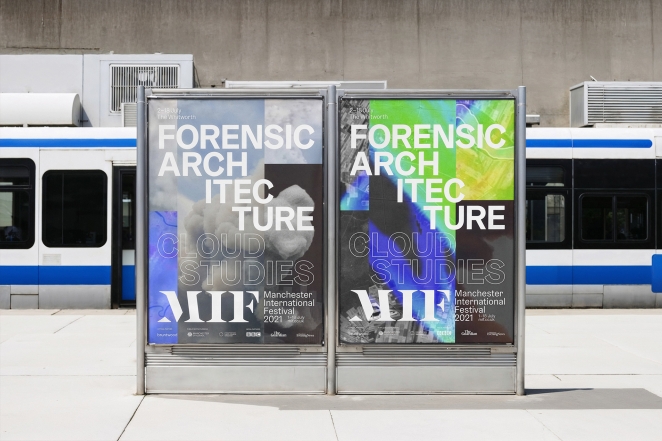
Have you ever been working on something, only to open Instagram and see your idea staring back at you? It happens to me all the time. I’ve recently realised that we’re all exposed to the same references, we have the same orbits and we’re circled by the same ingredients – so it’s inevitable we land on the same outcomes.
It’s just a law of probability. In retaliation, grab a library card. It’s free and it lets you dig through stuff that hasn’t already been mined and memed online.