
For Kirsten Kay Morgan, creativity has always been more than a career, it has been a lifelong passion. From drawing, painting and making her own clothes as a child to becoming Studio Manager and Senior Creative at Timesquare Advertising in Johannesburg, her journey is one built on curiosity, dedication and an eagerness to continuously learn and evolve.
With over 12 years of experience in the advertising industry, Kirsten has developed a distinctive illustration style defined by playful characters, rich digital textures and strong storytelling. In this interview, she shares her creative process, the importance of simplicity, adapting to AI-driven change, and why embracing imperfection may be the future of authentic creativity.
How did you first get into the industry?
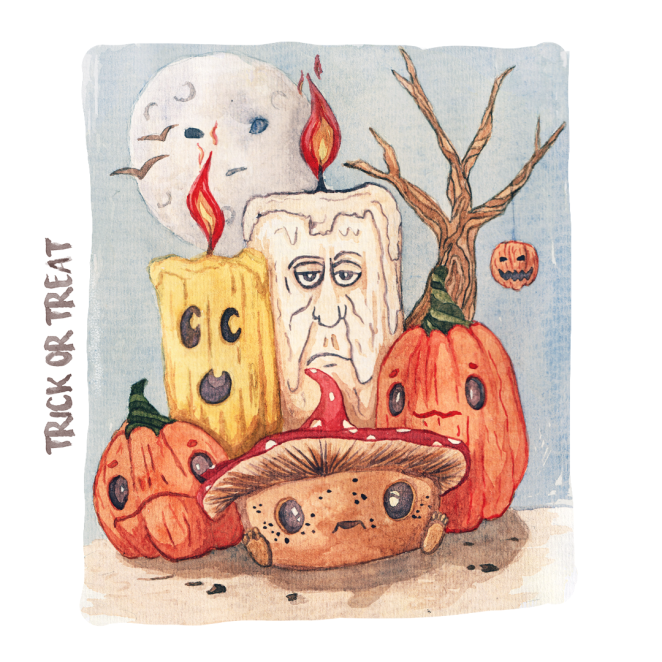 I studied at Vega School of Advertising in Johannesburg, South Africa. During that time, I won the Design Indaba Your Street Challenge Gauteng in 2012. Afterwards I did an internship in corporate. I didn’t like it very much and decided to switch my internship at an Advertising Agency called Timesquare Advertising. The rest is history.
Where are you based now and who do you work for?
Right now, I am still based in Johannesburg and have been working for Timesquare Advertising for over 12 years now. I have worked my up from a Junior Designer to Studio Manager and Senior Creative. I love my job very much. I also enjoy exploring ideas and creative jobs beyond my day job. I freelance and pursue side projects that involve illustration.
What is your personal background and what role did it play in your career?
Since a young girl, I’ve wanted to be a Graphic Designer. In my spare time I would always paint, draw or do something creative, like make my own clothes (although they were not very good). I’ve always loved doing creative things. Since 2024 I have really shifted my focus to illustration.
If you weren’t in your current industry, what would you be doing?
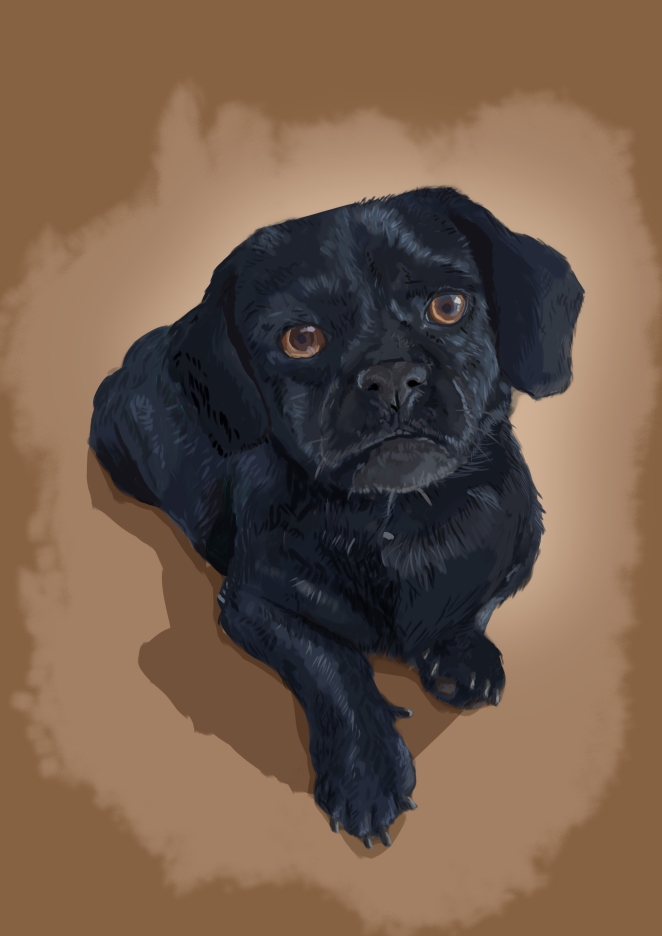 I think the two things that come to mind is either an art therapist – I find that VERY interesting and how your subconscious can tell you a lot from what you draw without thinking. Another career path I might have explored is Geology; I really loved geography in high school.
Can you explain your creative process? What makes it unique?
When it comes to my illustration work, I like to have an idea or concept in mind for an illustration. What is the piece about? What is the story you are trying to tell or the emotion it needs to convey? I then begin by creating moodboards with references of characters, visual textures, environment and possibly colour palette. Once I am happy with the overall ‘feeling’ of the moodboard, I start making a sketch of the actual piece. I’ll begin with mini sketches to get the composition layout and play around with arranging things around the page. Then once a layout composition is chosen, I will sketch a bigger piece with the finer details included. From there, I will bring the drawing onto my drawing pad and start digitally painting the piece of work. I play around with colour, textures and using the eraser tool to get finer edges at certain points. If an illustration piece needs to be more structured and less ‘loose’ in painting style – I create it in Adobe Illustrator.
How would you describe your style?
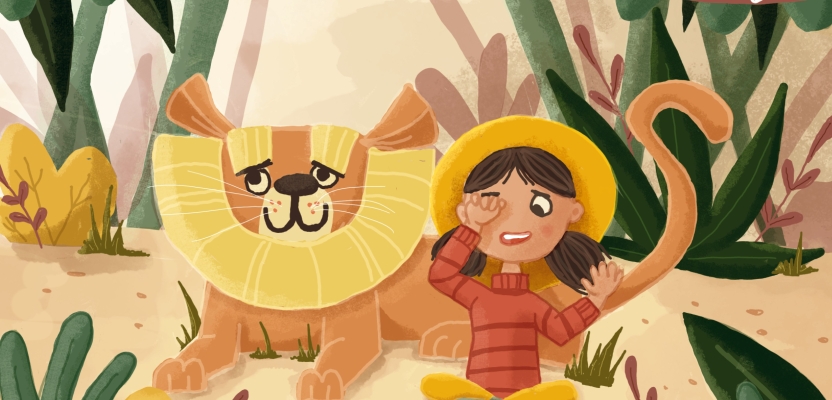
My illustration style is highly stylised, playful, and digitally painted with a strong emphasis on character-driven storytelling and simplified forms. A common characteristic is the use of soft textures and brush-like shading that mimic traditional paint while still feeling clean and vector-inspired. The characters — whether vegetables, mythological figures, or people — are exaggerated with rounded shapes, expressive eyes, flowing silhouettes, and simplified anatomy, giving them a whimsical and approachable personality. Colour palettes tend to be bold yet slightly muted or pastel-toned, creating warmth and cohesion without harsh contrast. Another shared element is the use of minimal but intentional detail: backgrounds are simplified, often featuring textured washes, geometric shapes, or symbolic graphic elements that support the subject without overpowering it. Compositionally, the illustrations rely on strong focal points, flowing movement, and clear silhouettes, making them feel graphic and readable while still expressive and artistic.
Which individuals do you gain inspiration from? Do you have any heroes in the industry?
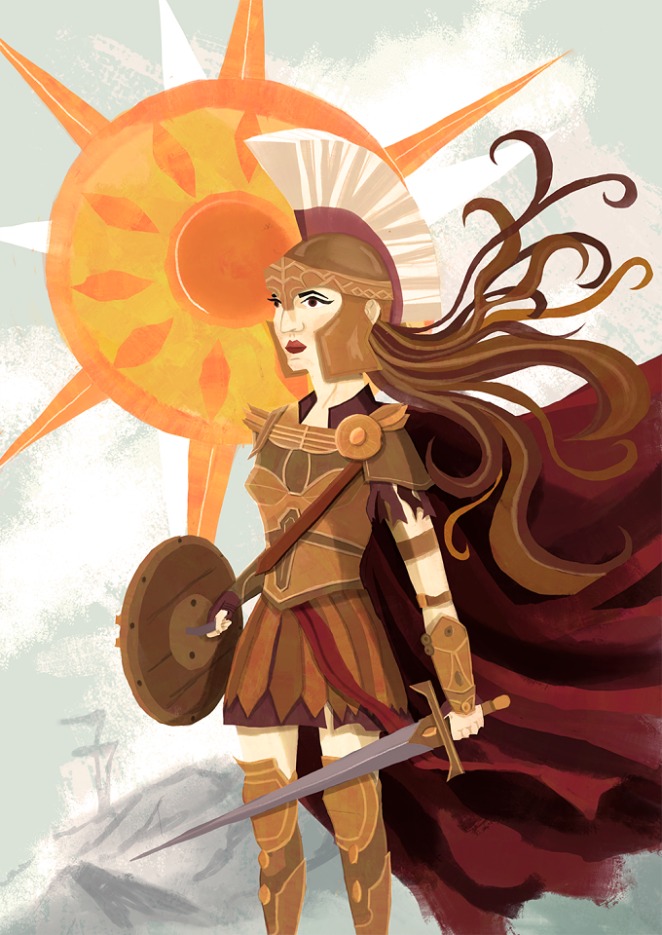 I don’t follow individuals per se, I rather look at other inspiration from Pinterest and Instagram outside of just illustration. I look at inspiration from line drawing, lino cut designs, graphic design, photography, interior design, patterning, packaging, animation etc. I absorb it all and save it. This comes in handy for my day job and my illustration work. Absorbing and observing other forms of creative can lead to new ideas in layout, form, colour, pattern, composition, etc. I have been delving into animation with my illustrations but it’s still early stages.
What tips would you give to aspiring creatives looking for work?
I would say work hard, never turn down work and always put your best foot forward. Put in the extra hours and effort and keep creating pieces… even if nothing comes from it then and there. Also don’t burn any bridges, the world has a way of showing up when you least expect it.
What tips would you give to other professionals to get more clients?
I have been wanting to get more illustration work for a while. I have not yet found new clients as I have focused on things in my life. But this year is the year of change I want to push myself career-wise. J My advice though is to treat each job with high importance; word of mouth is the best kind of marketing. Be consistent and keep creating.
Can you share a memorable experience from your career journey that shaped your approach to creativity?
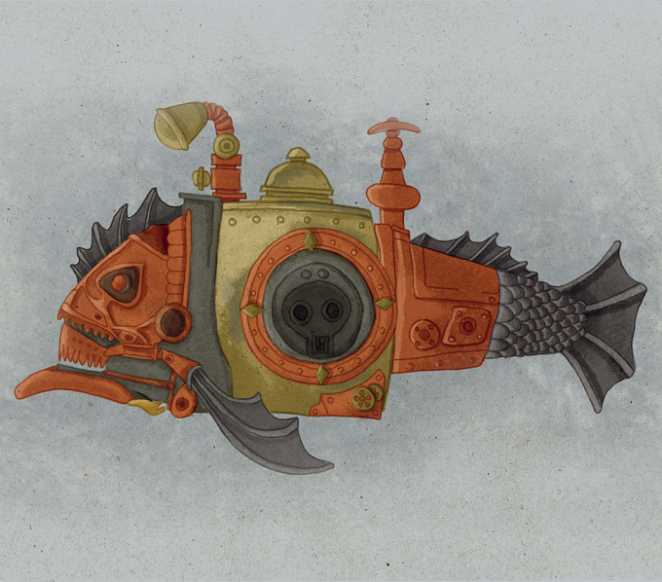 There isn’t just one memorable experience. There are quite a few. But I remember reading someone’s Linkedin post about simplicity. The person was talking about gritting your teeth as a designer and doing endless changes for clients. After many frustrating reverts and many projects later, that designer realised that clients may not know what the issue is with the design, but they know something is ‘wrong’ with it or that it doesn’t have that ‘wow’ factor. As designers and illustrators, half of what we do and think about goes unnoticed. The grids, guideline, rules and thinking we setup for a piece of work goes unnoticed. What is appreciated at the end of it is simplicity and balance. It’s easy to get stuck in as a designer and illustrator to overcomplicate a piece of work to show off our talents or to be a bit clever, but often it backfires by making the piece busy, complicated and over designed. I think this is a good lesson to learn – less is more and simplicity is key.
What kind of tools/kit/software could you not do without?
I would say good old pen and paper. A lot can be done and thought through with pen and paper.
What’s your secret to staying inspired and motivated?
Doing other creative things beyond illustration and graphic design. I like to delve in some furniture flipping, crocheting, reading as well as ceramic painting.
What’s the work achievement you’re most proud of?
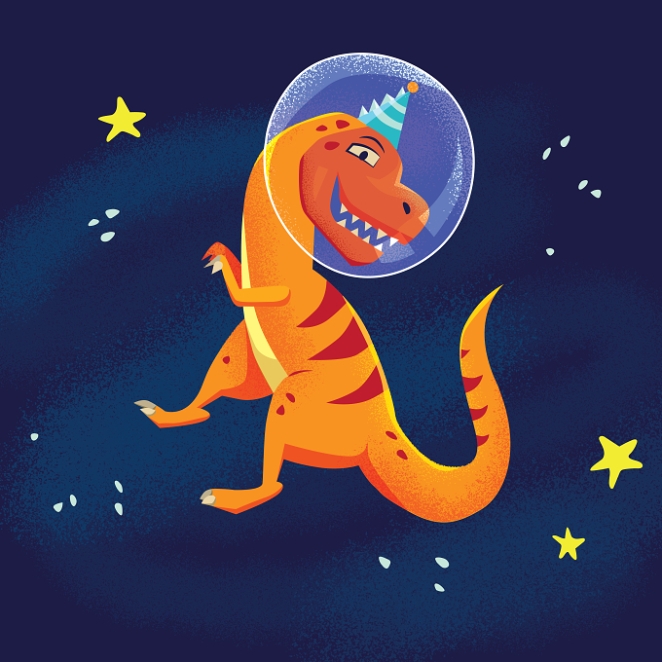 It’s a project I am working on for Jacaranda FM. This is an ongoing project that I cannot talk about just yet.
As someone with experience in the industry, what trends do you foresee shaping the future of creativity?
With AI now being a big factor to consider in the creative industry, I foresee the market being flooded with generative AI artworks at some point. The demand for quirky imagery that is imperfect, unique in style and different (in terms of subject matter, layouts, shapes, etc) will fluctuate. People will gravitate towards things that are outside of the norm of AI. Seeking more authentic artwork that is less curated and imperfect.
What do you think sets apart truly exceptional creatives from the rest of the pack?
I would say focus and consistency. Every exceptional creative I come across has put lots of hours and dedication to what they do – studying and perfecting it. Making it look easy and effortless, building on their style and what they are known for.
How do you think technology has influenced the creative industries and how have you adapted to these changes?
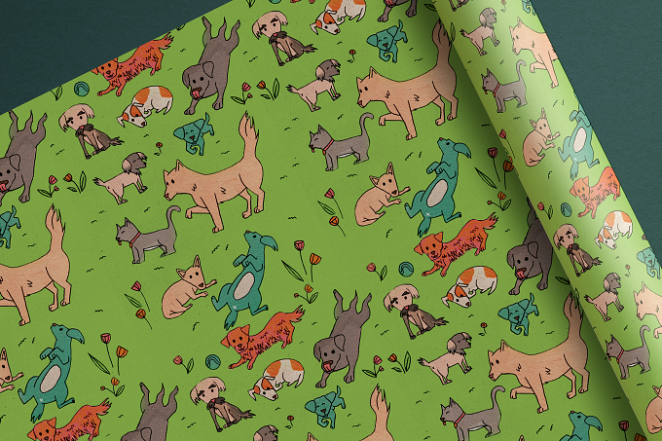 I would say technology, especially AI has changed the creative industry quite a bit. You must adapt with these changes otherwise you will find yourself left behind. As a response to what is happening in this space, I’ve chosen to try go back to basics - traditional techniques. To build on those and take them into the digital space using digital painting. Finding those imperfect moments in my work that I can shine a new light on. I am still experimenting with this.
What is the one thing that you would change about the industry?
I don’t think I would change much… maybe have less egos J Working collaboratively to learn, grow and teach. Share knowledge, techniques, beliefs, etc. There is nothing more satisfying than working on a job that evolves, taking into everyone’s thoughts and feedback.
Any websites, books or resources you would recommend?
I am a great fan of learning. I have done a tone of course in all aspects of creativity. From web design, UX, animation, drawing, water colour painting, creative journalling, etc. So I highly recommend Udemy and Domestika for these. They have some great courses on sale each month. I never stop learning.