
In a creative industry increasingly shaped by technology, AI and changing client expectations, the traditional agency model is being challenged. For Inizio Engage XD, the answer has been to bring different disciplines together, from strategy, creativity and film to behavioural science, learning, digital and experience design. The result is an integrated creative agency built around solving complex client challenges rather than working within traditional departmental boundaries.
In this interview, Russ Lidstone, President of Inizio Engage XD, explores the agency’s evolution, its multidisciplinary creative process and the role of innovation in its growth. He discusses how AI is changing creative workflows, why great work remains at the heart of new business, how the team approaches highly regulated industries, and why the future of the creative industry depends on combining talented people with powerful technology.
How was your company born and where are you based?
 Over 10 years ago, what is now Inizio Engage XD was built around a simple belief: when you connect different strategic and creative disciplines seamlessly, you create something far more powerful than any one discipline can achieve on its own.
Over the years, specialist businesses spanning experiential, film, digital, learning, employee engagement and medical communications came together through innovation, investment, integration and acquisition, with a shared ambition to help organisations create experiences that inspire lasting change. Each brought deep expertise in its own field, but the real opportunity was always in combining those capabilities in new and innovative ways.
Today, Inizio Engage XD brings together strategists, creatives, behavioural scientists, filmmakers, learning specialists, engagement experts, medical scientists, technologists and experience designers under one roof. That breadth allows us to surround a challenge with the right expertise and see opportunities others might miss.
Today we’re the Exprience Design arm of our parent company Inizio. Our roots are in the UK, with hubs in London, Manchester, Ashby, Plymouth and Northern Ireland. We have also grown a significant presence in the US, particularly in Philadelphia, and continue to support clients globally - most of our work is international.
Most of our work is international, but wherever we operate, the focus remains the same: creating experiences that change attitudes, influence behaviour and deliver meaningful outcomes.
What was the biggest challenge to the growth of your company?
One of our biggest challenges has also become one of our greatest strengths.
From the outset, we set out to build something that didn't really exist and, to my knowledge, still doesn't. A genuinely integrated business spanning learning, employee engagement, events, film, digital and behavioural science.
I often describe us as an unusually shaped business. That's partly why clients choose us and occasionally why they find us difficult to categorise. We're comfortable with that.
The challenge wasn't simply creating the structure. It was creating a culture where very different specialists genuinely collaborate around shared goals.
The bigger challenge was helping clients see what's possible when diverse expertise comes together around a single problem. Traditionally, organisations bought services in silos. Increasingly, the challenges they face demand more connected thinking.
Looking back, that's become one of our greatest advantages. We can put together the right mix of expertise around a client challenge and create solutions that would be difficult to achieve through a more traditional agency model.
Which was the first huge success that you can remember?
 One of the earliest moments that really validated our vision was seeing clients embrace our integrated approach.
Relationships that had started around a single service began to grow across multiple disciplines, bringing together creative, film, digital and experiential capabilities around one client challenge. It proved there was real value for blue chip clients in combining expertise rather than treating each discipline in isolation.
That might sound obvious,but at the time it was an important milestone because it proved out our unique model. It gave us confidence that the business we were building offered something genuinely different and laid the foundations for how we continue to work today.
What’s the biggest opportunity for you and your company in the next year?
Without question, the biggest opportunity is AI.
Technology has always been part of our DNA, so we're approaching AI from a position of strength. What interests me isn't the technology itself. It's what it enables talented people to achieve.
Across XD we're already seeing AI improve creative output, accelerate workflows and create opportunities that simply weren't available a few years ago.
The most interesting challenges sit at the intersection of creativity, behaviour and technology. That's exactly where our expertise sits.
The organisations that succeed won't necessarily be the ones using the most AI. They'll be the ones that combine technology with great thinking, creativity and experience. That's where we're focused.
Can you explain your team’s creative process? What makes it unique?
 One of the things that makes XD unusual is the breadth of expertise we have within a single organisation. Depending on the brief, we might bring together strategists, behavioural scientists, learning specialists, filmmakers, designers, experience creators and subject matter experts.
We often describe these as creative pods: agile, multidisciplinary teams assembled around the specific needs of each client.
We tend to organise around problems rather than departments, and that's often where the magic happens. Interesting things occur when different perspectives collide and challenge one another.
Many businesses talk about being integrated. For us, it's simply how we work. Because all those disciplines exist within one business, we can collaborate quickly and spend more time solving problems and less time managing multiple suppliers.
Ultimately, our creative process isn't defined by a particular methodology. It's defined by bringing together the right people to create experiences that inspire lasting change.
How does your team remain inspired and motivated?
I've always believed that great ideas can come from anywhere.
Of course, we look outside our business for inspiration through culture, technology, design, film and the work of others. But some of our biggest inspiration comes from within XD itself.
Every day I see teams solving complex problems, experimenting with new technologies and finding creative ways to help clients succeed.
When you bring together people from strategy, behavioural science, learning, film, digital and live experience, ideas naturally cross-pollinate.
That curiosity has been part of our DNA from the beginning. We encourage people to share what they're learning, challenge each other and keep pushing creatively.
I think that's one of the reasons so many people build long careers with us. They're constantly learning from the talented people around them.
How has COVID-19 affected your company?
 Like every business with a strong live experience capability, COVID had an immediate impact on us.
Once we'd dealt with the initial disruption, it quickly became clear that our clients needed different kinds of support. Because we'd already invested heavily in digital capability and technology-enabled experiences we were able to adapt quickly.
In many ways, the pandemic accelerated changes that were already happening within XD. Organisations needed new ways to connect with people, develop capability and communicate at scale.
Looking back, COVID challenged us, initially economically but moreover - to innovate faster than we might otherwise have done. It strengthened our digital capabilities, broadened our thinking and reinforced the importance of helping organisations create meaningful experiences, regardless of the channel.
Which agencies do you gain inspiration from? Do you have any heroes in the industry?
I've been fortunate enough to work with some exceptional people throughout my career, and they've probably influenced me more than any individual agency. I think we’re all patchwork quilts of exepriences we’ve had and people we’ve worked with.
People like Leslie Butterfield, Paul Weinberger, Mick Mahoney,, Steve Henry, Ed Morris, David Jones Gerry Moira and many others have all in part, shaped the way I think about creativity, strategy and leadership. More broadly, I admire organisations that continue to challenge convention and consistently produce original thinking.
The industry is changing rapidly, particularly with the emergence of AI. Some of the most interesting innovation is now coming from places that wouldn't traditionally have been considered creative agencies at all. That’s truly exciting – for example with advanced approach to AI and talented creatives, our Film team can take on Hollywood or any other production house.
Ultimately, though, it's never really been about the agency. It's always been about the quality of the thinking.
What is one tip that you would give to other agencies looking to grow?
 Let the work drive the numbers, not the numbers drive the work.
Every business has commercial targets and growth ambitions, but the danger is that you start focusing on the numbers rather than the thing that creates them.
Clients buy great thinking, trusted relationships, creativity and outcomes.
If you consistently deliver those things, growth usually follows.
How do you go about finding new clients/business? (Pitching, work with retainers, etc.)
The best new business strategy is still doing great work.
We invest in marketing, thought leadership and business development, but none of those things are as powerful as a client who genuinely values the work you've done for them.
Our growth comes from a combination of long-term client relationships, referrals, proactive business development and making sure we're talking to clients about the challenges they're trying to solve, not simply the services we happen to offer.
We're fortunate to have talented client engagement and growth teams, but they're at their most successful when they're supported by brilliant work coming from across the business. In the end, your reputation is built by the quality of the experiences you create and the results you deliver.
‘Watch what they do, not what they say’ has never been more true.
What’s your one big hope for the future of the industry?
 My biggest hope is that AI leads to more creativity, not less.
If technology removes some of the barriers to execution, talented people can spend more time imagining, problem-solving and creating genuinely original ideas.
We're entering a period of extraordinary change and that's incredibly exciting.
But creativity has always been, and will continue to be, about people. Curiosity, empathy, imagination, critical thinking and originality remain the ingredients that make great ideas possible.
The organisations that thrive won't be those using the latest technology for the sake of it. They'll be the ones that combine brilliant people with powerful technology to create experiences that genuinely make a difference.
If we get that balance right, I think the future of our industry is exceptionally bright.
Can you share a defining moment in your company's journey that shaped its identity or direction?
It's difficult to point to one defining moment because our business has continually evolved.
Bringing together different specialist businesses, becoming part of Inizio and navigating the challenges of COVID have all shaped who we are today. Each stage has strengthened our belief that the best ideas come from combining different perspectives and continually challenging ourselves to improve.
If there's one thing that has remained constant throughout that evolution, it's our willingness to embrace change. We haven't stood still, and I think that's become one of the defining characteristics of XD.
How do you foster a culture of innovation and experimentation within your team?
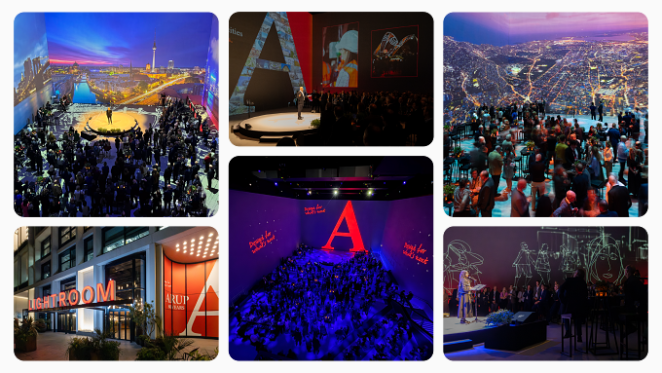 Innovation starts with people.
We've always encouraged our teams to be curious, challenge convention and explore new ideas. That means creating an environment where people feel confident experimenting, trying different approaches and learning from the results.
Not every idea will work first time, and that's part of the process. Progress rarely comes from playing it safe.
A good example is our AI Academy. Rather than simply talking about AI, with our learning expertise combined with technological understanding, we've invested in helping our people explore it, test it and understand how it can improve the work they do every day. That curiosity is already leading to better ideas, better collaboration and better outcomes for our clients.
What measures do you take to ensure diversity and inclusion are prioritised within your company?
Creativity is stronger when it reflects a broad range of perspectives.
We've always believed in recruiting the best people, whatever their background, and creating an environment where everyone feels respected, supported and able to contribute. I’m proud of how ‘inclusive’ is one of the recurring strengths in our employee engagement pulse checks.
Like every business, we're continually looking at how we can improve. Diversity and inclusion aren't initiatives that sit alongside the business, they're fundamental to building stronger teams, making better decisions and producing better creative work.
Ultimately, our clients benefit when our people bring different experiences and different ways of thinking to the table.
Can you describe a project that challenged your team creatively and how you overcame any obstacles?
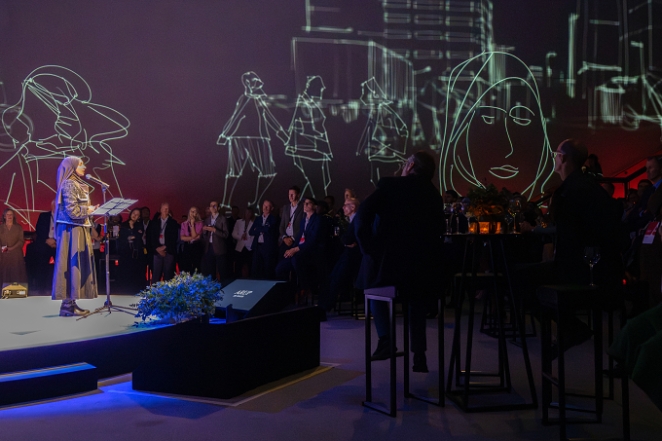 Many of our most challenging projects come from the healthcare sector.
Creating compelling experiences in highly regulated environments means balancing creativity with scientific accuracy, compliance and multiple stakeholder requirements. It's a challenge we face every day, and one we've become very good at addressing.
Rather than seeing those constraints as barriers, we see them as part of the creative brief - ‘the freedom of a tight brief’. They push us to think differently, bring together different disciplines and find more imaginative ways to communicate complex ideas.
One of the advantages of XD is the breadth of expertise we have in-house. We can combine behavioural science, learning, film, live experience, creative design and scientific understanding around a single client challenge. That allows us to develop solutions that are both creatively ambitious and robust enough to meet the demands of highly regulated industries.
Some of our best work can never be shared publicly because of the sectors we work in. While that can sometimes be a little frustrating, the client loyalty and feedback is something we're incredibly proud of. Our clients trust us with some of their most important challenges, and that's a privilege we never take for granted.
One project that stands out is our immersive learning experience for trainee Healthcare Assistants.
The creative challenge wasn't simply to teach people new skills. It was to prepare them for the emotional realities of working on the frontline of care before they ever stepped onto a hospital ward. Traditional training focused on processes and procedures, but our research showed many trainees felt underprepared for the human side of the role.
Overcoming that meant rethinking the learning experience completely. Bringing together expertise from our learning specialists, behavioural scientists, creatives and immersive technology teams, we created a virtual reality experience that allowed learners to step into realistic care scenarios, make decisions and build confidence in a safe environment.
For me, it's a great example of how creativity can solve real problems and improve outcomes – in this case for carers and patients. The challenge wasn't to create an impressive piece of technology. It was to help people feel more prepared, more confident and ultimately better equipped to care for patients. That's exactly the kind of challenge we love tackling.
How do you balance maintaining your company's unique creative voice while meeting the diverse needs of clients?
I’ve never been a fan of ‘house styles’ - and it’s simply not practical given the wider range of services we provide. I really don't think our role is to impose a creative style on our clients.
Every client is different. They have different products, audiences, cultures, and distinct challenges. Our job is to understand those challenges and create the right solution for them.
What stays consistent is the way we think. We bring together strategy, creativity, behavioural science, learning and experience design to solve problems. The creative expression may look very different from one client to the next, but the quality of the thinking behind it should always be consistent.
Ultimately, success isn't about clients recognising an XD style. It's about them recognising the value we bring and results we can deliver.
What strategies do you employ to adapt to changes and trends in the industry while staying true to your company's values?
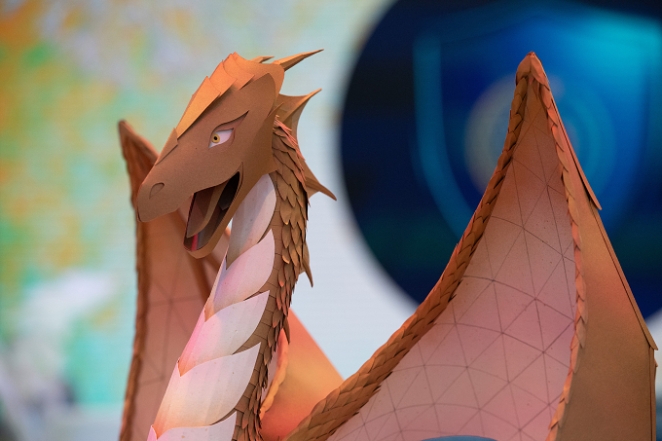 Innovation has always been part of our story, so adapting to change is something we've become very comfortable with.
We invest in new technology, encourage experimentation and create opportunities for our teams to explore new ideas. AI is the obvious example today, but our approach has always been the same. Understand the opportunity, test it properly and then apply it where it genuinely improves the work.
At the same time, some things don't change. Great ideas, talented people, trusted partnerships and delivering outstanding work for clients remain at the heart of everything we do. Technology should strengthen those things, not distract us from them.
Can you share a memorable client success story that exemplifies your company's approach and impact?
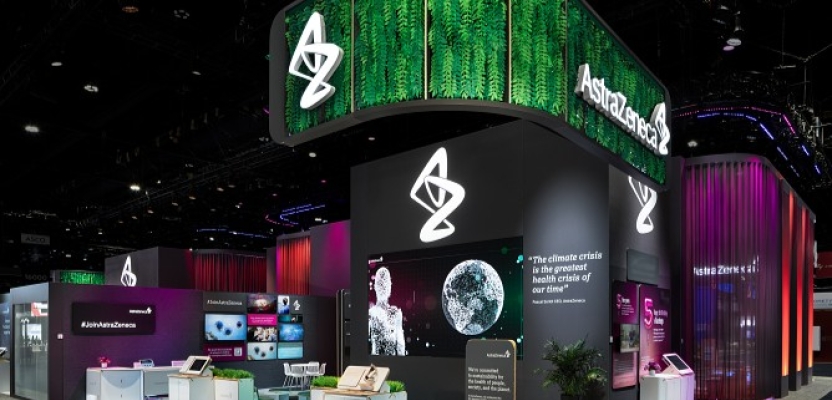
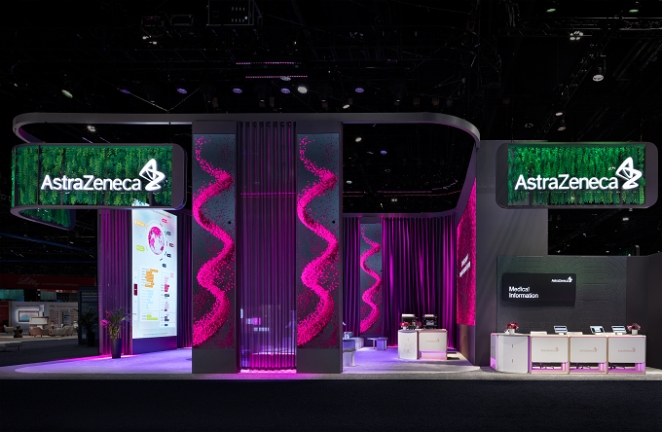
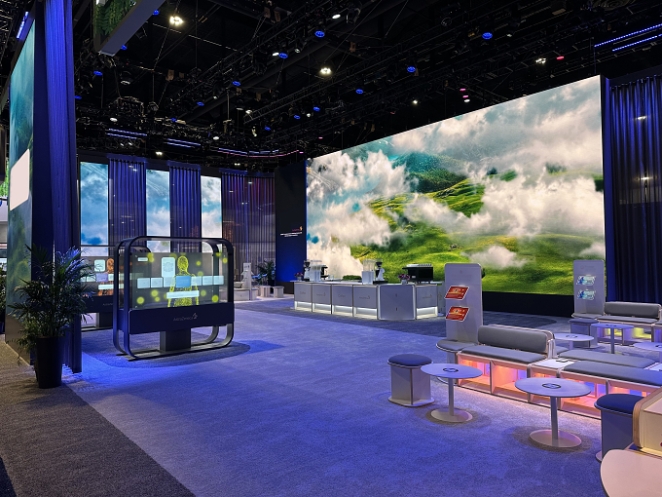
One project that really captures what makes XD different is our work with AstraZeneca at ASCO, the world's largest oncology congress.
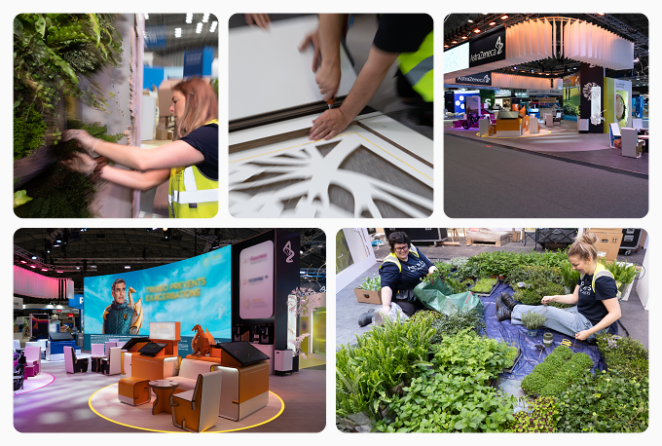
The brief was to create an experience that brought complex science to life while engaging healthcare professionals in a meaningful and memorable way. It also challenged us to think differently about sustainability, embedding smarter design and reusable elements from the outset.
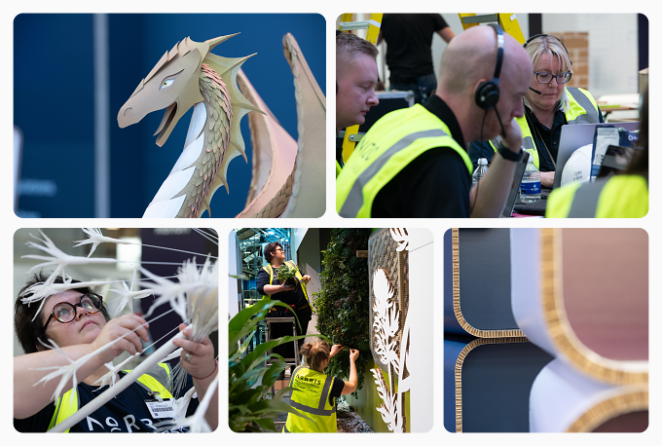
What I'm most proud of isn't just the finished experience. It's the way teams from across XD came together to deliver it. Creative, events, film, digital, strategy, health and safety, client engagement, project management and experience design all played a part in creating something no single discipline could have achieved on its own.
The project received international recognition, but the real success was demonstrating what's possible when you bring together different skills around a single client challenge. That's the ‘unusually shaped’ XD approach in action.
In what ways do you invest in the professional development and growth of your team members?
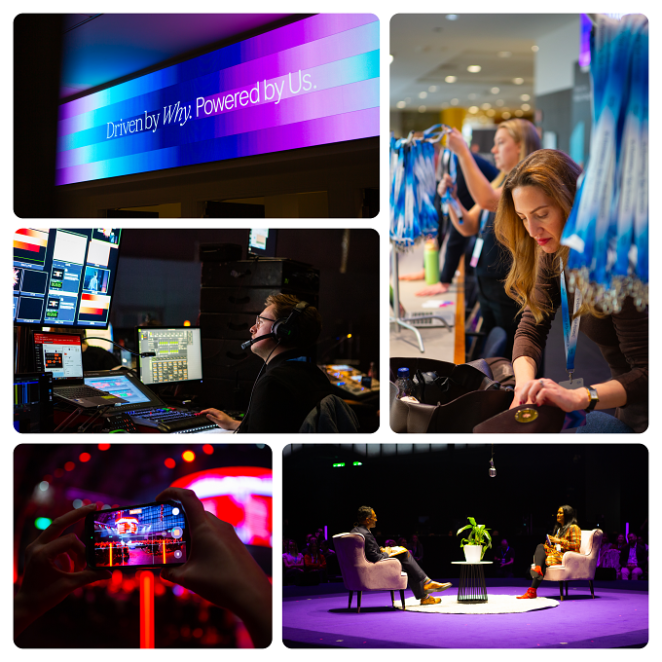 Learning has always been central to our business, so it's only right that we apply the same thinking to ourselves.
We focus on the 70:20:10 rule and know that the majority of learning happens through experience, supported by great managers, colleagues and opportunities to collaborate. Formal learning absolutely has its place, but it's only one part of the picture.
That's why we've invested in initiatives such as the AI Academy, giving people the confidence to explore new technology, experiment with different AI tools and share what they're learning with colleagues across the business.
The pace of change in our industry means learning can never stand still, and neither can we.
How do you approach sustainability and ethical practices within your company's operations and projects?
Sustainability is becoming an increasingly important part of the conversations we have with clients, particularly in the events and experience sector.
That's one of the reasons we developed Enviroplan. It gives clients practical insight into the environmental impact of their events and helps them make more informed decisions without compromising the quality of the experience.
More broadly, we believe creativity has an important role to play in solving some of the challenges organisations face, whether that's sustainability, ethical business practices or adopting new technology responsibly.
For us, it's about making thoughtful decisions that create lasting value for our clients, our people and the communities we work in.
Can you discuss a time when your company had to pivot or innovate in response to unforeseen challenges, and what lessons did you learn from that experience?
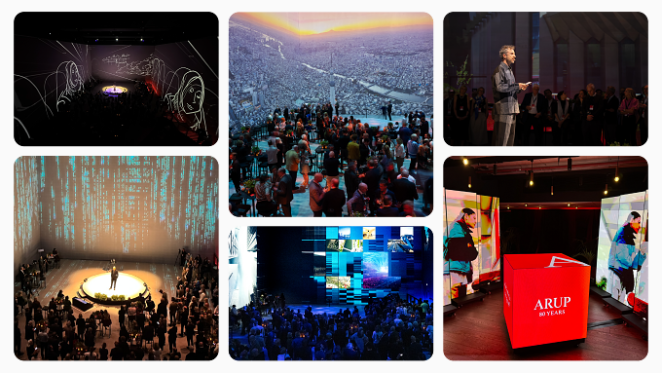 The obvious example is COVID.
Like many businesses with a strong live experience capability, we had to adapt quickly. Overnight, clients were facing completely different challenges and looking for different kinds of support.
Fortunately, we'd already invested in digital capability, learning and technology-enabled experiences, which meant we could respond quickly. We accelerated new ways of working, expanded our virtual and hybrid capabilities and helped clients continue engaging their audiences during an incredibly uncertain period.
The biggest lesson was that innovation often happens fastest when you're prepared to challenge established ways of working. That mindset has stayed with us ever since.
Do you have any websites, books or resources that you would recommend?
There are plenty of brilliant books, podcasts and websites that have influenced me over the years, but one recommendation always seems to surprise people: The Tao of Pooh.
It might not be an obvious business book, but it contains some wonderfully simple observations about leadership, relationships and human behaviour. I find myself returning to it surprisingly often.
More generally, I'd encourage people to stay curious. Read widely, look beyond your own industry and learn from people with different experiences and perspectives. Great ideas rarely come from one place, and quite often come from outside of your immediate world.