
Illustrator Javier Medellin Puyou didn’t originally plan to build a career in illustration. After graduating as an architect and moving to the UK, he began exploring illustration as a way to make a living while pursuing something he had always loved — drawing. What started as an uncertain experiment quickly turned into a defining moment when he unexpectedly won a Coca-Cola illustrated poster contest, giving him the confidence to pursue illustration professionally.
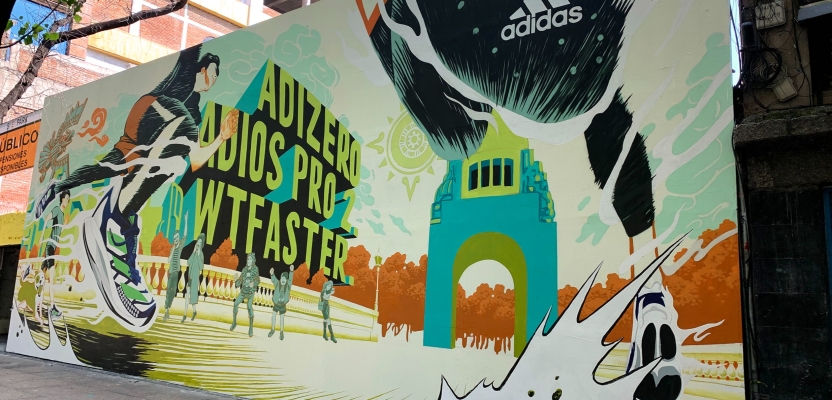
Today, Javier is based in Mexico and has worked with global clients including Lufthansa, ESPN, NatGeo, Disney, Marvel, Adidas and HBO Max. Known for his striking ink illustrations and strong sense of perspective, he combines traditional techniques with digital tools to create detailed, narrative-driven work. In this interview, Javier shares insights into his creative process, the importance of developing a unique style, and how illustrators can stay relevant in an industry increasingly influenced by AI.
How did you first get into the industry?
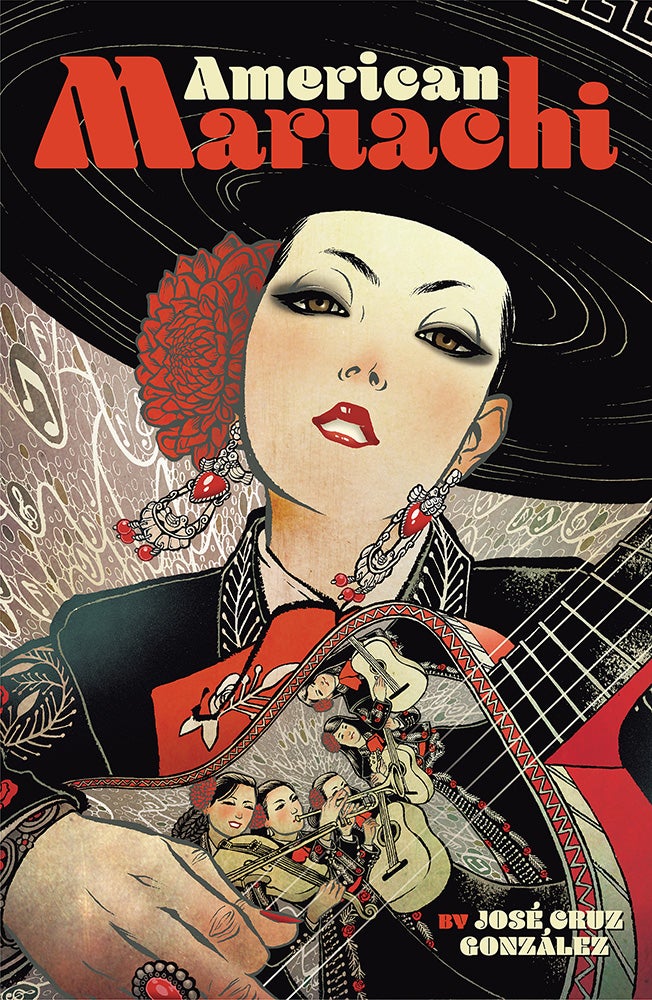 After graduating as an architect, I moved to the UK to be with my English girlfriend. I couldn't work as an architect yet, so I saw illustration as an opportunity and a way to make a living if I gave it a try, since I'd always enjoyed drawing and thought I wasn't too bad at it. I was naive to think that I could be an illustrator just by drawing, and I realized this while "hunting" for potential clients. That's when I started to analyze illustration more deeply and understand its professional landscape.
During that time, Coca-Cola was holding an illustrated poster contest, which I decided to enter mainly to expand my limited illustration portfolio. I was feeling quite discouraged, as I wasn't receiving any job offers, and my girlfriend and I had recently broken up, which only made things worse. Then, I suddenly received a call from the Coca-Cola contest organizer informing me that my illustration had won. That made me incredibly happy and was the turning point that motivated me and gave me the confidence in my abilities to decide to pursue illustration professionally.
Where are you based now and who do you work for?
I am based in Mexico, and I’ve had clients such as Lufthansa airlines, ESPN, NatGeo, Variety, Disney, Star +, HBO Max, Marvel comics, Adidas and DC comics.
If you weren’t in your current industry, what would you be doing?
I would probably be working as a full-time architect, or as a foot masseuse. I heard making masks for “therians” really pay the bills, so maybe I’d be doing that too.
Can you explain your creative process? What makes it unique?
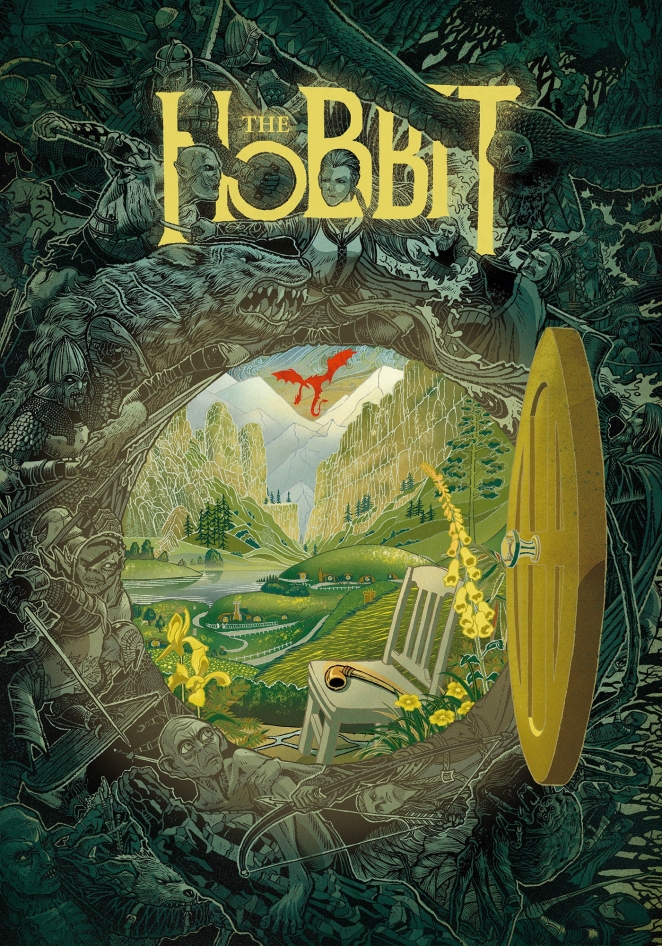 I've always believed that having a clear and concise timeline is best for working under pressure and being more effective. I understand that for some this might seem a bit of a drawback, but our minds become almost entirely focused on the task and its solution, since the assignment has to be delivered within a specific timeframe. The time we think we need to "get inspired" is often consciously or unconsciously mistaken with procrastination.
Personally, I find it much more effective to gather as much information and documentation as possible on the topic, and with this documentation, I assure you that ideas will come more quickly and effectively.
Once I finish brainstorming, I choose the most effective ideas, the ones I'm most happy with, and then I create two to four rough drafts to show the client. It's crucial to choose ideas that excite us. If we show the client ideas that don't fully convince us, just to give them more options, they might choose one of those ideas, and we probably wouldn't develop the illustration very well at the end because we weren't initially excited by the direction it would take.
After the client chooses an idea, I proceed developing it with more detail. At this point, I might show a more detailed sketch before moving on to the final illustration, but sometimes this step can be skipped, and I can go directly to working on the final image. The technique I typically use is ink with an Asian brush on cotton paper. I then digitize the image and add colour in Procreate and Photoshop and make some colour proofs until I’m satisfied with the results and finally, I send it to the client. Sometimes there could be some minor colour adjustments from the client, but that’s fine if it isn’t too much.
How would you describe your style?
That’s a difficult question to answer, I really don’t know. I find it more interesting and fun when people describe my style and sometimes their points of view surprises me!
Which individuals do you gain inspiration from? Do you have any heroes in the industry?
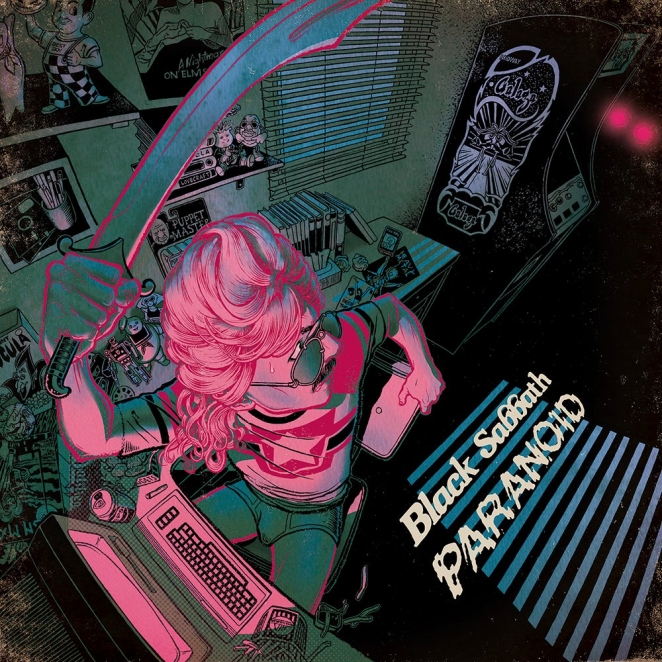 Oh, I have many of them. Some have influenced my work and some others are just people I really admire, especially classic ones. Some of the ones I remember now are Alex Ross, Kentaro Miura, Frazetta, Richard Corben and Moebius.
What tips would you give to aspiring creatives looking for work?
Always have fun while you’re working, but don’t get stuck just in the topics you like (or the topics YOU THINK you only like). Expand your knowledge and frontiers, challenge yourself. Get outside from your comfort zone. The most you expand your topics and knowledge; the more job opportunities are likely to come.
Also, don’t try to copy “style trends” thinking they will give you more job opportunities. You might simply fall into the trap of doing what many others are doing, thus avoiding developing a more personal and honest style. Furthermore, there could be a risk the client will see you as just another face in the crowd, not as someone who stands out from the rest. Another disadvantage of doing this is that more generic styles are more likely to be imitated by an AI, and AI is increasingly competing with illustrators.
What tips would you give to other professionals to get more clients?
Creative platforms where you can have a portfolio (such as Creative Pool) are extremely useful to find clients and so that clients can find you. You can also send personal emails to potential clients, art directors, creative directors, etc. if you are able to find their contact info.
Traditional mail, although some may think it's outdated, is also a very effective method to contact art directors and creative directors. Just send a short letter to them presenting yourself and add two or three samples of your work (like postcards) with your contact info on them and invite them to check your online portfolio if they want to see more. If they like your work, they will keep your postcard handy so they can contact you quickly and easily if they consider a commission appropriate for you to develop. Sometimes they struggle to find the contact information of someone whose work they liked because they normally get so many emails in their inbox from creatives, something that would rarely happen with a postcard in hand.
Can you share a memorable experience from your career journey that shaped your approach to creativity?
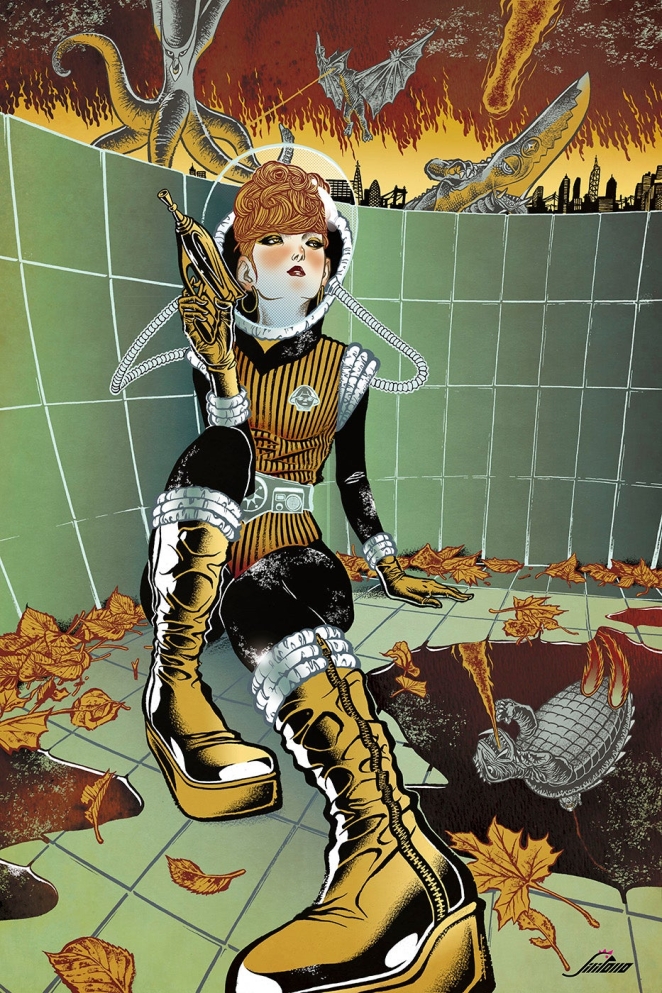 Ever since I started drawing comics (as an amateur) and while studying architecture, I found drawings of landscapes and buildings using different and complex perspective techniques fascinating. This seems to hold little appeal for most artists, but perhaps for that very reason, and because I understand its importance to composition and the inherent beauty I see in a well-developed perspective, I began to study it more deeply. That was just the beginning, as I later became interested in studying other technical aspects to develop more complete works and compositions. This personal passion has provided me with a knowledge that has been extremely useful for my illustrations, and I feel a need to continue discovering and learning new technical challenges.
What kind of tools/kit/software could you not do without?
Definitely my Asian brushes, waterproof black ink, digital tablet and my computer.
What’s your secret to staying inspired and motivated?
Once you know that your clients are happy and satisfied with your work, you simply don't want to lower your standards or stay at that level. You push yourself harder and strive to be better.
Furthermore, when I can afford it, I try to help dog shelters, or even help stray dogs by myself and pay for their medical expenses and food.
Keeping in mind that my family and these dogs somehow depends on me constantly motivates me to improve my work and not let laziness or negative thoughts affect me.
What’s the work achievement you’re most proud of?
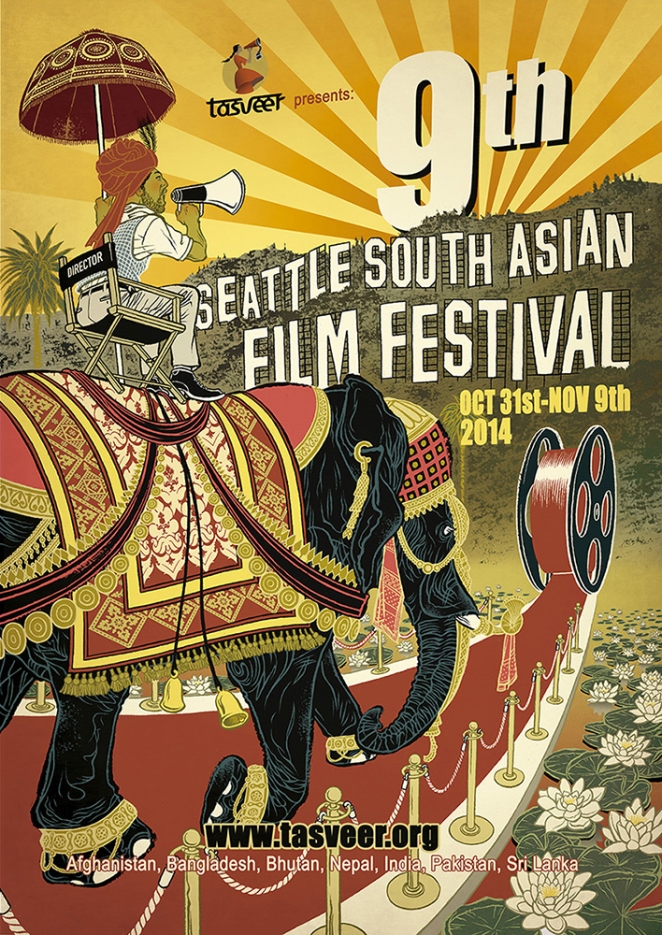 Not really sure, I’ve had many wonderful experiences with different commissions. Nevertheless, when I have been chosen to represent my country as the illustrator for a particular commission, I have felt truly flattered and happy! For example, when I made a job for Lufthansa airlines illustrating many scenes from different parts of Mexico, or when I illustrated the baseball world championship for ESPN.
What do you think sets apart truly exceptional creatives from the rest of the pack?
In general, we illustrators are not valued in the same way many other creatives are because of how we’re perceived: illustrators make things look nice. Illustrators are arty and disorganized. Illustrators are sensitive. Illustrators don’t understand business. And some of these things are true for some illustrators.
But what if we were perceived as: creative problem solvers who can visualize complex ideas and emotions that words alone can’t communicate? Communicators who can translate abstract brand values into something that’s easily understood and help tell stories for the client’s customers. Strategic partners who understand the audience, the tone and the messaging. Professionals who hit deadlines, ask clever questions and care about the client’s goals as much as their own style. And creatives who bring measurable value where the illustrations make the project look good but also makes it perform better. Impacts, engagement, brand recognition that helps the client sell more products. If you can combine strong craft with strong thinking, you’ll position yourself as a valuable partner.
So, if you're good at those things, you're very likely to stand out from the rest.
How do you think technology has influenced the creative industries and how have you adapted to these changes?
If we talk about current technology and its influence on the industry, I'm sure I won't be the only one who almost immediately thinks of AI, and my opinion on this is still evolving.
I feel many illustrators are becoming afraid that Ai might replace them in the near future. And probably they’re right to some extent. Not because the work isn’t good, but because the volume of illustration needed by our clients will shrink.
Just as I previously mentioned in the tips for aspiring creatives question, I think safe, generic trends, middle-of the road illustrations are in the “danger zone”. Clients who already didn’t value illustration will be the first to switch, if they haven’t already.
But the good side of this (at least for now) is that clients who value taste, judgment and collaboration still want work made by humans. Many creatively minded consumers won’t be attracted to Ai generated design. Although the majority of people won’t notice the difference between an image created by Ai and one made by a human, there are still a lot of people who will recognize it and be immediately put off a product. One example is if a book cover is Ai generated, people may suspect that the book itself is written by Ai. And that is a very real risk publishers have to consider.