
When a government budget dominates national conversation, a campaign needs a concept powerful enough to cut through the noise. That was the challenge facing freelance art director John Martin, who was tasked with promoting the Irish Examiner’s mega-coverage of Ireland’s 2026 Government Budget. With only a few days from briefing to delivery, John and his team had to create an idea that felt visually bold, instantly understandable, and true to the Examiner’s long-standing reputation for sharp, intelligent journalism.
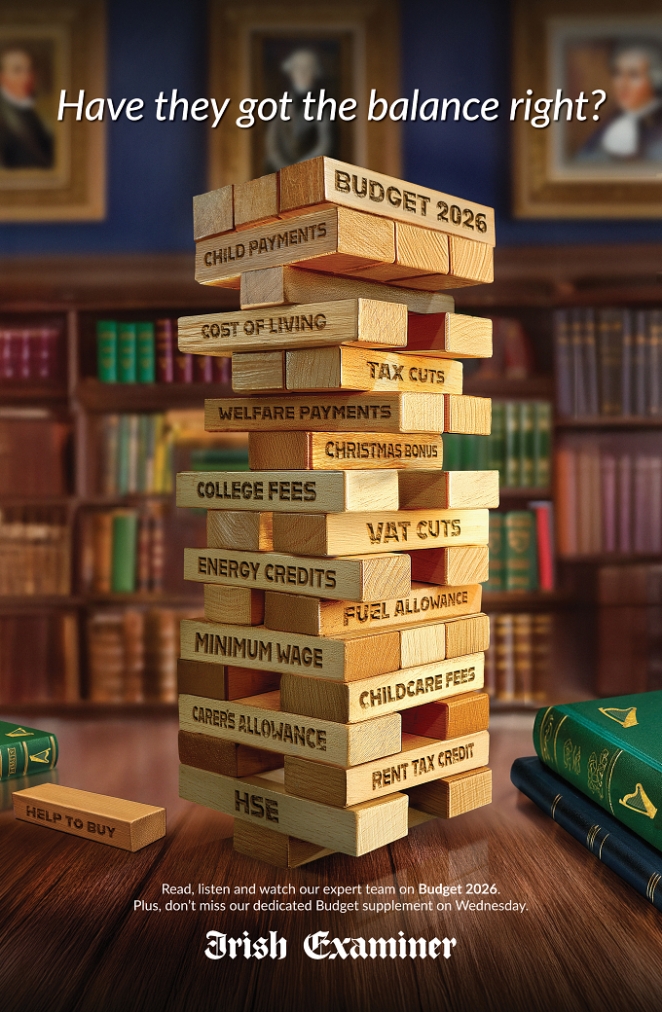
The result? A striking Jenga-based visual metaphor that perfectly captures the delicate balancing act of national budgeting. In this interview, John breaks down how the idea was born, how Adobe Firefly and Photoshop became vital tools under a tight deadline, and why a simple, single-minded concept still outperforms cluttered, number-heavy advertising. From rapid ideation to fast-turnaround production, this is a behind-the-scenes look at how standout creative work gets made when the clock is ticking.
What was the brief?
Basically, to shout about the Irish Examiner's mega-coverage of the 2026 Government Budget. There is huge interest in Ireland during budget week about what is happening. The Examiner publish this massive supplement packed with insights from top economic brains, and our job was to get people talking about it.
How did the initial pitch/brainstorming phase go?
The deadline was a bit crazy – we only had a couple of days to go from brief to client pitch. Thankfully, we know the Irish Examiner inside and out. We knew what they loved and what they'd throw out, which helped us hit the ground running.
What was the process behind ideating the concept?
Myself and Andrew McNulty, the writer on this, jumped on a Zoom and started throwing every idea we had at a virtual notepad. No filter. After a few hours and probably too much coffee, we got ruthless and cut it down to four solid ideas. I quickly scamped them up with Andrew's headlines, slapped them in a PDF, and presented the ideas.
What was the production process like?
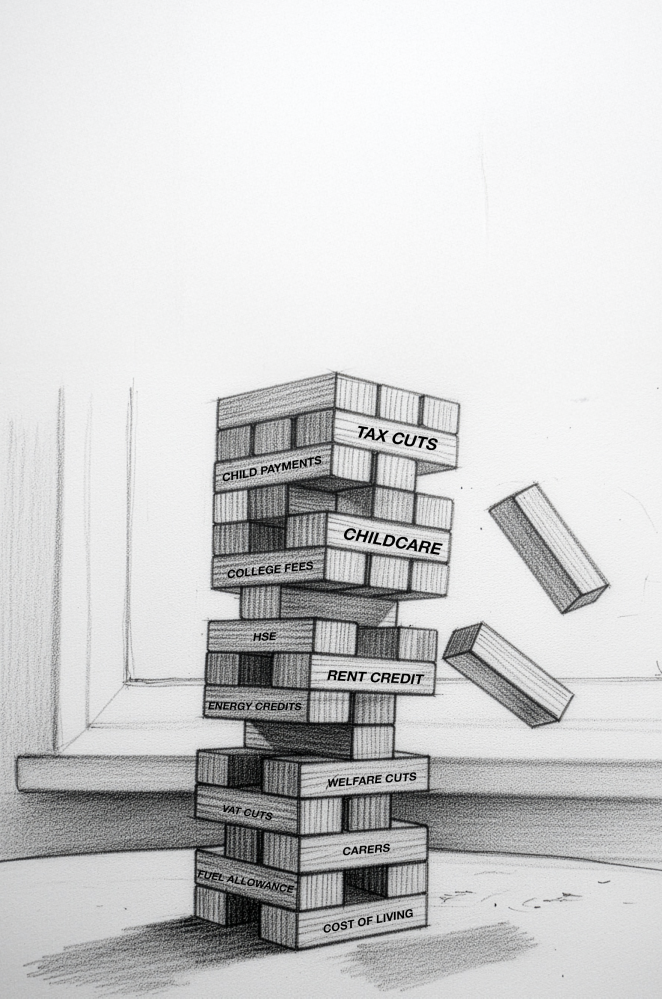
Once the client picked the idea, the clock was really ticking. We had less than two days to make it. That meant stock imagery was our best friend, and then we’d hack it apart and rebuild it in Photoshop using the new generative tools to get what we needed.
What was the biggest challenge during production? How did you overcome it?
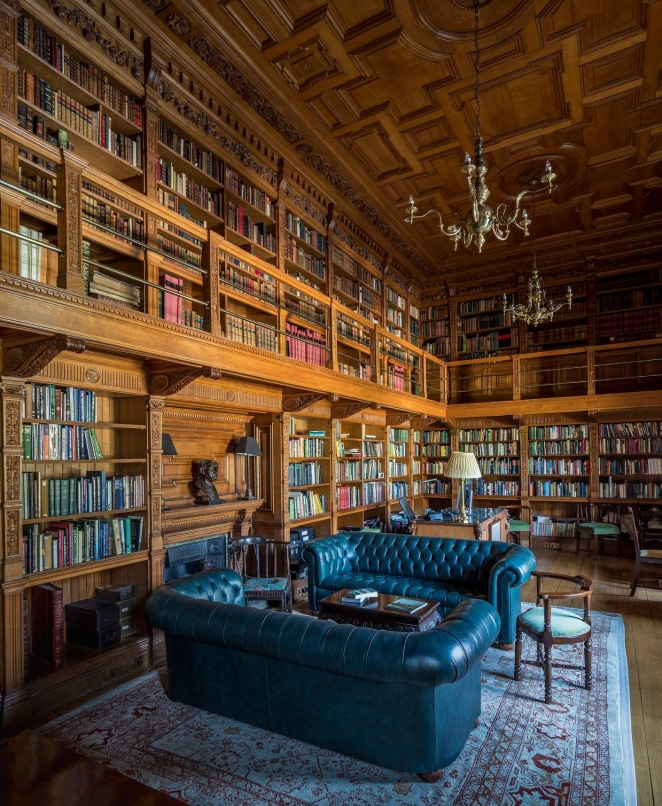
Getting that Jenga tower to look right! It had to look perfectly on the brink of collapse. I started with a stock image and then used a mix of Adobe Firefly and Photoshop's generative fill to mess with the blocks, stacking and re-stacking them until it looked properly precarious. For the background, I found an old pic of the Department of Finance office, fed it to Firefly, and it spat back a few options. I picked the best one, dropped it into Photoshop to use as a background, and then just tweaked the lights, colours, and shadows until it all felt real.
What kit/tools/software were used to create the project?
The usual suspects: the Adobe Creative Suite. This was my first proper play with Adobe Firefly, which was a steep learning curve. Photoshop for the fine-tuning and InDesign to put all the print layouts together.
What is one funny or notable thing that happened during production?
Nothing crazy, but it definitely brought back memories of Jenga drinking games from our younger days. Let's just say our past experiences with wobbly towers came in handy!
What’s the main message of this project and why does it matter?
It's simple, really. A government budget is a delicate balancing act. If they get that balance wrong, the whole thing can come tumbling down – just like a Jenga tower. It matters 'cause it makes a boring, complicated topic instantly understandable and visually cool.
How long did it take from inception to delivery?
Just three days, from start to finish. So a proper rush!
Can you describe the creative spark or inspiration behind the initial concept? Was there a specific moment or insight that ignited the idea?
We were just kicking around the word "balance" – balancing a budget, who wins, who loses. Then bam, the Jenga idea hit us. That was the 'Aha!' moment. Taking a block out of Jenga is exactly like the government giving a tax break or cutting a payment – every move risks bringing the whole thing down.
How did you ensure that the concept aligned with the brand's values, goals, and target audience?
We've worked with the Irish Examiner for years, both at in it’s old agency Chemistry, and since. So we know them very well. They have a history of award-winning work, and we like to think we're keeping that Chemistry spirit alive. This felt like a nod to that legacy.
Were there any alternative concepts or ideas considered during the ideation phase? If so, what led to the selection of the final concept?
Oh, for sure. You always have a bunch of 'okay' ideas. But then you land on one or two that just feel nice. This was the one. It was so clear and summed up exactly what people feel about the budget. That made it a much easier sell to the client.
Can you discuss any collaborative or interdisciplinary aspects of the ideation process, such as working with other departments or external partners?
It was a tight little team on this one. Andrew on words, me on art, and the legend that is Gráinne Dwyer from HeritageOne managing the client and keeping us all on track. She made sure we didn't miss the deadline!
What role did consumer research or market analysis play in shaping the concept and its execution?
Nah, not really. We just used our gut feeling and our knowledge of the brand. Everyone's talking when a budget is constantly in the news, so we knew we needed a strong idea to cut through all that noise.
Can you discuss any unique or unconventional production techniques or approaches used to bring the idea to life?
This was my first proper go using Adobe Firefly baked right into Photoshop. It was less about generating a whole image and more about using it as a super-powered tool to fix specific things, like that Jenga stack. It was a cool mix of new AI features in Adobe software and old-school art direction.
How did you ensure that the concept remained innovative and stood out in a crowded marketplace?
We weren't trying to reinvent the wheel. We just focused on a solid, classic principle: a single-minded idea that's relevant and looks great. A clever metaphor like this will always stand out more than a boring ad full of numbers and text.
What do you hope it achieves for the brand?
We’re fond of this brand and have a close relationship with them. We've done good work for them for over eight years. I just hope they see that we're still committed to making really smart, effective ads for them and that they keep giving us the chance to do it.
Credit list for the work?
Agency: HeritageOne
Art Director: John Martin
Copywriter: Andrew McNulty
Producer / Client Services: Gráinne Dwyer
Client: Irish Examiner