
Midlands-based photographer and director Edward Fury has built an impressive career creating striking campaigns for brands like Costa, NEXT, Bonne Maman, and Kronenbourg. But his journey into the industry was far from straightforward. From working in a butcher’s shop to discovering his passion for photography, Edward has carved out a niche across food, drinks, and beauty.
In this interview, he reflects on the personal experiences that shaped his career, his obsessive love of lighting, and the lessons learned from years of persistence in a competitive industry. Edward also shares his thoughts on creativity in an AI-driven world, highlighting why human craft and perspective remain more valuable than ever.
How did you first get into the industry?
I went to university to study commercial photography after getting into landscape photography beforehand and I thought I need to be able to make this pay, with dreams of becoming an automotive photographer because it was like landscape photography, with cars in (little did I know…)
Where are you based now and who do you work for?
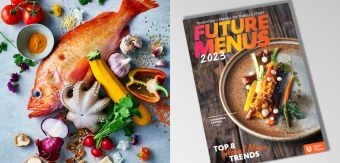
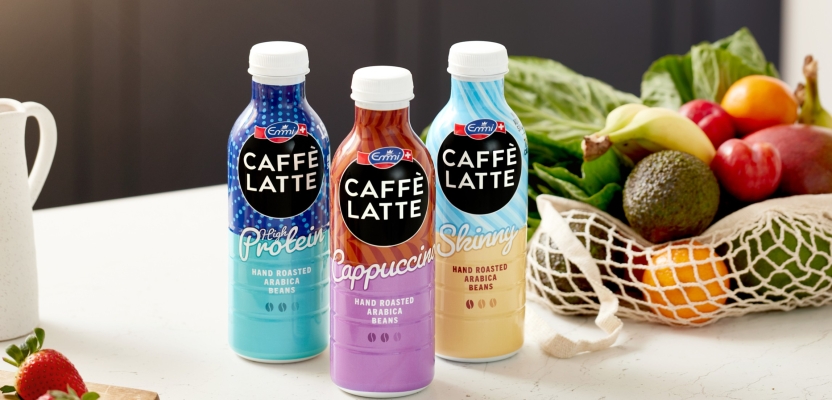
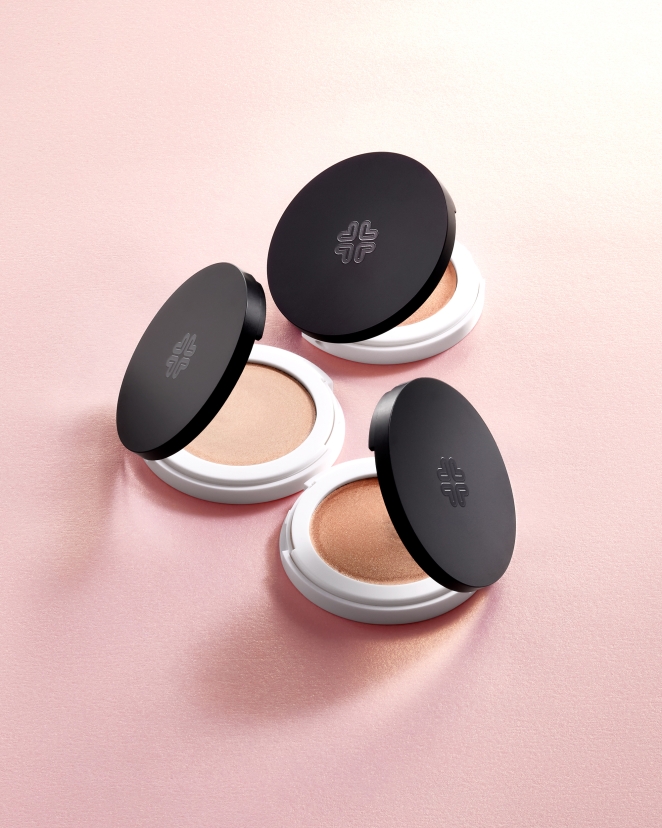
I am based in the Midlands these days, running my own little studio where I work for a multitude of clients across food, drinks and beauty. Some recent clients include; Costa, NEXT, Bonne Maman, Code 8, Kronenbourg and others.
What is your personal background and what role did it play in your career?
I started my working life in a butchers shop. A saturday job I had at school rolled into college job and then gap year(s) job while I figured some stuff out. When I lost one of my best friends in their late teens to cancer, that was a real kick to go and have a go at what I rally wanted to do.
If you weren’t in your current industry, what would you be doing?
I honestly don’t know. Its all I’m qualified to do. I guess maybe in another field where you are still creating - I always enjoyed woodworking and carpentry at school so maybe that… I don’t think I could do an office job or something like that.
Can you explain your creative process? What makes it unique?
I’m not sure if its unique or not, but maybe thats because its just the process I go through with most projects and clients. Preparation is a big one, asking the right questions, understanding each projects unique nuances and requests.

How would you describe your style?
I think in personal work I’ve really started to think about a unique viewpoint and have a few projects on the backburner that I need to get around to shooting soon. Also using your visual voice to comment on things, news stories, current affairs (I used to do this a lot more). I think also at heart I am still a geek about lighting, which most still life photographers are. You have to obsess over it to keep moving things forward and learning new techniques.
Which individuals do you gain inspiration from? Do you have any heroes in the industry?
Inspiration can come from everywhere, but to name a few specific artists/ photographers it would have to be;
Dan Tobin Smith, both stills and motion work is incredible. His personal series ‘alphabetical’ from a few years ago still slaps.
Gregory Crewdson. Everything about the images. Mundane americana, beautifully lit and timed, perfect castings and somewhat in-between moments.
Ansel Adams is always a nostalgic look back at where I aspired to be. Still love his work.
Its always nice to look back at the bygone era’s too. Tobacco advertising seemed the pinnacle of advertising back in the day.
What tips would you give to aspiring creatives looking for work?
Its really hard, but throw enough mud and some will stick. You have to be persistent in reaching out, making contacts etc. Sometimes you’ll send an email and it will be the perfect timing and you might get some work that way. Sometimes it might be 3 or 4 years until you get some work from someone/ an agency you’d love to work with. I remember taking my book into an agency every year for 6 years until I got a job out of them!
What tips would you give to other professionals to get more clients?
Remember to shout about yourself, your work and your successes. No one else will do that for you, and make yourself as visible to clients as possible by doing this (without being annoying, a very tricky balance)
Can you share a memorable experience from your career journey that shaped your approach to creativity?
It’s really hard to pinpoint one experience that shaped my approach to creativity, but rather a process that was born out of years of assisting a multitude of extremely talented photographers on my journey to becoming a photographer.
What kind of tools/kit/software could you not do without?
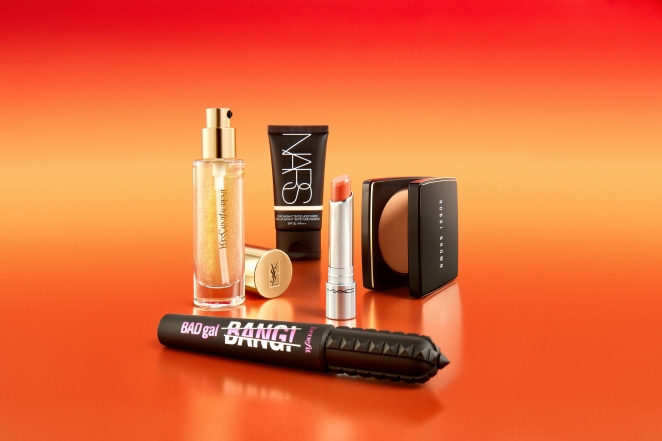
Obviously the main tools/ kit I need to do my job are the camera/ lenses and lighting. Other bits and pieces, diffusion. Any still life photographer will understand that. The pen tool on photoshop too, for pathing out etc.
What’s your secret to staying inspired and motivated?
I think always looking to learn and improve through personal work. So a idea you’ve had for a while and then techniques you’ve wanted to try without the pressure of a paying job looming over the top can be a great way to feel inspired about what you are doing again. Its easy to get bogged down into being busy shooting to a brief and with time constraints and pressure to get the job done, so shooting something for yourself can be a great way to motivate yourself.
What’s the work achievement you’re most proud of?
I’ve have a number of projects/ jobs used above the line, but I think seeing my work on a billboard for the first time has to be one of the best highlights.
As someone with experience in the industry, what trends do you foresee shaping the future of creativity?
AI is a big one - we have to be really careful that it isn’t used to replace creatives as it can only replicate what has come before it and it can’t critical think in the same way a human brain can. I think things might go back the other way with brands embracing human creativity and input, but AI is here to stay and I think that might look like speeding up workflows and replacing the mundane areas of jobs that used to slow us down. I see it being particularly useful when it comes to things like ecomm imagery.
What do you think sets apart truly exceptional creatives from the rest of the pack?
A deeper understanding of your medium and craft that comes from years of practicing in your niche/genre. Being able to offer effective solutions to a client’s problems without becoming dazed by the expectations, but also being able to manage things like budget and production and bring your own ideas to the table. Essentially adding value to every part of the experience in an effortless manor and being easy to work with. Experience is everything and I think these things become easier as you progress through your career as you’ll have times where you have done similar and can pull of past experience to make a project a success.

How do you think technology has influenced the creative industries and how have you adapted to these changes?
Technology has undoubtedly changed the way the creative industry operates these days. Everything has become almost instant - I do feel like there is a ‘fix it in post’ culture that sometimes doesn't appreciate that 5 minutes of tweaking can actually be quicker than the alternative of fixing it later. That said, being able to see what we are shooting and the ability for instant feedback has meant that quality of work produced has gone up massively. Working like this, and the ‘shoot to retouch’ process is part of my everyday workflow now.
I am still looking at how technology is moving and how I can implement some of these new areas into my workflow, helping with things like post production
What is the one thing that you would change about the industry?
I think the one thing that I would change would be, much like the film industry has, a unionisation of the photography industry to protect minimum day rates for everyone on set. The race to the bottom and people clambering for work has led to a reduction in rates, where as if there was a more structured approach it would protect those working in the industry, but at the same time stop extremely low budgets becoming commonplace.
Any websites, books or resources you would recommend?
Websites: Creative Review, Its Nice That, Creativepool (obviously). Pinterest is great for moodboarding, as is Instagram.
Gregory Crewdsons; Beneath the roses
Chuck Close; A couple of ways of doing something
Benedict Redgrove; Past and present dreams of the future
Joel Meyerowitz; Cape Light
Slim Aarons: Women
Stephen Shore; Uncommon Places