
From creating expressive book covers for international publishing houses to balancing illustration with graphic design, web design and digital marketing, illustrator and designer Carla Orozco has built a career shaped by curiosity, adaptability and authenticity. Based in Lausanne, Switzerland, her work combines bold femininity, emotional storytelling and striking visual identities inspired by her multicultural background and love of strong artistic voices.
In this interview, Carla shares how living in London helped shape her creative ambitions, why authenticity matters more than perfection, and how technology and AI are influencing the future of the creative industries. She also discusses her creative process, favourite tools, industry challenges and advice for aspiring creatives looking to grow their careers.
How did you first get into the industry?
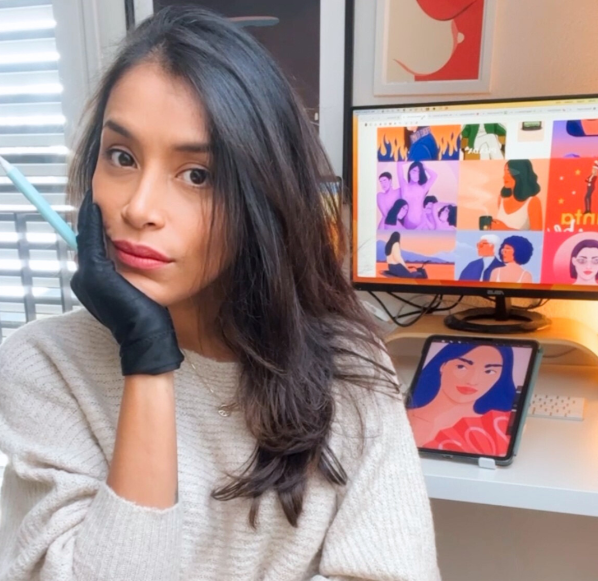 I’ve been drawing for as long as I can remember, but it was during my time living in London between 2011 and 2014 that I really started exploring the idea of turning art into a career. London felt like a place where anything was possible creatively, and being surrounded by such an inspiring artistic scene encouraged me to take my work more seriously.
Where are you based now and who do you work for?
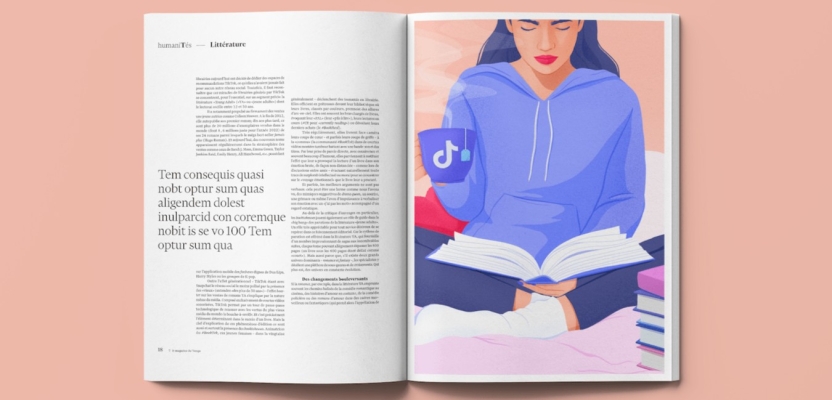
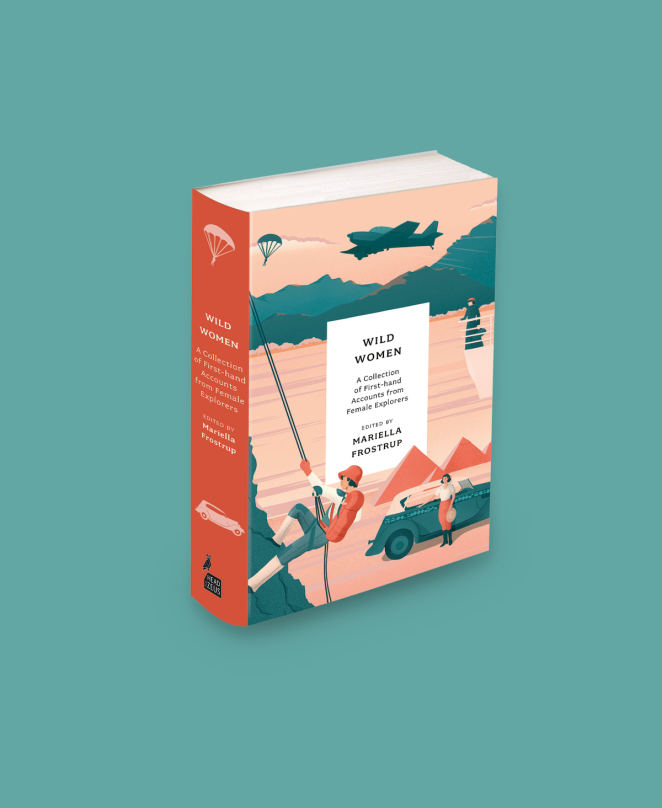
I’m now back in Switzerland, based in Lausanne. My illustration work is quite varied, but most of my clients are publishing houses, especially in the UK and US, where I create book covers and editorial illustrations. I also create portrait work for companies, including a Swiss company I’ve been collaborating with since 2024.
What is your personal background and what role did it play in your career?
I was born in Peru and moved to Switzerland with my family when I was very young. Growing up between different cultures shaped the way I see people, emotions, and identity, which naturally became important themes in my work. I’ve always been fascinated by strong women, femininity, and strong visual storytelling. My background also taught me adaptability, which has been essential in balancing creativity with entrepreneurship and building a career across different creative fields.
If you weren’t in your current industry, what would you be doing?
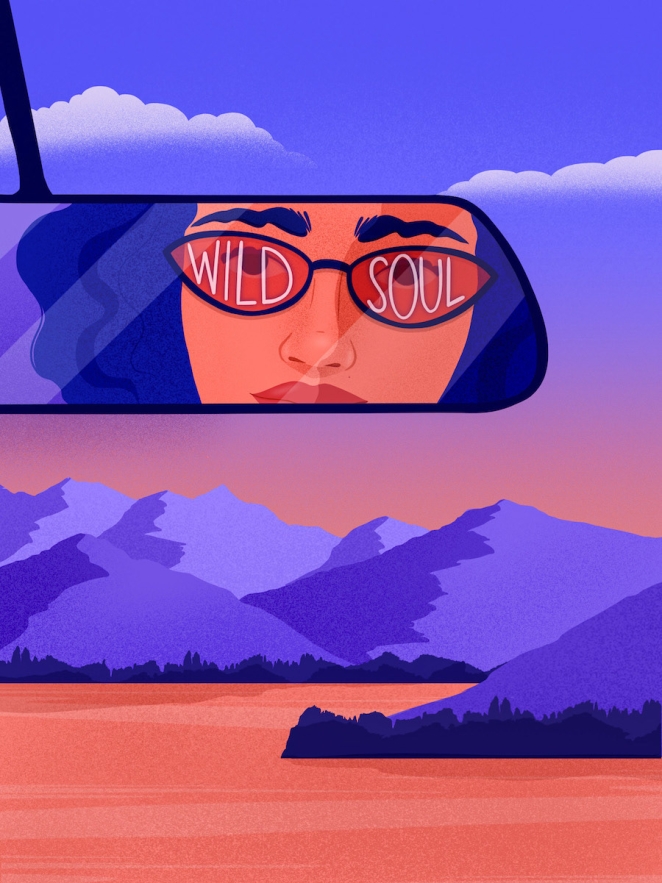 Well… I already work across different industries! I’m naturally very curious, creative, and probably a little hyperactive, so I get bored if I only do one thing. Alongside illustration, I also work as a graphic designer, web designer, and digital marketer. I additionally work part-time for a Swiss educational institution, where I handle administration and digital communication. I actually enjoy balancing creative work with more structured professional environments — it keeps me inspired and constantly learning.
Can you explain your creative process? What makes it unique?
For client projects, I like the brief to be clear and structured, but I always try to include a more unexpected or creative option that brings my own artistic vision into the project. Sometimes clients don’t even realise that’s what they were looking for until they see it.
For my personal work, the process is usually guided by a mood, a feeling, or even a single sentence that stays in my mind and slowly develops into an illustration. I’ve also realised that emotions strongly influence my creativity. I often draw my best work when I’m feeling a little melancholic. Ironically, I’m very happy at the moment… so maybe that’s not helping my artistic drama side!
How would you describe your style?
Bold, expressive, feminine, and slightly sassy.
Which individuals do you gain inspiration from? Do you have any heroes in the industry?
I really admire Malika Favre, of course, but also Josephine Rais, Camila Rosa, Blanca Fernández, and Clémence Gouy. I love artists with strong visual identities and confident use of colour and shape.
What tips would you give to aspiring creatives looking for work?
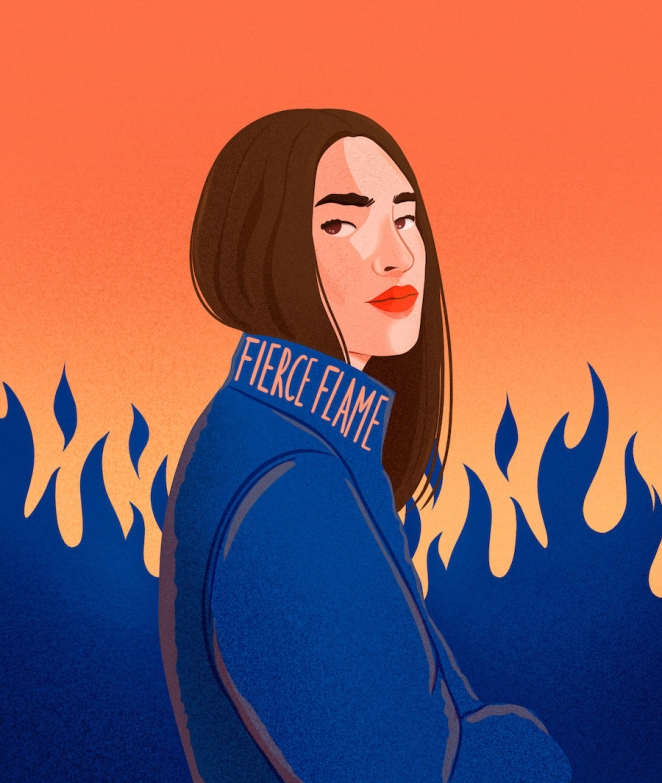 Create consistently and share your work with the world, even when it doesn’t feel perfect. It’s important not to wait for perfection before putting yourself out there. You also have to actively look for opportunities, contact people, and make use of social media to show your work and connect with others.
What tips would you give to other professionals to get more clients?
I’m probably not the best person to give art business advice! But I would say that authenticity matters a lot. Clients connect with people who feel genuine and aligned with their own creative voice. Staying true to yourself is incredibly important.
Can you share a memorable experience from your career journey that shaped your approach to creativity?
I used to be extremely perfectionistic, and over time I realised that perfection can sometimes slow the creative process too much. I’ve also learned that clients don’t always know exactly what they want at the beginning of a project, so communication and defining expectations early on are just as important as the artwork itself.
What kind of tools/kit/software could you not do without?
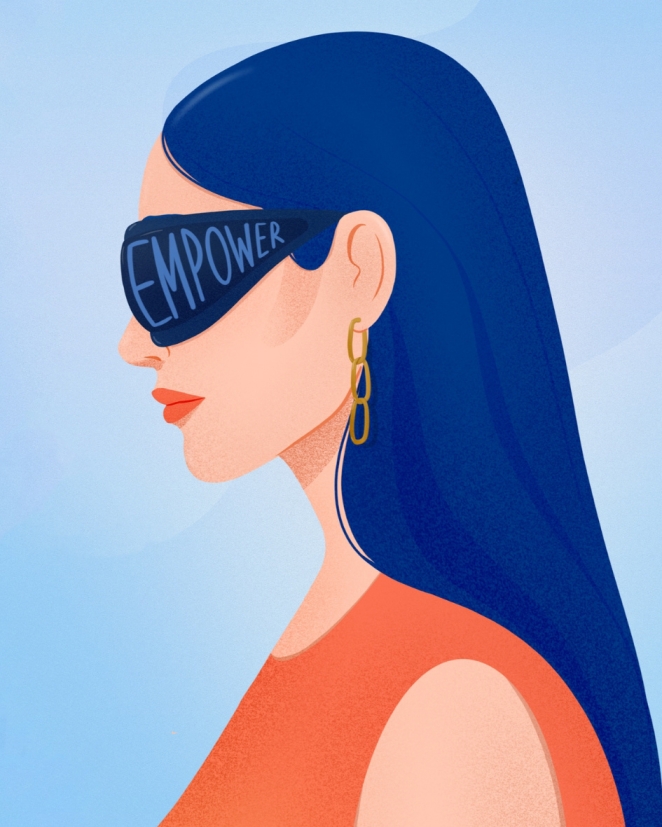 Procreate, Adobe Photoshop, my Apple iPad Pro, and my Apple Pencil.
What’s your secret to staying inspired and motivated?
Honestly… scrolling a little too much online! But inspiration can come from everywhere: fashion, colours, photography, conversations, music, or even random moments during the day.
What’s the work achievement you’re most proud of?
One of my proudest moments was having my work exhibited through one of my clients. Seeing my illustrations printed and displayed was incredibly rewarding, and even more special because my daughter was so impressed to see her mum’s artwork on the walls.
As someone with experience in the industry, what trends do you foresee shaping the future of creativity?
 We’ll definitely have to learn how to work alongside AI. I already use it sometimes to get feedback or different perspectives on my work. I don’t think creatives should fear it, but rather learn how to use it intelligently and keep the human, emotional side of creativity alive.
What do you think sets apart truly exceptional creatives from the rest of the pack?
Authenticity. Finding your own style is already difficult, but staying true to it is even harder. Exceptional creatives aren’t afraid to evolve while still remaining recognisable and honest in their work.
How do you think technology has influenced the creative industries and how have you adapted to these changes?
Technology has changed creative industries massively, although it depends on the type of work you do. As someone managing several creative activities at once, technology helps me a lot with the parts I enjoy less, like writing, invoicing, or administrative tasks. It gives me more time and energy to focus on creating.
What is the one thing that you would change about the industry?
I would love to see better financial recognition for creative work. The creative thinking and research behind a project often take far more time than people imagine. I’d also love to see more equality in pay and opportunities between male and female illustrators.