
When Payscale launched its refreshed brand identity, it needed a film that could capture attention, build excitement, and unite teams around a shared message. The challenge was handed to Ok Social, led by Founder & Creative Director Jack Last and Head of Partnerships Jimmy Gordon, who were tasked with turning Fight or Flight’s brand vision into a fast-paced, visually striking brand launch film. Working against a tight three-week deadline, the team set out to translate the strategy and design into motion — bringing the new identity to life through engaging storytelling and bold animation.
Collaborating closely with agency partners and a global remote team, Ok Social crafted a seamless production process that blended creativity, communication, and technical excellence. The final film didn’t just showcase Payscale’s new look — it embodied the brand’s energy and purpose, connecting emotionally with audiences while aligning internal teams. It’s a standout example of how motion design and brand storytelling can work hand in hand to elevate a brand launch beyond visuals and into meaningful engagement.
What was the brief?
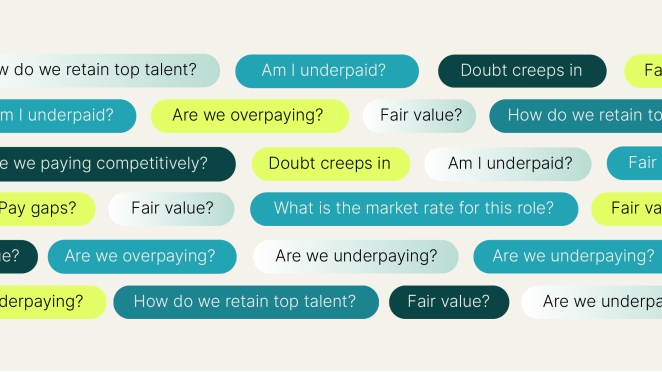
We were tasked with creating a brand launch film that took the brand work Fight or Flight had created and turn that into a fast-paced, engaging motion piece that would build hype and showcase the new brand internally and externally as well as getting internal teams aligned on messaging.
How did the initial pitch/brainstorming phase go?
As this was a fast-paced project, the initial brainstorming stage had to be done relatively
quickly. We put together some references, working closely with their brand guidelines to establish a motion style we could use for this film. We then presented this to the client, discussing ideas and how we could bring them to life. This acted as our initial foundation for the project.
What was the process behind ideating the concept?
The script had been crafted by the team at Fight or Flight, so we were brought in to help visualise the script in the best way possible. First, we reviewed the script, identifying the key parts that required the most energy. Our goal was to have an arc that started slow and built momentum as the film progressed, keeping the audience engaged throughout.
What was the production process like?
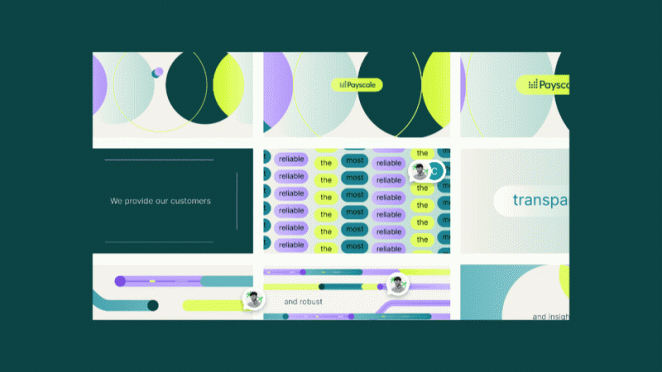
Working to a tight deadline of just 3 weeks, we leveraged the benefit of our remote team around the world, creating a round-the-clock production cycle.
We set up a comms channel with the FoF team, mapped out a project timeline and utilised tools like Boards and Frame.io to create a smooth feedback flow.
What was the biggest challenge during production? How did you overcome it?
Like a lot of projects that have a fast turnaround like this, often the biggest challenge is getting the story and the visual aligned. Ensuring that everyone's satisfied with how things look and how they connect with the script. This is generally the point of the project where we have the most feedback and discussions around design and transitions, etc.
What’s the main message of this project and why does it matter?
The main purpose of this film was to build excitement and alignment around the new visual identity both internally and externally. It was also used to help Payscale speak directly to their customers painpoints and state what their platform helps to solve.
How long did it take from inception to delivery?
It ended up being just over a 3-week turnaround from start to finish. We also produced different formats and cuts, including a 16:9, 4:5, and shorter cut-downs to be used across socials.
How did you ensure that the concept aligned with the brand's values, goals, and target audience?
We worked closely with our partners at Fight or Flight to understand in depth the journey they had taken with the new brand direction and how we could ensure this film would align well.
Can you discuss any collaborative or interdisciplinary aspects of the ideation process, such as working with other departments or external partners?
We were brought in by our friends at Fight or Flight to help them deliver the film on a tight deadline. We worked closely with their team to help deliver on their vision for the film by understanding in depth from day one the clients needs and audience. From here, we took the visual style they had developed and began creating motion tests to give a few options on direction. We set up an open comms channel to reduce friction with back and forthing via email, with the timeline being tight, we also locked in key dates for deliveries and feedback on both FoF and client side to keep things moving.
Can you discuss any unique or unconventional production techniques or approaches used to bring the idea to life?
With every project, we always like to spend a bit of time in the early stages exploring different ways of solving the problem, such as using different tools and techniques. For this project, we initially explored some animation techniques in Cavalry, a motion design software. Although we've explored some initial techniques in Cavalry, we felt for this project and the turnaround time we had, we thought it was best to stick with After Effects for the final animation.
Creative Director - Jack Last
Head of Partnerships - Jimmy Gordon
Art Director/Designer - Thiago Biazzoto Campos
Motion designer - Andrew Ramirez
Motion designer - Christopher Rocha
Audio - Thomas George