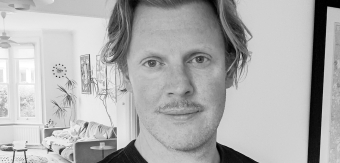

Abdul Malik Okuev didn't plan a career in 3D motion design. After spending much of his life working in construction, a commercial that he initially mistook for live-action footage opened his eyes to the creative possibilities of 3D. Today, the Tbilisi-based 3D motion designer and CGI artist runs Ne.Motion Studio, bringing a precise, considered approach to visual creation.
In this Creativepool interview, Abdul shares the thinking behind his work, the influences that have shaped his distinctive style, and the lessons he has learned while building a career in a new industry. He also reflects on what makes creative work stand out in an era when AI can produce increasingly convincing visuals.
How did you first get into the industry?
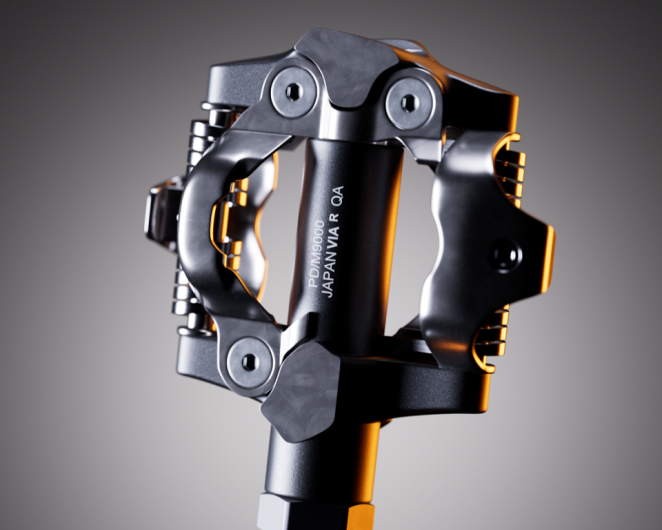
I actually fell into 3D entirely by chance. For most of my life, I made a living working in construction, but I always had an itch to learn something new. One day, a graphic designer friend showed me a commercial, and I was completely mesmerized. At first, I couldn't even believe it was 3D, I was convinced it was just exceptionally shot live-action footage. Once I started digging into how it was made, I realized the vast scope and creative power of 3D. That single realization sparked my shift into the design world.
Where are you based now and who do you work for?
I am currently based in Tbilisi, Georgia, working as an independent artist and founder of Ne.Motion Studio. I collaborate closely with international creative agencies, production studios, and directly with select brands to elevate their visual identity and product presentation through 3D.
What is your personal background and what role did it play in your career?
Having spent most of my life playing sports and working in construction, I developed a unique discipline and work ethic. Construction taught me structural logic, spatial awareness, and respect for materials, while sports built resilience. In my 3D work, I apply that same ethos: I treat every scene like a physical build where form follows function, ensuring every element, light source, and texture serves a distinct purpose rather than just looking pretty.
If you weren’t in your current industry, what would you be doing?
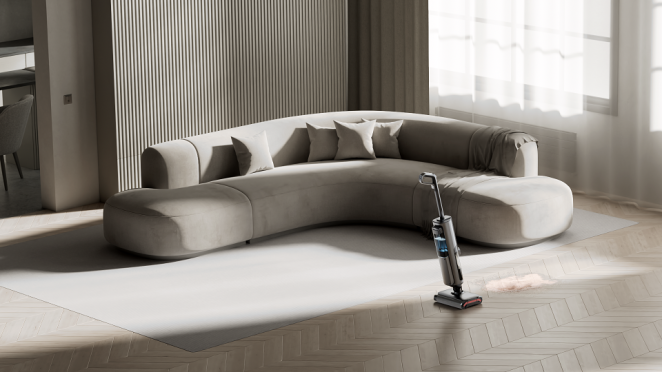
I would likely be fully focused on vibe coding and software development. I already do it in my free time as a hobby, building mobile apps and tools. That said, I wouldn't rule out construction either I know the craft inside out, and I still love building tangible, real-world things.
Can you explain your creative process? What makes it unique?
I rely on a clear, structured pipeline. First, I dive deep into understanding the core objective whether for a client or a personal initiative. Once the concept is clear, I put together a research-backed presentation to align on direction. During production, I start with a rough 3D blocking phase to lock in composition, scale, and motion timing without getting distracted by details. From there, I iteratively layer in complex geometry, lighting, textures, and post-processing before rendering out the final, structured deliverable.
How would you describe your style?
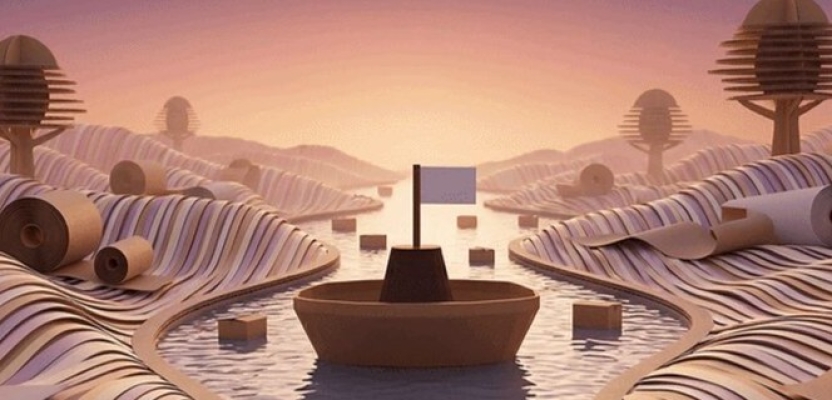
Clean, precise, and purposeful design. It sits at the intersection of Swiss typography and brutalist aesthetics, defined by realistic material textures, strong light contrast, and zero fluff. Every design decision is justified by content.
Which individuals do you gain inspiration from? Do you have any heroes in the industry?
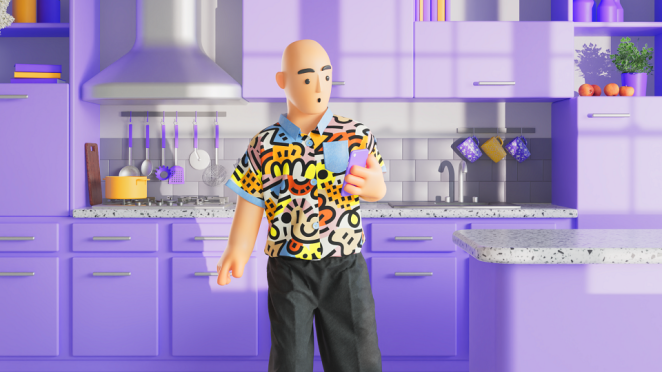
I really admire how Thanos Kagkalos approaches research for his projects, pulling deep meanings from traditional heritage and daily life. Beyond 3D, my main sources of inspiration are traditional garments, patterns, and the architecture of indigenous cultures—especially from the Caucasus region. There is incredible aesthetic depth, texture, and history in those roots.
What tips would you give to aspiring creatives looking for work?
Show your process, not just the polished end result. Break down your thinking, iteration steps, and project development. I took a long time to realize how powerful this is, even though it's right in front of us. Secondly, practice constantly and get your work in front of experienced designers. Seek out constructive critique, absorb it, and apply it directly to your next project.
What tips would you give to other professionals to get more clients?
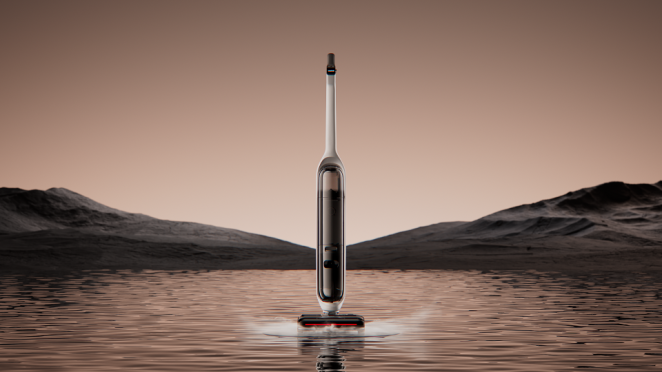
Stay consistently visible and active online. Share your work in progress, tell stories behind your decisions, and maintain a regular presence on social media. In today's market, that is crucial. Many believe that if they just master the craft, clients will magically appear, but that’s rarely how it works. You have to stay top-of-mind so people remember you when opportunities arise.
Can you share a memorable experience from your career journey that shaped your approach to creativity?
I can't pinpoint a single eureka moment; my growth happened gradually with every single project. Coming from a non-creative background, design was a tough discipline to master, and I'd say I'm still actively shaping my voice today. The biggest lesson I’ve learned is to constantly search for the right form to convey information whether that form sits on the surface or lies far beneath obvious meanings.
What kind of tools/kit/software could you not do without?
Cinema 4D and Redshift are the indispensable core of my workflow. Supporting tools like After Effects, Photoshop, and Clo3D are essential, but while I could adapt to substitutes for post-production, I genuinely cannot imagine my work without Cinema 4D. In theory, I could switch tools, but honestly, I'm too set in my ways to learn a whole new interface and pipeline!
What’s your secret to staying inspired and motivated?
There is no secret for me, it’s just work and routine. Some days I love it, other days I can't stand it, so finding balance is key. My best advice for staying sane is to engage in physical activity or simply go for long walks to reset your mind away from the screen.
What’s the work achievement you’re most proud of?
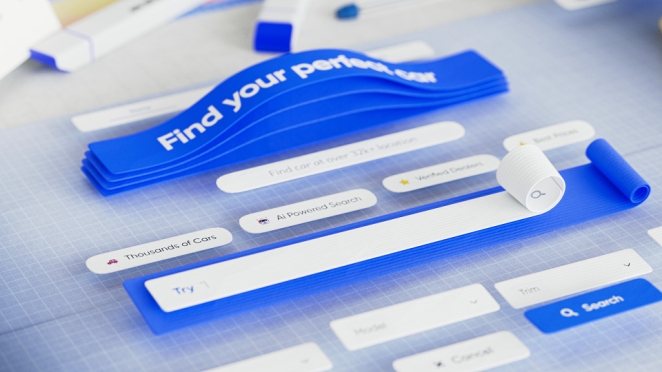
Creating a 3D commercial for a global automotive brand. It was a massive, high-dynamism campaign, and the final video went on to gather over 5 million views.
As someone with experience in the industry, what trends do you foresee shaping the future of creativity?
I anticipate a strong shift toward a "handmade," intentionally imperfect aesthetic. AI has heavily blurred the lines between pristine 3D renders and generative art. A slick, hyper-polished image no longer surprises anyone. People are starting to crave tactile, slightly "raw" visual textures where you can actually feel the human hand behind the work.
What do you think sets apart truly exceptional creatives from the rest of the pack?
Truly exceptional creatives possess a natural gift that they have honed to absolute mastery, allowing them to shift trends and influence entire generations. Through hard work, relentless practice, and discipline, we can get close to that tier but all else being equal, without that genuine inner spark, it's impossible to reach true greatness.
How do you think technology has influenced the creative industries and how have you adapted to these changes?
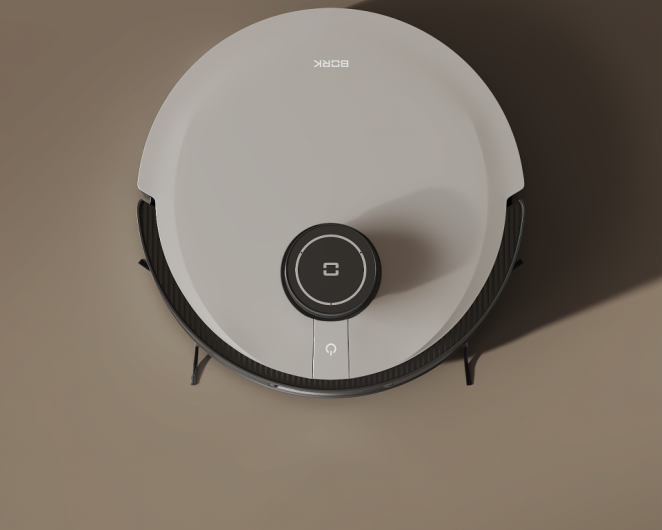
Technology has empowered us to bring the wildest ideas to life at unprecedented speeds. I view this rapid evolution with a mix of awe and slight apprehension. Looking at AI content: a few years ago, I couldn't have imagined models generating this tier of fidelity, and now they produce clean images and full video clips. It’s almost intimidating to think about where we'll be in just a few years.
Any websites, books or resources you would recommend?
I'm not much for heavy reading or scrolling design blogs, but I whole-heartedly recommend The Non-Designer's Design Book by Robin Williams. It is a straightforward, highly accessible, and incredibly useful primer for anyone wanting to grasp the core rules of visual hierarchy and design.