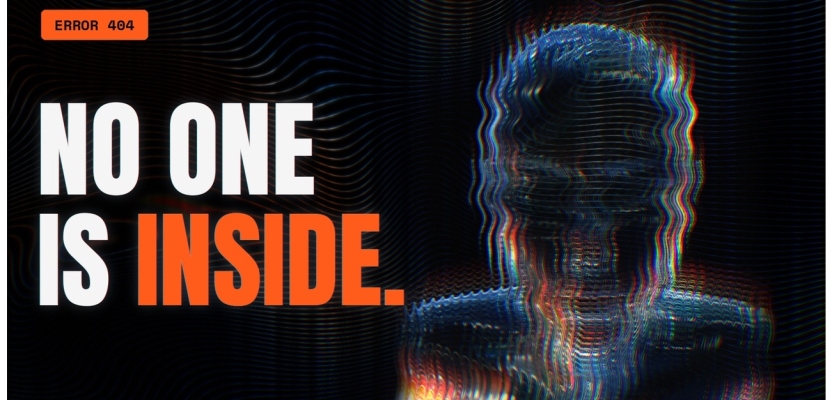

Every AI model is built from us: our books, arguments, jokes, confessions and 2 a.m. searches. It takes in the whole noise of humanity and plays it back so fluently that we forget nobody is home.
It can write a condolence message without having lost anyone. It can argue for justice without ever having been treated unfairly. It can say "I understand" without understanding anything.
We call this an experiment in artificial intelligence. But think about who is actually changing.
The machine doesn't wake up different tomorrow. We do. We trust a little faster, think a little less and hand over a little more. Every prompt teaches us what we're willing to outsource: our writing, then our judgment, and maybe eventually our sense of what is true.
So maybe the experiment was never about whether machines can become human. Maybe it's about whether humans stay human when a perfect imitation is always one click away.

Some questions to sit with:
- If an AI can copy your voice, your style and your opinions, what part of you can't be copied?
- When a machine with no inner life comforts someone, is the comfort less real?
- Are we training AI, or is AI training us to think in prompts, shortcuts and instant answers?
- If future AI learns mostly from AI-generated content, whose humanity is left in it?
- What will we lose first: the ability to think deeply, or the desire to?
- In 20 years, will "human-made" be a luxury label?
The danger isn't that AI becomes too human. It's that we become comfortable with copies and stop noticing what's missing.

So I'll ask you: in this experiment, are you the scientist or the subject?
#AI #ArtificialIntelligence #Humanity #FutureOfWork #Ethics #CriticalThinking