

A creative portfolio is more than a CV. It’s effectively an argument (hopefully a compelling one) made in your absence. It has to explain who you are, what you’re capable of and why somebody should trust you with a brief, often before you’ve had the chance to say a single word.
That makes every project a piece of evidence. Unfortunately, it also makes every irrelevant image, vague description, broken link and self-indulgent paragraph evidence of a different kind.
We naturally think about improving a portfolio by adding things. Another campaign. Another case study. Another animation swooping across the homepage to demonstrate that, yes, you have discovered After Effects. Yet the most useful portfolio advice is often much simpler: take things away.
This isn’t about reducing years of work to three tasteful thumbnails and a cryptic email address. It’s about removing anything that dilutes the work you want to be judged on. In a creative employment market where reviewers are making rapid initial decisions, your portfolio needs to reveal its value almost immediately. As our guide to what makes a digital portfolio stand out explains, recruiters may spend only seconds on that first scan.
Peter Stylianou, Creative Director at PeteSake Designs and a multidisciplinary creative leader with more than 15 years of experience across design, branding, gaming and digital products, puts it beautifully:
“A portfolio should not be a museum of everything a creative has ever made. It should be a clear, curated argument for why someone should hire that person now.
In 2026, people reviewing creative work are overloaded. Recruiters, hiring managers, creative directors and founders are scanning through more applications, more links and more case studies than ever. That means clarity matters. If a portfolio takes too long to understand, hides the best work, or forces the reviewer to guess what the person actually did, it is already working against the candidate.”
So, open your portfolio, summon your most ruthless editorial instincts and start cutting.
Why a Stronger Portfolio Often Starts With Removing Work

Swerve Represents
Most portfolios don’t become bloated through vanity. They become bloated through anxiety.
Removing a project can feel like erasing a chapter of your career. You remember the late nights, the ridiculous feedback, the breakthrough idea and the minor miracle required to get it over the line. Surely all that effort deserves a place?
Emotionally, perhaps. Strategically, not necessarily.
A recruiter doesn’t share your history with the project. They can only judge what’s in front of them. If the work looks dated, irrelevant or noticeably weaker than everything around it, the emotional significance of the experience won’t rescue it.
Your portfolio is not your complete professional archive. Keep that archive privately, by all means. Your public portfolio has a narrower job: to create confidence in what you can do next.
1. Work That No Longer Represents Your Current Level
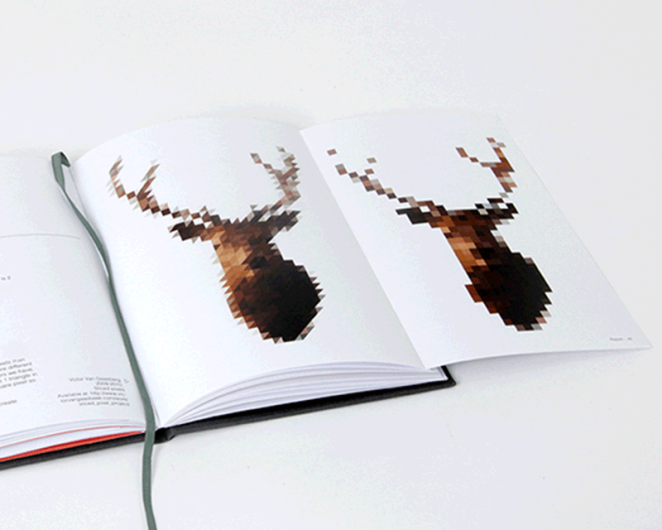
Sam Ruault
The first removal is usually the most obvious and the most painful: old work that you’ve outgrown.
Old work isn’t inherently bad. Some projects have longevity because the idea remains sharp, the craft still holds up or the story demonstrates something valuable that your more recent work doesn’t. A ten-year-old campaign can earn its place if it still looks and feels like something you’re proud to defend.
The problem is work that announces a version of you that no longer exists.
Perhaps the typography now makes you wince. Maybe the thinking was shallow, the execution relied heavily on a passing trend or your role was too peripheral to say anything meaningful about your capabilities. Whatever the reason, if you have to apologise for a project before explaining it, it probably shouldn’t be there.
Stylianou adds: “One of the first things creatives should remove is work that no longer represents their current level. Old work is not automatically bad, but if it no longer reflects the standard, taste or direction of the person today, it should not be leading the portfolio. A strong portfolio is not about showing everything. It is about showing the right things.”
Should you remove old work from your portfolio? Yes, when age has turned it from evidence into baggage. Judge it by relevance and quality rather than its date. If an older project remains one of your strongest, keep it. If it survives only because you once loved it, preserve it elsewhere.
There’s also a distinction between keeping something and leading with it. A project with historical value might sit deeper in the portfolio while newer work establishes your current standard immediately.
2. Work That Doesn’t Support Where You Want to Go

Kate Harmsworth
Your portfolio shouldn’t simply describe where you’ve been. It should point towards where you want to go.
If you’re trying to move from social content into brand strategy, a portfolio dominated by isolated Instagram graphics is unlikely to make the transition feel convincing. If you want to direct, but every project presents you exclusively as an executor, the reviewer has little reason to imagine you in a leadership role.
This doesn’t mean pretending you already have a career you haven’t yet built. It means selecting work that highlights transferable evidence. A self-initiated brand concept might reveal strategic thinking. A small campaign could demonstrate art direction if you clearly explain how you shaped it. A side project may do more for your ambitions than a large commercial project in which your contribution was minimal.
Indeed, a thoughtfully presented side project can be a powerful hiring signal, particularly when it fills a gap your paid experience hasn’t yet allowed you to fill.
Ask yourself a blunt question: if somebody hired me based entirely on this portfolio, would they hire me to do the work I actually want?
If the answer is no, remove or reduce the projects pointing in the wrong direction.
3. Mediocre Filler and Near-Duplicate Projects

Lee Stuart Shepherd
One of the most common portfolio mistakes is assuming quantity creates credibility. It usually creates a larger sample in which the reviewer can discover your weaker work.
Six persuasive projects will almost always beat 16 projects of wildly varying quality. Once someone has seen three similar logo designs, five almost identical social campaigns or every execution from the same brand rollout, the additional material stops proving range. It starts proving that you can’t edit.
There’s no universal answer to how many projects a portfolio should have because a motion designer’s reel, an illustrator’s gallery and a product designer’s case studies perform different jobs. For most creatives, somewhere around five to eight substantial, relevant projects is a sensible starting point. A UX or product portfolio might need only three or four deeper case studies, while an illustrator or photographer may show a broader selection, provided the work remains tightly organised.
Junior creatives shouldn’t panic if they don’t have eight commercial projects. Four strong pieces, including personal, academic or speculative work, can be far more convincing than a padded portfolio full of exercises you don’t believe in. Creativepool’s own guide to creating the perfect portfolio recommends beginning with at least four well-presented projects rather than waiting until you’ve accumulated an enormous body of work.
Remove the filler. Remove the seventh example of the same skill. Remove anything included chiefly to make the contents page look busier.
You’re not being hired by the kilogram.
4. Attractive Work With No Context
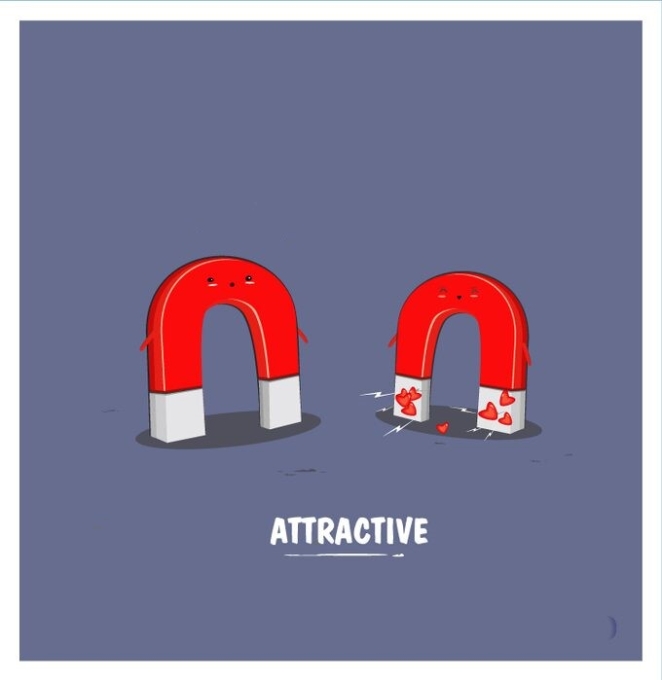
DOWNSIGN
A beautiful image can stop the scroll. It can’t necessarily close the argument.
Reviewers want to understand what they’re seeing. Was it commissioned or self-initiated? What problem was being solved? Who was the audience? What constraints shaped the answer? Was the final result yours, or were you responsible for one small element within a much larger production?
Without context, even excellent work becomes ambiguous.
Stylianou explains: “A polished image might catch attention, but it does not explain the thinking behind it. The reviewer should be able to understand what the problem was, what role the creative played, what decisions were made and what impact the work had. This is especially important in team-heavy industries like gaming, iGaming, advertising and product design, where final output is often the result of many people working together.”
Remove the mystery and replace it with a concise frame. The first screen or page of a project should ideally tell us the client or project, the challenge, your role, the central idea and the outcome. It doesn’t need to explain every meeting, sketch and strategic detour. It needs to orient the reader.
This is particularly important for technically impressive work. A recruiter outside your discipline may not understand how difficult a piece was to create. A creative director may recognise the quality but still have no idea whether you conceived, directed, designed, animated or merely uploaded it.
Never force the reviewer to reverse-engineer your value.
5. Case Study Content That Doesn’t Prove Anything

Steve Lewis
Case studies have become such an established part of portfolio advice that many creatives include them almost ritualistically. There’s a title, a paragraph about the client, some process images and a triumphant beauty shot at the end. Job done.
Except, often, nothing meaningful has been communicated.
A weak case study describes the sequence of events without illuminating the decisions. “The client wanted to refresh its identity. We conducted research and developed a bold new visual system.” Fine, but what was wrong with the old identity? What did the research reveal? Why was this visual direction appropriate? What alternatives did you reject? What had to be preserved? How did the work perform?
Stylianou adds: “A case study that simply says “the client needed a redesign, so here is the final result” does not say enough. Strong case studies show decision-making. They explain why a direction was chosen, what constraints existed, what trade-offs were made and how the creative solved the problem. Most senior opportunities are not won through visuals alone. They are won through proof of thinking.”
That last sentence matters. At senior level, the polished output is often only the entry requirement. Employers want evidence that you can make decisions, manage ambiguity, work within constraints and defend a creative direction without bursting into flames when a client asks why the logo is blue.
Our guide to writing a case study that really stands out recommends creating different levels of detail. A reader scanning for 30 seconds should understand the project, role, idea and result. Someone who stays for five minutes should find the challenge, process and principal decisions. A specialist can then investigate the supporting detail.
Remove empty scene-setting, generic agency language and self-congratulatory adjectives. Replace them with evidence.
6. Unclear, Inflated or Conveniently Vague Ownership

Eugene Borodulin
Creative work is collaborative. Pretending otherwise doesn’t make you look more talented. It makes you look slippery.
When a portfolio shows a major rebrand, national campaign, AAA game or complex digital product but never explains who did what, suspicion naturally enters the room. Did you develop the strategy? Design the identity? Create one icon? Attend the launch party?
Stylianou says: “There is nothing wrong with collaboration, but portfolios need to be honest about contribution. If someone was the art director, designer, strategist, UI lead, motion designer or part of a wider team, that should be clear. Vague ownership creates doubt. Clear ownership builds trust.”
Credits don’t diminish your contribution. They make it credible.
Use plain language: “I led the visual identity and directed a team of three designers.” “I designed the UI system; research and UX were led by…” “I developed the campaign concept with the creative director, then produced the social executions.”
The clearer you are, the easier it becomes for a reviewer to match your experience to their need. It also gives you something honest and specific to discuss at interview. As Creativepool’s role-by-role guide to building your best portfolionotes, even work in which you played a smaller part can be included, provided your contribution is crystal clear.
Remove “we” when the reader needs to know “I”. Remove “I” when the truth was “we”.
7. Confidential Information You Aren’t Entitled to Show

Luciano Koenig Dupont
NDAs create a genuine portfolio problem, particularly in gaming, product design, technology and agency environments. Your strongest work may also be the work you’re least able to share.
Stylianou knows this problem first-hand:
“Some of the strongest and most recent work is often heavily protected. New products, unreleased campaigns, monetization flows, internal concepts, pitch decks and product strategy work often cannot be shown publicly. This creates a strange situation where creatives may have to show older or safer work, even when their latest work is stronger.”
The solution is never to quietly ignore the agreement and hope the recruiter appreciates your initiative. If anything, casually exposing confidential material gives a future employer a compelling reason not to trust you with theirs.
What you should remove is the protected information, not necessarily every trace of the experience.
Stylianou adds: “The answer is not to break confidentiality. The answer is to present smarter. Creatives can use public-facing assets, anonymised case studies, blurred sensitive information, high-level process breakdowns, fake data, simplified flows or representative examples that show the type of thinking without exposing protected details. Respecting an NDA should not weaken a portfolio. If anything, it should show that the person can be trusted.”
Ask permission where possible. An employer or client may approve public-facing assets, a sanitised version or a password-protected presentation shared selectively. If measurable results are sensitive, you may be able to use percentages, indexed improvements or qualitative outcomes instead of commercial figures.
Don’t blur so much that the case study resembles evidence from a particularly stylish crime scene, however. The reviewer must still learn something useful about your thinking. If anonymisation removes all meaning, create a representative example that demonstrates the method without pretending to be the confidential project itself.
8. A Generic “About Me” Section
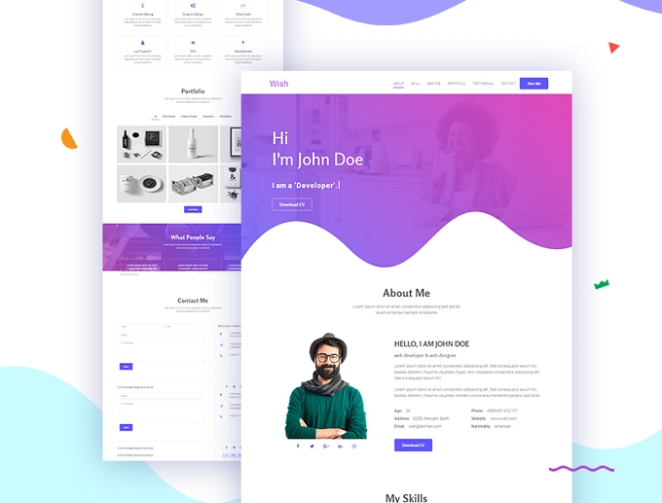
Syed Raju
“I’m a passionate creative and multidisciplinary problem solver who thrives at the intersection of ideas, innovation and impact.”
You and half the industry.
Generic biography copy wastes some of the most valuable space in a portfolio. It sounds professional because it resembles other professional-sounding copy, but it tells the reader almost nothing they can use.
“Generic “about me” sections are another easy fix. Phrases like “passionate creative,” “problem solver” or “team player” do not say much anymore. A stronger intro explains what kind of problems the person solves, what industries they understand and what makes their creative thinking useful. The portfolio should not only show what someone made. It should explain why their brain is valuable.”
Write the introduction only you can write. What kind of creative are you? Where are you strongest? Which problems do people bring to you? Which industries, audiences or formats do you understand particularly well? What combination of experience makes you useful?
“I’m a brand designer specialising in making complicated financial products feel human” creates a picture.
“I’m a senior motion designer who turns dense scientific ideas into stories general audiences can understand” creates a picture.
“Passionate creative” creates a fog.
Personality is welcome, but relevance comes first. Remove the buzzwords and give the reader a reason to remember you.
9. Anything That Creates Unnecessary Friction

Jonathan Ford
The experience of using your portfolio is itself a sample of your work.
That can feel unfair if you’re an illustrator wrestling with a website builder or a copywriter who has somehow spent four hours trying to resize a headshot. Nonetheless, the reviewer experiences the portfolio as a product. Confusing navigation, illegible text and broken mobile layouts affect how the work is perceived.
Stylianou explains: “Portfolios should also remove anything that creates friction. Huge PDFs, broken links, confusing navigation, endless password walls, tiny screenshots and unclear categories all make the reviewer work harder. The experience of reviewing the portfolio is part of the portfolio itself. If the journey is confusing, people may assume the thinking is too.”
Test the portfolio on a laptop and phone. Send it to somebody who hasn’t seen it before and ask them to find your strongest project, identify what you do and locate your contact details. Don’t guide them. Their confusion is your usability test.
Pay particular attention to load times, video controls, PDF file sizes, contrast, font size and embedded media. Make sure external links open where expected and password instructions are actually included in the application. If several confidential case studies require different passwords, consider whether a single controlled presentation would create a saner experience.
Research into how people scan information online also reinforces the value of meaningful headings and a clear hierarchy. Reviewers are looking for signals of relevance. Help their eyes find them.
Remove the cinematic loading screen. Remove the mystery-meat navigation. Remove the contact form that hasn’t worked since 2023. Nobody has ever awarded a job out of admiration for the patience required to find an email address.
10. The Small Mistakes That Make the Whole Thing Feel Unfinished

Christian Hopkins
The last category contains all the details too small to deserve a case study of their own but large enough, collectively, to make a portfolio look neglected.
Remove placeholder copy, orphaned captions, duplicate thumbnails, abandoned categories and projects labelled “coming soon” six months later. Delete outdated job titles and software you haven’t used in years. Correct inconsistent dates, typos and credits. Replace compressed images that turn carefully crafted typography into porridge.
Check that your CV, portfolio, LinkedIn and Creativepool profile describe the same professional. They don’t have to repeat one another word for word, but they should tell a coherent story. If one calls you a brand strategist, another presents you as a UI designer and the work consists entirely of illustration, the reviewer has been handed a puzzle they didn’t ask to solve.
Be careful with showreels, too. A 90-second reel containing 30 seconds of excellent work and a minute of filler is a 30-second reel wearing an overcoat. Cut it. Lead with the strongest material because many reviewers won’t wait for the dramatic crescendo.
Finally, remove anything produced or embellished with AI that you can’t confidently explain, defend or claim. AI can be a legitimate part of the process, but undisclosed synthetic case studies, invented results and suspiciously inconsistent craft create questions about authenticity. If AI played a meaningful role, say what it did and what you did.
Professionalism isn’t sterility. A portfolio can be strange, playful, loud or deeply personal. It simply has to feel intentional. Mistakes make it look unfinished because they reveal decisions nobody made.
Remove the Work That Weakens Your Portfolio

Simon Mannion
The hardest part of curation is that a project can be good and still need to go.
It may be too similar to something better. It might prove a skill that’s no longer relevant. It could require so much explanation that it distorts the rest of the portfolio. Removing it doesn’t mean the work failed. It means it has finished serving this particular purpose.
This is also why you shouldn’t maintain one rigid portfolio for every opportunity. The core identity should remain consistent, but the order and emphasis can change. A studio hiring for brand systems may need different evidence from a founder looking for a versatile first designer. Tailoring isn’t dishonesty. It’s communication.
If you’re applying repeatedly without reaching interviews, review the portfolio as part of the wider application rather than assuming the work speaks perfectly for itself. Our exploration of why talented creatives still get rejected makes the same point: a portfolio can contain good work and still fail because it’s cluttered, overly complicated or strategically incoherent.
The Final Portfolio Audit: What Should Stay?
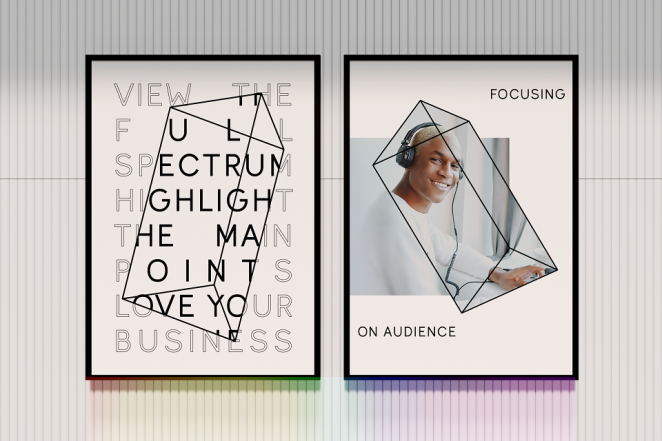
Milena Babina
Once you’ve completed the removals, look at what remains and ask five questions of every project.
Does this represent the quality of work I can produce now? Does it support the kind of work I want next? Can somebody understand the problem, my contribution and the outcome quickly? Does it reveal something about my judgement that another project doesn’t? Would I be happy to discuss every decision in an interview?
If a project earns five confident answers, it stays. If it earns three hesitant ones and an emotional speech about the summer of 2017, it may be time to let it retire.
How often should you update your portfolio? Ideally, treat it as a living professional tool rather than a website you rebuild only after redundancy. Give it a quick review whenever you complete a substantial project, audit it before every important application and conduct a more ruthless edit every three to six months. You don’t always need to add something. Sometimes updating simply means removing a piece that has stopped earning its space.
Stylianou’s final assessment is the one worth remembering:
“In the end, the strongest portfolios are usually not the biggest ones. They are the clearest ones. They remove outdated work, weak case studies, unclear ownership, generic copy and anything that makes the reviewer work too hard.
A portfolio is proof of judgment. What someone chooses to remove says as much as what they choose to show. In a market where average output is everywhere and AI has made production faster, the real advantage is clarity, taste, trust and decision-making.
People do not just hire portfolios.
They hire the person behind the decisions.”
That’s the real test. Your portfolio isn’t merely a container for finished work. It’s an edited demonstration of your standards. Every inclusion says, “This represents me.” Every removal says, “I know the difference.”
And knowing the difference might be the most valuable creative skill you can show.