
Design trends are often framed as aesthetic shifts – what’s in, what’s out, what colours or styles dominate. But looking ahead to 2026, these changes are better understood as symptoms of a deeper cultural convergence.
What we’re seeing is a growing tension between reductive discipline and collaborative expression; between global consistency and local resonance; between professional gatekeeping and democratised creativity. These trends aren’t just about how brands look, but about how they position themselves between control and participation.
What follows is not a list of trends to copy, but a set of signals about how design is shifting – and where brands need to decide how much control they’re willing to give up.
Human Minimalism
Maggie Stephenson
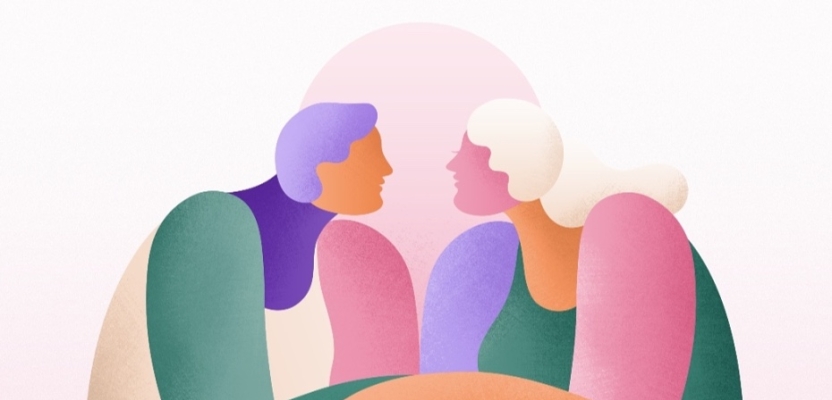
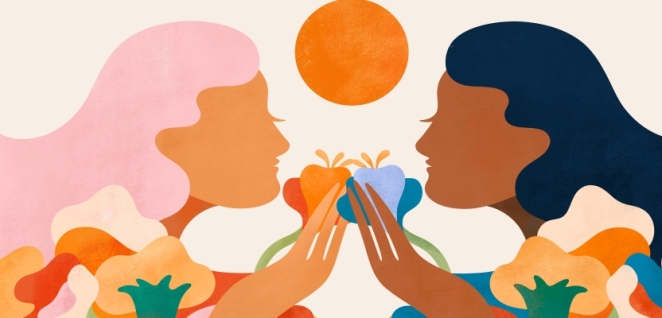
Human Minimalism reflects the next evolution of reduction. Its minimal aesthetics with emotional resonance – precious, intentional, almost spiritual rather than corporate or sterile. This isn’t just a rejection of minimalism, but a reaction against its coldest expressions. Brands still want clarity and discipline, but with warmth and humanity restored. For brands that embraced reduction in the 2010s and now feel sterile, this is the synthesis: holding on to clarity while reintroducing craft, meaning and emotional presence.
Gen Z Maximalism
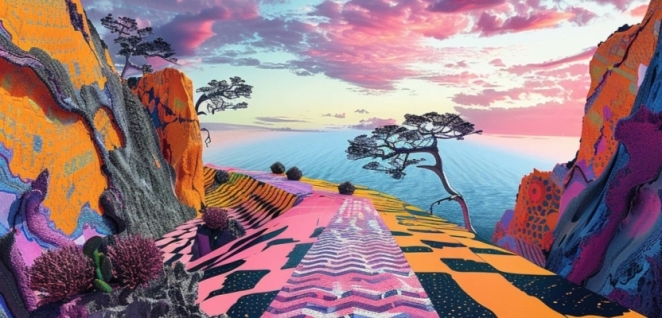
At the opposite end sits Gen Z Maximalism – AI-generated, overstimulated, chaotic compositions that embrace density, noise and dopamine-triggering complexity. As AI makes complexity effortless, maximalism returns in a form that’s weirder, less controlled and more idiosyncratic than previous cycles. This is the democratisation of creativity in action. Professional gatekeeping can’t contain it. For brands, this energy belongs at the flexible edges – but only once the sacred space is clearly defined.
Local Expression

Local Expression marks a deliberate move away from global homogeneity. Brands are increasingly incorporating regional design languages, cultural references and place-specific aesthetics in response to consumer hunger for authenticity and specificity. The task is to define what must remain globally consistent, then actively invite local teams to tell local stories everywhere else.
Human Imperfection
David Quintero
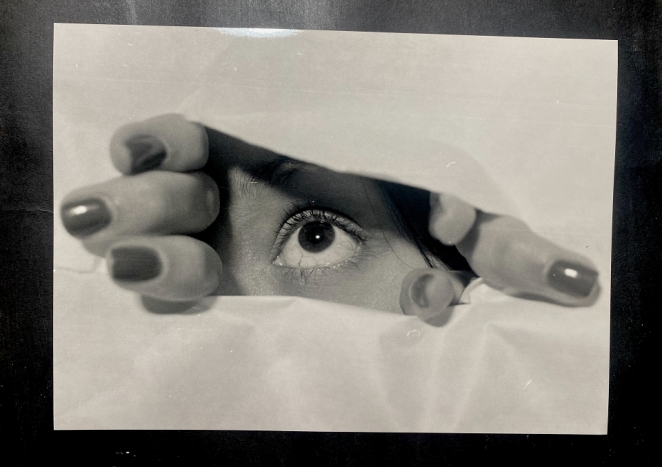
In an AI-saturated world, Human Imperfection becomes an authenticating signal. Hand-drawn elements, visible process and unpolished details suggest humanity, care and craft, while perfection increasingly signals automation. This isn’t about being sloppy. The imperfections are intentional – craft showing its hand – and they represent a fundamental shift in what consumers read as honesty and quality.
Fan-Creation
Diogo Bonaparte
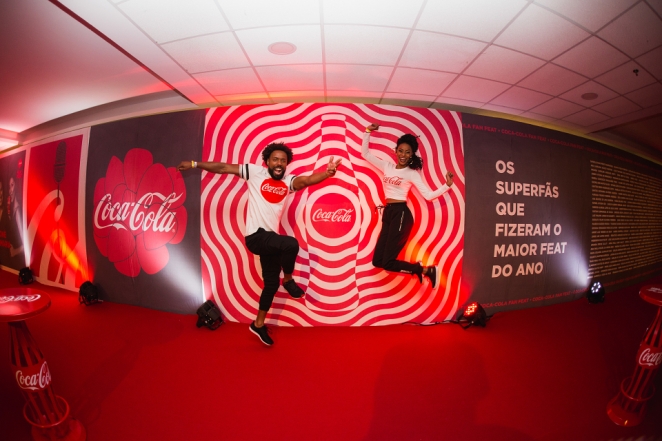
That invitation extends further through Fan-Creation. Brands are visibly incorporating fan art, user contributions and community interpretations into their expression. From the McDonald’s anime example onwards, brands are learning that invitation creates more authentic engagement than control. Visual diversity becomes a feature, not a flaw. If a brand still looks like it came from a single creative team, it’s likely missing the opportunity.
Kinetic Identity Systems
Simon Dixon
Unsurprisingly, Kinetic Identity Systems continue to rise. Brand identities are now designed primarily for motion; logos that animate, typography that moves, systems that reveal themselves over time rather than in static lock-ups. As screens become the primary touchpoint, static systems designed for print no longer reflect where brands actually live. The question becomes: is the sacred space the static mark, or the motion principle?
Radical Transparency
Marcus Moody
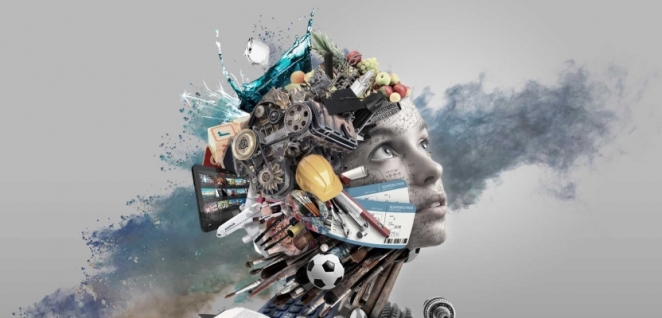
Where the reductive era hid complexity to create clarity, Radical Transparency reveals complexity to create trust. Data visualisation, process transparency and showing how things work respond to evolved consumer expectations shaped by DTC brands. This isn’t about more information, but about using information differently – revealing complexity to earn trust, not hiding it to appear simple.
Vintage Reimagined

The Artist as Photographer
Vintage Reimagined sees brands mining their archives with an archaeological, rather than nostalgic, mindset. For Gen Z, heritage is novelty. Brand history becomes a flexible edge, open to remixing and reinterpretation rather than rigid preservation. The question shifts from “how do we protect the archive?” to “how can it become a platform for contemporary expression?”
Mass Customisation
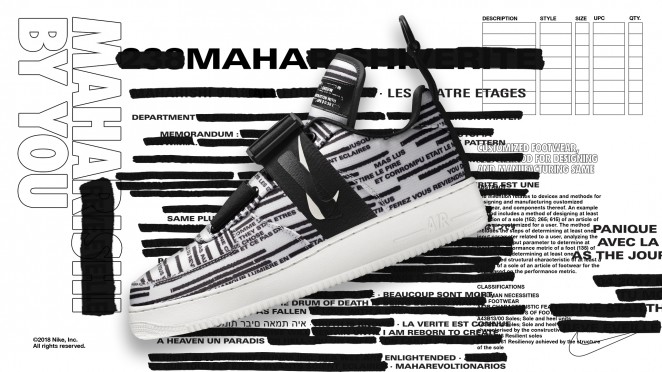
With Mass Customisation, brand consistency is achieved through systematic variation rather than repetition. Algorithmic systems generate personalised expressions while remaining recognisably the brand. Here, the sacred space is the system itself – the parameters, not the outputs. It’s “tighter core, flexible edges” automated.
The Physical Comeback
Marcus Peel
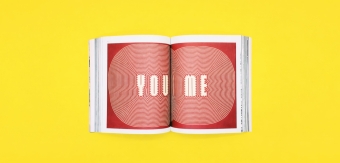
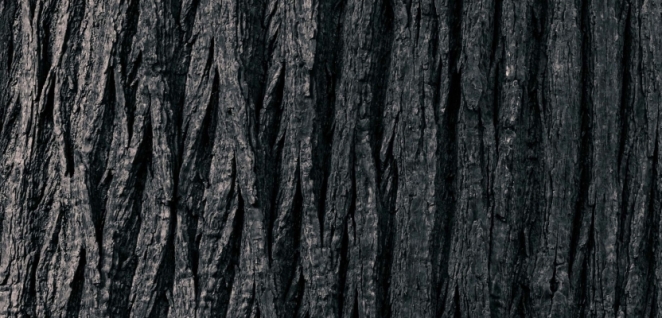
Finally, The Physical Comeback reflects renewed emphasis on texture, tactility and material presence – informed by digital thinking rather than opposed to it. In a digitally saturated world, physical experiences carry meaning precisely because they’re chosen. This isn’t print-first thinking returning. It’s strategic physicality: selecting material touchpoints for ritual, meaning and connection.
Taken together, these trends signal a move beyond minimalism towards intent. The brands that succeed in 2026 won’t be those that chase aesthetics, but those confident enough to define their core – and generous enough to invite others in.