
In an overcrowded marketplace, being seen isn’t the same as being remembered. Charlie Skinner, Head of Brand Strategy at Conran Design Group, argues that the strongest brands don’t build lasting relevance through relentless visibility alone, but by becoming associated with the experiences, rituals and cultural moments people genuinely value. Using the Disney and Kraft Heinz partnership as a timely example, he explores how thoughtful collaborations can combine existing brand meaning, create powerful new memories and turn short-term attention into long-term equity.
Meaningful brand experiences are built from associations
The brands making the most meaningful moves today are chasing association - experiences, partnerships and cultural moments that embed them into people’s lives.
Associations can be intensely personal, like a product linked to our childhood or to a certain person or a brand that was always on the kitchen table or a sporting moment that takes us back to a particular time and place. These moments can live as part of a deeply personal memory or even a collective one, shared across our whole culture and sometimes generations.
When we look at brand movements in this space, we see Gary Lineker and Walkers becoming entwined over decades. Cadbury has worked to associate itself with generosity. Brands such as Guinness and Nike have accumulated layers of meaning that go far beyond the products they sell.
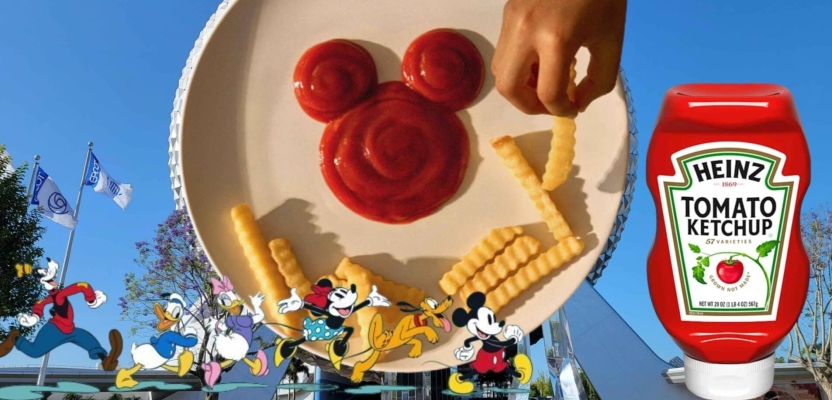
The recent Disney and Kraft Heinz partnership is a useful illustration of this. On paper, it’s a commercial alliance. In reality, it connects two brands that have existed in homes for generations: Disney in the stories, characters and experiences of childhood; Kraft Heinz at kitchen tables, family gatherings and everyday meals.
Partnerships can expand cultural meaning
This is one of the most powerful things a partnership can offer.
Brands spend years building associations. A well-judged collaboration allows each partner to gain access to meaning the other has already created. That doesn't mean simply borrowing somebody else's fame. The strongest partnerships find connections between what the brands already mean to people and use those connections to create something new.
Star Wars alone carries decades of characters, stories, experiences and memories shared across several generations. Add Marvel, Pixar and Disney's own characters and franchises and the depth of cultural meaning becomes extraordinary. Kraft Heinz brings physical products and everyday consumption.
Heinz, Philadelphia and Kraft Mac & Cheese may not possess the same breadth of storytelling as Toy Story or the Millenium Falcon, but they are embedded within repeated moments of everyday life. Put those together successfully and a familiar meal can suddenly connect with a much wider cultural experience.
That is potentially far more powerful than putting a well-known character on a pack. Bringing those worlds together therefore does more than increase reach. In that sense, the partnership is about combining cultural footprints and creating meaningful moments.
Experiences build meaning, not just reach
When a brand becomes part of a meaningful moment, it has the opportunity to become part of the memory attached to it.
This can happen through:
- Immersive environments that turn brand values into sensory cues
- Co‑created cultural moments that deepen belonging
- Product‑led experiences that demonstrate value rather than declare it
- Partnerships that extend a brand into spaces where audiences already feel connected
These aren’t visibility plays. They’re association plays that embed brands into the rhythms of everyday life.
Partnerships as long‑term equity engines
The strongest partnerships don’t simply extend reach - they give each brand access to associations they could not create as easily alone.
The opportunity lies in connecting the two without making either feel forced.
When partnerships work, they amplify what is already true. They strengthen distinctiveness rather than dilute it. They create new layers of meaning. They open up long‑term storytelling platforms. They help brands show up where memories are made.
Partnerships become equity engines, not campaigns.
Familiarity is not nostalgia, it’s cultural relevance
It’s tempting to label collaborations like Disney and Kraft Heinz as nostalgia marketing. But nostalgia, at its best, isn’t about looking backwards. It’s about creating relevance today by tapping into shared memory.
Both brands continue to play meaningful roles in people’s lives. Their collaboration builds on those existing emotional connections rather than simply revisiting the past. Its strength lies not in nostalgia alone, but in its ability to make both brands feel relevant now and for the future.
The danger of imbalance
The challenge for any partnership is ensuring both brands emerge more distinctive, not less.
Disney’s characters and franchises are so culturally dominant that they could easily overwhelm the identities of Kraft Heinz’s brands. The work will need to preserve the recognisable codes, personalities and roles of Heinz, Philadelphia and the rest, rather than treating them as blank packaging for entertainment IP.
Success will not be measured by how many characters appear on packs, but by whether the alliance creates experiences people genuinely want to remember and repeat.
The brands that will win the next decade
The brands that build lasting relevance will be the ones that become part of something people already care about: a ritual, relationship, a fandom or shared cultural moment. They’ll invest in experiences that create emotional connection, build partnerships that feel authentic rather than opportunistic and show up in ways that strengthen identity rather than dilute it.
And they’ll treat association as the real measure of brand value.
Because in a world saturated with content, the brands people remember won’t be the ones they saw the most. They will be the ones that build meaningful associations and earn a place in their lives.