
What happens when design is treated as more than the finishing touch to a high-stakes business proposal? For Wedidit Creative, the answer lies in bringing designers into the process from the very beginning. Founded in London in 2012, the specialist bid and proposal design studio works alongside bid teams to turn complex information, strategy and ideas into clear, compelling submissions designed to make an impact.
In this Company Spotlight, Rafael Gomes Teixeira shares the story behind Wedidit Creative, from the communication breakdown that helped shape its founding philosophy to the challenges of building trust in a relationship-driven industry. We also explore the studio's creative process, its approach to growth and sustainability, and why clarity, craftsmanship and strategic design remain at the heart of every project.
How was your company born and where are you based?
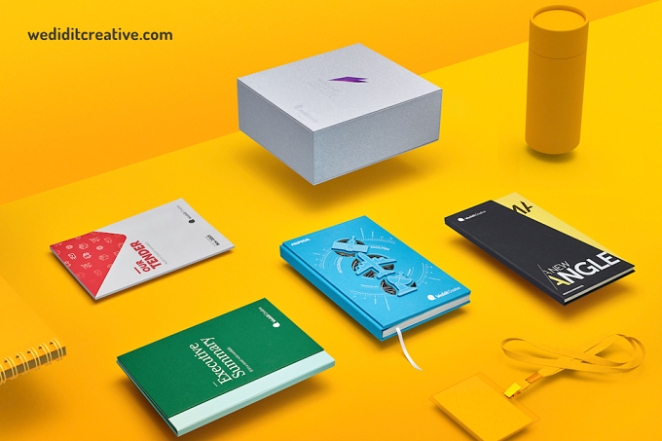 Wedidit Creative kicked off in London back in 2012, when the two founders spotted a gap that nobody else seemed to be filling. Back then, most design agencies treated bids and proposals as a bit of a side project, designers were tucked away behind account managers, miles from the actual client. We wanted to flip that on its head. We built a specialist studio where designers sit right alongside the bid teams, get under the skin of the strategy, and become genuine partners in the process rather than just the people who "make it look nice" at the end.
Fast forward to today, and we're still very much a specialist bid and proposal design studio, headquartered in London, with a growing international team, helping clients across the UK and beyond land some of their biggest, most important opportunities.
What was the biggest challenge to the growth of your company?
Trust, hands down, and funnily enough, it's also become our biggest asset. Nobody hands a multi-million-pound bid to a studio they've never worked with before. This industry runs on relationships, recommendations and proven track record, not cold pitches.
Our clients are trusting us with genuinely sensitive information and, often, the single most important opportunity their business will chase all year. Earning that kind of trust doesn't happen overnight, it takes time, consistency and patience. But once a client's been through our process once, they tend to come straight back whenever the stakes get high.
Which was the first huge success that you can remember?
Honestly, it's hard to pin down just one moment because we measure our wins through our clients' wins. Every time a client rings up to say they've landed a major contract after months of graft, that feels like our win too.
If we had to point to a turning point, it was realising clients weren't just coming back, they were bringing us into bigger, more strategic opportunities each time. Watching our work play a part in winning landmark developments and major contracts was the moment it really clicked: specialist bid design genuinely moves the needle.
What's the biggest opportunity for you and your company in the next year?
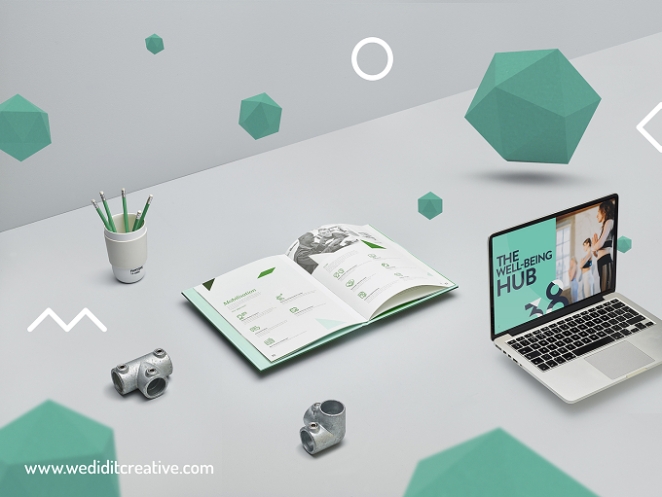 Growing internationally while staying exactly who we are, that's the big one. We've always been specialists rather than generalists, and that's not changing. As we expand, we're building capacity and sharpening how we work, so we can take on bigger, more complex projects without losing the personal touch clients love us for.
An international structure also means more flexibility around working hours, which helps keep projects moving during those crunch periods without ever cutting corners on quality. In a world where bid deadlines simply don't move, that's a real advantage, and one our clients genuinely feel the benefit of.
Can you explain your team's creative process? What makes it unique?
Designing a bid is a completely different beast to designing a marketing campaign. Creativity is only one ingredient, every decision has to juggle visual impact with compliance, readability and evaluation criteria all at once.
We start by getting under the skin of the opportunity: the client, the procurement requirements, the key win themes. Only once we understand that do we start developing concepts that support the story the client needs to tell. And from there, it's constant adaptation, content can land just hours before submission, and we're reshaping around it in real time.
Unlike most design projects, bid deadlines are non-negotiable. Our whole process has been built around that reality, which means we can produce genuinely bespoke work under serious pressure without ever letting quality slip.
How does your team remain inspired and motivated?
Honestly, inspiration is everywhere, because bids touch pretty much every industry you can think of. One week we're deep in aviation, the next it's healthcare, then construction, defence or major regeneration schemes.
Rather than chasing graphic design trends, we look to information design, architecture, editorial design, transport systems, museums, even industrial engineering. Anything that shows how complex information can be made clearer is fair game. At the end of the day, our job is to help evaluators absorb information quickly, so clarity beats decoration every time.
How has COVID-19 affected your company?
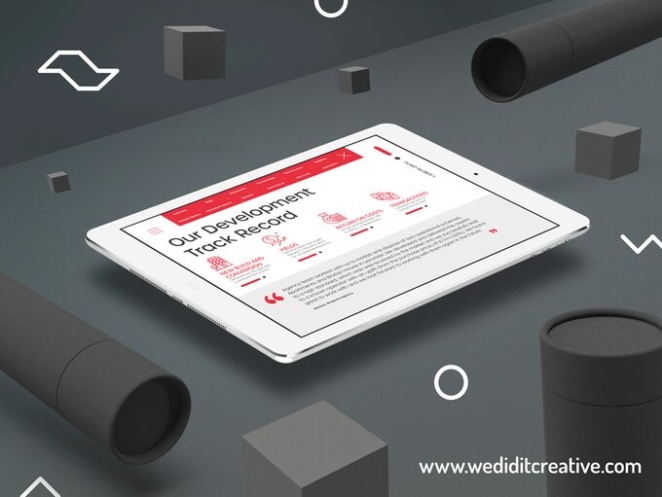 It shook things up, like it did for everyone. A lot of our client contact moved from in-person meetings to video calls, which changed how we managed projects and built relationships. Nothing quite replaces face-to-face when it comes to building long-term trust, but we quickly saw the upside of a more flexible way of working too, less time spent travelling meant more time to respond quickly to clients and dig into the creative work itself.
It also fast-tracked our move to more collaborative digital workflows, making it much easier to share concepts, gather feedback and keep projects moving no matter where everyone was sitting. For a deadline-driven business like ours, that agility has been genuinely invaluable. These days we run a hybrid approach, digital collaboration for pace and efficiency, face-to-face when it really counts, so we can deliver the best outcome for every client.
Which agencies do you gain inspiration from? Do you have any heroes in the industry?
We don't really chase specific agencies for inspiration, we're drawn to studios and designers who show real craftsmanship, editorial thinking and clarity of communication, wherever they sit. In fact, a lot of our inspiration comes from completely outside the bid world, because we want every project to feel bespoke, not shaped by "how bids usually look."
We've also got a lot of respect for organisations that master process as well as creativity, because in our world, great design only counts if you can deliver it consistently, under pressure, every single time.
What is one tip that you would give to other agencies looking to grow?
Get comfortable being a specialist, not a generalist. In our world, clients aren't hiring you to be on-trend, they're trusting you with career-defining, multi-million-pound decisions. The agencies that grow fastest are usually the ones that pick a niche, get genuinely brilliant at it, and let their reputation do the talking rather than chasing every brief that comes along.
How do you go about finding new clients/business? (Pitching, work with retainers, etc.)
 Trust is the foundation of everything for us. In the bid and proposal world, winning new business is rarely about cold outreach, it's about building credibility, delivering consistently, and nurturing relationships over time. Organisations need total confidence in whoever they're trusting with their most important bids, so reputation and reliability count for everything. Plenty of our client relationships start months, sometimes years, before a single project is even commissioned.
So the majority of our work comes through repeat business, long-standing partnerships and referrals. We don't chase heavy outbound sales, we invest that energy into delivering brilliant work and building relationships that last. Consistently over-delivering is, in our view, the best business development strategy there is, and it's that philosophy that's let Wedidit grow organically while keeping our standards exactly where they need to be.
What's your one big hope for the future of the industry?
We'd love to see the industry move away from increasingly templated submissions and start treating design as a strategic part of winning work, not just a finishing touch bolted on at the end.
Procurement has become far more standardised over the years, but the best submissions still manage to create a memorable experience within those constraints, whether that's through sharper storytelling, stronger information design or beautifully produced printed materials where it's the right call. We just hope the industry keeps valuing originality and craftsmanship as much as it values compliance.
Can you share a defining moment in your company's journey that shaped its identity or direction?
 Funnily enough, the defining moment happened before Wedidit even existed. Both founders were working at another studio at the time, where designers were kept at arm's length from clients, everything passed through layer after layer before it reached the people actually making the work, and a lot got lost in translation along the way.
One project became the real turning point. After what felt like endless rounds of revisions, we finally got the chance to speak directly with the client. One conversation, and suddenly everything made sense. We built a brand new concept based on exactly what we'd heard, and the client loved it instantly.
Here's the kicker: that concept had actually been developed much earlier in the process, but nobody had ever shown it to the client. It had been quietly filtered out internally by people who'd read the brief differently.
That was the moment everything changed for us. We realised great design depends just as much on clear communication as it does on creativity, and we made a promise that if we ever built our own studio, designers would talk to clients directly, ask the right questions first-hand, and be genuine partners in the process, not just the last stop on the production line.
More than a decade on, that principle still runs through everything we do. Every project starts with a direct conversation, because we've learned that the shortest route between an idea and a winning outcome is usually cutting out the unnecessary layers in between.
Can you describe a project that challenged your team creatively and how you overcame any obstacles?
One project has stuck with us for years, because it sums up exactly what thoughtful design can do.
Before Wedidit existed, our founding team was briefed on a proposal for a landmark London development. The client's brief was unforgettable: "They've seen everything. We need to give them something they've never seen before."
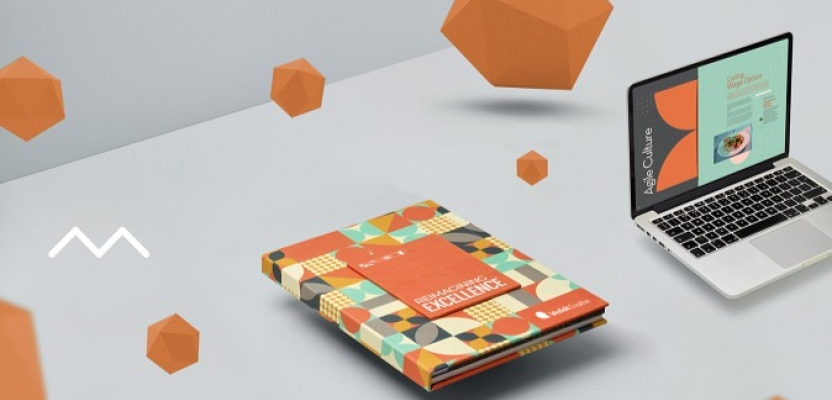
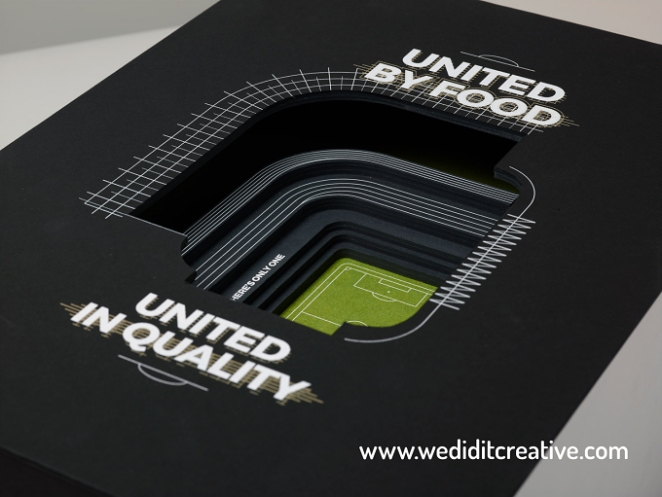
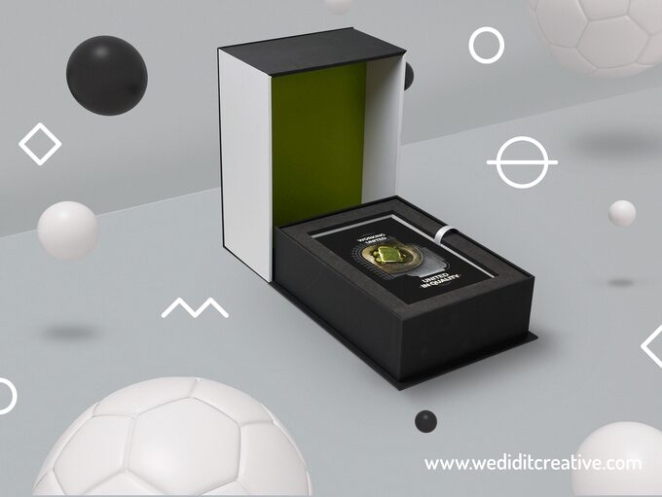
So instead of producing another beautifully bound document, we treated it like an experience. Every detail was considered, from a bespoke presentation case to carefully chosen materials and genuinely exceptional print craftsmanship. We weren't just trying to look impressive; we wanted to create something that reflected the ambition of the project and landed an impression before a single word was even read.
And it worked. We later found out the recipient was so taken with it that it stayed on display behind his desk long after the whole procurement process had wrapped up.
Interestingly, our client didn't actually win that particular bid, it came down to the scale of a competitor's international presence, something no amount of design could change. But the story didn't end there. The impression they'd left led to another significant commission from that same organisation, this time with no competitive pitch required at all.
That experience taught us something we still believe wholeheartedly: great bid design doesn't guarantee a win, because some decisions sit well beyond anyone's control. But exceptional design can absolutely shape perceptions, build trust, create genuinely memorable moments and open doors that reach far beyond a single submission. That's the philosophy we've carried with us from day one.
How do you balance maintaining your company's unique creative voice while meeting the diverse needs of clients?
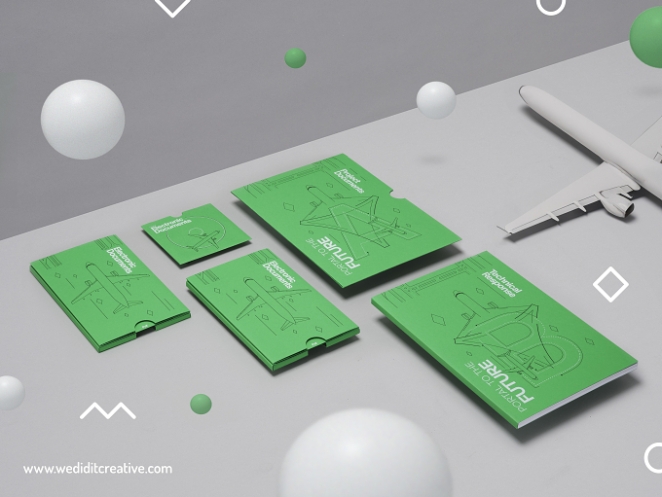 Our "voice" isn't really a look, it's a process. Every project kicks off the same way: understand the opportunity, the evaluator and the story the client needs told, before a single concept ever hits the page. That consistency is exactly what lets a construction bid and a healthcare tender look completely different from each other, while still feeling unmistakably like our work.
What strategies do you employ to adapt to changes and trends in the industry while staying true to your company's values?
Procurement itself has become far more standardised, with stricter templates and scoring criteria creeping in year on year, but rather than fighting that structure, we've learned to get better within it. We keep a close eye on how evaluators actually read and score submissions, and let that shape our thinking as much as any design trend, so our work stays true to what actually wins rather than what simply looks fashionable.
How do you approach sustainability and ethical practices within your company's operations and projects?
 We think about sustainability on every single project, but we're careful not to make assumptions about what "sustainable" actually means in each case.
A lot of the bids we work on carry serious sustainability, ESG and ethical commitments from our clients, so how those commitments are communicated matters just as much as the commitments themselves. Our job is to help present that information clearly and credibly, so evaluators can immediately see the value on offer.
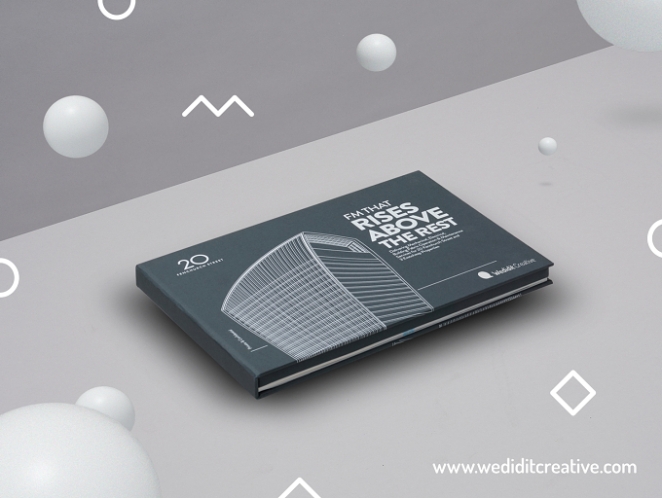
We also don't believe there's one single "green" answer for every submission. Some projects are best delivered digitally; others genuinely benefit from a carefully produced printed document. Digital has its advantages, but it isn't impact-free either, data centres, cloud storage and long-term file management all carry their own environmental cost. And print isn't the villain it's sometimes made out to be, when it's done responsibly.
When print is the right call, we work with trusted production partners using responsibly sourced papers, certified materials and environmentally sound printing practices, producing only the exact number of bespoke copies needed, so there's no unnecessary waste and every printed piece lands with maximum impact.
At the end of the day, it's about helping clients communicate responsible solutions through responsible design. Sustainability isn't a choice between paper or pixels, it's a series of informed decisions made throughout the life of every project.