

For Richard Hill, becoming a creative director was never part of a carefully mapped-out career plan. His route into the industry began with a pottery class, continued through art school and an unexpected placement, and eventually led to a four-decade career spanning creative direction, brand writing, design and architecture. Today, Richard is Creative Director at independent multidisciplinary design and architecture studio Meda, working from a 200-year-old barn in the South Oxfordshire countryside.
With a creative process driven by words, curiosity and what he describes as a “fidgety mind”, Richard takes a refreshingly sceptical view of creativity and career success. From his advice to aspiring creatives to his thoughts on technology, originality, client relationships and the future of the creative industries, Richard Hill shares the lessons, experiences and principles that have shaped his approach to creative work.
How did you first get into the industry?
 From a pottery class, via art school, then in the summer after my first year on a diploma course someone who’d already graduated offered me a placement and I stayed for the whole break. Went back and got a job offer halfway through the second year so I went to work and finished the qualification at the same time. But it didn’t really feel like I’d started doing something with a plan. Have never had a plan.
Where are you based now and who do you work for?
Am the CD for an independent multi-disciplinary design and architecture studio call Meda, working out of a 200-year-old barn in the South Oxfordshire countryside.
What is your personal background and what role did it play in your career?
Not sure I’d call it a career, what even is that? I’d no-one in my family with a background in anything creative. My parents we always working but we moved around a bit so I’d always be the new boy in class. That’s maybe why I’ve an independent streak; I’ll turn up and just get on with things regardless. Actually, I’m pretty lucky art found me.
If you weren’t in your current industry, what would you be doing?
 Literally could have be anything. Most likely working in an insurance office. I did a few weeks work experience at Sixth Form, retrieving case files from store for underwriters. It was boring but it didn’t take any brain power so my fidgety mind could focus on other things (including trying to learn Gaelic for some reason.)
Can you explain your creative process? What makes it unique?
There’s nothing unique about it. I just plunge right it but there are usually words that start things off. That thing, about aphorisms capturing a universal truth? I landed on an idea that the world (or the project I was on), could turn on a phrase. If I could find a few words (or a lot of words), this would unlock an idea or point to an answer. But that’s a bit of exaggeration, because mostly I rush-crash about at maximum speed.
How would you describe your style?
Skeptical.
Which individuals do you gain inspiration from? Do you have any heroes in the industry?
 Anyone who can make a go of this stuff, make a living from it, make themselves and those close to them thrive by it and most of all not be an arsehole are worth all the time. Be your own hero, or even an unsung one. It’s your job to make yourself well and happy first otherwise you’re not much help to others.
What tips would you give to aspiring creatives looking for work?
Stop aspiring, keep working. The projects will find you if you keep at them. It’s that simple hard :)
What tips would you give to other professionals to get more clients?
Be the most trustworthy person. One of the most rewarding (in all senses) is being able to win the next piece of work off the bat of the last (the ‘farming’ thing as opposed to the ‘hunting’) – if a client trusts you, you’ll multiply your opportunities. Every project is a creative opportunity, why wouldn’t want as many shots at is as possible?
Can you share a memorable experience from your career journey that shaped your approach to creativity?
 A tutor told me that if my idea wasn’t original, make sure my source was. I’m not sure if it was a back-handed compliment or a criticism, but it somehow made me think and later of the point that having ideas is easy but knowing why or how they’d work much harder and digging deeper will get you there faster, perversely.
What kind of tools/kit/software could you not do without?
My brain and my hands, a pen. Everything else as needs must :)
What’s your secret to staying inspired and motivated?
It’s no secret, it’s that fidgety mind and the luck of finding something I’ll never tire of. Every new project’s a motivation.
What’s the work achievement you’re most proud of?
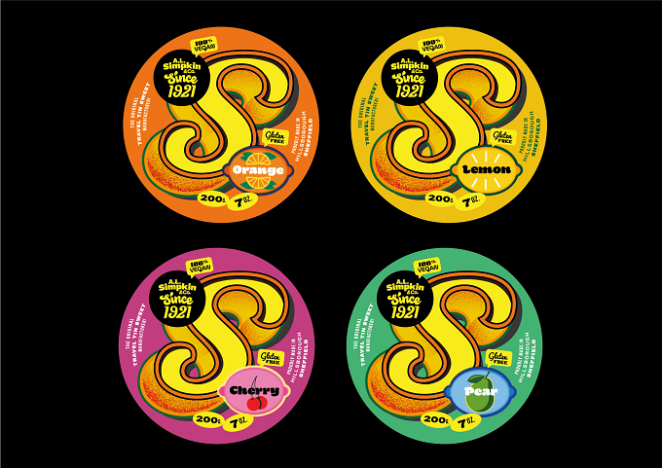
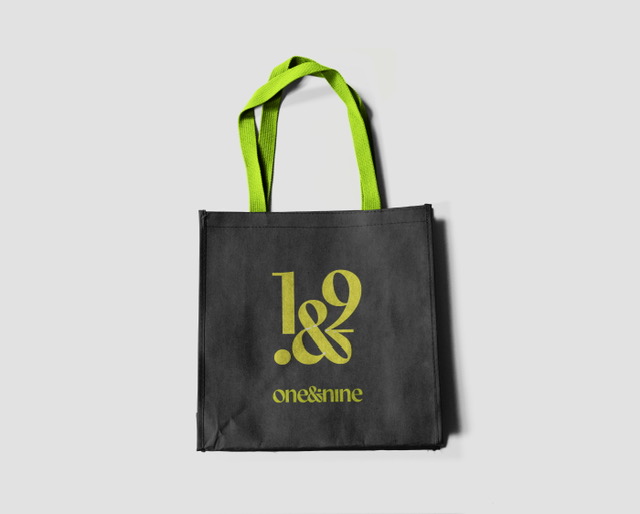 Two things; managing to have been able to do this for nearly four decades and working with one particular client for nearly two (Minoli, hat-tip to you.) Actually, three. That Lotus Cars global signage project – an actual piece of sculpture pretending to be a retail identity.
As someone with experience in the industry, what trends do you foresee shaping the future of creativity?
Am kind-of hoping it’ll still be actual people shaping it and not having that creativity stolen and repurposed by others too lazy to put the work in (or too self-interested to not want to pay for what they need.)
What do you think sets apart truly exceptional creatives from the rest of the pack?
Luck. Lots of people are truly exceptional – like you, reading this for example. But the fame-lamp’s a fickle light and you’re not a moth, are you? If it’s fame you’re after it’ll come looking for you - so if you want it you’d have better put the work in.
How do you think technology has influenced the creative industries and how have you adapted to these changes?
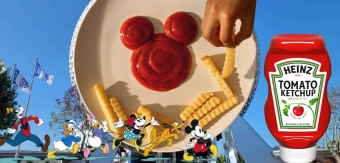
 Faster, cheaper, so you have to be better than the tech. Which is fine, if you don’t mind rolling up your sleeves and learning (also a skill that some overlook.) Forwards is a pace.
What is the one thing that you would change about the industry?
Actually, I’d like a government that didn’t simply regard the creative services sector as some kind of asset-reserve they could talk about being central to our national productivity and then not support; this industry’s a fundamental part of our social and economic culture – it must be supported in schools and FE and with investment and rights protection. If that sounds like turning back the clock to some non-existent halcyon dayz that never were, I’ve been paying tax into the exchequer for 40 years as a result of ‘how thing used to work’ giving me a lifetime of usefulness (to myself.) Imagine that multiplier and the benefits of more and wider access to creativity as a path.
Oh, am expecting people to work evenings and weekends for free. Can that shit.
Any websites, books or resources you would recommend?
Sign up to as many and varied free e-mail digests as you can and take time to read them. You’ll be amazed at what you know, and knowing what you do.


Richard today, late afternoon
Aww, cheers CP :)