
As Creative Director at Studio Blackburn, Mark Jones operates at the intersection of craft, clarity and culture. His role stretches far beyond approving layouts or signing off campaigns; it’s about setting standards, nurturing confidence and ensuring that every piece of work leaving the studio reflects both strategic thinking and creative integrity. From early reality checks at university to sharpening his instincts in competitive London studios, Mark’s journey has been shaped by continuous learning and a refusal to become complacent.
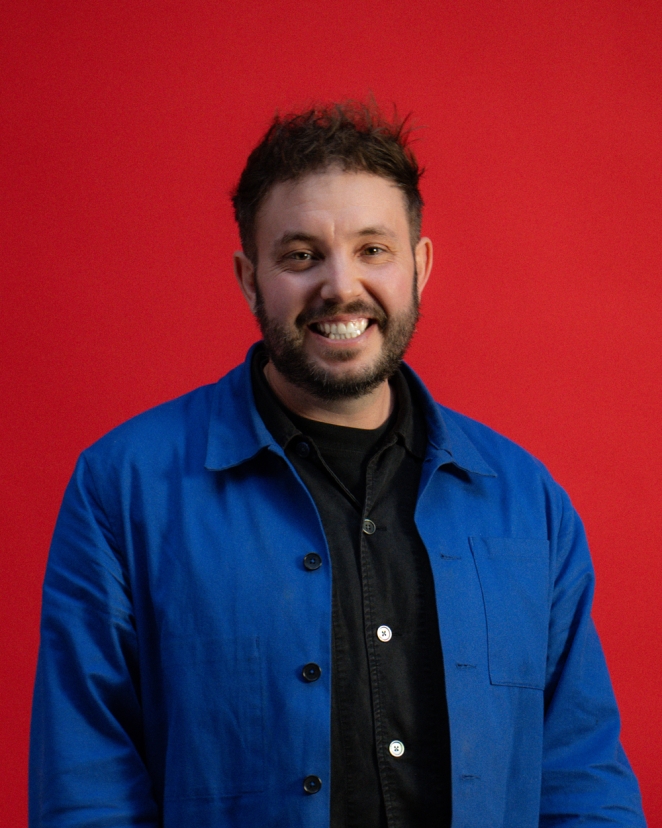
In this conversation, he reflects on the evolution of his career, from gaining confidence in smaller rooms to holding his own among top-tier talent, and shares candid insights into leadership, creative resilience and the importance of imperfection. He discusses why polished sameness is losing its appeal, how technology has accelerated expectations, and why fostering psychological safety within a team is just as important as producing standout work. Honest, grounded and quietly ambitious, Mark offers a perspective on creative leadership that values bravery, clarity and humanity in equal measure.
Tell us a bit about your role! Is there a “typical” day?
There isn’t really a typical day. Some are full of meetings and feedback, others I get to properly get stuck into design. My role is part creative oversight, part problem solving, part making sure we’re all pulling in the same direction. I’m not a creative dictator, but I care a lot about the standard and I try to keep an eye on everything creative that leaves the studio.
What was the biggest challenge in getting to your current position?
When I moved to London, I went from feeling fairly confident to being the middleweight in rooms full of seriously talented people. It forced me to raise my standards quickly and realise there is always another way of doing something better. Since then, I’ve been a Senior, a Design Director and now a Creative Director, and I’m still learning every day.
What is your personal background and what role did it play in your career?
I grew up liking art and my mum basically said, you like art, why don’t you try graphic design. So I did. University was the first time I realised I actually had to work properly at it, there were people around me who were clearly better. That was probably the kick I needed. Starting out at The District and then the agencies I freelanced at afterwards helped me understand how things really work in the real world. It’s been a mix of encouragement and a few reality checks that have shaped how I approach work now, combining serious thinking with playful experimentation.
What is your biggest career-related win? What is your biggest loss?
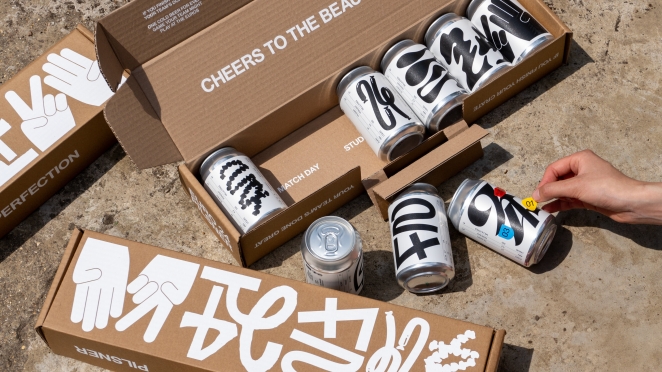 A big win is helping grow Studio Blackburn and seeing the work we do in the real world. Spotting something you’ve worked on, whether on a screen, a wall or on someone’s desk, never gets old. As for losses, I don’t tend to dwell on them. There can be ideas that never make it past a pitch deck, but that’s part of the job. Back yourself, learn what you can and move on to the next project.
Which individuals and/or agencies do you gain inspiration from? Do you have any heroes in the industry?
Working at studios like Koto and Accept & Proceed I’ve been inspired by the clarity and confidence they have in their work. Nicholas Jeeves, Graphic Designer and Lecturer, had a big impact on me at university as he taught me the importance of enjoying the design you do. I also admire studios such as Hort who embrace a bit of graphic imperfection and aren’t afraid of work that feels human rather than overly polished. Heroes might be pushing it, but I respect people who make brave decisions and stand by them.
If you weren’t in your current industry, what would you be doing?
I’m not entirely sure. I’ve been doing this long enough that it’s hard to separate myself from it. I imagine I’d still be working in a role that involves problem solving and creativity, just applied in a different context. Perhaps a butcher, baker or candlestick maker?
What are your top tips for aspiring creative professionals and creative leaders?
 Don’t hide behind your job title. A title doesn’t equal respect. Work hard and be nice, that still counts for a lot. Share ideas early. Learn how to navigate different personalities and situations. Design skill matters, but how you handle people matters just as much. And don’t try to look like everyone else. A bit of imperfection can go a long way.
When you think about your team, what is the thing that matters to you the most?
I want people to feel ownership over their work and confident enough to show unfinished ideas. Creative environments only work if people feel safe enough to be honest. My job isn’t just to make good work, it’s to help create the conditions where good work can happen.
What industry trends do you foresee taking hold in the coming months?
I think we’ll see a move away from everything looking overly slick and identical. We’ve had years of polished, perfectly mocked up brand worlds. I’d like to see more personality and a bit of graphic roughness creeping back in. Brands with a stronger point of view rather than playing it safe.
How do you think technology has influenced the creative industries and how have you adapted to these changes?
 Expectations around speed and output have massively increased. It’s good to stay curious and not get too attached to one way of working. New tools are just tools, it’s the thinking and crafting that still matters most.
How do you prioritise self-care and maintain a healthy work-life balance?
Running has become a big one for me recently. I love the fact you don’t really need anything to run, you can just run. That said, I do enjoy analysing my stats on Strava, wearing some high-performance sports shoes and high-priced running gear like I’m some professional athlete.
How do you handle creative blocks or burnout?
Step away from the screen. Look at something completely unrelated to the brief. Talk it through with someone else. There’s rarely a project that benefits from staring at it endlessly on your own.
Can you describe a moment when you had to think outside the box to overcome a creative challenge?
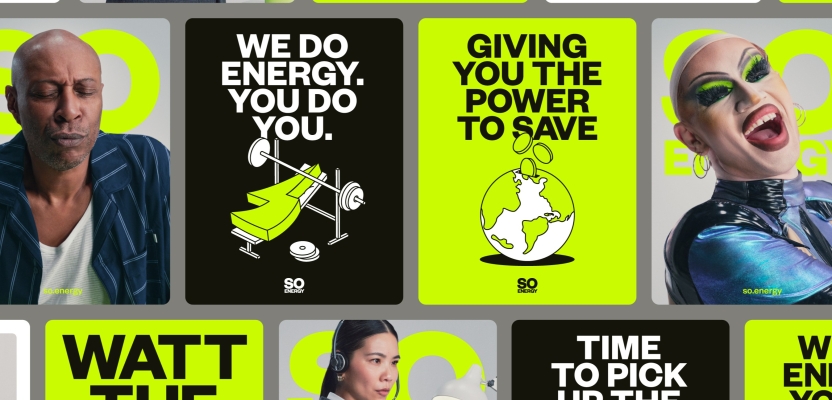
 On a recent campaign project for So Energy, instead of trying to look the same in a very uniform energy sector where the final product isn’t even tangible, we focused on honesty and clarity in the messaging, celebrating customers’ individuality. The idea was that So Energy does the energy so you can get on with whatever it is you want to be doing, using the idea of your own ‘energy’ in a more intriguing way.
Do you have any websites, books or resources you would recommend?
It’s good to consume things that aren’t just design. I’ll let you go and find your own inspiration.