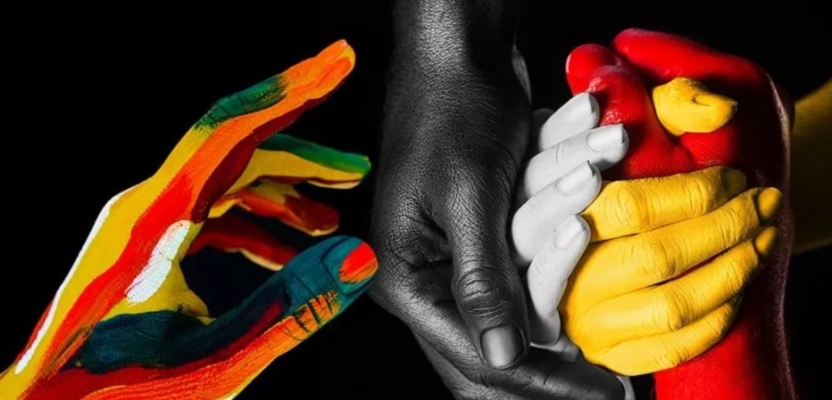

Diversity, equity and inclusion (DEI) has been at the top of many businesses’ agendas for some years now. But the discourse around the practice changed throughout 2024.
While there are standout companies which have made leaps and bounds in this discipline – both with internal processes and external products and services – others are seemingly taking a step away from the movement entirely.
But DEI isn’t a four-letter word. DEI isn’t being ‘woke’. And the companies that are stepping away from initiatives are more likely than not the ones which have historically demonstrated an ‘inclusivity phase one’ mindset, engaging in performative, comms-led programmes.
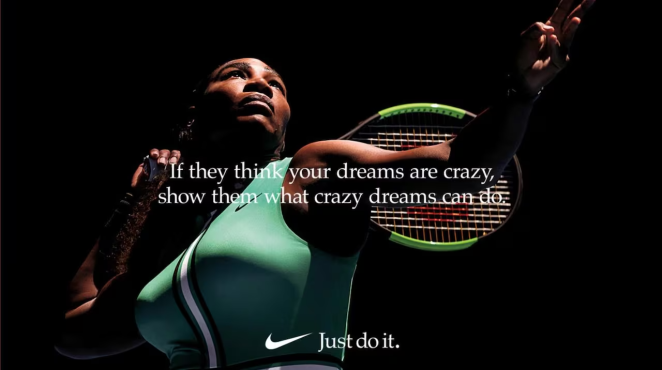
They are the OGs of ‘woke washing’, applying a veneer of inclusion rather than investing in solving a problem or showing up for underrepresented groups in meaningful ways. They provide a helpful evidence base to show that this phase one mindset puts both the brand and bottom-line at risk. These brands are going to fail faster.
So frequently we see a disconnect between what brands think audiences want vs what they actually want and expect. If profits plummet off the back of a DEI programme, it doesn’t indicate that the wider practice is value-negative, but that the brand is getting it wrong. Because when global powerhouses such as Nike, Apple, Mercedes and Sephora continue to invest in the inclusion of marginalised consumer groups, you can be sure there are benefits.
The brands that represent the ‘inclusivity phase two mentality’, embedding it wholesale into their way of working, succeed faster, demonstrating how it drives growth, creates impact and reduces risk.
So, how can a brand embrace inclusivity excellence and what should they consider as we move into 2025?
Activating on Purpose (performative to purpose-led)
We’re seeing more companies step back from performative partnerships and activities, with increasing evidence showing they don’t always deliver impact. Participating in cultural awareness parades doesn’t equal employees feeling ‘seen’; affiliation with an index doesn’t equal diverse leadership; and cause marketing doesn’t equal a wider sense of societal belonging.
So, it’s not entirely surprising that the businesses working to ‘appear’ diverse rather than addressing core issues are changing tack. Toyota announced in October that it had withdrawn support for the Human Rights Commission’s Corporate Equality Index – a tool for rating American businesses on their treatment of gay, lesbian, bisexual and transgender employees, consumers and investors – refocusing its DEI programmes and ceasing sponsorship of LGBTQ+ events.
Moving towards more impact-led inclusion, Toyota doubled down on its brand promise to “create a better future for everyone” by launching its ‘Start Your Impossible’ campaign, showcasing its innovative mobility solutions at Paris Olympics 2024.
This slow fade of performative DEI is something to be welcomed, as it comes with a much more positive shift – a commitment to activating brand purpose and driving revenue. It’s an approach that embraces long term, repeatable processes designed to exceed the expectations of historically underrepresented groups and widen participation.
Inclusivity excellence will require impact verification
Meaningful inclusion streamlines information and innovation. Think Alexa, Prime, WhatsApp and Co-pilot. These life-changing products and services have been designed with diversity and accessibility at their core.
Part of the challenge is that many businesses still see DEI as the concern of HR, accessibility as the responsibility of IT and inclusion the remit of marketing. But high value, global brands treat inclusion as central to their business and brand strategy.
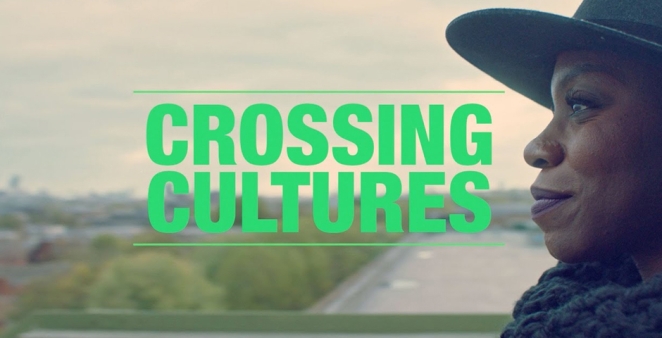
They invest in seeking out barriers faced by underrepresented groups across their brand experiences, tailoring products and services to drive market penetration by increasing the number of people who can use and enjoy what they offer.
They also know how to design out barriers for the greatest impact; converting inclusive insights into experience-levelling innovation, ensuring touchpoints promote simplicity and usability.
The next crucial stage is communicating this in a way that verifies this impact. It will no longer be enough to declare yourself inclusive or pay a third-party index to do so on your behalf. Brands are best off demonstrating the tangible impact their solutions make in the day-to-day lives of their intended audience, as told from their perspective.
Inclusion will not = for all
Inclusivity excellence doesn’t mean one size should fit all or that your products will work for everyone.
Contrary to popular belief, this isn’t about going after smaller, fragmented consumer groups but about driving market dominance by connecting with a broader spectrum of consumers within your existing segments.
Impactful inclusion takes many forms; Kao’s Wakati haircare formulas are designed specifically for black hair, and are powered by black women, black agencies and talent. Ikea’s pricing strategy promotes financial and socio-economic inclusion. Ferrari's cars are inclusively designed to make its vehicles easier for older drivers to drive. Increasing usability and connection enables a brand to serve a diverse, larger population – meaning higher revenue.
Pursuing inclusion in the knowledge that your brand might not appeal to everyone requires integrity and fortitude to stand firm in the brand's beliefs.
So, it’s no bad thing for performative brands to quit keeping up appearances and come clean that if inclusion is simply not a priority. But they shouldn't be surprised if over time, they miss out to those for whom it is.
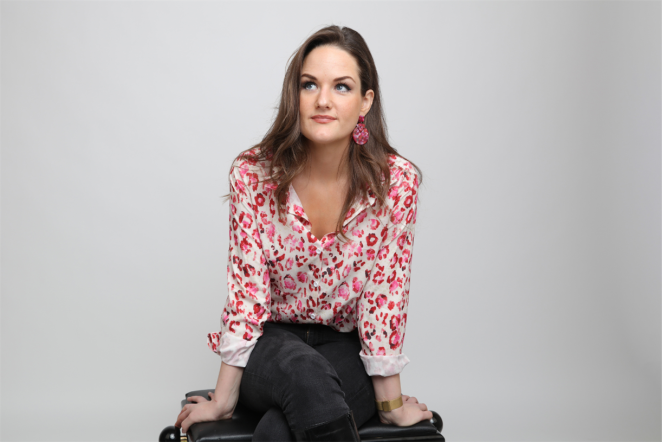
By Marianne Waite, Director of Inclusivity, Global Lead at Interbrand