
When childhood friends James Ewin and Joel Rosen launched ORCA in 2011, they set out to build more than another design agency—they aimed to harness creativity as a force for good. Based in Bristol and now a Certified B Corporation, ORCA has grown from its recession-era roots into a dynamic studio that helps global brands find bold, human-centred positioning.
In this Company Spotlight, founder James Ewin reveals how a pandemic pivot and a deep dive into B Corp certification sharpened ORCA’s purpose, how an award-winning campaign for Juventus proves their creative muscle, and why embracing AI without sacrificing empathy is their playbook for the future.
How was your company born and where are you based?
ORCA was founded in 2011 by myself, James Ewin, and Joel Rosen - two childhood friends with a shared dream of building something of our own. We were both entrepreneurial, passionate about branding and believed in the power of design to create positive change.
Still in the wake of the global recession and faced with few opportunities, we saw a gap in the market for a young, independent, dynamic brand agency. ORCA is now a Certified B Corporation®, helping global clients challenge categories and lead with purpose. Today, I lead ORCA from Bristol, while Joel runs our sister company, Briefbox - an online educational platform helping aspiring designers develop their trade, build their portfolio and gain employment.
What was the biggest challenge to the growth of your company?
The pandemic hit just as we were beginning our B Corp certification. Projects were paused, industries we worked with took big hits, and we had to reevaluate our business model overnight. It forced us to refocus - doubling down on purpose, clarity and community.
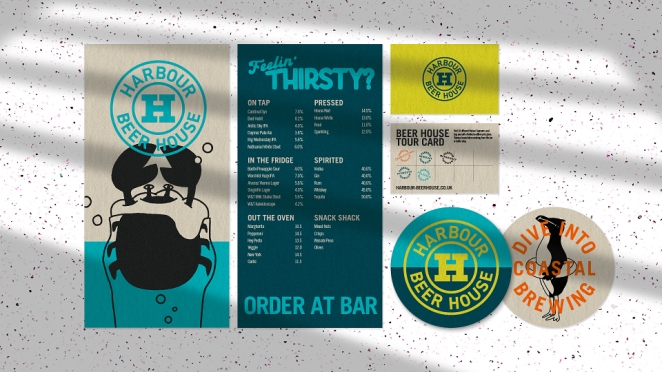
We went after sectors that were flourishing in these challenging times and managed to onboard 22 new clients that year alone. In hindsight, it made us stronger. It gave us a better sense of who we are, who we want to work with, and what kind of work we want to put out into the world.
Which was the first huge success that you can remember?
Aside from early client wins - such as BBC, Moët & Chandon and Osborne Clarke - launching Briefbox was a pivotal moment. What started as a side project - providing real-world briefs to aspiring creatives - quickly grew into a global community of learners. It taught us about building platforms, creating value beyond client work, and the power of accessible design education.
What’s the biggest opportunity for you and your company in the next year?
It's no secret that our industry is facing major disruption, from the rise of AI to the commoditisation of design tools. But we see this as an opportunity. We're doubling down on what truly sets us apart: strategic thinking and bold, original ideas, things AI can’t replicate.
At the same time, we’re embracing AI to streamline workflows, drive efficiencies where they matter most, and free up more time for creativity. As part of this, our entire team participated in a hands-on AI workshop to fully understand the tool’s capabilities and explore how it can be meaningfully integrated into our processes. This fast, thoughtful adoption is already giving us an edge, improving how we work and how we deliver value to our clients.
Can you explain your team’s creative process? What makes it unique?
Our creative process is built around curiosity, collaboration and clarity of purpose. We start by asking the big questions: Why does this brand exist? Who’s it really for? What are they up against? We work closely with our clients to dig deep, challenge assumptions and uncover bold, ownable territory.
What makes us unique is our people: a tight-knit team of strategists, designers, writers and creatives all involved from day one and who care deeply about their work. We build genuine partnerships with our clients, working side by side to create work that’s not just creatively strong, but culturally and commercially impactful. Our work is about big, original ideas rooted in reason and emotionally attuned.
How does your team remain inspired and motivated?
We stay inspired by staying connected to each other and to the world around us. We regularly share what’s moving us, whether it’s a campaign, a film, an exhibition or something political. It’s all fuel for the work.
We also make space for side projects and personal creative exploration. Everyone has a training budget, and we build in time for volunteering or proper switch-off days when needed. We're big believers in balance, and creativity doesn’t come from burnout. A happy, well-rested team will always bring more to the table.
How has COVID-19 affected your company?
It challenged everything: our ways of working, our clients, our resilience. But it also gave us space to rebuild. We became more intentional, rewrote our internal policies, and reshaped how we work as a team. We focused on the kind of studio we wanted to be - values-led, flexible, collaborative - and used that clarity to push forward.
We achieved our B Corp certification not long after, which cemented our commitment to using business as a force for good. It was a turning point that aligned our purpose with our practice and gave us a renewed sense of direction, one that continues to guide everything we do today.
Which agencies do you gain inspiration from? Do you have any heroes in the industry?
As a founder, I take inspiration from different agencies for different reasons, some for how they tell their own story, others for the culture they’ve built, and of course, many for the work itself.
We’ve always admired the likes of Ragged Edge for their strategic clarity and bold work, COLLINS for their boundary-pushing, narrative-led work, and DesignStudio for their global impact and consistency. Studios like &Walsh, DixonBaxi and Wolff Olins continue to raise the bar creatively while staying true to who they are.

We’re also excited by some of the newer players shaking up the sector; PORTO ROCHA’s visual intensity and edge, How&How’s clever blend of design and messaging, and Too Gallus for their confident, culture-driven work that always feels expressive and full of energy.
Closer to home, Kiln, a studio based down in Penryn, has really caught the eye of our whole team. Their work is beautifully crafted, with that rare balance of restraint and edge that makes it feel both timeless and current.
What is one tip that you would give to other agencies looking to grow?
Stay curious, stay human. Growth isn’t just about scaling your output; it’s about building the kind of culture that people want to be part of. Put your team first. Create an environment where people feel valued, challenged and heard. When you look after your people, the work gets better too.
Also, don’t try to do it all alone. Seek out mentors who’ve been around the block. Their advice will save you time, money and a few sleepless nights. Take feedback seriously, even when it stings. And keep your network warm, good relationships will open more doors than any cold pitch ever will. Most of all, keep learning and keep showing up with the same passion and intensity that lead you to build a career in this sector in the first place.
How do you go about finding new clients/business? (Pitching, work with retainers, etc.)
We focus on building real relationships, because for us, the best new business doesn’t come from cold outreach, it comes from trust. A huge amount of our work comes through word of mouth and referrals from past clients, which we take as the biggest compliment.
We also invest in creating meaningful touchpoints through workshops, talks and our own event series Off The Clock, which brings together creatives, founders and brand leaders to connect outside the usual industry settings. It's a space where conversations start and relationships grow naturally.
Personal branding also plays a key role across our team. We actively encourage everyone at ORCA to share their perspective and expertise across all areas of brand building, whether that’s strategy, design, client services or culture. It not only builds credibility but makes it easier for potential clients to see the value we bring and the kind of people they’d be working with.
When you show up with purpose, generosity and consistency, the right people tend to find you.
What’s your one big hope for the future of the industry?
My big hope is that the industry continues to move towards work that’s not just beautifully made, but meaningfully driven. Design and creativity have the power to shape culture, influence behaviour and drive real positive change, and I’d love to see more agencies using that power responsibly.
That means less surface-level storytelling and more genuine substance: brands with purpose, agencies with values, and work that reflects the world we want to build. At ORCA, we believe creativity is one of the most powerful tools for progress, and I hope the industry never forgets its potential to challenge, inspire and do good.
At the same time, I hope we hold onto the soul of creativity; the human spark behind every idea. While AI and automation will undoubtedly play a growing role in how we work, the real value still lies in instinct, empathy, perspective and lived experience.
The best creative work doesn’t just solve problems, it connects, provokes and moves people. That’s something no algorithm can replicate. We need to protect that human element, not as a nostalgic ideal, but as the core of what makes our industry, and our work, truly meaningful.
Can you share a defining moment in your company's journey that shaped its identity or direction?
Going through B Corp certification was a real turning point for us. It wasn’t just a badge or a nice-to-have, it made us stop, take a long look at how we were running the business, and ask ourselves some important questions.
The process is tough. It forces you to dig into the details and examine everything, from your supply chain and environmental impact to how you treat your team and give back to your community. But that’s exactly why it was so valuable. It gave us alignment, clarity and a stronger sense of purpose.
It also made us more accountable, not just to clients, but to each other. We came out of it with a better business, a clearer direction, and a deeper understanding of the kind of impact we want to have. And beyond the practical changes, it connected us to a wider community of businesses that genuinely want to use their work for good.
The B Corp certification helped shape who we are now and who we’re aiming to be in the future.
How do you foster a culture of innovation and experimentation within your team?
We encourage curiosity in everything we do. That might mean trying out new tools and techniques, jumping into self-initiated briefs that push creative limits, or spotting cultural shifts early and using them to shape ideas.
Experimentation is built into our process. We give the team the freedom to test, fail, learn and try again. Collaboration is key, we learn from each other constantly, and there’s always room to challenge an idea if it means getting to something better. It's about raising the bar, together.
What measures do you take to ensure diversity and inclusion are prioritised within your company?
We’ve introduced updated hiring practices and transparent job specs to remove bias and make opportunities more accessible. We're actively building a supplier network that reflects our values, from diverse-owned businesses to ethical, purpose-led partners. We also collaborate with community organisations and local charities to help open doors and offer our services to those who may not traditionally have access to them.
But we’re under no illusion that the job is done, far from it. There’s still a huge amount of work to do across the industry to break down systemic barriers and ensure diversity and inclusion aren’t just buzzwords, but a lived reality. Representation at every level, equitable access to opportunity, and creating genuinely inclusive cultures must remain a long-term commitment. At ORCA, we’re constantly listening, learning and adapting, because meaningful progress takes both intention and action.
Can you describe a project that challenged your team creatively and how you overcame any obstacles?
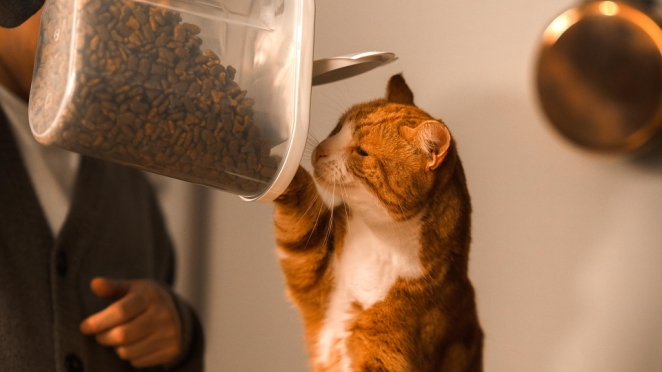
One project that truly tested our creative limits was the “No Matter Their Manners…” campaign for Pet Drugs Online. The challenge was clear: shift perceptions of the brand, which was primarily known for online pet prescriptions, to also be recognised for its extensive pet food range. We wanted to move away from clichéd pet food advertising and instead create something playful and memorable.
We developed the concept of "pet-ifying" humans, depicting people eating in ways that mirrored their pets. This approach was both humorous and unexpected, flipping the traditional narrative.
The result was a standout campaign that not only highlighted Pet Drugs Online’s growing focus on pet food but also resonated with audiences, leading to an Independent Agency Award win. This project underscored the power of bold, creative thinking in overcoming challenges and achieving success.
How do you balance maintaining your company's unique creative voice while meeting the diverse needs of clients?
We see it as a healthy tension that keeps the work focused. Our creative voice is built on bold thinking, clear purpose and a mindset that challenges perceptions. That doesn’t mean doing the same thing every time, but bringing the same level of energy and intent to each project.
Process is important. It gives us structure and helps keep things moving. But we also know when to adapt. Every brand and brief is different, and we’re not afraid to flex when needed. We stay close to our clients, work with them openly, and shape each approach to fit the challenge. The best results come when we bring our ideas to the table and build something stronger together.
What strategies do you employ to adapt to changes and trends in the industry while staying true to your company's values?
We keep an eye on trends, but we don’t let them lead the way. If anything, we try to steer clear of following the crowd. It’s easy to get swept up in what everyone else is doing, but that usually just leads to brands blending in, not standing out.
What we are seeing, and fully embracing, is a shift back to storytelling. Brands are moving away from that overly polished, ‘bland but safe’ look that took over a few years ago. Now it’s more about authentically showing your roots, your purpose, and your voice, and that’s something we really connect with.
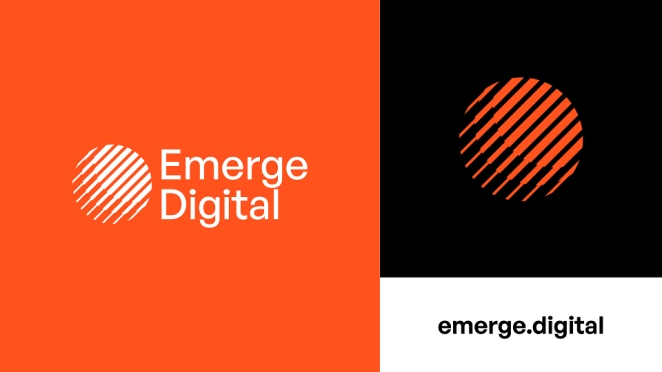
For us, it always comes back to clarity and intention. Trends come and go, but if a brand knows who they are and why they exist, it’ll always feel relevant. We help clients tap into that and build something that actually resonates, not just something that looks good for a moment.
Can you share a memorable client success story that exemplifies your company's approach and impact?
One that stands out is ‘Stories of Strength’, a global campaign we developed with Juventus to help tackle the stigma around mental health in sport and beyond.
The project launched around World Mental Health Day and centred on real stories of resilience, shared through podcasts, short films and social content. The goal wasn’t just awareness, it was connection. We wanted people to feel seen, supported and encouraged to speak up.
Since its launch, the campaign has reached over 200 million people, with more than 9.5 million views across social and 550,000 podcast streams on YouTube alone. It’s also been picked up widely by the global press and shortlisted for the 2024 Creativepool Awards, which we’re proud of.
But more than the numbers, it’s the response from fans that’s stuck with us. The comments on Juventus’ social channels say it all: stories of people feeling heard, encouraged, and even brave enough to open up for the first time. That’s the kind of impact we’re here for. Work that looks good, moves people and actually matters.
In what ways do you invest in the professional development and growth of your team members?
We give every team member an annual ‘Training & Inspiration’ budget to support their development, whether that’s through courses, workshops, events, talks, or coaching. But more importantly, we create a culture that encourages continuous learning.
We’ve built in regular space for feedback, personal goal setting, and skill-sharing sessions across the team. We also support external opportunities like DE&I training, leadership courses, and lifelong learning initiatives.
Everyone’s encouraged to bring their ideas to the table, whether that’s a new tool to try, a self-initiated brief, or a creative experiment. We want people to grow in the direction that excites them, not just what the role demands.
How do you approach sustainability and ethical practices within your company's operations and projects?
Sustainability and ethics are woven into everything we do, from who we work with to how we run the studio. As a Certified B Corp, we’re measured and held accountable across five key areas: governance, workers, community, environment and customers.
We use local suppliers where possible, offset our carbon through Ecologi, and host all digital projects on 100% renewable-powered servers. We’re committed to waste reduction, minimising supply chain miles, and working with partners who share our values.
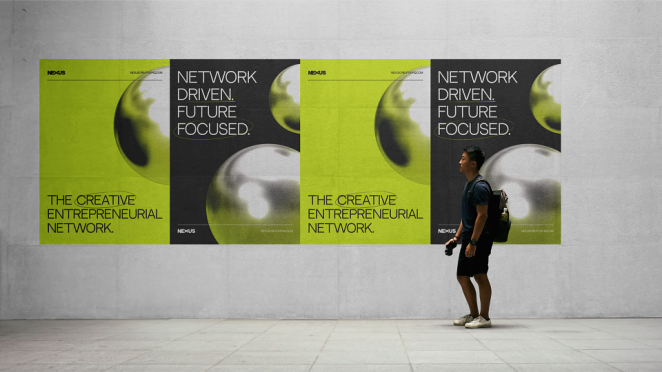
Creatively, we choose to work with brands that are actively doing good, whether that’s through social impact, sustainability, or education. We believe design shouldn’t just look good, it should do good, and that mindset sits at the heart of every project.
Can you discuss a time when your company had to pivot or innovate in response to unforeseen challenges, and what lessons did you learn from that experience?
Absolutely. One of the biggest pivots for us recently has been adapting to the rapid advancement of AI in our industry. It’s changed how we approach creativity and workflow almost overnight. Instead of seeing it as a threat, we chose to embrace AI as a tool to enhance our work, streamlining routine tasks so we can focus more on the strategic and creative thinking that really sets us apart.
This shift forced us to rethink everything, from how we structure projects to the skills we prioritise in our team. We’ve learned that flexibility is everything. You can’t just stick to what’s worked in the past or you’ll get left behind. Being open to change and willing to experiment has kept us agile and allowed us to stay ahead. Most importantly, it reminded us that while tools evolve, the heart of great creativity remains human. That balance will continue to guide us as the industry moves forward.
Do you have any websites, books or resources that you would recommend?
There are a few resources we turn to regularly that have been really helpful in shaping how we work as a brand agency.
If You Could is brilliant for hiring and team-building. It’s practical and focused on getting the best out of people, which is key when you want to build a values-led, collaborative culture.
The Do Book: Do Team is another great one. It’s full of straightforward advice on how to get the best from everyone in your team. It’s a handy guide for creating a healthy, productive working environment.
The Win Without Pitching Manifesto is a must-read for any agency. It challenges the traditional pitching process and helps you focus on building trust and real client partnerships instead of just selling.
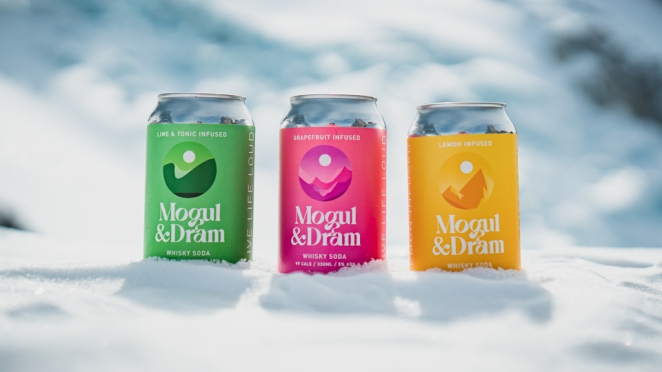
To stay inspired and informed, we check sites like Creative Boom and It’s Nice That. They’re great for spotting trends, creative ideas, and fresh thinking across design and culture.
2Bobs Podcast is fantastic for honest conversations about agency life, leadership, and the business side of creativity, always insightful and grounded.
And for understanding brand strategy at its core, The Brand Gap by Marty Neumeier is essential. It cuts through the noise and helps you think clearly about how brand and creativity connect to business success.