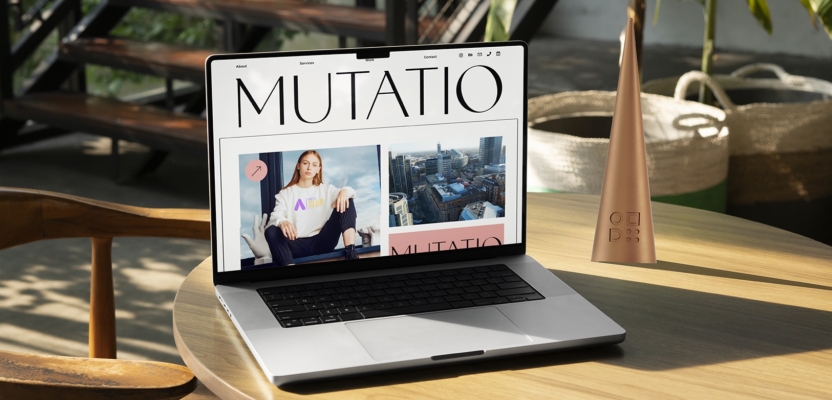

Born out of a deliberate pivot from “we build websites” to “we build belief”, Stephanie Sweeney’s Warrington-based design studio has made a name for itself by going deeper on the two things most digital projects pretend to care about: brand clarity and real-world user experience.
Mutatio doesn’t position itself as a generalist agency that’ll happily chuck in “a bit of everything”, it’s a specialist outfit obsessed with translating business truth into brands and UX that feel intuitive, distinctive, and actually usable. That focus is starting to turn into momentum, too: the studio picked up a Bronze in the Digital Design category at the World Brand Design Awards for its own website, and has been stacking wider recognition as it grows.
In this Company Spotlight, Sweeney unpacks the tough bit (rebuilding proof after a reposition), the fun bit (a genuinely multidisciplinary process that blends design, marketing and business strategy), and the bigger point: in a landscape chasing content volume and algorithm-friendly sameness, clarity and craft are still the sharpest tools in the box.
How was your company born and where are you based?
Mutatio was born from the natural evolution of an established, primarily web-based agency that had spent years helping businesses build and grow their digital presence. Over time, a clear pattern emerged: the most successful projects weren’t just about websites or technology, but about strong brands, clear thinking, and thoughtful user experience. Clients didn’t simply need things built, they needed identities shaped, stories clarified, and experiences designed with real people in mind.
Recognising this shift, Mutatio was created to focus deliberately and unapologetically on branding and UX design as specialist disciplines. Rather than being a generalist digital agency, the company was founded to go deeper, to understand businesses at their core and translate that understanding into brands and digital experiences that are purposeful, distinctive, and intuitive. This evolution allowed the team to refine their approach, combining strategic insight, creative direction, and user-centred design into a single, cohesive offering.
Based in Warrington, UK, Mutatio sits at the heart of the North West, perfectly positioned to work with ambitious organisations both locally and nationally. While the studio has strong regional roots, its outlook is far from limited. Mutatio collaborates with clients across sectors and locations, bringing a balance of grounded practicality and forward-thinking creativity to every project.
At its core, Mutatio believes that great brands are not just seen, they are felt and experienced. By focusing on branding and UX, the company helps organisations communicate with clarity, build trust with their audiences, and create meaningful connections that last. What began as an evolution has become a clear mission: to design brands and experiences that adapt, grow, and truly resonate in an ever-changing digital landscape.
What was the biggest challenge to the growth of your company?
One of the biggest challenges to Mutatio’s growth was starting afresh after the transition from a broader, web-focused agency into a specialist branding and UX studio. While the team brought years of experience, the shift required rebuilding visible proof — new portfolios, fresh case studies, and clearly defined examples of work that reflected the company’s refined focus. Establishing this credibility in a competitive market took time, intent, and careful positioning.
Alongside this, scaling the right manpower presented its own challenge. Branding and UX demand deep thinking, collaboration, and specialist skills, and growth had to be managed carefully to ensure quality was never compromised. Balancing workload with the need to expand the team sustainably required patience and strategic decision-making.
The wider digital climate also posed obstacles, particularly the increasing dominance of search engine rankings and content-led visibility. Competing in a landscape where search performance often favours volume of content over thoughtful design meant Mutatio had to strike a careful balance. The challenge was to remain design-led and strategy-driven while still meeting the demands of discoverability, SEO, and ongoing content creation.
Navigating these pressures shaped Mutatio’s approach to growth. Rather than chasing quick visibility or rapid expansion, the company focused on building strong foundations, prioritising meaningful work, long-term client relationships, and a clear point of view. These early challenges ultimately strengthened the business, reinforcing the value of clarity, focus, and purposeful design.
Which was the first huge success that you can remember?
One of the first major successes we clearly remember was winning a Bronze award at the World Brand Design Awards for our own website. It was a significant milestone, not just because of the recognition itself, but because it came from industry peers who truly understood the level of thought, effort, and time invested in the work.
Having our approach to branding and UX acknowledged on an international stage validated the direction we had taken as a studio. It reinforced our belief in design-led thinking and gave us confidence that our values and standards resonated beyond our own walls.
the biggest opportunity for you and your company in the next year?
The biggest opportunity for Mutatio in the coming year is building on the momentum created by recent award wins. That recognition has opened new doors, attracting ambitious clients who value design-led thinking and strategic clarity. As the studio continues to grow from strength to strength, this period presents the chance to expand both creatively and operationally.
A particularly exciting step is the move into new, design-led premises, creating a space that better reflects the studio’s values and supports deeper collaboration. Together, these opportunities position Mutatio for a year of growth, evolution, and continued creative ambition.
Can you explain your team’s creative process? What makes it unique?
Our creative process is built around collaboration, depth, and specialist insight. Every project is approached by a multidisciplinary team made up of experts in graphic design, marketing, and business strategy, all working together from the very beginning. Rather than operating in silos, each discipline contributes at every stage of the project, ensuring that ideas are challenged, refined, and strengthened from multiple perspectives.
What makes this approach unique is the level of expertise involved. Our team includes Chartered Marketers, qualified Graphic Designers, and Fellowship-level business consultants, a highly trained and rare combination within a creative studio. This depth of knowledge allows us to go beyond surface-level design and fully understand the commercial, strategic, and behavioural factors that shape a business.
Before any creative work begins, we take the time to analyse every element of the organisation: its market position, audience needs, internal structure, and long-term ambitions. This insight-driven foundation ensures that our work is not only visually compelling, but strategically sound and commercially effective.
By combining creative thinking with rigorous analysis, we create brand and UX solutions that are future-proof, adaptable, and built for long-term success. The result is work that doesn’t just look good today, but continues to perform, evolve, and support our clients’ growth well into the future.
How does your team remain inspired and motivated?
Our team stays inspired and motivated by a combination of external recognition and, more importantly, the success of our clients. Industry recognition plays a significant role in pushing us forward. Awards and peer acknowledgement validate the standards we set for ourselves and reinforce the value of the time, care, and thinking invested in our work. They challenge us to keep raising the bar and to continue evolving creatively and strategically.
However, client success is the foremost driver behind everything we do. Seeing businesses grow, adapt, and thrive as a result of our work is the most meaningful form of motivation. Whether it’s helping a client clarify their purpose, reposition their brand, or create experiences that genuinely resonate with their audience, those outcomes provide a constant source of inspiration.
Our motivation is also sustained by a culture of collaboration and shared ambition. Working alongside highly skilled specialists encourages continual learning and sparks new ideas. Each project becomes an opportunity to explore different perspectives, test assumptions, and push creative boundaries.
By balancing recognition from the industry with a deep commitment to our clients’ success, we maintain a sense of purpose that keeps the team engaged, inspired, and focused on delivering work that truly makes a difference.
How has COVID-19 affected your company?
COVID-19 played a defining role in shaping Mutatio as a business. The company was formed in the aftermath of the pandemic, at a time when many organisations were reassessing priorities, structures, and how they invested in digital activity. Rather than operating across a broad range of disciplines, this period prompted a clear decision to focus on a defined specialism: branding and UX design. That focus allowed Mutatio to build depth, clarity, and purpose from the outset.
The economic pressures that followed COVID-19 also changed how businesses approached digital marketing. Budgets became more targeted, and clients increasingly sought clarity on where their investment would deliver the greatest long-term value. This shift played directly to Mutatio’s strengths. By offering specialist, strategy-led branding and user experience expertise, the studio was able to stand out in a crowded market where generalist solutions were no longer enough.
Rather than slowing growth, the post-COVID landscape reinforced the importance of thoughtful, considered design. Companies needed to communicate clearly, connect meaningfully with their audiences, and ensure every digital touchpoint worked harder. Mutatio was built to meet those needs. The challenges of the period ultimately sharpened the studio’s positioning, helping it emerge with a focused offering that continues to resonate in a more considered and commercially aware digital environment.
Which agencies do you gain inspiration from? Do you have any heroes in the industry?
We draw inspiration from a wide range of agencies, particularly those who combine strong aesthetics with clear strategic intent. Agencies such as Kind and The Nice People resonate with us, as they share a similar design-led aesthetic while approaching their work in slightly different ways.
We admire how they translate thoughtful concepts into distinctive, well-crafted outcomes and aren’t afraid to push creative boundaries. While our offering and process are unique, seeing how others interpret branding and experience design keeps us inspired, curious, and challenged. It’s that shared commitment to quality and clarity that we value most within the industry.
What is one tip that you would give to other agencies looking to grow?
One key piece of advice we would give to agencies looking to grow is to resist the temptation to follow trends and instead stay focused on what genuinely makes you you as a company.
In a competitive industry, it’s easy to fall into familiar visual styles or ways of presenting work because they feel current, safe, or widely accepted. Many agencies adopt similar aesthetics in an effort to appear “in tune” with the market, but this often leads to work that blends in rather than stands out.
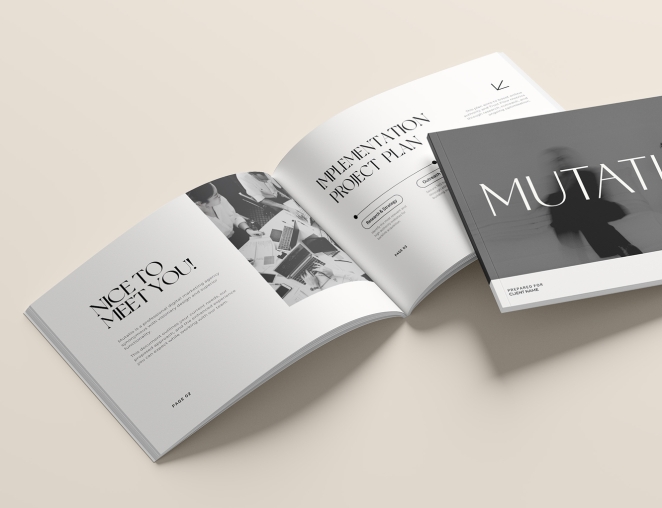
True growth comes from clarity and individuality. Taking the time to define your own point of view, visually, strategically, and culturally, creates a much stronger and more memorable presence. When your brand reflects who you are and how you think, it naturally attracts clients who align with your values and approach, rather than those simply shopping for the latest look.
Staying true to your identity also helps maintain consistency and integrity across your work. It keeps decision-making clear, ensures your output feels cohesive, and allows your team to create with confidence rather than imitation. Trends will always come and go, but a well-defined style and purpose endure. By setting your own direction instead of following others, you build influence, trust, and long-term relevance, all of which are essential for sustainable agency growth.
How do you go about finding new clients/business? (Pitching, work with retainers, etc.)
The majority of our new clients come to us through recommendation or via our website, which reflects the strength of the relationships we build and the clarity of our positioning. Word of mouth plays a significant role in our growth, as clients and collaborators are often happy to recommend us based on the outcomes we deliver and the experience of working together.
Our website also acts as a key touchpoint for new business. Rather than functioning purely as a portfolio, it communicates our thinking, specialism, and approach to branding and UX design. This helps attract organisations that already align with our values and understand the importance of design-led strategy before any conversation begins.
We don’t rely heavily on speculative pitching. Instead, we focus on meaningful conversations and projects where there is a strong mutual fit. This allows us to invest our time and energy into work where we can deliver the greatest impact. Many of our client relationships develop into ongoing partnerships or retainer-based arrangements, built on trust, collaboration, and long-term goals.
By prioritising quality over volume and clarity over constant outreach, we’ve built a sustainable approach to new business that supports steady growth while maintaining the standards we set for our work.
What’s your one big hope for the future of the industry?
Our biggest hope for the future of the industry is a shift toward greater recognition of design skill and quality, particularly within search and digital performance metrics. At present, visibility is often driven by volume of content rather than the clarity, usability, or craftsmanship of design.
We’d like to see platforms such as Google place more value on well-designed, user-centred experiences, rewarding sites that are intuitive, accessible, and thoughtfully constructed. Elevating design as a measurable factor would encourage higher standards across the industry and help ensure that digital spaces are built around real user needs, not just algorithms.
Can you share a defining moment in your company's journey that shaped its identity or direction?
A defining moment in our journey came during a period of internal change, when the departure of staff prompted us to reflect deeply on who we were as a studio and where we were heading. While challenging at the time, it became a catalyst for clarity. It highlighted the importance of alignment, not just in skills, but in creative vision, values, and approach.
That moment led us to consciously refine and commit to a more unified style of branding, one that genuinely represents how we think and work.
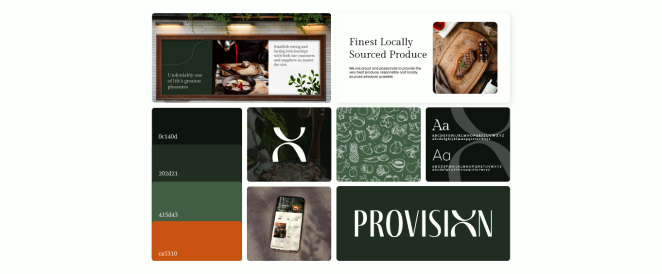
Rather than trying to accommodate multiple directions, we focused on what had consistently defined our strongest work and set us apart. This clarity allowed us to strengthen our identity, improve consistency across projects, and attract clients who resonate with our perspective.
In the long term, this shift proved essential to our longevity. By aligning the team around a shared creative direction, we built a stronger foundation for sustainable growth. What began as a difficult transition ultimately shaped Mutatio into a more focused, confident, and resilient studio, one that understands the value of coherence and purpose in both branding and business.
How do you foster a culture of innovation and experimentation within your team?
We foster a culture of innovation and experimentation by creating an environment where ideas can be explored openly and without fear of failure. Our multidisciplinary team encourages discussion, challenge, and curiosity at every stage of a project, allowing different perspectives to shape stronger outcomes.
We make space for testing concepts, refining approaches, and learning from what works, and what doesn’t. By combining structured thinking with creative freedom, the team is empowered to push boundaries while staying grounded in strategy. This balance ensures experimentation is purposeful, helping us evolve our thinking and deliver more considered, forward-looking solutions for our clients.
What measures do you take to ensure diversity and inclusion are prioritised within your company?
We prioritise diversity and inclusion by fostering a culture built on respect, openness, and equal opportunity. We value varied backgrounds, perspectives, and experiences, recognising that they strengthen creative thinking and decision-making. Our collaborative process ensures every voice is heard and encouraged, regardless of role or seniority.
We focus on fair recruitment practices, inclusive communication, and creating an environment where people feel supported and valued. By embedding inclusivity into how we work, not treating it as a tick-box exercise, we aim to build a team that reflects the diverse audiences our work serves and produces more thoughtful, representative outcomes.
Can you describe a project that challenged your team creatively and how you overcame any obstacles?
One of the most creatively challenging projects we’ve worked on has been Mutatio itself.
Designing our own brand required a level of discipline that can be harder than working for a client, particularly when committing to a strict and consistent branding style. As creatives, the temptation to explore multiple directions or constantly refine details is always present.
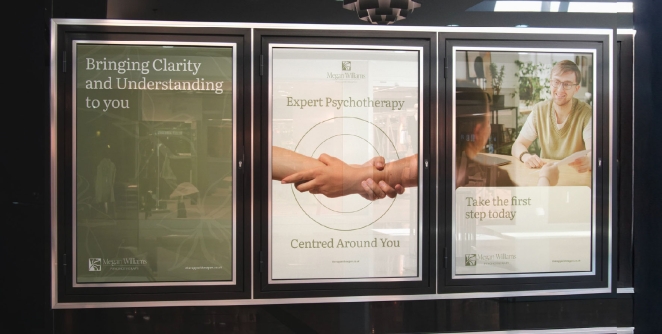
The challenge was staying focused and aligned, ensuring every decision reinforced a single, coherent identity rather than diluting it. We overcame this by treating ourselves as we would any client, applying the same strategic thinking, critique, and restraint. Clear principles were established early on and used as a benchmark for every creative choice.
By committing fully to one defined direction, we created a brand that is confident, recognisable, and long-lasting. That discipline not only strengthened our identity but also reinforced the value of clarity and consistency in every project we undertake.
How do you balance maintaining your company's unique creative voice while meeting the diverse needs of clients?
Balancing our unique creative voice with the diverse needs of our clients starts with a strong strategic foundation. We’re clear about who we are, how we think, and the principles that define our work, which gives us a consistent creative lens to apply across every project. That clarity allows our voice to remain intact without becoming restrictive.
We also find that many clients come to us already familiar with our work and style, having discovered us through our website or previous projects. Because of this, there is often a shared understanding from the outset of how we approach design and the level of craft we bring. We place strong emphasis on maintaining an in-depth, considered portfolio that accurately reflects our thinking, process, and outcomes, helping ensure the right fit from the start.
Rather than imposing a fixed aesthetic, we use our approach to uncover what makes each business distinct, its purpose, audience, and ambitions, and translate that into work that feels authentic to them. Through close collaboration, we balance client needs with strategic clarity, creating tailored solutions that remain true to both the client and Mutatio’s design-led ethos.
What strategies do you employ to adapt to changes and trends in the industry while staying true to your company's values?
Our approach to change is deliberately measured. Rather than chasing industry trends as they emerge, we allow them time to settle and prove their value before considering how — or if — they’re relevant to our work. Many trends are short-lived, and reacting too quickly can lead to decisions that date fast or distract from what truly matters.
Instead, we focus on results, business needs, and long-term effectiveness. Every decision is grounded in strategy, user behaviour, and commercial objectives, ensuring that our work delivers lasting value rather than momentary relevance. Industry trends sit low on our list of priorities; they are only considered when they genuinely support a client’s goals or improve the user experience in a meaningful way.
Staying true to our values means prioritising clarity, consistency, and purpose over novelty. By taking this approach, we’re able to adapt to change without compromising our identity or the quality of our work. This balance allows us to evolve thoughtfully, remain credible, and create solutions that stand the test of time rather than being shaped by passing fashions.
Can you share a memorable client success story that exemplifies your company's approach and impact?
A standout client success for Mutatio has been our work with Inicio, a project that perfectly reflects our strategic, design-led approach. Inicio began as three separate companies that needed to be unified under a single, cohesive identity while still retaining clarity and credibility in a competitive market. The challenge wasn’t just visual — it was about establishing a strong presence and positioning the business as a confident, authoritative organisation from the outset.
We began with a full brand analysis, taking time to understand the business structure, market landscape, and long-term ambitions. From there, we developed a unified brand system that brought consistency across every touchpoint, ensuring the three entities felt connected and purposeful under one overarching identity.
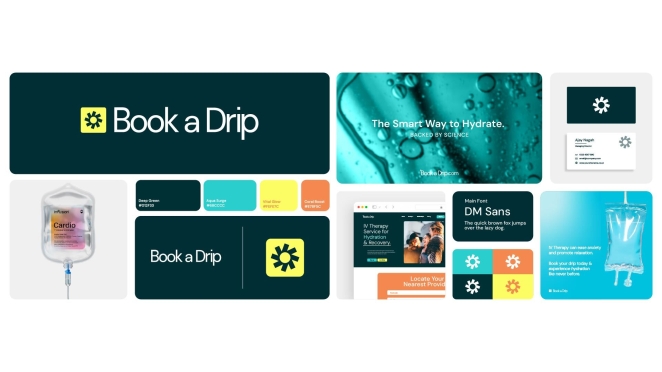
The impact was immediate and lasting. The consistency of the brand helped Inicio establish authority within its market, strengthening recognition and trust. This clarity also had internal benefits, with the business attracting a higher calibre of staff who aligned with the brand and its values.
As the founder of Inicio noted, the partnership was personal. Choosing a local, owner-run agency that shared the same values was key, and Mutatio stood out as the right fit. That alignment of values, strategy, and design is what ultimately made the project such a success.
In what ways do you invest in the professional development and growth of your team members?
We invest in the professional development of our team through ongoing, continued training across all disciplines. This includes upskilling in design, strategy, marketing, and emerging tools, ensuring our team remains knowledgeable, confident, and forward-thinking. We encourage learning at every stage of a career, supporting professional qualifications, industry accreditation, and personal development opportunities.
Knowledge sharing is also built into our culture, allowing insights and learning to be shared across the team. By prioritising continuous development, we ensure our people grow alongside the business, maintaining high standards and delivering thoughtful, future-ready work for our clients.
How do you approach sustainability and ethical practices within your company's operations and projects?
We approach sustainability and ethical practice through thoughtful decision-making, long-term thinking, and responsibility in how we work with both clients and our environment. From an operational perspective, we prioritise efficient digital-first workflows, reducing unnecessary waste and limiting our environmental footprint wherever possible.
Within our projects, sustainability is considered in the longevity of the work we produce. By creating brands and digital experiences designed to last, rather than follow short-lived trends, we help clients avoid frequent redesigns and unnecessary resource use. Ethical practice also extends to how we collaborate, ensuring transparency, fair working practices, and respectful partnerships throughout every project.
We’re selective about the work we take on, choosing to partner with organisations that align with our values and share a commitment to responsible growth. By embedding sustainability and ethics into our thinking rather than treating them as add-ons, we aim to create work that is considered, responsible, and positive in its long-term impact.
Can you discuss a time when your company had to pivot or innovate in response to unforeseen challenges, and what lessons did you learn from that experience?
A key moment where we had to pivot came during the design of our own website. As a design-led studio, our instinct is always to prioritise clarity, aesthetics, and user experience. However, the realities of Google ranking best practices meant we had to adapt our approach to balance strong design with search visibility and performance requirements.
This presented an unexpected challenge: ensuring the site met technical and content-led expectations without compromising the integrity of the design. We approached this by re-evaluating structure, content hierarchy, and page layouts, finding ways to integrate SEO best practices naturally rather than letting them dictate the creative outcome.
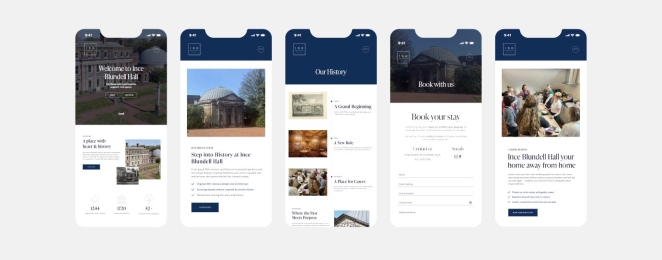
The lesson was clear, successful digital experiences require alignment between design, performance, and discoverability. Rather than seeing Google’s requirements as a constraint, we learned how to work with them intelligently, ensuring design and functionality could coexist.
This experience strengthened our understanding of how to create work that performs commercially while remaining visually confident and user-focused, shaping how we now approach all digital projects for both ourselves and our clients.
Do you have any websites, books or resources that you would recommend?
We draw inspiration from a mix of industry resources, thoughtful writing, and well-crafted digital experiences rather than relying on a single source. Websites that focus on high-quality branding and UX thinking are particularly valuable, as they showcase work that balances creativity with strategy and usability. Exploring well-curated design platforms helps us stay aware of how ideas are evolving without being driven by short-lived trends.
In terms of reading, two books that have strongly influenced our thinking are How Brands Grow by Byron Sharp and The Brand Gap by Marty Neumeier. Both offer valuable perspectives on how brands are built, maintained, and grown, bridging the gap between commercial strategy and creative execution.
We also place great value on learning through real-world insight, analysing successful brands, reviewing user behaviour, and reflecting on project outcomes. Together, these resources help us stay curious, informed, and grounded, ensuring our work remains relevant, considered, and focused on long-term impact rather than surface-level inspiration.