
For over four decades, Montreal-based animation studio Tonic DNA has continuously evolved with the industry while staying rooted in its artistic foundations. At the helm is Stefanie Bitton, Partner and Executive Producer, who champions a director-led, story-first approach that balances traditional 2D craft with cutting-edge digital innovation.
In this conversation, Stefanie reflects on the studio’s Oscar-winning legacy, its pivotal rebrand, and how a culture of experimentation, inclusive leadership, and bold creative thinking continues to shape its trajectory. From embracing new technologies to nurturing “visual poetry,” she shares what it takes to remain relevant and remarkable in a rapidly shifting animation landscape.
How was your company born and where are you based?
 We’re Montreal born and bred. The studio opened its doors in 1983, and we’ve been building visual worlds from our home base ever since.
What was the biggest challenge to the growth of your company?
The industry moves fast and keeps changing. Staying open for 40 years has required us to stay on our feet, always innovating and changing. It’s been a balancing act between staying true to our 2D hand-drawn roots and embracing the digital frontier. Finding that sweet spot where creativity meets the future is an ongoing challenge.
Which was the first huge success that you can remember?
The studio’s first major success was winning an Oscar for our short-film “the Old Man & the Sea” directed by Alexander Petrov and animated in his unique oil-painted animation technique.
What’s the biggest opportunity for you and your company in the next year?
 We are embracing new technologies and looking at ways how to elevate and disrupt the animation industry. Our new innovative pipeline lets us deliver amazing results on a much tighter timeline, which creates so many possibilities for advertising. We also had a breakthrough last year by figuring out a way to advance 2D animation into the future by making the process more flexible and efficient.
Can you explain your team’s creative process? What makes it unique?
We are storytellers at heart, whether it’s 2D, 3D, Design for advertising or film, we always ask ourselves what will leave an impact, what will tell a better story.
How does your team remain inspired and motivated?
We encourage experimentation whether it’s developing a new style or trying new tools. This is at the core of where the studio is heading - embracing innovation and constantly reshaping ourselves.
How has COVID-19 affected your company?
It pushed us to become more nimble. We learned how to keep our collaborative spirit alive while working across different screens and time zones. In addition, we focused on supporting our team's well-being while finding new ways to operate. Life at the studio is now hybrid by design, fostering a healthier work-life balance and a happier crew.
Which agencies do you gain inspiration from? Do you have any heroes in the industry?
 We look at brands, agencies and studios that aren't afraid to be bold. We admire anyone who treats animation as a high-art form rather than just a service.
What is one tip that you would give to other agencies looking to grow?
Stay curious! The moment you stop testing new tools or styles is the moment you start to sound like everyone else and get left behind.
How do you go about finding new clients/business? (Pitching, work with retainers, etc.)
We work closely with our amazing reps and existing clients by building strong relationships. We prefer starting a conversation with a new client by becoming a creative partner that offers solutions and a vision. We want to bring value to our clients, rather than just being another service provider.
What’s your one big hope for the future of the industry?
I hope we see more 'visual poetry.' I want the industry to continue valuing human-led artistry even as the tools we use become more advanced. We have the amazing opportunity to work with such talented directors, animators, artists, and designers that deserve a platform to shine.
Can you share a defining moment in your company's journey that shaped its identity or direction?
 The rebrand to Tonic DNA in 2018 was a huge moment. It wasn't just a name change; it was a commitment to being a director-led studio that lives for motion.
How do you foster a culture of innovation and experimentation within your team?
Every artist in the company is involved in R&D. It’s not a separate mysterious silo that no one knows about. We run internal R&D projects where our artists can play with new tools without the pressure of a deadline. It’s about giving them the freedom to fail and the space to discover.
What measures do you take to ensure diversity and inclusion are prioritised within your company?
As a woman leading this studio, I feel a personal responsibility to support women and diverse talent in an industry where they haven't always had a seat. To me, inclusion means building a space where everyone feels like they belong. It’s about keeping our studio grounded, approachable, and filled with voices that challenge the status quo. We focus on fair hiring and creating a supportive environment where unique backgrounds are celebrated as a strength.
Can you describe a project that challenged your team creatively and how you overcame any obstacles?
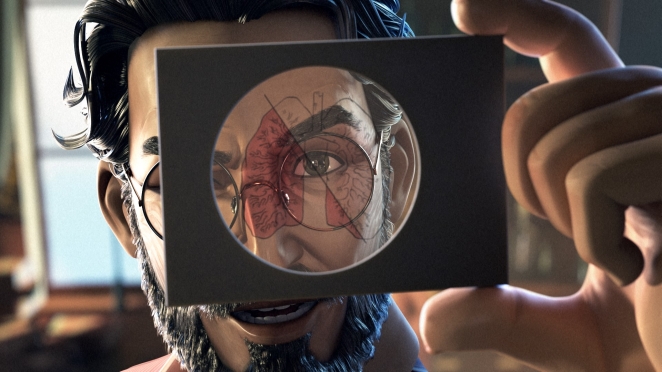 Each project comes with its challenges, some are with budget constraints, others are creative or technical ones. We were approached recently on a pharma project where there was a need to enhance the look and animation of their campaign. Taking a dry concept and making it more visually interesting or trying to tell a medical story in a more tangible way, is always a great creative challenge. The agency creatives trusted us with their concept and gave us the opportunity to partner with them and create something great!
How do you balance maintaining your company's unique creative voice while meeting the diverse needs of clients?
This is where our 40-year production experience comes in! We don't impose a single style or our preferred approach. Instead, we aim to understand what our clients want to achieve, what problems they are trying to solve, and in turn propose creative and artistic solutions that fits their needs. It’s about being a partner, not just a vendor.
What strategies do you employ to adapt to changes and trends in the industry while staying true to your company's values?
With all the new technologies, it’s difficult to filter which ones are good and production usable, and which ones are only for show. Our R&D team is great at quickly testing out new tools and vetting them for production.
We ask ourselves different questions like: “Will it hold in a production pipeline, are we able to give our clients and artists the creative freedom they need, how will this tool improve or add to our skills?”
Our strategy is to lead the trends rather than just follow them. By investing in our own R&D, we define how new tools can be used to tell better stories.
Can you share a memorable client success story that exemplifies your company's approach and impact?
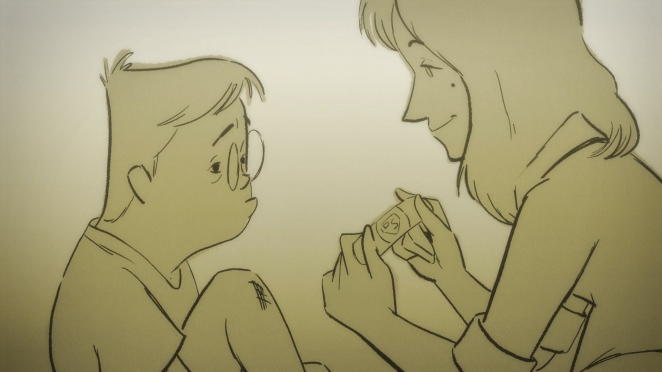
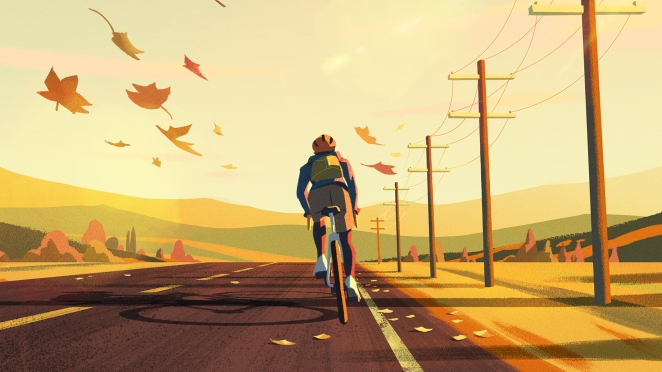 We were approached by L’Arche Canada to create “Freebird”, a film that challenged the misconceptions around Down Syndrome. Despite the reality of a modest budget and a tight timeline, our team was deeply moved by the story and poured every ounce of care into the process. The outcome was amazing, sparking an emotional connection we never could have predicted. The film earned incredible recognition, including an Oscar shortlist. This was a true collaboration where our shared passion led to something genuine and unforgettable.
In what ways do you invest in the professional development and growth of your team members?
We train our team on the latest workflows, ensuring they stay at the cutting edge of the global industry. By giving them the tools and the time to experiment, we help them grow into masters of their craft.
How do you approach sustainability and ethical practices within your company's operations and projects?
Does this question refer to environmental sustainability and ethical business practices?
If not, I would answer as such:
We focus on creating a sustainable work environment where our team isn't burnt out. Ethical production means respecting the humans behind the animation.
Can you discuss a time when your company had to pivot or innovate in response to unforeseen challenges, and what lessons did you learn from that experience?

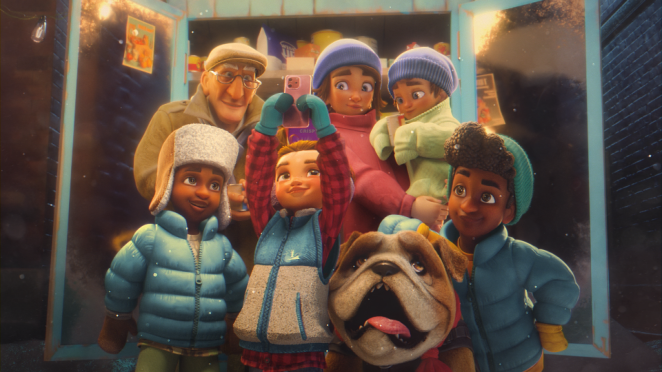 To survive in a fast-changing industry for 40 years, you must always be proactive and open to change, not just as a company but also as artists. In the 90s, we were a major 2D animation studio. 3D started to creep into production requests and we had to adapt. In the 2000s, digital was the thing and moving from pen and paper into digital tools was also a pivotal moment. Lately, technology is moving faster than ever, and we are not only testing new tools, but also developing our own proprietary processes to advance the animation art form forward.
Do you have any websites, books or resources that you would recommend?
Check out Stash Media and Motion Design Awards for high-end inspiration. I also find a lot of value in newsletters like Cartoon Brew and AWN that report on the latest news in the animation industry.
I asked the team for suggestions as well, and here’s what they recommend:
Creativity Inc by Ed Catmull
Fun with a Pencil by Andrew Loomis