
Some creatives fall into the industry through the front door; Kate Lovesey quietly side-stepped in via science, publishing, and a very opportunistic “go on then” moment during the pandemic.
After studying Biology at Oxford Brookes University, she began in scientific publishing, discovered a love for words, then widened her remit until she was doing both the writing and the design and realising, mid-project, that she didn’t want to hand either half back.
Now freelancing from Oxfordshire through KL Design & Editorial Services, Lovesey’s work sits in that sweet spot where minimal, contemporary layouts meet copy-led clarity: clean type, bold colour, and a story you can actually feel.
In this Member Spotlight, she unpacks a process that’s equal parts strategy and craft and explains why, as AI accelerates everything, the most valuable thing a designer can offer is still unmistakably human.
How did you first get into the industry?
After finishing my Biology degree at Oxford Brookes, I joined a scientific publishing house as a Commissioning Editor. Most of my time was spent managing journals, but on Friday afternoons I wrote blogs for the company’s LinkedIn and website. This is where I found my passion for copywriting. Later, I moved into medical writing and eventually found myself writing content for a corporate events company.
As a result of the COVID-19 pandemic, the events company I worked for asked if I could design the content as well as write it. I’d never really designed anything before, but decided to give it a go and see what happened. I quickly fell in love with the creative process and felt huge satisfaction in seeing a project through, from start to finish.
After a few years of upskilling myself and balancing both design and copywriting, I finally took the leap into freelancing. It was scary, and I had no plan B, but it turned out to be the best decision I ever made.
When I first went freelance, I was lucky enough to work with some amazing clients across events, pharmaceuticals and healthcare companies thanks to connections that I made along the way. More recently, I’ve had the joy of working with a range of clients from creative agencies to educational institutions and tech startups. My science background still comes in handy today, especially when working with healthcare and pharma brands, but the difference now is I get to create work that’s both visually engaging and really meaningful. It feels like what I was meant to do all along.
Where are you based now and who do you work for?
I’m based in Oxfordshire, UK, but I work with clients all over the world!
Can you explain your creative process? What makes it unique?
My creative process is a blend of graphic design and copywriting, so I don’t just focus on how a brand looks, but how it makes you feel. Typically for a branding project, I kick things off with a detailed project questionnaire and an in-depth summary of the brief. This is so I have a deep understanding of the client’s business, goals, audience and vision.
Next, I immerse myself in research, exploring definitions and word associations, and studying the brand’s competitors to spot opportunities for them to stand apart. Then comes the fun part, brainstorming and shaping the creative direction. I gather visual inspiration and build mood boards, experimenting with styles, colours, typography and tone to ensure everything fits with the strategy and the brand’s story. Once the creative direction is approved, I put pen to paper and sketch lots of quick, rough concepts. I refine the strongest ones and transform these into vectors.
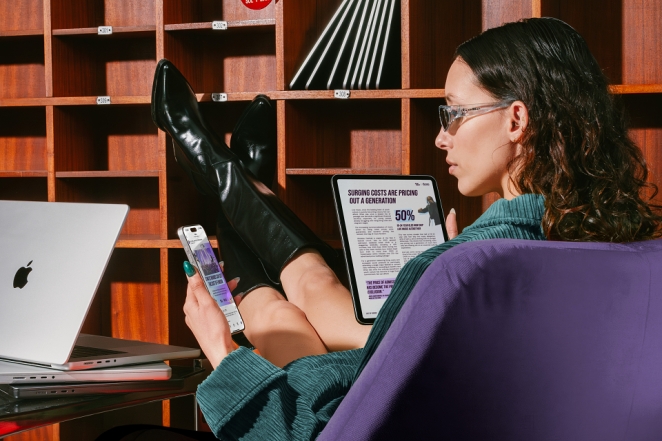
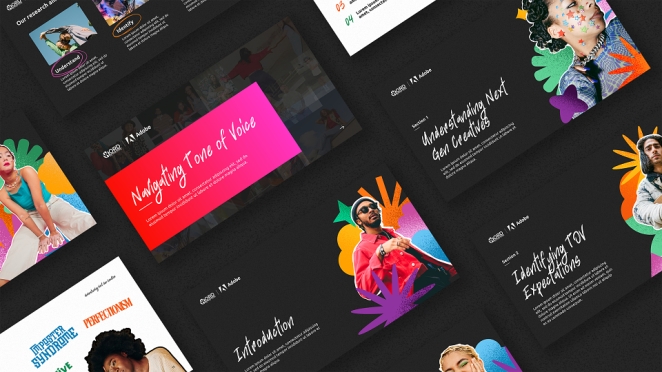
Next, I bring the designs to life with mock-ups and include these in a presentation for the client. This is my opportunity to explain my creative thinking and design choices, and so the client can visualise the brand in real-life across their website, social media or printed materials. After making some final tweaks and everything’s been signed off, I package up and export all the design assets so they’re ready for launch.
What makes my process unique is that it’s equal parts strategic and creative. I care just as much about the story behind the work as the visuals themselves. By blending design with copywriting and taking the time to really understand each client’s story, I create brands that not only look great but feel authentic, meaningful and genuinely connect with the people they’re designed for.
How would you describe your style?
My style is minimalistic and contemporary. I’m drawn to clean layouts, thoughtful typography and bold colours that feel fresh, modern and inviting. Even though I have a ‘less is more’ aesthetic, it’s never rigid or a one-size-fits-all. I adapt my style to suit each client and project, to align with their unique personality, values and goals.
What tips would you give to aspiring creatives looking for work?
Get comfortable with the basics
YouTube tutorials or beginner design courses on platforms like Udemy are a great way to learn the software, design principles, font psychology, colour theory, and understand the creative process.
Design passion projects
These can be your own ideas, or you can use tools like Good Brief or ChatGPT to generate mock client briefs. Clients mainly want to see what you’re capable of and how you think creatively, whether the work is real or not.
Build case studies
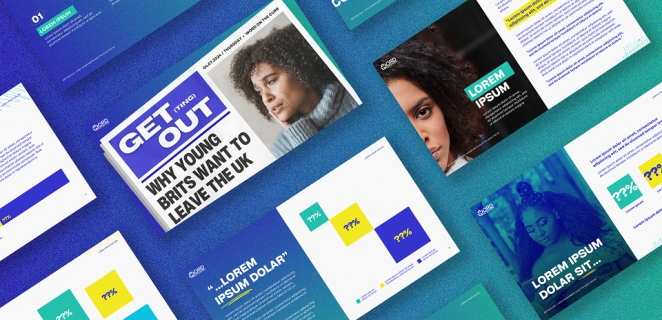
Explain your creative thinking and design choices behind passion projects and create mock-ups of the final designs. Publish these as a well-written case studies on platforms like Behance, Instagram and LinkedIn. It’s important to create work that you want to be known for, in the style you want to create, to attract the right clients for you.
What tips would you give to other professionals to get more clients?
Be crystal clear about your offering
Clarity is everything, so be really clear about what you actually do, who you help, and how you do it. It sounds obvious, but so many people undersell or overcomplicate their offering. Clearly outlining your services on your website, social media and proposals makes it much easier for the right clients to understand how you can help them, so they feel confident choosing you.
Get visible on freelance platforms
Publishing your work on freelance platforms like Malt, YunoJuno and Creativepool is a great way to get in front of clients and recruiters who are actively looking to hire. These platforms are free to use and have brought me some fab opportunities I wouldn’t have had otherwise.

Use social media to showcase your work
Social media is a powerful (and free) tool. Just consistently sharing your work, your process, behind-the-scenes snippets or even lessons you’ve learnt along the way can really help people connect with you. Over time, that visibility builds trust and keeps you front of mind when someone needs your services.
Create a strong website and online portfolio
Having a website and portfolio is crucial. It doesn’t have to be super fancy, it just needs to show your best work, explain your services, and make it easy for people to contact you. Think of it as your digital shop window. If someone hears about you and Googles your name, your website should tell them who you are, what you do, and why they should work with you.
What kind of tools/kit/software could you not do without?
- Design: Adobe Creative Suite (particularly Adobe Illustrator, Photoshop, InDesign, After Effects and Adobe Express)
- Copywriting: Grammarly
- Typography: Adobe Fonts, Envato, Creative market, Atipo foundry
- Textures: Texturelabs, Studio2am
- Inspiration: Pinterest, Behance, Cosmos
- Photography: Dupe, Adobe Express, Death to stock
- Mockups: Mr.Mockup, Mockups-design.com, Bendito Mockups, Mockup world, Wannathis Mockups, Mockup Cloud
- Motion Graphics: Jitter
- Branding: Global Brand Database, Branding style guides
What’s your secret to staying inspired and motivated?
I’m not sure there’s a secret, but I’ve found that going for a walk is my go-to whenever I hit creative block.
It helps clear my head, gets me out of my thought spiral, and lets my creativity flow more easily. I’m also a big believer in learning new things.
Whether I’m flipping through design books or brushing up on the basics with a quick online course, it feeds my curiosity, gives me inspiration, and reminds me why I fell in love with design in the first place.
Alongside these, I keep a vision board for the year ahead. It’s a simple thing to do but having a visual reminder of what I’m working towards, both creatively and personally, really helps keep me motivated.
What’s the work achievement you’re most proud of?
Teaching myself how to design completely from scratch is probably one of my proudest achievements. I didn’t come through a traditional route, or have any design experience, so everything I know now has come from a lot of trial and error, curiosity and late nights figuring things out as I went.
Over time, I’ve gained confidence in my craft, created work I always dreamed of, and more importantly, the chance to work with some amazing people who trust me to tell their story and bring their vision to life.
Being recognised by Creativepool for one of my visual identity projects has been a real highlight too. I’m so grateful and proud of myself, after all the hard work and sacrifice it’s taken to get me to this point.
As someone with experience in the industry, what trends do you foresee shaping the future of creativity?
I think human-led design is going to play a huge role in shaping the future of creativity, especially as AI becomes more embedded in the industry. While AI is a great tool and helps make processes more efficient, it can’t replace intuition, emotional intelligence or lived experience.

Audiences are becoming more tuned in to authenticity and craving things that come from a human perspective. In many ways, I think the rise of AI will make human creativity more valuable. It will push us to be more thoughtful, intentional and distinctive in our work, focusing less on perfection and more on personality, originality and storytelling.
What is the one thing that you would change about the industry?
I would change the way the industry supports junior creatives. Right now, there’s a huge disconnect between what we say we want and what we actually offer. We talk a lot about nurturing talent and investing in the future of creativity, yet so many “junior” roles ask for 3-5 years of experience, which completely defeats the point.
Without proper training, mentorship and real opportunities to learn on the job, it becomes almost impossible for young creatives to get their foot in the door and build a sustainable career.
Everyone has to start somewhere, and closing that door only limits the diversity and talent coming into the industry. This feels especially important now, with the rise of AI. If we don’t actively invest in people, their ideas, instincts and creativity, we risk drifting towards an industry that’s overly automated and stripped of human experience.
Creativity has always been about people first, their stories, emotions and ways of seeing the world, and I’d love to see the industry protect and prioritise that by giving junior creatives genuine opportunities.
Any websites, books or resources you would recommend?
- Designing Brand Identity by Alina Wheeler
- Book of Branding by Radim Malinic
- Book of Ideas by Radim Malinic
- Type Matters! by Jim Williams
- Building a Story Brand by Donald Miler
- Principles of Logo Design by George Bokhua
- How to use graphic design to sell things, explain things, make things look better, make people laugh, make people cry, and (every once in a while) change the world by Michael Bierut
- Grid Systems in Graphic Design by Josef Muller-Brockmann
- Creating a brand identity by Catharine Slade-Brooking