
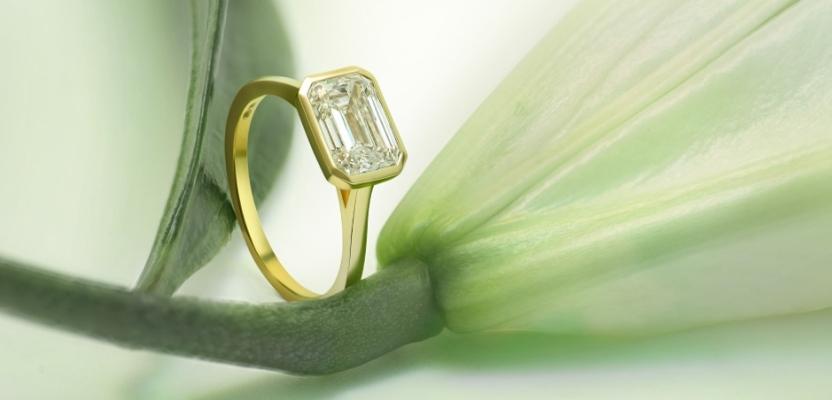

Jewellery photography is about far more than capturing the details of a beautiful object. For jewellery photographer and art director Kat deTras, it is an opportunity to explore light, material, atmosphere and storytelling, transforming jewellery and watches into cinematic, sculptural images. Based in Bournemouth, UK, Kat brings an editorial and fashion-led perspective to luxury still-life photography, working with jewellery brands, designers and creative agencies to create imagery with a distinctive visual identity.
Since beginning her commercial photography career in 2017, Kat has developed an approach that combines technical precision with emotion and narrative. From carefully controlled lighting and reflections to personal projects inspired by myths, folklore and symbolism, her work looks beyond traditional product photography to reveal the character and craftsmanship behind each piece. In this interview, Kat discusses her creative journey, inspirations, photography process, essential tools, advice for aspiring creatives and her thoughts on how technology and AI are shaping the future of the industry.
How did you first get into the industry?
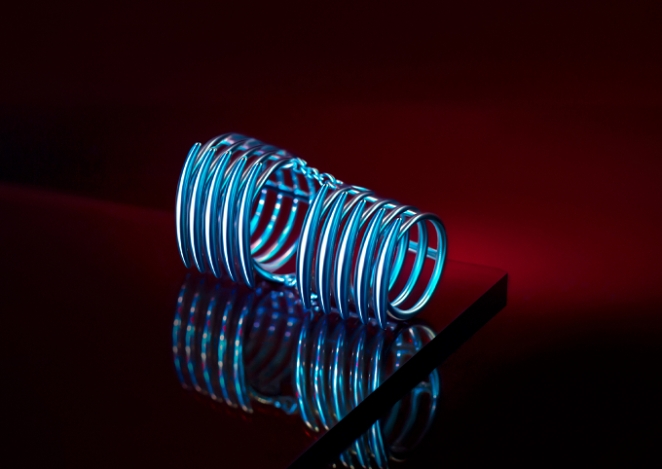 My journey into photography began with a fascination for visual storytelling and the way imagery can communicate emotion, identity, and atmosphere. I was always drawn to the creative world of fashion — the styling, composition, textures, and attention to detail — which naturally shaped my approach to photography.
Over time, this fashion-driven aesthetic evolved into a passion for still-life photography, where I began exploring materials, form, and the relationship between light and objects. I wanted to bring the same sense of emotion, narrative, and refinement found in fashion imagery into the world of luxury objects.
I started developing my commercial photography career in 2017, exploring different areas of photography before specialising in jewellery, watches, and luxury objects. My focus became creating imagery that went beyond simply documenting a product, I wanted to build an atmosphere, evoke a feeling, and reveal the character and identity of each piece.
Jewellery photography became the perfect meeting point between precision and creativity. Every piece carries a story, from the craftsmanship behind its creation to the emotions it represents, and my role is to translate that into a visual experience that feels timeless and meaningful.
Where are you based now and who do you work for?
I am based in Bournemouth, UK, and work with jewellery brands, designers, creative agencies, and luxury-focused businesses. My collaborations include brands such as Michael Matthews Jewellery, Misi, and SilverUK, creating jewellery campaigns, editorial imagery, product photography, and creative direction for brands looking to develop distinctive visual identities.
I work from my studio or travel to clients when projects require a specific location or production setup. I am also looking to expand my collaborations internationally, working with brands and creatives who share a passion for craftsmanship, storytelling, and refined visual experiences.
What is your personal background and what role did it play in your career?
I am originally from Poland and moved to the UK almost 20 years ago. From an early age, I was drawn to the creative world, with a strong fascination for books, theatre, cinema, and visual arts. These experiences developed my imagination and shaped the way I see storytelling, emotion, and the power of visual expression.
My background has played an important role in my creative approach. I believe my work is influenced by a blend of Polish and British perspectives — combining a sensitivity towards atmosphere, craftsmanship, and detail with a contemporary approach to design and visual communication.
Growing up with an appreciation for art, materials, and creativity has shaped the way I see objects and the stories they can communicate. It has helped me develop a style that balances precision with emotion, combining structure, refinement, and a more artistic, conceptual approach.
If you weren’t in your current industry, what would you be doing?
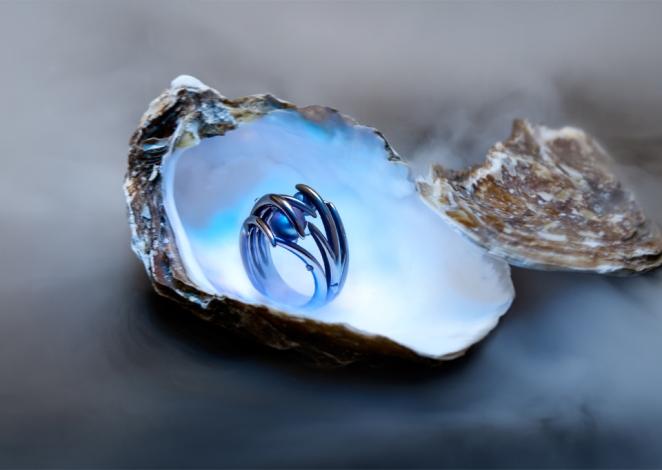 I would probably still be working within a creative field — perhaps as a graphic designer, art director, or another discipline connected to visual storytelling. I have always been fascinated by how small creative decisions can shape an entire visual experience.
Something as simple as choosing the right typeface can influence the mood, emotion, and direction of a whole design. That attention to detail and the ability to build a world through visual choices is something that has always attracted me, whether through photography, materials, spaces, or design.
Can you explain your creative process? What makes it unique?
My creative process begins with understanding the identity and purpose behind the piece rather than simply photographing the object itself. I take time to understand the brand’s ethos, design language, craftsmanship, and the emotions they want to communicate before developing a visual direction.
My approach to still-life photography is strongly influenced by my background in fashion photography. I bring an editorial mindset to jewellery and watches, focusing not only on the beauty of the object itself but also on the the mood, atmosphere, and visual world surrounding it. I believe luxury objects, like fashion, have the power to express identity, feeling, and personal connection.
I approach jewellery almost like sculpture — exploring form, materials, shadows, reflections, and movement to reveal the personality of each piece. Through composition, lighting, and styling, I create imagery that feels considered, distinctive, and connected to the world of the brand.
What makes my approach distinctive is the combination of fashion aesthetics, storytelling, and precision still-life photography. I’m not simply capturing a product; I’m creating a visual language that allows the viewer to connect with the craftsmanship, emotion, and identity behind each piece.
How would you describe your style?
I would describe my style as cinematic, sculptural, and atmosphere-driven. My work explores contrast — light and shadow, softness and structure, luxury and rawness — creating imagery that feels atmospheric while remaining refined and polished.
I am drawn to creating jewellery imagery with a strong sense of narrative, where each piece becomes part of a larger visual experience rather than simply a displayed object. My approach combines editorial sensitivity with still-life precision, focusing on mood, composition, and the emotional connection between the viewer and the piece.
I often work with carefully shaped light, long exposures, and strong shadows to create depth, texture, and a sense of movement. My aesthetic combines contemporary art, dark romanticism, and refined luxury, blending technical precision with an artistic vision that transforms jewellery into sculptural, cinematic narratives.
Beyond traditional product photography, my aim is to create images where light, shadow, and materiality invite the viewer into a world — revealing the artistry, character, and timeless elegance behind each piece.
Which individuals do you gain inspiration from? Do you have any heroes in the industry?
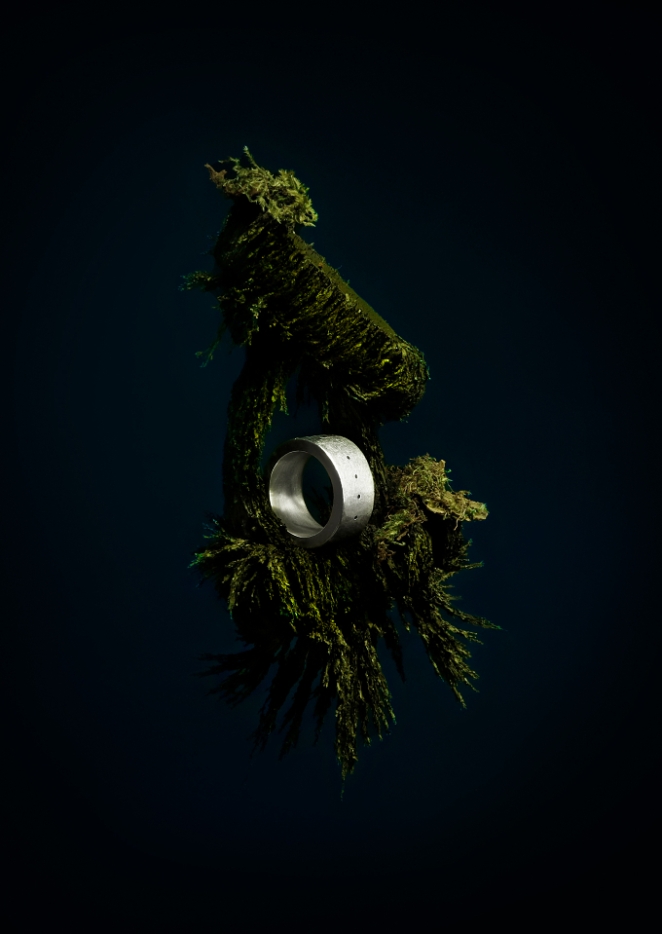 I gain inspiration from creatives who have a strong personal vision and the ability to transform an object or image into something memorable and emotionally powerful.
For still-life and jewellery photography, I am inspired by artists such as Guido Mocafico, Raymond Meier, Edward Weston, and Judita Kuniskyte. Guido Mocafico's sculptural compositions, Simon Larbalestier's masterful use of darkness, mood, and texture, and the way each of these artists approaches composition, materiality, and light demonstrate how objects can be elevated into something sculptural and artistic. Their work reminds me that even the smallest details can carry character, presence, and a sense of meaning.
I am also influenced by photographers who have shaped the language of fashion. I admire Paolo Roversi for his poetic use of light and atmosphere, Patrick Demarchelier and Steven Meisel for their timeless fashion narratives, Sølve Sundsbø and Nick Knight for their experimentation and willingness to push creative boundaries, and Peter Lindbergh for his emotional and authentic approach to imagery.
What tips would you give to aspiring creatives looking for work?
Develop a strong personal voice rather than trying to follow every trend. Technical skills are essential, but what makes someone memorable is their perspective and the way they see the world. There will always be other photographers creating similar work, but no one can replicate your unique way of thinking and interpreting an idea.
Build a portfolio that reflects the type of work you want to be hired for, not just the work you've already been commissioned to do. Personal projects are one of the most powerful ways to showcase your creativity, develop your own visual language, and demonstrate what you're capable of beyond a client brief. More often than not, it's your personal work that will attract the clients who connect with your style and vision.
Stay curious, keep learning, experiment without fear of failure, and keep creating. Creativity isn't built overnight—it's developed through consistency, persistence, and the confidence to keep evolving.
What tips would you give to other professionals to get more clients?
Focus on building genuine relationships rather than simply selling a service. Clients are looking for creatives who understand their vision and can bring something valuable beyond technical skills. Trust and collaboration are just as important as a strong portfolio.
A clear creative identity and a consistent presence are essential. Share your work regularly, talk about your creative process, and let people see not only what you create but how you think. Clients often choose creatives because they connect with their vision as much as their portfolio.
Most importantly, don't give up. Building a creative career takes time, and opportunities rarely come overnight. Stay visible, keep creating personal work, keep putting your work out into the world, and trust that consistency and persistence will eventually open the right doors.
Can you share a memorable experience from your career journey that shaped your approach to creativity?
 Rather than one defining moment, it's the conversations I've had around a table with other creatives that have had the greatest impact on my approach. Collaborating with artists, designers, jewellers, stylists, and other creative professionals has continually challenged the way I think and introduced me to new perspectives, ways of solving problems, and ways of telling stories.
Still-life photography can be quite a solitary profession. I often spend hours working alone in the studio, carefully refining lighting, composition, and every tiny detail. That's why I value collaboration so highly. I've learned that some of the strongest ideas don't appear in isolation—they emerge through discussion, questioning assumptions, and being open to someone else's perspective. A single conversation can completely change the direction of a project and take it much further than I could have imagined on my own.
Those experiences have reinforced my belief that creativity thrives on curiosity, collaboration, and attention to detail. Whether I'm translating the craftsmanship of a piece of jewellery into a visual narrative or refining the smallest element of a composition, I always try to listen first, understand the intention behind the work, and then find the strongest visual way to express it.
What kind of tools/kit/software could you not do without?
My Sony camera system, 100mm macro lens, continuous hard lighting, and even small handheld torches are all essential parts of my workflow. Jewellery photography demands absolute precision, so having complete control over light, reflections, focus, and every fine detail is fundamental to the way I work.
Software is equally important. Capture One is at the heart of my workflow, especially for tethered shooting, which is invaluable when creating long-exposure images and focus-stacked compositions. I rely on Helicon Focus for focus stacking and Adobe Photoshop for the final retouching, where every image is carefully refined while preserving the authenticity of the piece.
Ultimately, the most important tool isn't the equipment itself—it's understanding how to use light to reveal the craftsmanship, texture, and character of each piece of jewellery.
What’s your secret to staying inspired and motivated?
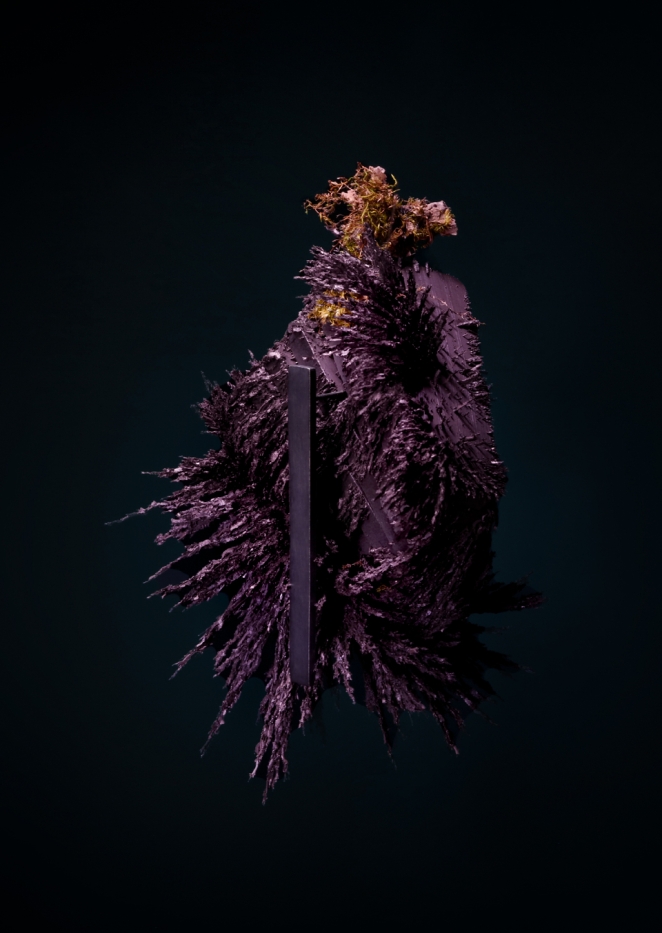
I stay inspired by looking beyond still-life photography. Some of my biggest inspirations come from myths, folklore, symbolism, and the stories that objects and materials can carry. I'm fascinated by the idea that a piece of jewellery can represent something much greater than itself, whether it's an emotion, a memory, or a legend. Projects such as Metallic Abyss grew from exploring those kinds of narratives.
Books, cinema, and fashion continually influence the way I think about atmosphere, storytelling, and visual language. When I look at photography, it's rarely still life. I'm more often drawn to reportage, fashion, and advertising because they challenge me to see light, composition, and narrative from a different perspective.
Personal projects are equally important to me. They give me the freedom to experiment, explore new ideas, and continue developing my visual language without the limitations of a client brief.
What’s the work achievement you’re most proud of?
 I’m most proud of completely changing the direction of my life by going to university in my 30s and building a creative career from the ground up. It was a turning point that gave me the confidence to pursue photography professionally and create work centred around my own vision.
The journey hasn't always been straightforward, which is why I never take opportunities for granted. Getting my first client was a huge personal milestone, and I still see every new collaboration as a reminder of how far I've come. Building a creative career isn't one defining achievement—it's a series of small victories, constant learning, and choosing not to give up.
Creatively, I'm especially proud of developing a recognisable visual identity and creating jewellery imagery that moves beyond traditional product photography. Combining technical precision with atmosphere, storytelling, and a distinctive aesthetic has been one of the most rewarding parts of my journey.
As someone with experience in the industry, what trends do you foresee shaping the future of creativity?
I believe the future of creativity will continue moving towards more authentic, human-centred visual communication . While technology, including AI, is transforming the way we create and produce imagery, I don't believe it can replace genuine human perspective, emotion, or artistic intent.
AI is here to stay and will undoubtedly become part of many creative workflows. However, I see it as a tool rather than a replacement for creativity. As visual content becomes easier to generate, I believe the value of artistry, originality, and a distinctive creative voice will only become more important.
Audiences increasingly connect with work that feels intentional, meaningful, and rooted in genuine human experience. I think we're already seeing a growing appreciation for authenticity and the human touch behind an image. Trends will come and go, but compelling visual communication and thoughtful craftsmanship have always endured, and I believe they always will.
What do you think sets apart truly exceptional creatives from the rest of the pack?
I believe exceptional creatives develop a way of seeing that becomes recognisable as their own. They don't simply chase trends or imitate what's popular—they interpret ideas through their own perspective and create work with a distinctive visual language.
Technical skill can be learnt, but what truly sets someone apart is their ability to communicate ideas, emotion, and meaning through their work. A unique creative voice is built over years of curiosity, experimentation, persistence, and continually refining your craft.
The strongest creatives never stop questioning, exploring, or evolving. They stay open to new ideas and emerging trends, but they never lose sight of what makes their work uniquely theirs. Trends will always come and go, but a recognisable point of view is what gives creative work longevity and makes it memorable.
How do you think technology has influenced the creative industries and how have you adapted to these changes?
 Technology has transformed the creative industries in countless ways, from how we produce images to how we share, discover, and collaborate on work. It has opened exciting new possibilities, but it has also made originality and a strong personal vision more valuable than ever.
I've adapted by staying curious and continually experimenting with new tools and techniques. Much of that exploration happens behind closed doors—I like to test, learn, and understand how new technologies can support my creative process before introducing them into my professional workflow.
Ultimately, I believe technology should serve the creative idea, not define it. I embrace the tools that genuinely enhance my work while keeping artistry, visual communication, and the human element at the centre of everything I create.
What is the one thing that you would change about the industry?
I would like to see more value placed on creativity and craftsmanship rather than speed and quantity. In a world where content is produced at an incredible pace, taking the time to create thoughtful, meaningful work has become increasingly important.
I'd also love to see the industry become more open to emerging creatives with fresh perspectives. Established names will always have their place, but new voices bring new ideas, different ways of thinking, and the willingness to challenge conventions. Giving those creatives more opportunities ultimately benefits the industry as a whole by encouraging innovation and keeping it creatively diverse.
Any websites, books or resources you would recommend?
I don't rely on one particular website or platform for inspiration. I think the best ideas come from being curious about the world and exploring different creative disciplines.
I love reading novels and then watching their film adaptations to see how another creative interprets the same story. It's fascinating to compare how characters, environments, and emotions are translated from words into visual language. Dune is one that immediately comes to mind—the novel completely captivated me, and seeing its world brought to life on screen was an incredible experience.
Whenever I travel, I make time to visit museums and galleries. They always leave me inspired, whether it's by the craftsmanship, the visual language, or simply seeing how artists have approached creativity throughout history. I also enjoy exploring fashion archives and design publications.
For photographers, I'd recommend looking beyond photography itself. Study masters of light, composition, and visual communication, composition, and storytelling, but don't overlook classic cinema, literature, and art. Some of the most powerful inspiration comes from work that has stood the test of time rather than what's trending today.


Ken Gerhardt Photography yesterday, in the morning
Gr8 read/... thanks, Kat.