
Creative agency growth is rarely just about winning new business. It is also about building strong client relationships, developing a distinctive creative culture and adapting to changes in technology and consumer behaviour without losing sight of what makes an agency different. For Osborne Pike Creative Director Tim Miness, curiosity, collaboration and long-term thinking are central to that approach.
Founded in 2002 and now employee-owned, Osborne Pike is an independent brand design agency based in Bath, working with food and drink brands across the Netherlands, Benelux and beyond. In this interview, Miness shares his perspective on creative agency growth, the team’s creative process, innovation, AI, sustainability and the role of human creativity in shaping the future of the industry.
How was your company born and where are you based?
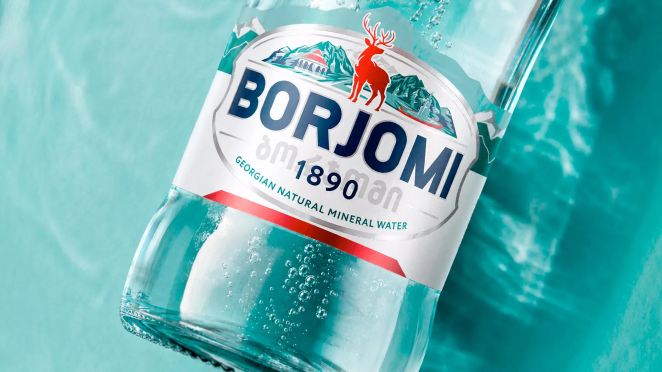 Osborne Pike was founded in 2002 by Steve Osborne and David Pike, both former directors at Design Bridge in Amsterdam, and our heart still lies in the Netherlands. Today, we are an independent, employee-owned brand design agency based in Bath, with a global point of view. We work as creative business partners to food and drink brands across Benelux and beyond.
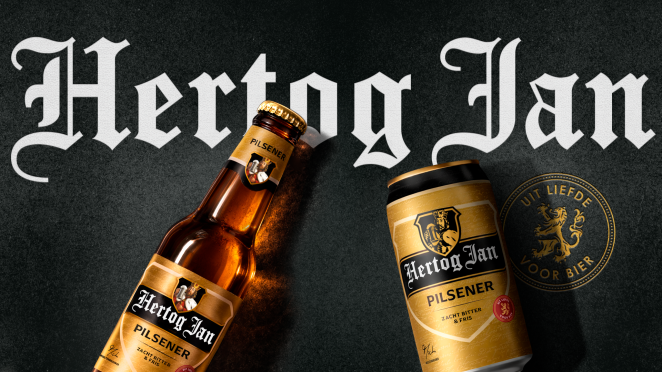
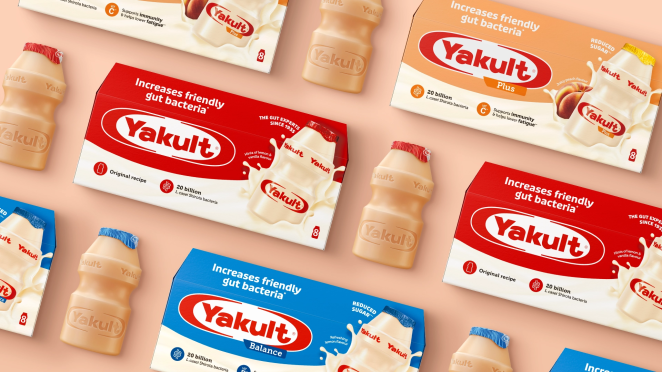
In the Netherlands alone, we have built long-standing relationships with well-loved brands such as AB InBev’s Hertog Jan, FrieslandCampina, Basic-Fit and NXT Level, among many others. Our breadth of market experience helps us see brands through more than one cultural lens and bring a different perspective to creative problem-solving.
What’s the biggest opportunity for you and your company in the next year?
Helping food and drink brands stay distinctive as the market changes. AI, sustainability, changing shopper behaviour and retail transformation all create new challenges, but they also create opportunities for brands that know what they stand for.
Can you explain your team’s creative process? What makes it unique?
 We always start by understanding the problem before trying to solve it. We spend as much time understanding shoppers, retailers and commercial challenges as we do designing.
Good ideas can come from anywhere in the team. They are developed across strategy, client services and design, then openly challenged and refined. AI helps us work more efficiently, but people still make the important decisions.
How does your team remain inspired and motivated?
Curiosity is part of the job. We spend time in supermarkets, breweries, restaurants and food markets, particularly in the Netherlands, where much of our work is based. Watching how people really shop often tells us more than sitting in a studio. We also make time to step away from our screens. An exhibition, a gallery, music, architecture or a walk outside can prompt a different question and take an idea somewhere unexpected.
Our culture matters too. As an employee-owned business, everyone shares in the agency’s success and has a voice in how we shape its future. That shared ownership brings responsibility, but it also gives the work greater meaning. People can see the part they play in the agency’s future and the impact we have on our clients, our communities and one another.
How do you go about finding new clients/business? (Pitching, work with retainers, etc.)
The majority of our work comes from referrals and long-standing relationships. We'd rather build relationships that last, than constantly chase new opportunities. Doing good work is still the best business development strategy we know.
What’s your one big hope for the future of the industry?
 That human creativity wins. AI can process, combine and reproduce what already exists at extraordinary speed, but it cannot care, wonder or understand people in the way we do.
The industry will learn where AI is genuinely useful and where it simply creates more of the same. As that becomes clearer, empathy, imagination and original thought will become even more valuable. The tools will change, but people will still make the work worth noticing.
Can you share a defining moment in your company's journey that shaped its identity or direction?
We became employee-owned in 2025, but it didn’t change who we are. It protected what we’ve been building since 2002: a collaborative culture, strong relationships and a long-term outlook.
What did change was the energy and sense of responsibility across the agency. Everyone now shares more directly in our success and has a stronger voice in shaping our future. Decisions feel more collaborative, people are more involved in the direction of the business, and there’s a greater sense that we’re building something together.
How do you foster a culture of innovation and experimentation within your team?
 We keep the channels open. People share inspiration, observations and half-formed ideas across the agency, not just when a project calls for them. A shop visit, a new product, a piece of technology or something spotted in another category can all spark a useful conversation.
We encourage the team to push a brief as far as it can go and think beyond the immediate ask. The best answer might be a different proposition, format or experience, rather than a new design alone. This is particularly relevant given the breadth of our work in NPD. People need to feel safe asking questions, challenging assumptions and exploring alternative routes. This helps turn experimentation into something useful, rather than innovation for its own sake.
What strategies do you employ to adapt to changes and trends in the industry while staying true to your company's values?
We have our finger on the pulse, but we do not follow trends blindly. One of our values is Wonder, which means we are always asking, ‘What if?’. What if there is another way to frame the problem? What if looking at a different problem could help us solve this one? What if the answer lies outside our category?
This way of thinking helps us embrace change and look ahead without losing our sense of judgement. Our values keep us grounded, allowing us to move things forward without being pulled in every direction.
Can you share a memorable client success story that exemplifies your company's approach and impact?
 Our relationship with Hertog Jan began in 2015, when it was the number-four regional beer brand in the Netherlands. Since then, we’ve helped build a flexible brand system and a steady stream of innovations, spanning the core range, including Proeftuin and Vatgerijpt.
Hertog Jan went on to become the Netherlands’ number-one beer brand, and the wider team behind that success received a Global Grand Effie. For us, it is a powerful example of what can happen when a long-term creative partnership delivers real commercial results.
How do you approach sustainability and ethical practices within your company's operations and projects?
As a certified B Corp, we measure our impact as well as our commercial performance. That affects how we run the agency, support our people and communities, and advise clients.
We look for practical ways to make responsible choices part of how we work, rather than treating ethics and sustainability as a separate exercise.