
Patrick Tichy is a Berlin-based Director of Photography whose work is shaped by a lifelong fascination with photography, film and experimental filmmaking. After studying Photography, Film and Video in London, Tichy worked his way through different film set departments, from grip and spark to camera assistant and assistant director, before developing his own body of work. Today, he works with clients across Europe and internationally, frequently travelling between Berlin, London and Vienna.
With a creative style he describes simply as “cinematic and experimental”, Tichy approaches filmmaking with an openness to experimentation, drawing inspiration from artists and filmmakers including Peter Kubelka, Robby Müller, Miroslav Tichý, Len Lye, William Klein and Diane Arbus. In this interview, he discusses his journey into the film industry, the influence of experimental filmmaking on his creative process, the importance of self-publishing, the role of technology in making creative industries more accessible, and why he believes the industry needs to become less elite.
How did you first get into the industry?
 I studied Photography, Film and Video in London. After the course I became a runner and worked my way through various Film set departments. I was a Grip, a Spark, a camera assistant, a assistant director etc. until I started working on my own projects.
Where are you based now and who do you work for?
I live in Berlin and work for a variety of clients around Europe and the world. I frequently travel for my work, mainly to London and Vienna.
What is your personal background and what role did it play in your career?
I was interested in photography from an early age, like 8. My father had a dark room in our house and once I was a teenager I spent a lot of time developing my photography skills
If you weren’t in your current industry, what would you be doing?
 I probably be a professional ice hockey player. That would have been my other career path.
Can you explain your creative process? What makes it unique?
I studied experimental filmmaking. So I like my work to have an experimental touch whenever possible. Anything goes. Super 8 is a passion and while I dont shoot it much anymore I take inspiration from the physical matter and process that is film
How would you describe your style?
Cinematic and experimental.
Which individuals do you gain inspiration from? Do you have any heroes in the industry?
Peter Kubelka, Robby Muller, Miroslav Tichy, Len Lye, William Klein, Diane Arbus and many more
What tips would you give to aspiring creatives looking for work?
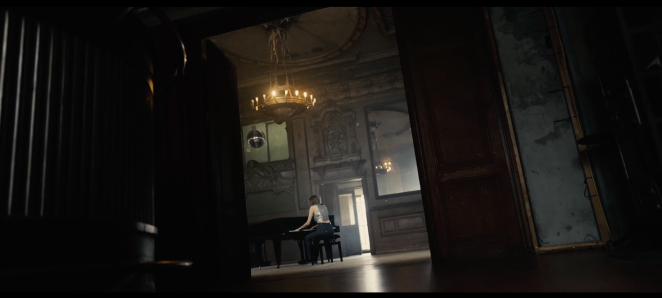 Selfpubish and market as much as possible
What tips would you give to other professionals to get more clients?
That depends on what work you want to do. Try to be different, I guess
Can you share a memorable experience from your career journey that shaped your approach to creativity?
Studying experimental filmmaking was the single most important thing in my career. Its a small field of study that has nothing to do with commercial filmmaking or film language. But it teaches you the essence and what is possible.
What kind of tools/kit/software could you not do without?
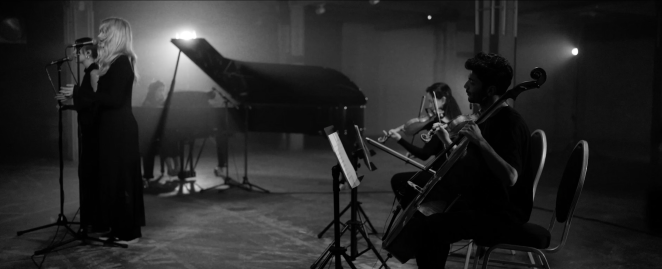 I use whatever is necessary for the job
What’s your secret to staying inspired and motivated
I love what I do, its simple.
What’s the work achievement you’re most proud of?
All of it. Its a big body of work and none sits above another.
As someone with experience in the industry, what trends do you foresee shaping the future of creativity?
There will be an AI backlash, it cant come soon enough
What do you think sets apart truly exceptional creatives from the rest of the pack?
I really dont know. Also the work creative is a bit of a weird one. Some of the best artists or creatives we have most likely never heard of.
How do you think technology has influenced the creative industries and how have you adapted to these changes?
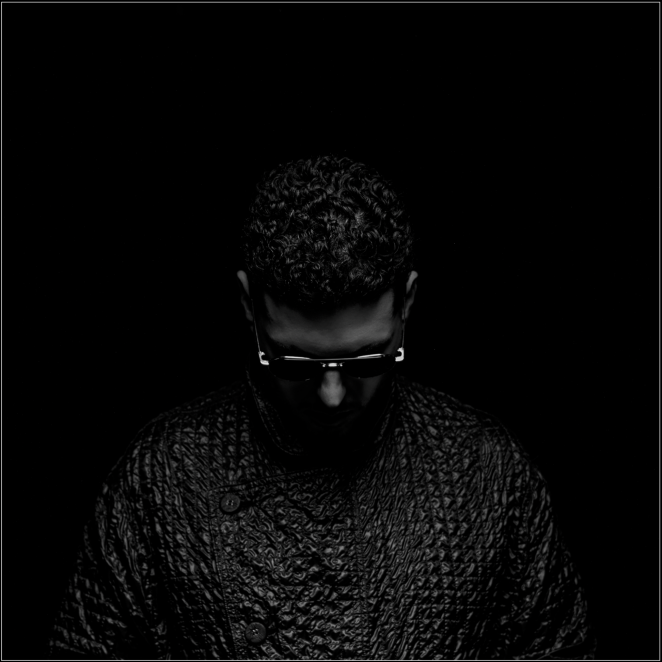 Technology is a good thing, it gives access to a field that used to be very elite. Now everyone can have a go.
What is the one thing that you would change about the industry?
I wish it would be less elite. Its too much backslapping and closed to newcomers, which is a shame.
Any websites, books or resources you would recommend?
Anything by Anselm Adams, Diane Arbus, American Cinematographer, The Bauhaus movement.
The Dice man, and please watch Night of the Hunter, best film ever