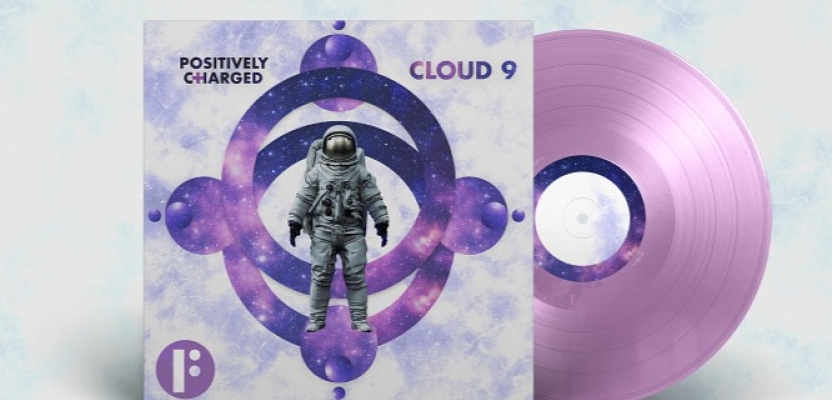

Jacob Younessi is the founder of Younessi Studio, a brand and web design practice based near Cardiff, Wales. His journey into the industry began after exhibiting at New Designers, where his work caught the attention of a production music company and led to a formative internship in London. That early exposure to commercial design helped shape his understanding of how creative work functions in real-world business contexts.
With a background interest in psychology and a strong appreciation for minimal, Swiss-inspired design, Jacob approaches creativity through a balance of intuition and logic. His work focuses on stripping away noise to create clear, intentional visual systems that connect with people and influence behaviour. Today, through Younessi Studio, he works closely with growing businesses to solve design challenges through thoughtful strategy, clarity, and measurable impact.
How did you first get into the industry?
 My first step into the industry came after exhibiting at New Designers. A production music company saw my work and offered me a one-year internship in London. It gave me early exposure to commercial design and set the path forward.
Where are you based now and who do you work for?
I’m based near Cardiff, Wales. I run my own studio, Younessi Studio, which focuses on brand and web design. I work closely with businesses to solve design challenges and help them grow through thoughtful strategy and clean execution.
What is your personal background and what role did it play in your career?
My interest in psychology is what drew me to design. I’ve always been curious about how people think and what shapes their decisions. Design allows me to use that interest in a practical way, crafting visual systems that connect with people and influence behaviour.
If you weren’t in your current industry, what would you be doing?
 I’d probably be making music. Either producing or working as a session drummer. It’s always been a big part of my life and another outlet for creative energy.
Can you explain your creative process? What makes it unique?
My process is a mix of intuition and logic. I often start by exploring different angles freely, then shift into a more analytical phase; researching the industry, trends, and client goals. I believe every design choice should be intentional, with clear reasoning behind it.
How would you describe your style?
I lean toward minimal and Swiss-inspired design. Not just because I like the aesthetic, but because it strips away noise and keeps things clear. Especially now, when attention spans are short and people are constantly distracted, simplicity becomes a strength.
Which individuals do you gain inspiration from? Do you have any heroes in the industry?
 Wolfgang Weingart, Michael Bierut, Aaron Draplin, Willi Kunz, Bob Gill, Stefan Sagmeister, Jessica Walsh, and Dieter Rams to name a few. All have shaped the way I think about design, either through their work or their writing.
What’s your secret to staying inspired and motivated?
What keeps me going is the intersection of design and psychology. There’s always more to learn about how people perceive, process, and respond to visuals, and that curiosity never really runs out.
What’s the work achievement you’re most proud of?
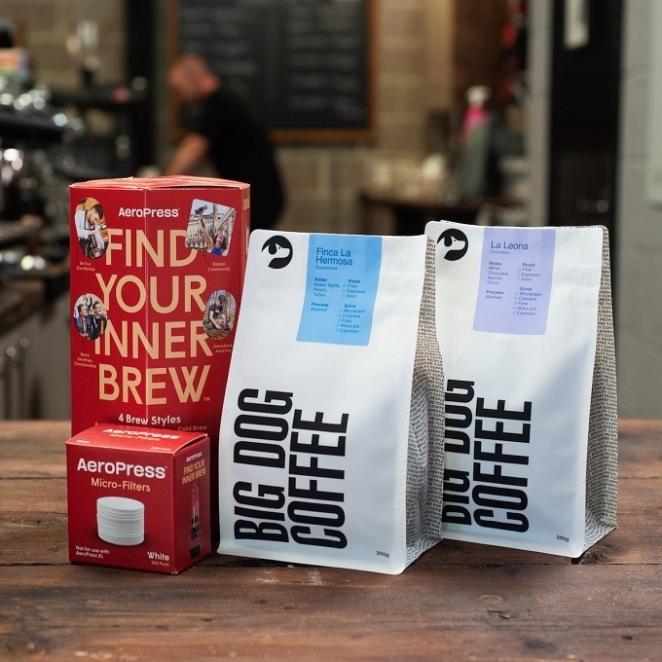
The rebrand and website for Big Dog Coffee. They were growing fast but their branding and online presence didn’t reflect the quality of their product. I worked on everything from strategy to packaging to a new e-commerce site. After the launch, they saw a significant jump in conversion rates and a huge increase in new customer sales. Seeing real impact from the work was incredibly rewarding.
Any websites, books or resources you would recommend?
 Books - A Smile in the Mind by by Beryl McAlhone and David Stuart, Typography: Macro- and Microaesthetics by Willi Kunz, Graphic Design as a Second Language by Bob Gill are some favourites.
When it comes to Website design/Webflow, I can’t recommend Timothy Ricks enough. The Futur/Chris Do are also a great resource for business development and mindset.