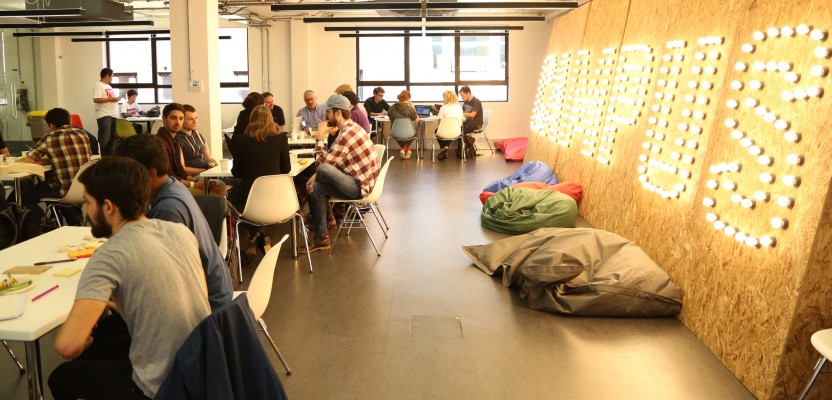

Peace building charity International Alert is bringing together technologists, designers, developers, and experts for its next #Peacehack; an international competition, which examines ways that technology can be used to resolve conflicts and build peace. The focus of this year’s hack will be hate speech, from online Islamophobia to cyber bullying. The London instalment of the competition will return to Google Campus London in Shoreditch this weekend (30 September - 2 October), during a time that social media and technology are being increasingly used to stir up hatred.
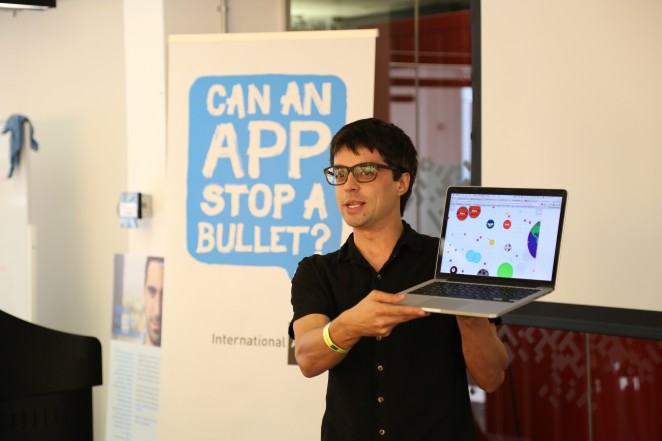
Dan Marsh, Head of Technology at International Alert, said: “The pervasiveness of hate speech, particularly online and in the media, is presenting an increased risk to peace and security around the world. Hate speech can increase divides between people and even incite to violence - as we have seen in the cases of Rwanda, Myanmar and Bosnia, to name a few. We believe technology has an important role to play in tackling hate speech and hope that #Peacehack 2016 will help generate lots of innovative and practical solutions to this global challenge.”
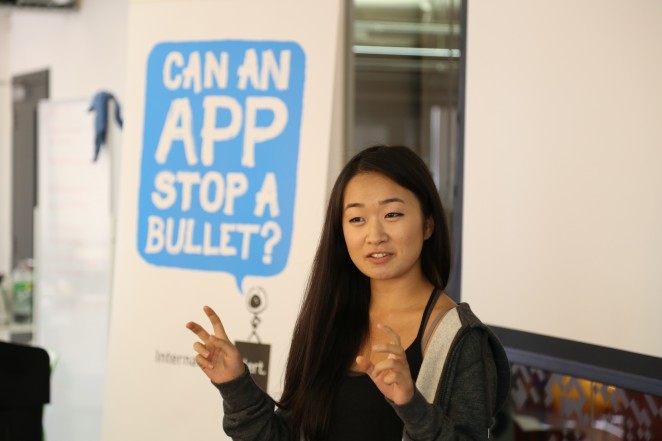
Peter Barron, Google’s Vice-President Communications and Public Affairs for EMEA and award-winning computer scientist, academic and social entrepreneur Dr Sue Black will be on the judging panel. Dr Sue Black said she was inspired by the premise behind the competition. She elaborated: “#Peacehack clearly demonstrates that technology can be harnessed to make a positive difference in the world, improving the lives of those who are vulnerable to harassment, isolation and bullying.” Peter Barron added: “At Google we believe there's a need to confront disrespectful and abusive conduct online. #Peacehack is exploring new and exciting ways to do this.”
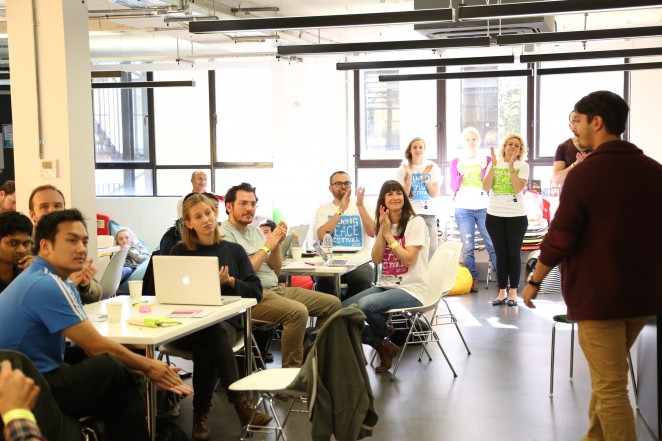
#Peacehack launched as a small London-based initiative in 2014 and has since gone global, with local peace-inspired hackathons held in Beirut (Lebanon), Washington DC (USA), Colombo (Sri Lanka), The Hague (Netherlands), Zurich (Switzerland) and Manila (Philippines) and past themes including countering violent extremism. Athens (Greece) is next on the list. The winners of last year’s London hack have since launched a prototype of their idea Safegees; a mobile and web application that allows refugees to locate people in their contact network privately and securely. #Peacehack 2016 takes place as part of International Alert’s annual Talking Peace Festival, a series of event designed to spark conversations about conflict and peace through creativity. Admission to the #Peacehack is free, and if you want to take part, you can sign up via the Eventbrite page.

The 2016 #Peacehack participants will be asked to focus on generating creative solutions to one or more of the following six challenges:
-
Capturing ‘hate speech’ – We perceive a rise in hate speech, but has it actually increased or are we biased by what we see in the media? What data is out there and what can it tell us?
-
Defining ‘hate speech’ – How do we understand the difference between hate speech and speech that is controversial? How do we ensure hate speech is countered without infringing the fundamental human right to free speech?
-
Understanding the ‘hate speaker’ – How can we better understand the psycho-social drivers of hate speech online? How can we encourage online behaviour to be more positive?
-
Mapping links between on-line hate speech and off-line hate crime – Is there a link between online hate speech and offline behaviour? Can we use online tools to tackle offline social issues and vice versa?
-
Bursting bubbles – How can we prevent self-segregation of groups online and instead encourage broader engagement and exposure to alternative discourses?
-
Educating and protecting younger generations – How can we use education and technology to equip younger generations with more skills to be more resilient to and counter hate speech more effectively?