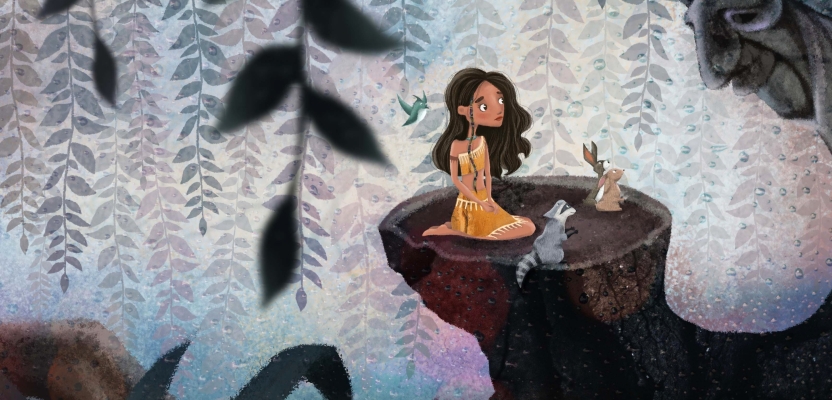

For Lithuanian illustrator Arina, drawing has never been just a hobby — it has been a lifelong way of understanding stories, emotions and the world around her. From recreating scenes from Disney films as a child to building a career in children’s book illustration, her creative journey has been shaped by curiosity, observation and a deep love for storytelling. Today, she works as a freelance illustrator, creating expressive and atmospheric visuals for children’s books and commissioned projects alike.
In this interview, Arina reflects on how family, photography and real-life observation continue to influence her work, why individuality matters more than ever in today’s creative industries, and how combining imagination with authentic details helps her bring memorable characters and stories to life.
How did you first get into the industry?
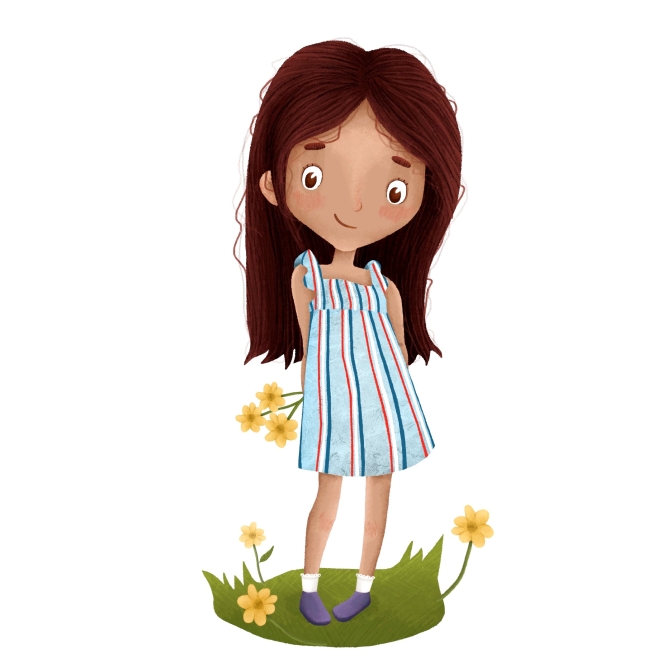 I loved drawing for as long as I can remember. As a child I would endlessly rewatch my favourite Disney cartoons, pausing scenes to redraw and to understand how characters were built, how expressions worked, and how emotion was created through simple shapes. In many ways, I still approach illustration like that.
From the age of 10 to 18 I attended an art studio where I studied the fundamentals of drawing, composition, anatomy and traditional techniques.
I later studied Illustration at the University of Huddersfield, without a clear idea of where my work would lead, I simply loved drawing. Through experimentation, I naturally gravitated towards storytelling and fairy tales, and during my second year I illustrated my first commissioned book. It was also during this time that I began exploring digital illustration, which felt confusing and difficult at first. And I didn’t it much, but surprisingly I kept trying, and eventually it became an important part of my workflow.
After my second year, I took a year-long internship, gaining experience in several places, including an illustration agency in London. Seeing the industry from the inside, understanding its nuances and processes, made me fall even more in love with children’s book illustration.
There was no single moment of decision, the direction shaped itself over time. As more book projects came in, I became increasingly immersed in the process, learning through each new collaboration and developing my voice as an illustrator.
Where are you based now and who do you work for?
I was born and raised in Klaipeda, Lithuania, where I am still based today. I work as a freelance illustrator and mainly collaborate with private clients. My main focus is children’s book illustration, although I also work on other commissioned illustration projects.
What is your personal background and what role did it play in your career?
Creativity was always encouraged in my family. My mother studied tailoring but loved drawing and often drew with me when I was a child, teaching me how to draw portraits. My great-uncle was also an artist. Although I never met him, I grew up hearing stories about his work, which I always listened to with a sense of pride and admiration.
I was also surrounded by family friends who were artists. They encouraged my interest in art, shared their knowledge and supported my creative development. So, art has always been present in my family.
Growing up in that environment gave me the confidence to develop my creative interests and pursue art seriously.
If you weren’t in your current industry, what would you be doing?
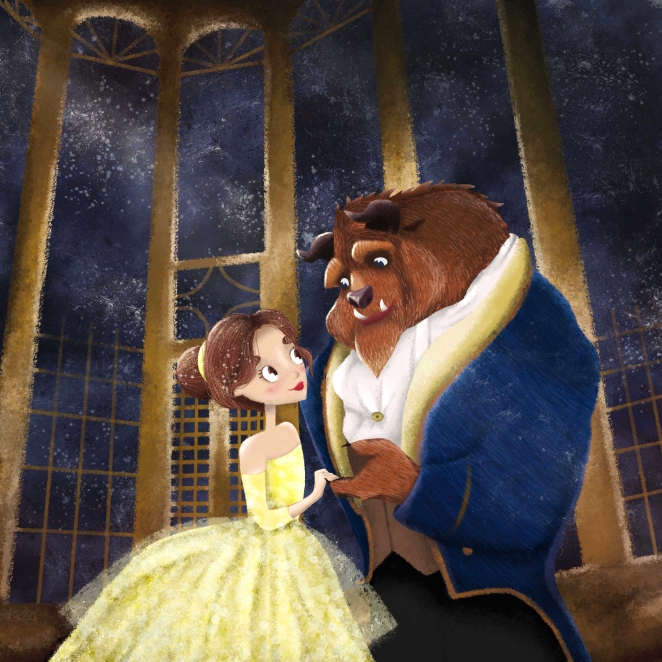 When I was around 10-12 years old, developed a strong interest in photography. I received my first camera as a gift, and photography became a big part of my life. I attended a photography club and a summer camp, where I had the chance to meet well-known Lithuanian photographers.
I still photograph for myself. It has become an important tool of my creative process – it taught me how to capture a moment, notice subtle details and think in terms of composition. I often use my own photographs as references when creating illustrations or painting.
It’s hard to say exactly what I would be today if my path hadn’t naturally led me to children’s book illustration, but I’m sure I would still be working in a closely related creative field.
Can you explain your creative process? What makes it unique?
I usually begin by carefully reading the text and visualising possible scenes, noting the ideas that come to mind. I share them with the client so we can shape the direction together from the start.
I then move on to character design and sketches. Characters often have real-life prototypes - sometimes based on photos provided by the client, or clear description. I use a lot of references, especially when stories are connected to real places. Sometimes I photograph myself to capture specific poses.
What makes my process unique is the way I combine observation with imagination – translating real-life details into a stylized, narrative world. I focus a lot on atmosphere and small details, as I believe they are what truly bring a story to life.
How would you describe your style?
My style is playful, expressive and story-driven. I focus on characters, as I believe they are the heart of children’s book illustration.
My work is stylized, but I often use real-life references to make characters feel more believable and alive. I also pay a lot of attention to atmosphere, using colour, texture and small details to bring each scene to life.
Which individuals do you gain inspiration from? Do you have any heroes in the industry?
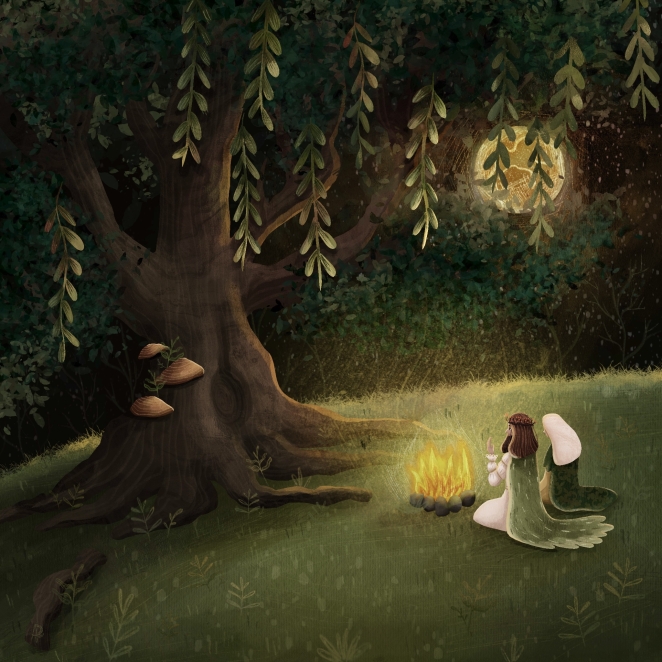 Disney has been a strong influence on my work, especially in terms of storytelling and character expression. That early influence shaped how I approach storytelling in my own work.
I wouldn’t say I have one specific hero. Instead, I’m inspired by a wide range of artists, illustrators, and everyday life – people, moments, and small details that often become the starting point for new ideas. I’m drawn to works that resonate with me – whether through their theme, composition or atmosphere.
I often notice small details in those works and reflect on what makes them interesting, sometimes exploring similar ideas in my own way. Alongside that,
What tips would you give to aspiring creatives looking for work?
I think the most important thing is to keep creating consistently and not wait for the “perfect moment”. Growth comes through practise and mistakes.
Stay open and experiment – your path will evolve. I sometimes turned down exciting opportunities because I didn’t feel my skills were enough, but I’ve learned that you never really know until you try. Don’t be afraid of real projects, as they teach you far more than working only for yourself.
What tips would you give to other professionals to get more clients?
From my experience, communication openness and flexibility are key, along with the ability to present your work in a clear and engaging way.
Building trust and being easy to collaborate with often leads to long-term relationships and new opportunities.
Can you share a memorable experience from your career journey that shaped your approach to creativity?
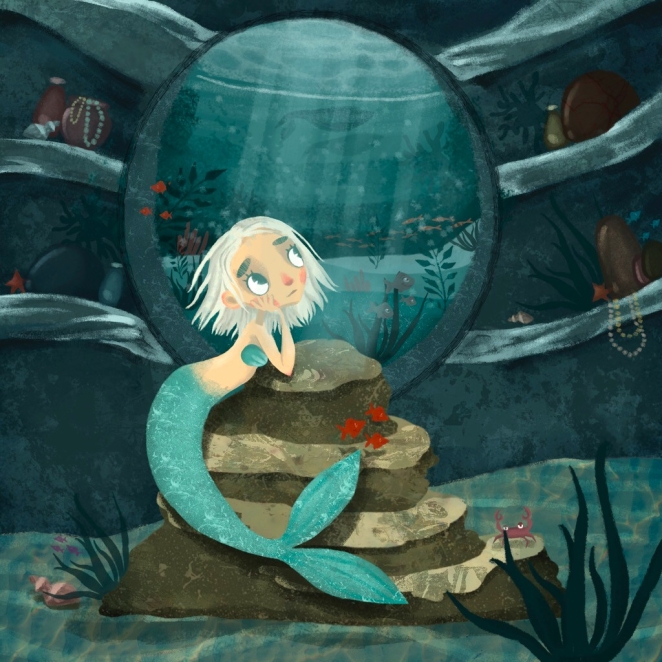 A defining moment in my journey was taking a year of internships, where I worked as an illustrator in different environments – including an illustration agency, a textile print studio and a contemporary art gallery. It allowed me to see the creative industry from multiple perspectives and better understand how ideas are developed and presented.
Around the same time, I worked on my second book commission and a first large project with over 40 illustrations. It was a turning point for me, as it required a much deeper level of responsibility, consistency and storytelling.
Together, these experiences helped me become more structured and confident in my process, and shaped the way I approach illustration today.
What’s your secret to staying inspired and motivated?
For me, inspiration comes from observing everyday life. Staying curious and open to experiment keeps me motivated, and I’ve learned that simply starting is often enough to spark new ideas.
What’s the work achievement you’re most proud of?
I’m proud of every book and project I’ve helped bring to life. Each one is a collaboration, a story and an important step in my growth as an illustrator.
As someone with experience in the industry, what trends do you foresee shaping the future of creativity?
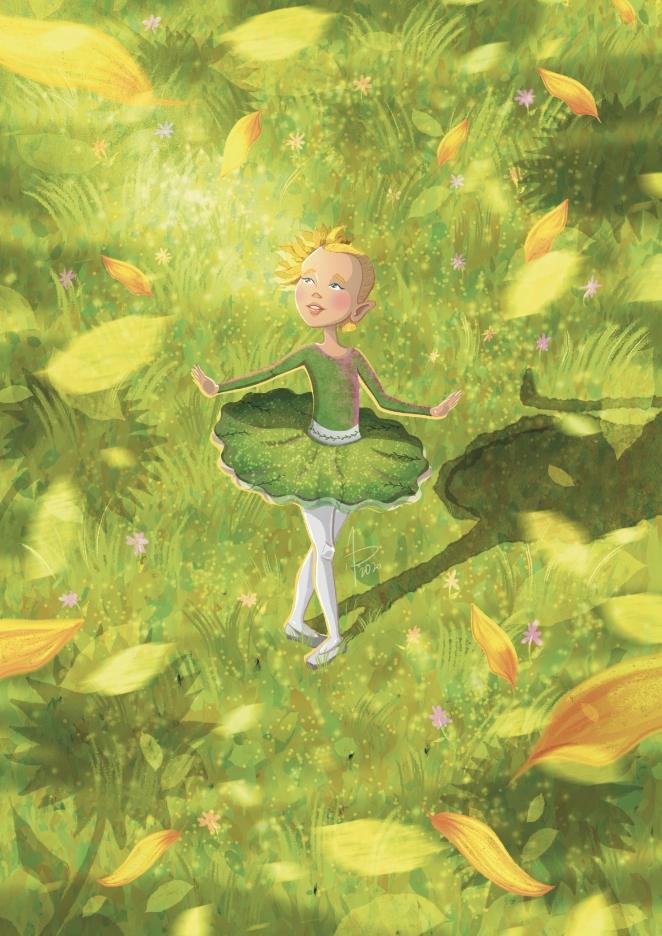 I think we’re at a turning point between technology and individuality. While new tools can support the process, they can’t replace the human perspective and emotional depth behind the work.
There’s a growing shift towards more expressive, less “perfect” visuals, where individuality matters more.
What do you think sets apart truly exceptional creatives from the rest of the pack?
I think it’s the ability to create something recognizable, authentic, and not trying to fit in.
How do you think technology has influenced the creative industries and how have you adapted to these changes?
Technology has opened up a lot of possibilities, but it has also made the creative space more saturated.
I’m adapting by focusing on developing my personal voice and a unique style that helps to stand out.
What is the one thing that you would change about the industry?
I would love to see a stronger focus on originality and individuality, instead of speed and trends.
Creativity takes time, and that process should be valued more.