
Breaking into the creative industries isn't always a straight path. For freelance illustrator Nic Brama, the journey began far from the world of illustration, starting in an administrative role within the FMCG sector before progressing through print production, colour retouching, and agency-based visualisation. Today, Nic has built a successful freelance illustration business specialising in vintage travel poster-inspired artwork, creating bespoke commissions for clients around the world.
In this creative career interview, Nic shares how he transitioned into illustration, developed his distinctive artistic style, and navigated the challenges of freelancing in an evolving creative landscape. From finding inspiration in classic travel posters and Art Nouveau masters to discussing AI's impact on the future of creativity, he offers valuable insights and practical advice for aspiring illustrators and creative professionals looking to build sustainable careers.
How did you first get into the industry?
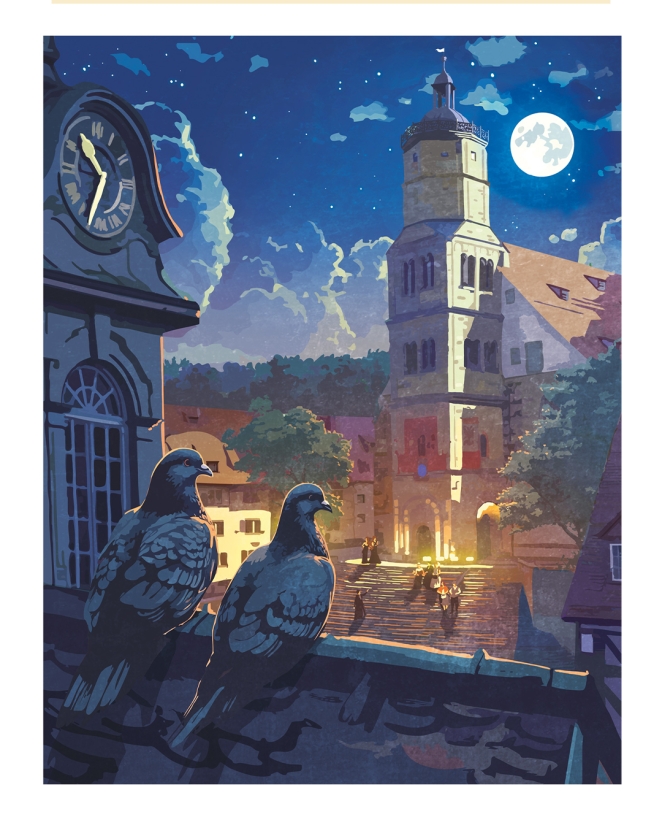 I actually worked my way up into the industry from a non creative starting point. I began in an administrative role supporting a project lead managing a big 4 supermarket account within an FMCG print company. Being so close to the production and print process gave me a solid understanding of how design translates into real world outputs.
From there, I moved into a role as a colour retoucher for print photography. That then led to a more creative position as an image visualiser within a design agency, where I became much more involved in the conceptual and artistic side of projects.
As the pandemic was coming to an end, I made the decision to go full time freelance and focus entirely on my illustration work. It felt like the right moment to take the leap and invest fully in developing my own style and client base. Since then, I’ve been working independently, specialising in vintage travel poster inspired illustrations and bespoke commissioned pieces for clients around the world.
Where are you based now and who do you work for?
I work from home full time, based in the UK, and work entirely for myself
What is your personal background and what role did it play in your career?
I’ve always been far stronger at creating than I ever was academically. From a young age, drawing and making things felt like the only area where I was ok at something. Being dyslexic made more conventional learning structures challenging, so I naturally gravitated towards visual expression as the way I processed and communicated ideas.
Growing up, I knew that if I wanted to feel fulfilled and genuinely successful in what I did, it would have to be something creative. The challenge was that I had no clear idea how that path would actually unfold.
When I first stepped into my admin role within the FMCG industry, I could see there was potential to work my way into something more visually driven. Even if it wasn’t immediately creative, I recognised that being in that environment could allow me to develop relevant skills and gradually move closer to that goal. That mindset was always there, to build upwards toward something more creative.
It wasn’t until a few years into that journey, seeing how roles evolved and how different disciplines connected to the wider creative industry, that I began to realise there were multiple pathways I could explore. That shift in perspective was a turning point, it made a creative career feel realistic rather than abstract.
If you weren’t in your current industry, what would you be doing?
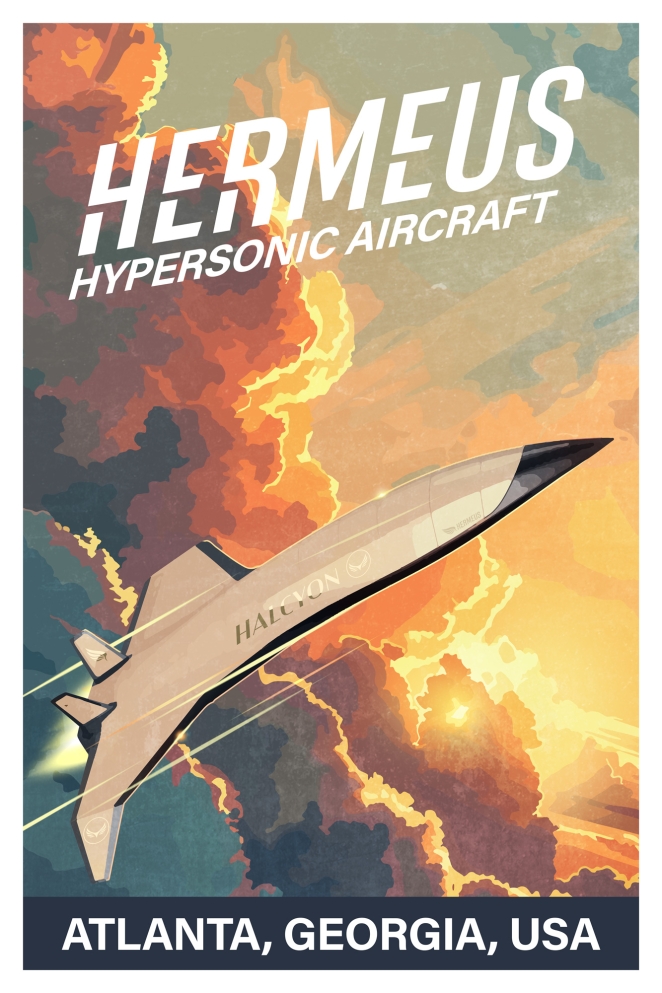 If I wasn’t working in illustration, I think I’d still be doing something hands on and practical.
I’m quite an active person, so I’d probably gravitate towards a trade or something more labour intensive where you can physically see the results of your work at the end of the day.
What appeals to me about creative work is the process of building something from nothing and seeing a finished outcome. I think that same satisfaction exists in skilled trades or more physical roles, where there’s a tangible result you can step back and look at. So even if it wasn’t art, I suspect it would still be something practical, constructive, and rooted in making something.
Can you explain your creative process? What makes it unique?
A lot of my work is rooted in real world landscapes and architecture, so gathering as many references as possible is always a crucial first step. I’ll study different angles, lighting conditions, and compositions, then begin piecing them together almost like a crude puzzle of elements I like. It’s less about copying a single image and more about constructing a composition that feels balanced, intentional, and visually strong.
Once I’ve established a rough layout, I start stripping away anything non essential. I reduce the scene down to its core shapes, light and shadow, and overall structure. My focus is always on clarity and impact rather than detail for detail’s sake.
I often think of it like how you stare at a cloud long enough that you begin to see shapes forming, your mind fills in the blanks.
How would you describe your style?
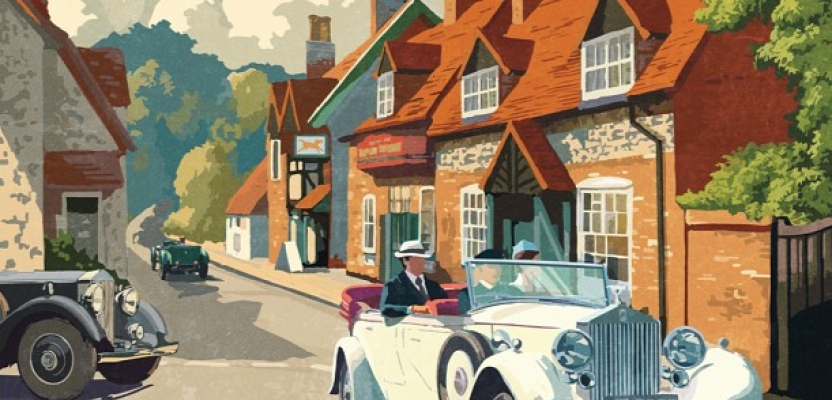
I’d describe my style as vintage travel poster inspired illustration. It draws heavily from the bold, graphic simplicity of early to mid twentieth century travel art, with strong compositions, limited colour palettes, and a clear separation of foreground and background.
I like stripping scenes back to their essential shapes and atmosphere rather than overloading them with detail. The aim is always clarity, impact, and a sense of nostalgia, while still feeling fresh and contemporary.
Which individuals do you gain inspiration from? Do you have any heroes in the industry?
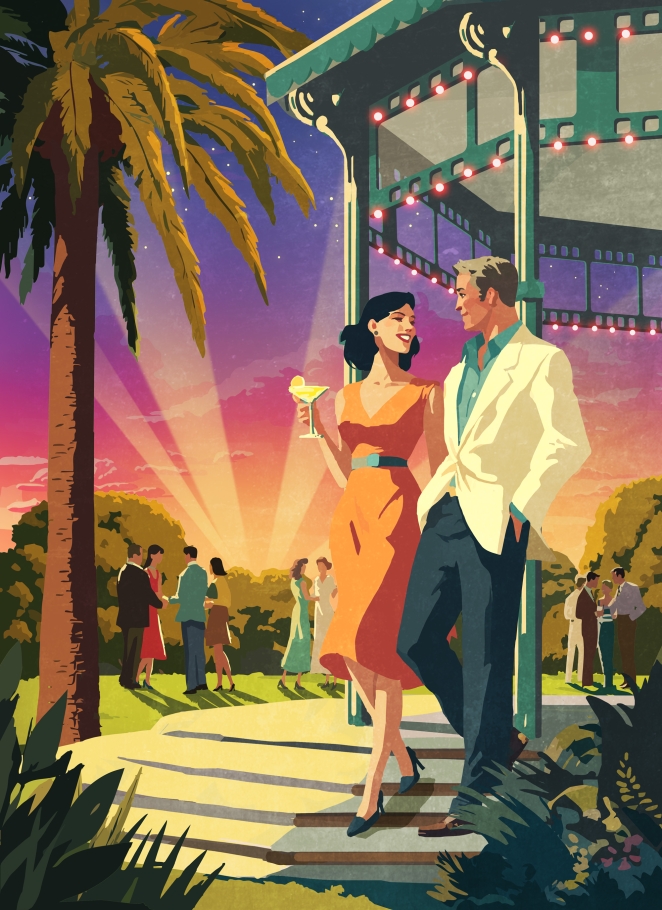 A huge source of inspiration for me comes from vintage travel posters, particularly the classic British railway posters and the American WPA National Park series.
In terms of individuals, I’ve always been drawn to Alphonse Mucha and his Art Nouveau style. As a kid, I was also heavily into comic books and animation, so Mucha’s work almost felt like a bridge between classical art and that bold, outlined comic aesthetic. That combination of structure, ornamentation, and graphic impact has stayed with me and im always drawn to his imagery.
What tips would you give to aspiring creatives looking for work?
I think now more than ever it’s a challenging and uncertain time to enter a creative industry. With the rapid growth of AI and constant headlines about industries shifting or collapsing, it can feel overwhelming and even demoralising, especially when you’re just starting out. I’m still very much figuring out my own path and I think everyone is feeling it.
If I had to offer one piece of advice, it would be to pursue something you’re genuinely interested in, not just something you think will make money or gain recognition. Passion sustains you when things are slow, uncertain, or difficult. If you care deeply about what you’re creating, you’re far more likely to put in the work needed to refine your craft and carve out your niche. And when you commit to that niche, there’s always the possibility it will resonate with others.
I’d also say don’t be afraid to step outside your comfort zone. Sometimes growth comes from saying yes to something unfamiliar.
What tips would you give to other professionals to get more clients?
I’m still very much learning this myself, but one principle has been consistently true across new clients, returning clients, and referrals, and that’s communication.
Good communication can genuinely make or break a working relationship. Many of my long term clients and repeat commissions have stemmed not just from the artwork itself, but from how involved and supported clients felt throughout the process. Making someone feel heard and valued within a creative collaboration goes a long way.
Can you share a memorable experience from your career journey that shaped your approach to creativity?
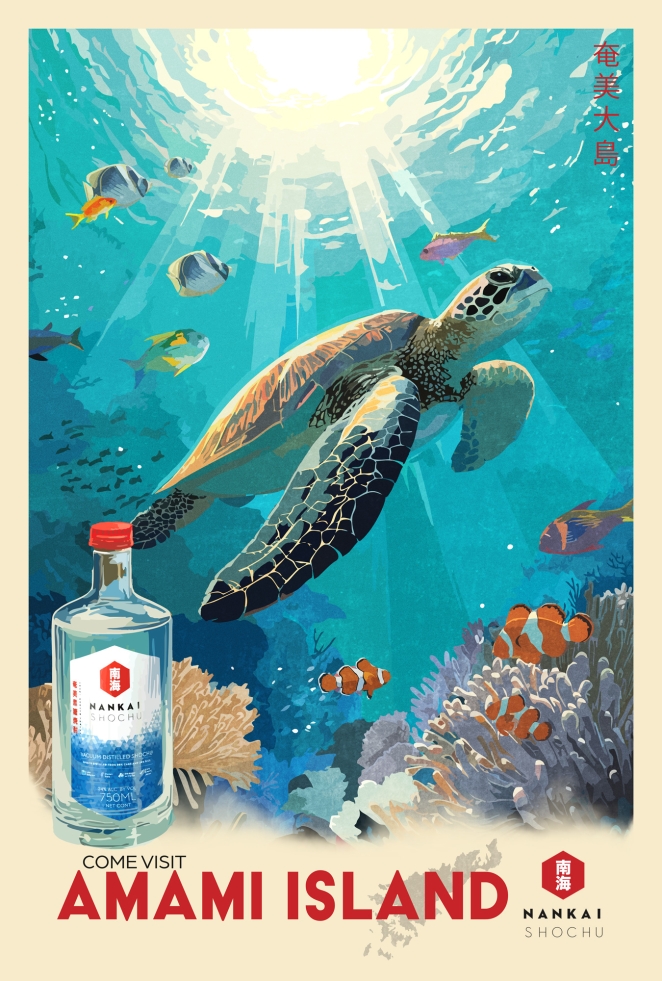 Early on in my freelance career, I primarily promoted myself as a portrait artist, focusing on highly detailed digital paintings. I had worked with a client on a few projects when they approached me about illustrating artwork for a board game. However, they wanted it in a completely different style, something inspired by vintage travel posters and the classic National Park aesthetic.
At the time, I was honest and explained that it wasn’t a style I had much experience in. But rather than turning it down, I suggested putting together one or two trial pieces so we could explore the direction and see how it felt. That decision ended up completely shifting my trajectory.
Through that project, I discovered how naturally the vintage poster style aligned with my strengths, particularly composition, simplified forms, and bold graphic storytelling. It resonated with me creatively in a way my previous work hadn’t. From that point on, I gradually transitioned into specialising in travel poster inspired illustrations, and it’s now the core of what I do.
That experience reinforced two key lessons for me: the value of open communication with clients and the importance of being willing to step outside your comfort zone. Sometimes the projects that shape you most are the ones you initially feel super unsure about.
What kind of tools/kit/software could you not do without?
I work almost exclusively in Photoshop and illustrator and digital freehand on my Wacom Cintiq
What’s your secret to staying inspired and motivated?
I think truly exceptional creatives are the ones who don’t place rigid boundaries around themselves. They remain open, curious, and willing to explore ideas without immediately limiting what’s possible. That openness is something I really admire, and honestly, something I’m constantly striving toward myself.
There’s no real secret, but one thing I’m still learning is the importance of balance. Both of my parents were sole traders, so I grew up with a strong work ethic and the mindset that if you’re not working, you’re not earning. When you’re freelance, especially in the early stages, it can be very difficult to switch off. There’s always something more you could be doing.
Over time, though, I’ve realised that constantly being “on” isn’t sustainable. Burnout is very real, and it can creep up on you without warning. Taking time to rest and recharge isn’t a luxury, it’s essential. Finding that balance is something I continue to work on, but it’s crucial for long term creativity.
In terms of inspiration, a lot of it comes from outside my immediate field. I have hobbies beyond illustration, gaming, exercise, reading, comic books, building models, watching films, walking my dogs, anime, visiting museums, castles, they all have an impact. Even if they’re not directly related to the style I work in, they all feed into my creative thinking. Inspiration doesn’t have to come from within your niche. Often it’s the crossovers between different interests that spark interesting ideas.
What’s the work achievement you’re most proud of?
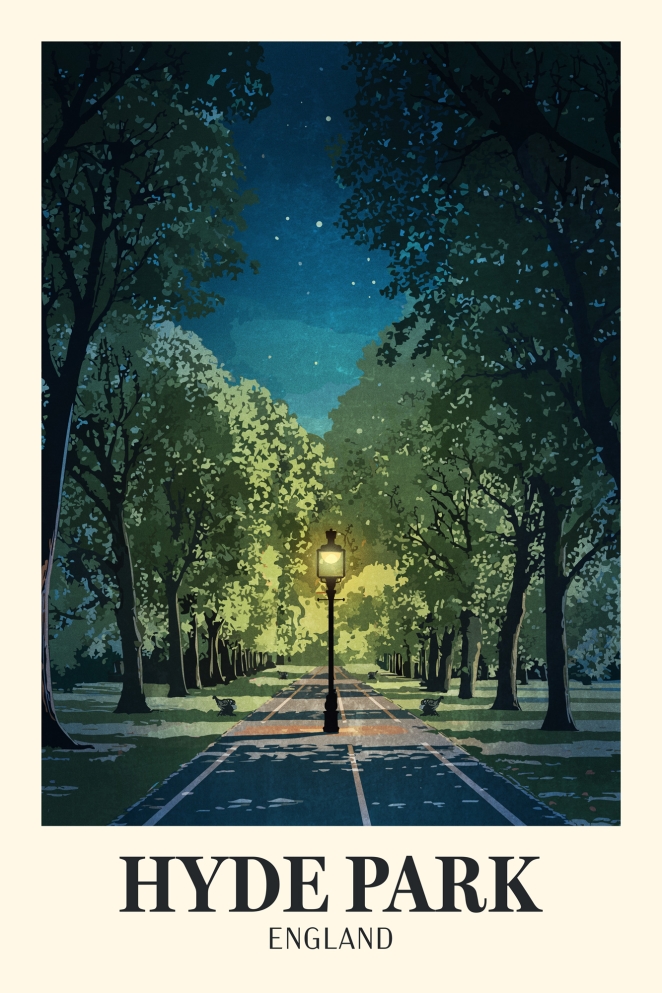 One part I absolutley love is when I either I get a photo from a client who'sdisplayed my artwork or if they send me a product with the artwork on it. For one, its just really cool to see! and two, it speaks to the clients happyness of the work and them taking the time and effort to send it to me. I always means alot.
As someone with experience in the industry, what trends do you foresee shaping the future of creativity?
I think we’re in a moment that feels genuinely unprecedented. The speed and scale of change, particularly with AI, is incredibly disruptive and it’s difficult to predict exactly how it will settle. It could move in many different directions.
My hope is that AI becomes a tool rather than a replacement. Like any major technological shift in the past, it has the potential to assist, streamline, and enhance processes rather than eliminate the human element entirely. In my own experience with commissioned work, I still see a strong desire for bespoke, authentic creativity. Clients are looking for something intentional, something shaped by a person, not just generated “AI slop”.
Interestingly, I’m also seeing clients use AI generated imagery as part of their briefing process. They’ll include AI visuals not as final outputs, but as a way of communicating mood, composition, or direction more clearly. In that sense, it’s becoming a reference tool rather than the end product. That’s a fascinating development because it shows how technology can help bridge communication gaps rather than replace the creative process itself.
While no one can say for certain how things will evolve, I believe there will always be a
demand for human perspective, interpretation, and storytelling. Creativity isn’t just about producing an image, it’s about intention, context, emotion, and collaboration. Those human elements are much harder to automate.
What do you think sets apart truly exceptional creatives from the rest of the pack?

I think truly exceptional creatives are the ones who don’t place rigid boundaries around themselves. They remain open, curious, and willing to explore ideas without immediately limiting what’s possible. That openness is something I really admire, and honestly, something I’m constantly striving toward myself.
How do you think technology has influenced the creative industries and how have you adapted to these changes?
Answered in the above “future of creativity”
What is the one thing that you would change about the industry?
If there’s one thing I’d change about the industry, it would be the normalization of overwork. The constant grind mentality can lead to burnout and make it harder to stay creative. I’d love to see a culture that values creativity alongside balance, where you’re not expected to sacrifice well-being just to feel “privileged” to be doing the work.