
In an industry shaped by fast-moving trends, emerging technologies and ever-changing client expectations, building a successful design studio requires more than consistently producing great work. For Tom Muller, Creative Director and founder of helloMuller, long-term growth comes from staying creatively curious, pushing into unfamiliar territory and developing meaningful relationships with clients and collaborators. Founded in London in 2011, helloMuller has evolved from a vehicle for freelance work into an independent design studio known for creating distinctive identities for stories, brands and entertainment.
From overseeing the rebrand of Marvel Entertainment’s X-Men comic book line to developing his philosophy of “Designing Fiction & Branding Stories”, Muller has built a practice around translating narratives into visual identities that connect with audiences. In this interview, he discusses the challenges of growing a creative studio, the importance of creative experimentation, finding new clients, working collaboratively with clients and staying selective in the face of industry trends as well as the influences, experiences and ideas that continue to shape helloMuller.
How was your company born and where are you based?
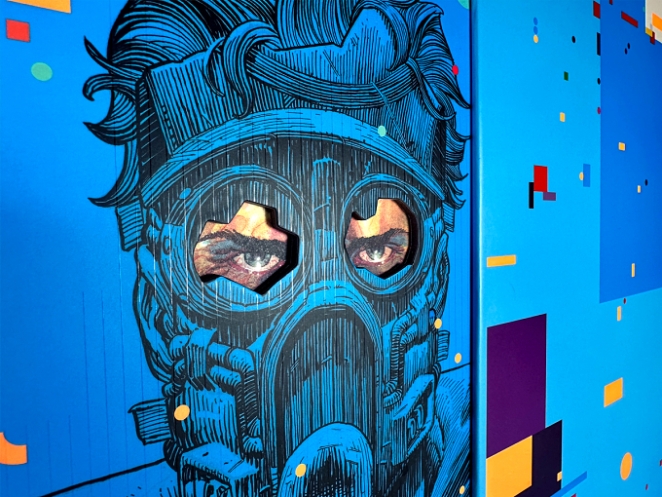 helloMuller was founded in 2011 in London. After more than a decade working across design and digital agencies an opportunity presented itself and I took the leap to set up my own company; initially as vehicle for freelance work but over the years it has grown into the independent design studio it is today.
What was the biggest challenge to the growth of your company?
I think it’s always a mix of creative consistency, staying relevant and finding the spot that makes you comfortably uncomfortable. By consistency I don’t mean doing the same thing over and over, but showing that you can deliver great work every time for every client; while always pushing the edge out further into new territories — whether that’s working for clients & industries you haven’t worked with before; taking on work that you usually don’t do and that pushes you creatively. I think creative stagnation is always the biggest thing to challenge.
Which was the first huge success that you can remember?
I think the biggest (not the first) success in recent years was the 5 year long engagement with Marvel Entertainment helping to create and oversee the rebrand of their X-Men comic book line. I had worked on big/visible IP before; but this project — especially the scope in visibility, and it still being widely visible and available in global markets really put a spotlight on the studio.
What’s the biggest opportunity for you and your company in the next year?
I feel that in the last few years the studio has been moving more and more towards building relationships with prolific storytellers across multiple platforms in gaming, publishing, film & TV… and its about harnessing those connection and bringing the level of design the studio is known for to those platforms.
Can you explain your team’s creative process? What makes it unique?
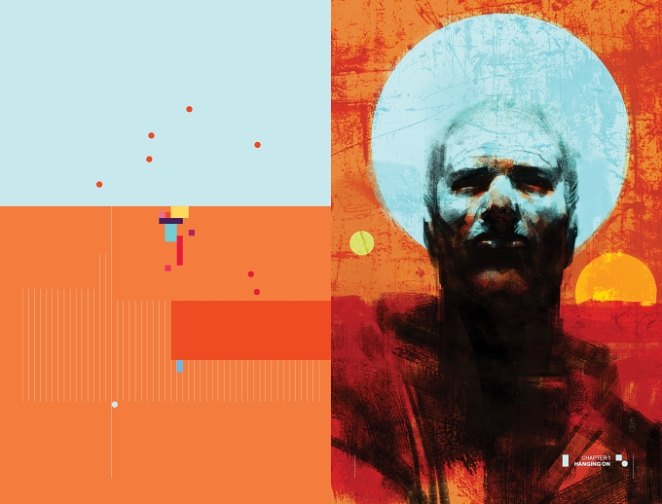 The one thing helloMuller does really well is getting under the skin of the subject and extracting critical characteristics of any story and distilling that into a unique identity. I often joke that the work has succeeded when people start getting tattoos of it, and that has happened more than I thought it would. I think that speaks to the genuine connection the design makes with the audience; and because it’s a great piece of design; but I would say that J
How does your team remain inspired and motivated?
I’m very privileged to have positioned the studio into a place where I; and the team I bring into projects all love what we do; and what our clients do — that goes a very long way into keeping you psyched. I mean, why wouldn’t you be inspired if you get to create identities for some of the biggest storytellers and creators in the world?
How has COVID-19 affected your company?
I’m actually more looking ahead how the fallout of COVID-19 will affect the company. We all saw how the global lockdown really changed how people consumed entertainment — which in a very short term pushed creation and production of (home) entertainment through the roof, which was good for business at the time… But as business are readjusting to “life going back to normal” it has affected a lot of companies and clients. In some cases plans and budgets have been adjusted downwards; elsewhere there seems a stronger focus on quality over quantity. I think that will be the real story of how companies like mine will be affected.
Which agencies do you gain inspiration from? Do you have any heroes in the industry?
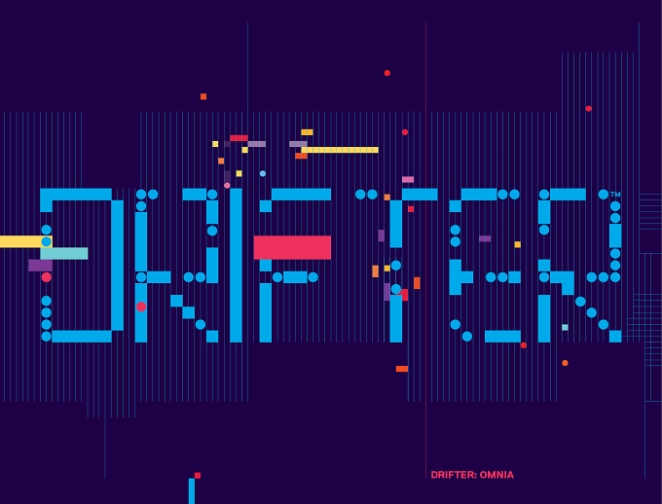 I wouldn’t say I have “heroes”… Once you’ve had a peek behind the curtain I think the heroization makes place for appreciation and respect for your peers and the work they create. If I had to name and agency, or someone I usually always go back to Massimo Vignelli and Saul Bass, Total Design… But really it’s a mix of design and pop culture where I go for inspiration.
What is one tip that you would give to other agencies looking to grow?
Saying this as the owner of a small studio, if you want to grow you need to position yourself as someone a client can partner with over the long term – and show that you have to work to back that up. I think a lot of clients today want to put their trust into a creative partner that can stick with them for the long haul and deliver more than just one thing.
How do you go about finding new clients/business? (Pitching, work with retainers, etc.)
Its primarily about being very vocal and sharing the work helloMuller does, and doing that consistently. Don’t be shy to self-promote. Putting myself out there has created visibility; which leads to being invited to pitches and getting a seat at the table.
What’s your one big hope for the future of the industry?
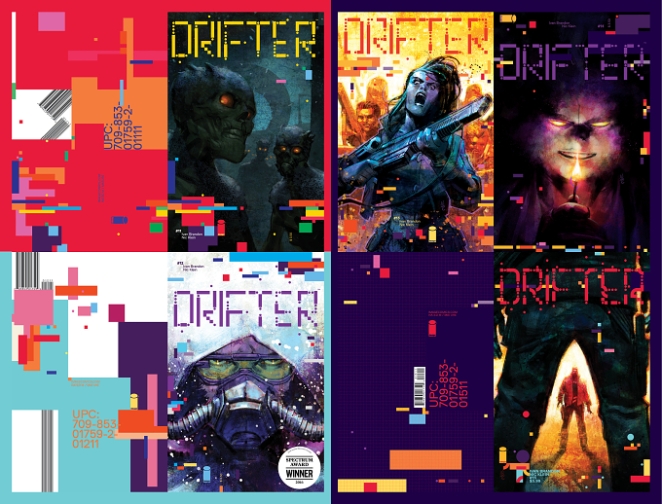 A more measured approach to hype cycles driven by technology.
Can you share a defining moment in your company's journey that shaped its identity or direction?
I think around 2018 when I was creating presentations for conferences that I coined the term “Designing Fiction & Branding Stories” as a hook to build a talk about helloMuller; and that distillation; of using design and branding as a way to bring visual identity to stories —whether they’re completely fictional, or an idea in a founders mind — and bring those those stories into the real world through design really helped solidify the direction I wanted to take the business in.
How do you foster a culture of innovation and experimentation within your team?
If it’s cool, do it.
What measures do you take to ensure diversity and inclusion are prioritised within your company?
Since the studio is primarily myself; I only really have the opportunity to look at this whenever a project requires me to set up a larger dedicated team; which allows me to hire creatives who bring their own unique voice to the work through their person and identity because it always creates a much richer creative environment, and results in stronger work.
Can you describe a project that challenged your team creatively and how you overcame any obstacles?
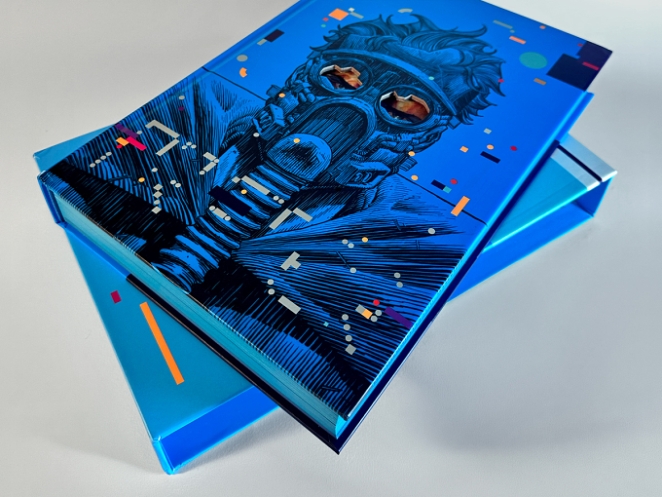 One thing I feel helloMuller has done well is to work really closely with clients and not create an Us vs Them environment where clients can’t have any creative input. I’ve found that a lot of challenges and obstacles can be overcome by including clients in the creative process and have a true collaboration.
How do you balance maintaining your company's unique creative voice while meeting the diverse needs of clients?
Again, I’m lucky that today helloMuller attracts clients because of the work the studio has done before and clients wanting that voice brought to their brand or product. Mostly that always creates a solid foundation of a unified creative approach.
What strategies do you employ to adapt to changes and trends in the industry while staying true to your company's values?
The best advice I can give here is that once you realise you don’t have to jump on every single trend or industry change but can be selective with intent it becomes much easier to see the signal through the noise.
Can you share a memorable client success story that exemplifies your company's approach and impact?
It’s hard to pick one, so I won’t — but I’d say its great to see the longevity and impact the work has had; especially in industries that are incredibly fast-moving and ever-changing — and seeing the work spread organically, either by fans who co-opt it; or the brands themselves who see that the strength and recognition is something that doesn’t need to be updated.
In what ways do you invest in the professional development and growth of your team members?
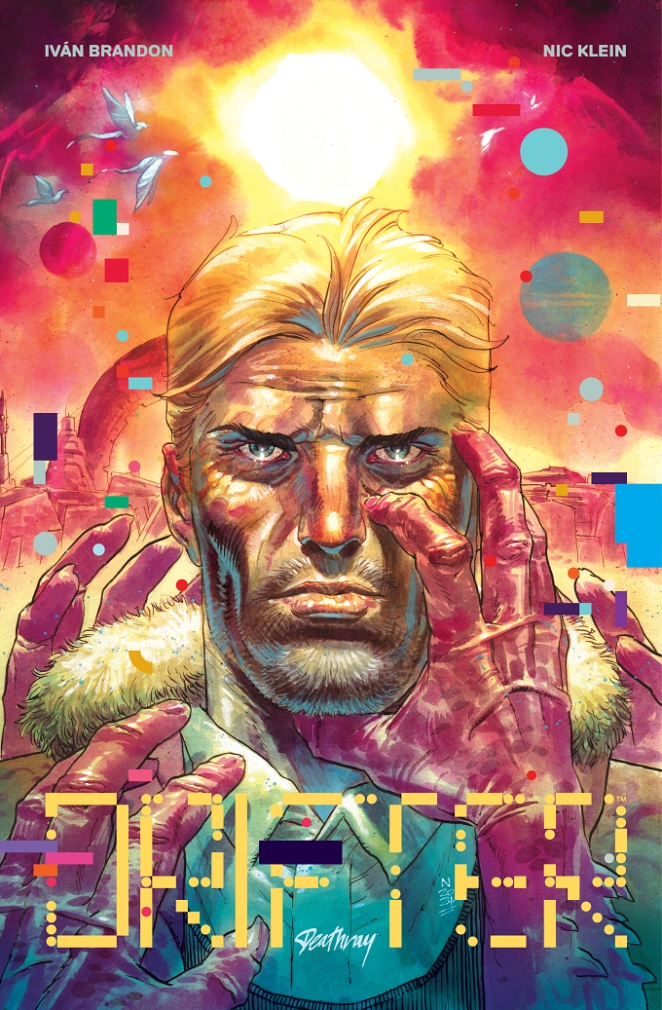 Museum memberships and movie passes. Art & entertainment, lowbrow and highbrow visual education is the best breeding ground for great ideas.
How do you approach sustainability and ethical practices within your company's operations and projects?
Buying sustainable produce and products…things that last; being conservative with energy usage.
Can you discuss a time when your company had to pivot or innovate in response to unforeseen challenges, and what lessons did you learn from that experience?
It seemed like a small thing at the time; but it was something that really impacted the business… and it was a simple as being forced to learn Adobe InDesign. This is right at the start of the studio when a client required digital layouts for their app needed to be delivered in InDesign. It was one of those rite of passage learn on the job situations that opened up a lot of different avenues; and today InDesign is one of the core pieces of creative software I use.
Do you have any websites, books or resources that you would recommend?
Milton Glaser: POP, by Steven Heller, Mirko Ilić and Beth Kleber (published by Phaidon) — because it’s such a joyous and colourful book on design and creativity.
And Branding Fiction by Lorenzo Bernini (published by CAPSLOCK) — based on Lorenzo’s vast Fictional Brands Archive site it’s a great repository of branding design for fiction.