
A creative career rarely follows a straight line. For Nina Bosanac, integrated design lead at The Gate, the journey moved from fine arts photography and digital retouching into design, freelance work and advertising, eventually leading to her current role at the London-based creative agency. Along the way, working across different countries, disciplines and technologies has shaped an approach to design that combines creative exploration with structure, systems and problem-solving.
In this interview, Nina shares the experiences and influences that have shaped her design career, from developing a systematic creative process and finding inspiration beyond the screen to building digital and modular design systems. She also explores how AI and emerging technology are changing the creative industries, what aspiring creatives can do to build their careers, and why curiosity, continuous learning and a willingness to push ideas further remain essential to creative work.
How did you first get into the industry?
 A very meandering path! I actually started off doing a bachelor’s degree in fine arts photography, and during that I got to go to New York for a semester where I became interested in digital art and using Photoshop. Then I worked in digital retouching for a while and ended up going back to university to study design because I felt I didn’t have enough practical or technical skills (and I knew I didn’t want to be a traditional artist). After a few really random jobs, I started working at a university in a media department and after a few years ended up moving to London. There I kind of fell into advertising after going freelance and getting a gig at Ogilvy that turned into a permanent role for many years.
Where are you based now and who do you work for?
I’m currently working at The Gate in central London, which is a creative agency that’s part of the MSQ network of agencies.
What is your personal background and what role did it play in your career?
 I’ve lived in 3 different countries, Croatia, Australia and now UK, and that multicultural lens gave me a love of travel, and perhaps a bit of fearlessness in just going for opportunities. I was also always the creative kid growing up so you’re led down a creative path, without necessarily knowing what shape that’ll take. Recognising and taking those opportunities beads together into a sort of career path, in hindsight. Studying fine arts has perhaps made me a bit less traditional in ideas and approach, because art focuses on the conceptual ideas, pushing boundaries and disrupting norms in its expression and messaging. Great art can really push out your conceptual edges and that holds a bigger space for your own creativity.
My studies included HTML and CSS, and over the years I’ve put together various Wordpress websites for people in a freelance capacity (including my own folio). I love learning by doing so having these types of projects really allows you to practice your skills. Understanding those foundations has then been instrumental in how I design for web and email, and I’ve been increasingly interested in UI, UX and product design and building more complex modular design systems. I also got diagnosed as neurodivergent a few years ago and have a tendency to deep dive into everything and find its order. That’s why I love design – it’s this lovely balance between the creative flow side, and a structured, ordered side. That tension between those things is how I approach design.
If you weren’t in your current industry, what would you be doing?
I’m really interested in psychology and during covid I did a degree in that for funsies. I also fell in love with neuroscience and I would love to study that more as a hobby. So perhaps a clinical psychologist or neuropsychologist? I still like reading scientific papers when I get the chance because science is so incredibly interesting.
Can you explain your creative process? What makes it unique?
 I have quite a systematic brain so if I’m processing a chunky brief I like to methodically break things down in order to design a logical system behind it. Design is really just visual problem solving so you have to try to understand what the problem or goal is first. When I’m diving into the details, I always try to keep an awareness of how everything fits together on a bigger picture level. For example if doing branding with multiple sub-brands, which details of that ecosystem are differentiated and which are unified? If it’s more of a creative brief, like icons or logos, I always love starting with just good old hand-sketching on a pad.
I always used to love drawing growing up so getting off the computer onto real paper is freeing. It gets you into a flow state and helps you quickly iterate a bunch of ideas and move past the ‘first idea’. Like in art, you always ask yourself how can I push this more? How do I make it better? Is there anything that feels off? What feels right? Then you solve that. That feels like choreography to me, like a dance. Maybe that’s the unique part?
How would you describe your style?
My style tends to be quite clean and minimal, but I really try to get into the feel of what the brief is asking. Rather than pushing my own style it’s more about understanding the brand or essence of what the project is trying to convey and designing what feels right for that (whether using existing guidelines or starting from scratch).
Which individuals do you gain inspiration from? Do you have any heroes in the industry?
 Women trailblazers in the industry like Paula Scher and Jessica Walsh, as well as the incredible women (and men) I’ve worked with over the years that I’ve learned a lot from. Some have become great friends and creative collaborators and have taught me a lot about leadership qualities and striving to better yourself. Generally, I’m drawn to creative people that push the boundaries of their craft like Iris Van Herpen, Imogen Heap when she did the glove project with MIT, Nice Aunties, DJ Dave who makes music with code etc.
What tips would you give to aspiring creatives looking for work?
Look for opportunities everywhere and always do a great job, no matter how small the project is. That way, people will recommend you to others and you’ll build up a portfolio. Always keep learning your craft and evolving your skills. If something interests you, play around with it and see what comes from it. Also talk about it and show your own projects! If people know you as the designer/creative person, they’ll think of you when they or someone else needs work. Be known as THE creative one in your family/friends/community.
What tips would you give to other professionals to get more clients?
 Being good at what you do and easy to work with will open doors and make people remember you. Also recognising when to take opportunities, no matter how small, because you never know what other things may come from that. Be curious and forever a student of your craft. Always ask the why behind what you’re doing.
Can you share a memorable experience from your career journey that shaped your approach to creativity?
I think it was my early career role at the university media department and having a great manager who was technically brilliant. The role allowed me to recognise my strengths in organising, as well as creatively, and taught me so much about so many aspects of design. It’s really important to have people who believe in you, early in your career. The working relationships and skills we built with clients and vendors there still give me confidence to this day. And while not technically being part of my design career, the experience of living in New York changed the trajectory of my life.
I not only started becoming interested in digital art which led me to working in design, but the energy and creativity of that city spurred me to move to London years later. Just being able to see the art I’d read about in books was so inspiring, and having time to play and explore in the studio is a feeling I try to get back to when I design.
What kind of tools/kit/software could you not do without?
 I know this will sound odd but a plain text file editor! You can strip out formatting when pasting content into layouts, quickly format tables using tabs, clean up copy and line breaks (looking at you PDF files), take notes and track time. It just generally makes it smoother to go back and forth between copy docs, briefs and layouts. It’s such an underrated tool.
What’s your secret to staying inspired and motivated?
Stepping away from the computer and going to things in the real world. Exhibitions, talks, gigs, tours, guided walks. I also love to travel and try to go to the Venice Biennale every year it’s on. I love roadtrips and have recently been really getting into hiking in UK, which has an incredible walking culture. Just trying new things and exploring the world no matter how close or far. Also remembering to be playful and silly because that allows the brain to be more open and flowy.
What’s the work achievement you’re most proud of?
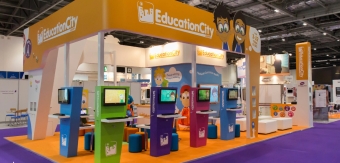
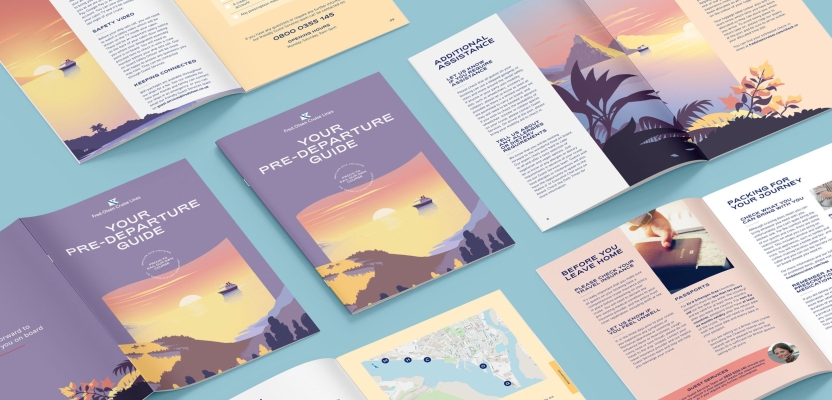
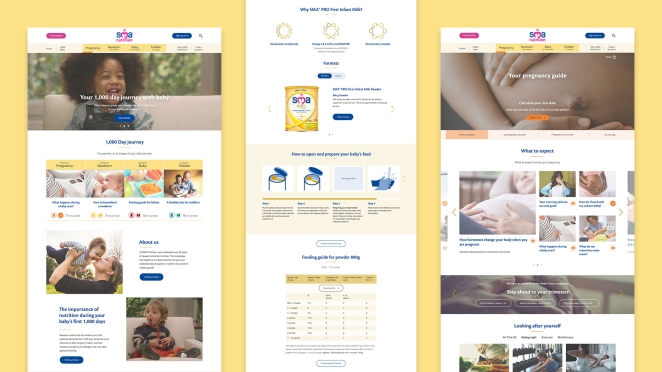
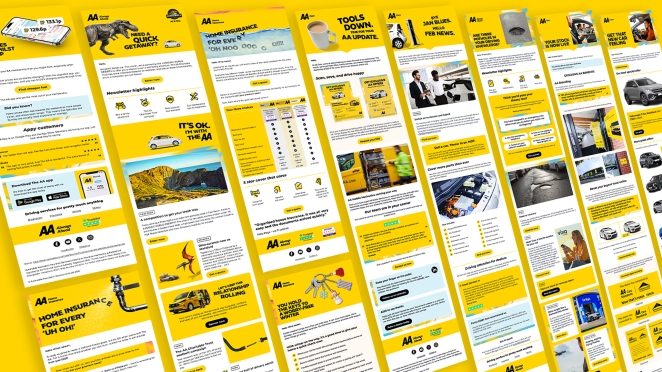
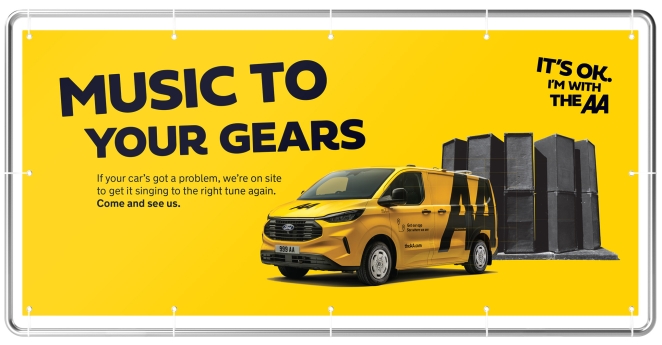
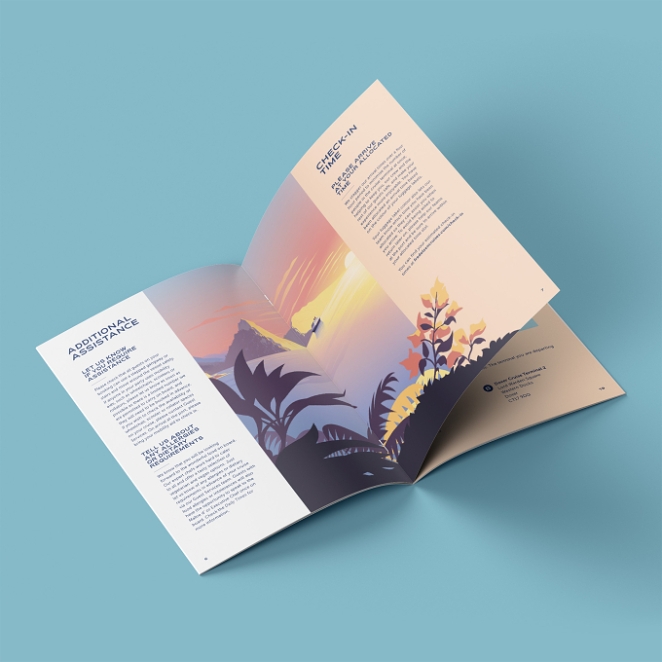
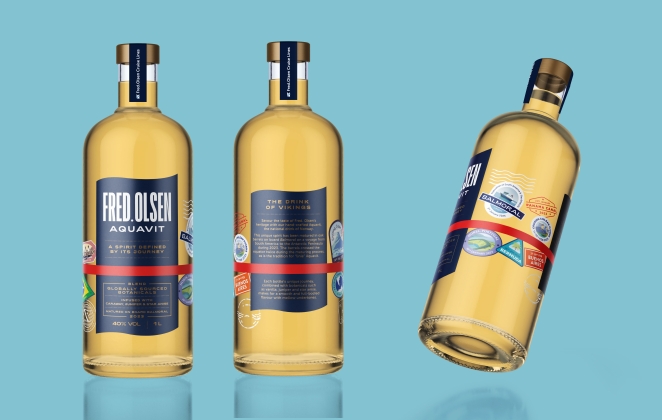
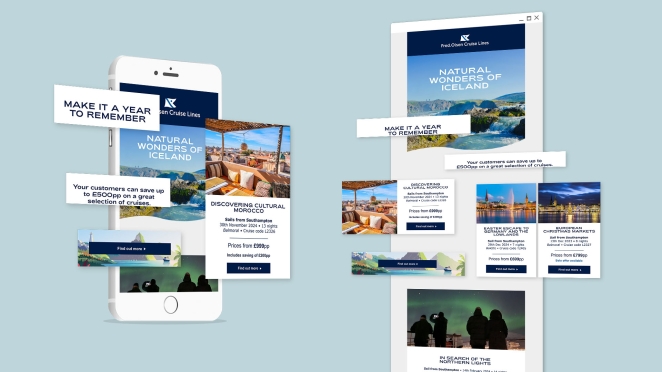
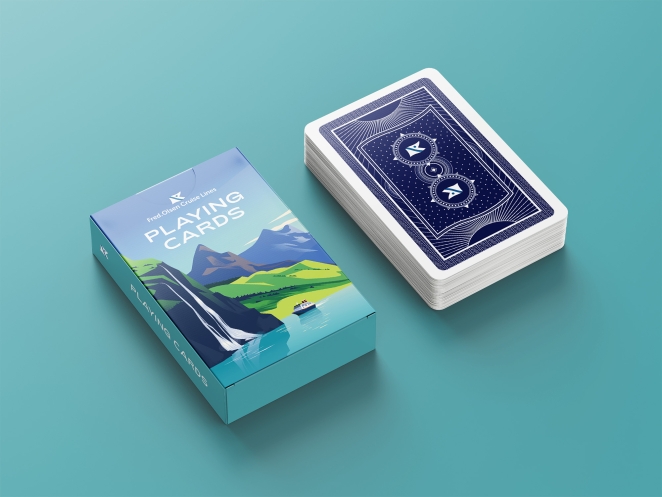
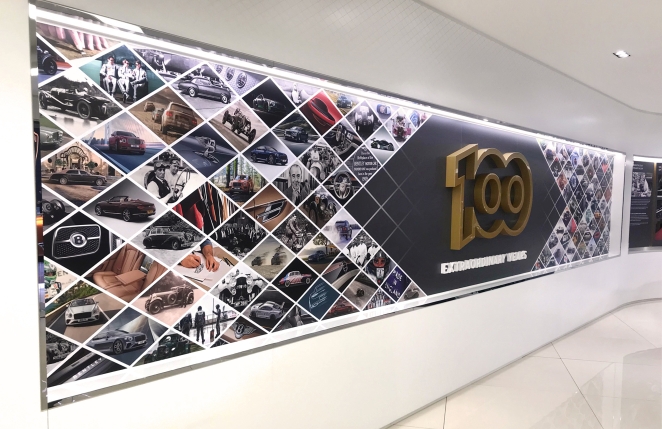
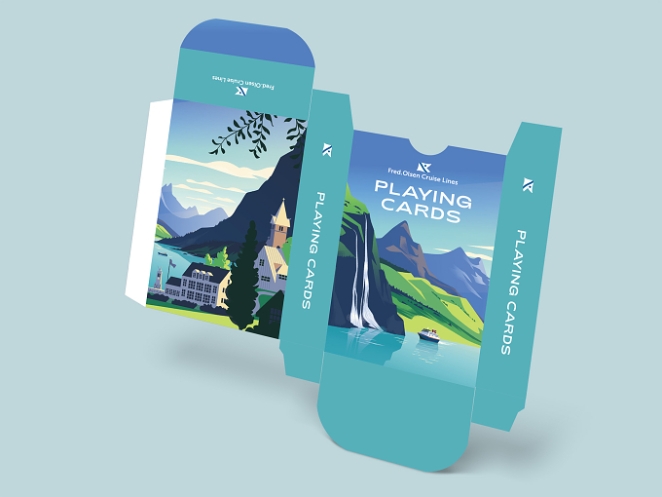 It’s always quite rewarding to finish big projects like the exhibition stands for Bentley, or the SMA website (even if it’s changed a lot since). I’m also proud of all the work for Fred. Olsen that the team and I did, and the systems and workflows that I set up behind the scenes. More recently I’ve built modular CRM email systems for some of our clients at The Gate, including The AA, that I’m quite proud of because of the amount of work that went into that. That side isn’t always the visible part, but it’s rewarding working together with clients to come up with business solutions that really work for them and they love.
As someone with experience in the industry, what trends do you foresee shaping the future of creativity?
Creativity tends to be shaped by emerging technology and in response to what came before in a sort of pendulum balancing pattern. With the rise of AI and the tech oligarchy we’re starting to see a yearn for the physical, analogue and handmade. I think there will be more of political and environmental awareness shaping this.
As tools become more accessible to more people, and we’re seeing this granularity already, we’ll see a focus on individuals really pushing creative boundaries using these new technologies. We’re already seeing an explosion of interesting software and hardware popping up, including self-made tech, and what creators are doing with that is incredibly exciting to see. Especially creators that are merging visual design and hardware technology together in ways that have not been used before. I love solar punk and am really loving the cyberdeck movement right now. We’ll see more offline and collaborative micro community building too.
What do you think sets apart truly exceptional creatives from the rest of the pack?
 That inner drive to really understand their craft and push themselves to learn and refine as they go. And people who don’t gatekeep or have an ego about it. Also people who can really understand the core of ideas and briefs, and sculpt the vision into reality.
How do you think technology has influenced the creative industries and how have you adapted to these changes?
The digital side of what we do has obviously changed a lot with AI in terms of what clients expect while economically things are shrinking. Pressure to do more with less budget which means faster turnarounds, bigger ideas with less resources, and efficiency demands when working. But the industry has always been evolving on smaller scales. Whether it’s new features being added to our software, innovations in platforms jostling for position as industry standards, or just different creative trends blooming. I think as designers it’s important to always stay curious and keep exploring our tools and push ourselves to evolve how we work. I’m very curious and need to know how things work, so I tend to adapt to things quite quickly if I find a reason to start using a tool in my workflow. Then I won’t shut up about how cool it is to everyone around! There’s been a huge amount of new platforms and apps popping up that allow people to really explore new creative styles.
What is the one thing that you would change about the industry?
 Many will probably agree with saying the pitching process, and how intense and pressurised can get for everyone involved with no guarantee of ROI. I’d also love for creative professionals to not be expected to do so much free or spec work (especially freelancers or those starting out).
Any websites, books or resources you would recommend?
toools.design is a great website that aggregates a lot of resource sites together in one place. Information is Beautiful is a classic book to have on your shelf. I like the history and discussions on social accounts like Two Studio, Deathtostock and Isa Segalovich, but there’s so much cool creativity out there to find. In London, sites like It’s Nice That put on Nicer Tuesdays, regular talks featuring illustrators, designers and creatives. Type Thursdays is also really great. I’d encourage people to learn things outside of the design industry too, especially cultural and creative movements around the world.