

Havas Canada has published an article about the group's latest study: Eaters Digest: The Future of Food, analyzing the food industry as part of its Prosumer series of reports. The document investigates changes in the sector, industry trends, and the strategies required to adequately respond to the evolving needs of consumers.
Here is a preview of the trends analyzed in the study as well as an interview proposal:
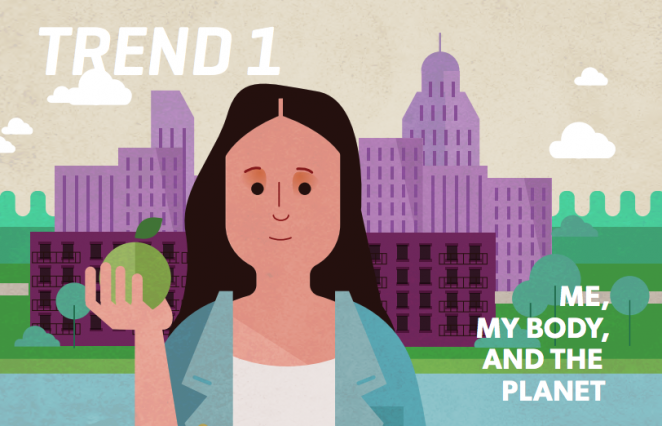
The food we consume says a lot about our health and about who we are as individuals. The report reveals that what we eat has more than ever become an expression of our lifestyle, our self-affirmation, and our relationship to the environment. More than 62% of Canadians think that our food supply chain has become increasingly contaminated and dangerous for our health. And it’s not just a case of inspecting the quality of what ends up on our plate. In fact, famous chefs such as Jamie Oliver and Alain Ducasse have reiterated their belief that our eating habits have consequences for the environment and these consequences in turn impact our health. This raises a few questions. Should we eat more vegetables even when they are not in season? Should we prioritize eating organic.
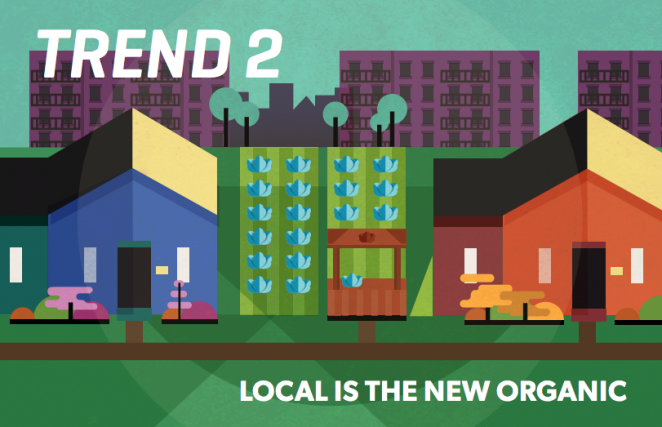
We are increasingly encouraged to place greater importance on the quality and source of our food. The study examines a common dilemma: what should we prioritize, buying local or organic? 54% of Canadians say they are willing to pay more for food produced locally. In the food industry, eating local has become a badge for our super-consumer status, whether it’s by highlighting the freshness of the ingredients, reducing the impact transportation has on the environment, making food traceability easier, or supporting the local economy. And with only 32% of Canadians who trust the quality of food available in large supermarket chains, consuming and producing locally have become increasing popular solutions. The physical proximity creates a psychological proximity, consumers feel a certain familiarity with the product. But eating local does not necessarily mean making a choice that’s more ethical. We prefer to eat a tomato from our garden, even if it has been polluted by exhaust gas from cars and heavy metals. We prefer a Canadian peach that has travelled more than 4,000 kilometres from the Okanagan Valley than one from nearby Vermont.
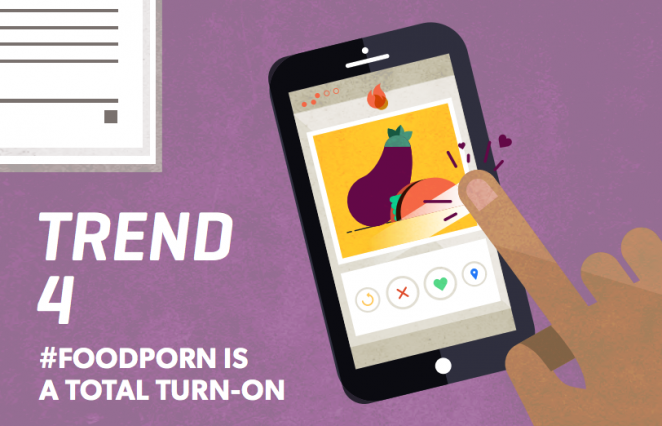
As a result of countless food shows and Instagram accounts dedicated to #foodporn, new consumers - especially Millenials - consider themselves foodies. The impact of foodie culture extends beyond social media and television programs; it is changing the way other industries operate. 46% of Canadian Millennials say that social media is their prime source of culinary inspiration. Food has become a form of social currency and a gateway to conversation. A dinner at a restaurant is now an opportunity to increase the number of Likes on Instagram. A trip is the perfect occasion to share any gastronomic experience. In fact, the more time we spend looking at beautiful dishes that have been professionally put together, the less we trust our own culinary abilities and the less we cook. 61% of Millennials state that their culinary knowledge far surpasses their ability to cook. How do we manage our eating habits when we don’t even prepare our own meals? How do we maintain a healthy relationship with food when eating has become more of a photo op than a way to nourish ourselves? For centuries, the relationship between Man and food was simple. We ate what was available without asking too many questions. Today, consumers have choices. They can choose to eat with their eyes, head, or heart. We must choose between eating for pleasure, being socially conscious, or being environmentally responsible. The more a brand succeeds in solving these contradictions, the quicker it will establish its impact. In the automotive industry for instance, a brand like Tesla is able to justify high prices because it promises motorists a car that is beautiful, powerful, and eco-friendly.