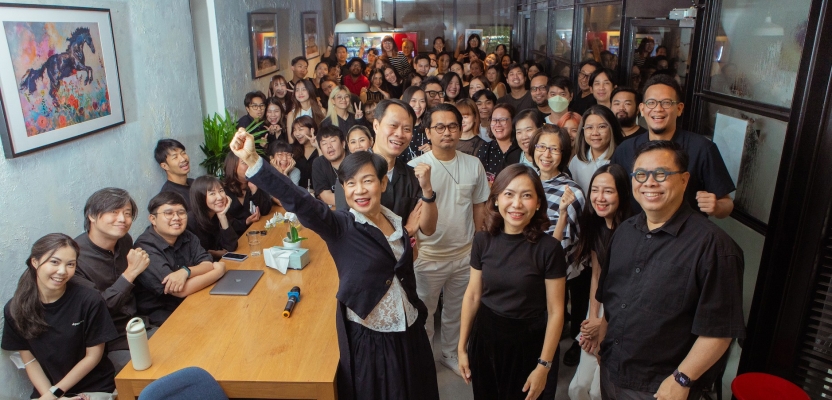

Founded in 1989 and based in Bangkok, Grey Thailand has established itself as one of the region's most respected creative agencies. In this exclusive interview, Deputy Chief Creative Officer Jiradej Penglengpol shares insights into the agency's journey, the challenges shaping today's advertising landscape, and how creativity continues to drive meaningful business results.
From award-winning campaigns and innovative problem-solving to the growing influence of AI in advertising, Grey Thailand discusses its approach to creativity, collaboration, and sustainable growth. Jiradej also explains how the agency balances changing industry trends with human insight, helping brands create work that connects with audiences and delivers lasting impact.
How was your company born and where are you based?
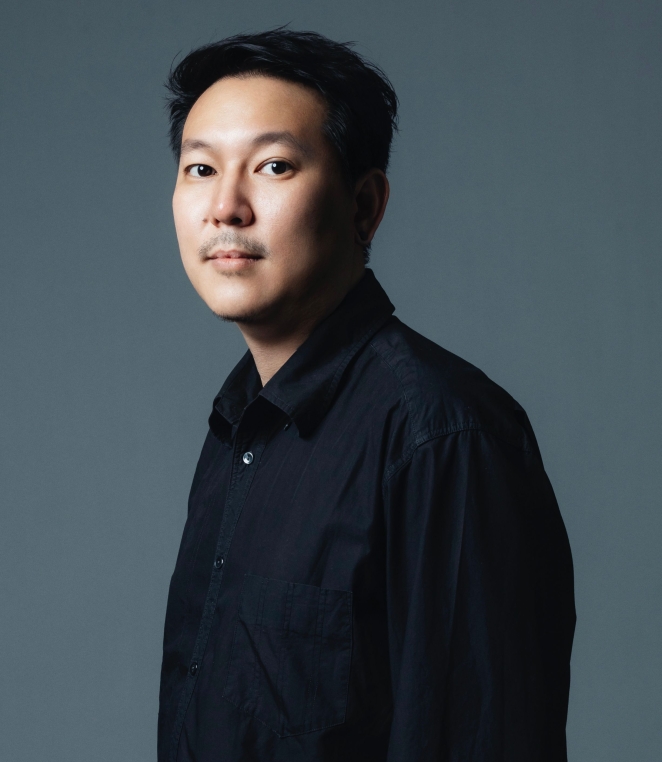 Grey Thailand was founded in 1989 and is based in Bangkok, Thailand.
What was the biggest challenge to the growth of your company?
One of the biggest challenges today is the economic climate, both globally and locally, which has made clients more cautious with spending. Our focus has been on creating work that drives stronger business impact and delivers more with limited budgets.
Which was the first huge success that you can remember?
If I think about the first huge success I can remember, it was probably those early moments of recognition — the first Cannes Lions, the first major awards, and seeing the work start to gain recognition across different stages around the world, eventually leading to moments like winning a first Grand Prix. At that stage of my career, and probably from the perspective of a young creative, those milestones meant a lot and made me feel like all the effort was paying off.
I still value those moments today — although success means something different to me now.
What’s the biggest opportunity for you and your company in the next year?
 One of the biggest opportunities for us in the next year is redefining the role of creativity — moving beyond communication to become a stronger business driver for our clients.
We believe creativity can create value beyond campaigns by helping build solutions, shift behaviours, and create greater impact — even within limited budgets.
At the same time, in a world increasingly filled with content and AI, awareness alone is becoming harder to turn into lasting impact. The opportunity is not simply creating more — but creating work that people genuinely connect with and remember.
Can you explain your team’s creative process? What makes it unique?
Our creative process always starts with asking questions. We begin by defining the objective — what are we trying to achieve, why does it matter, and how do we want people to feel? We believe clarity at this stage shapes everything that follows.
From there, we research and gather insights rather than relying on assumptions. We try to deeply understand the people we’re speaking to before exploring ideas or messages.
The process stays open throughout. We keep questioning, refining, and building on each answer — because often the strongest ideas come from details, unexpected observations, and perspectives that are easy to overlook.
How does your team remain inspired and motivated?
We believe inspiration and motivation come from building a team where people feel safe to think, speak, and experiment.
At the same time, we set clear expectations and trust people to take ownership of their roles. We want people to be responsible, challenge ideas openly, and contribute with confidence.
Once people understand what we’re trying to achieve together, motivation tends to come naturally — and we push each other to keep improving without compromising the quality of the work.
How has COVID-19 affected your company?
 COVID-19 pushed us to rethink how we work and question processes that had become unnecessary over time. It helped us reduce complexity, simplify decision-making, and become more intentional with both time and resources.
It also reminded us that great work doesn’t always require bigger teams or longer timelines. Sometimes clearer priorities and better focus create stronger outcomes.
That mindset continues to influence how we work today.
Which agencies do you gain inspiration from? Do you have any heroes in the industry?
There are too many to name. Rather than looking up to specific agencies or individuals, we’re inspired by meaningful work and the people behind it.
Every creative has something different to learn from — whether it’s ideas, leadership, passion, curiosity, unpredictability, craftsmanship, or simply the way they work and collaborate with others.
Great work keeps us curious and reminds us there’s always another level to reach. Sometimes we admire it. Sometimes we wish we had made it ourselves. And sometimes that feeling becomes motivation to push ourselves further and make better work.
The more great work we see, the more we realise there’s still so much to learn — and that may be one of the reasons we still enjoy doing this and keep growing.
What is one tip that you would give to other agencies looking to grow?
Believe in people. Numbers matter, but growth starts with investing in people. Experience, perspective, and creativity only become valuable when they help solve real problems.
We also believe honesty matters. Sometimes the most valuable thing you can offer a client isn’t the answer they want to hear — it’s the answer they need to hear.
At the same time, don’t try to solve everything alone. Great teams are built on trust, shared ownership, and knowing when to rely on each other’s strengths.
How do you go about finding new clients/business? (Pitching, work with retainers, etc.)
 Like most agencies, we grow through pitching and relationships — but we still believe good work is the strongest way to attract new business.
Work that creates real impact tends to attract clients who believe in the same kind of ambition. When that alignment happens, the work usually becomes stronger over time.
Good work opens doors — but trust and shared ambition are what keep them open.
What’s your one big hope for the future of the industry?
My biggest hope for the future of the industry is that we don’t lose sight of what makes creativity valuable in the first place — people.
More things can be generated by AI, but human experience, emotions, and perspective still carry a depth that technology can’t replicate.
The ability to make something is becoming more accessible than ever — but creating meaningful work still requires taste, judgement, and understanding people.
I hope we find a better balance — creating meaningful work while building a healthier industry, with more sustainable ways of working and fair recognition for the value people create.
Formats evolve. What tends to last is work that people still care about over time.
Can you share a defining moment in your company's journey that shaped its identity or direction?
It wasn’t one defining moment — it was all of them. The difficult days, the setbacks, the uncertainty, and the people who came and went all played a part in shaping who we are today.
Looking back, some of the hardest moments became the most valuable ones. They pushed us to question old ways of working, adapt faster, try things we had never done before, and become clearer about what really matters.
At the same time, the good moments matter too. They remind us that we’re moving in the right direction and give us confidence to keep pushing further.
Over time, we realised that growth doesn’t mean becoming someone else. It means evolving while staying true to who you are and what you believe in.
How do you foster a culture of innovation and experimentation within your team?
 We try to create a culture where people aren’t afraid to test ideas and learn through experimentation. Innovation doesn’t happen because every idea works — it happens because people are willing to try, fail, adjust, and keep exploring.
At the same time, experimentation needs ownership. We encourage people to make decisions, take responsibility, and stay open to being challenged — while knowing they’re supported along the way.
Sometimes innovation means creating something completely new. Sometimes it means improving what already exists. And sometimes it means removing things altogether. But none of it happens unless people are willing to try.
What measures do you take to ensure diversity and inclusion are prioritised within your company?
Our team comes from different backgrounds, beliefs, and perspectives. But we’ve never seen diversity as something to manage — we see it as something that naturally strengthens the work.
We care more about who people are and what they bring. Once you’re in the team, you’re in the team.
Can you describe a project that challenged your team creatively and how you overcame any obstacles?
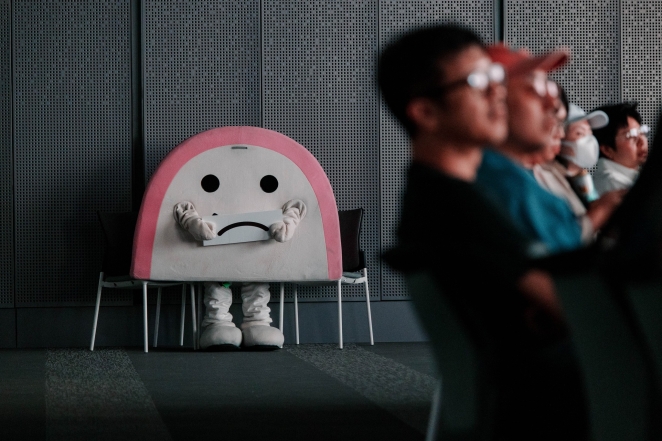
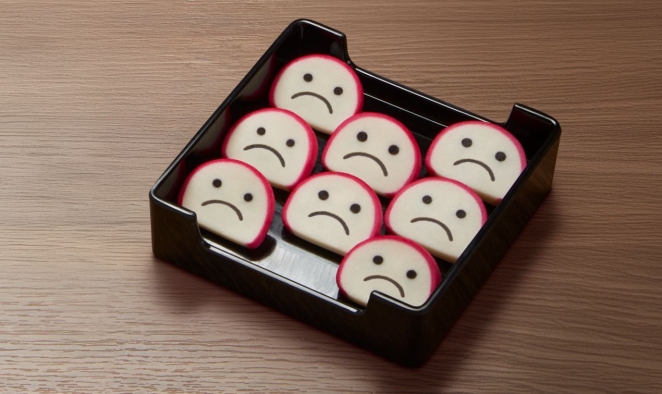
(Sad Kama-chan / BBQ Plaza)
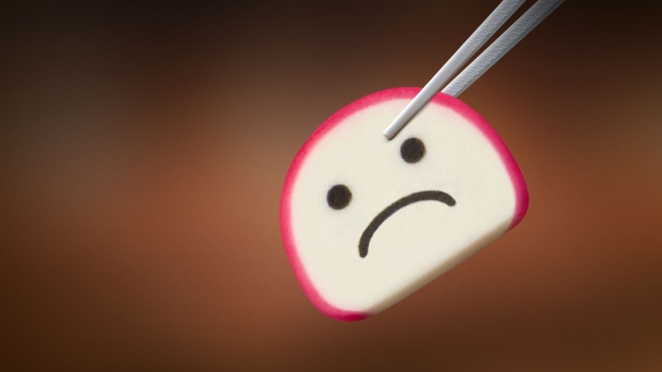
One project that challenged us creatively was Sad Kama-chan for BBQ Plaza. We were working with very limited budgets and real business pressures, which forced us to rethink what creativity could do beyond communication.
Instead of presenting the brand as perfect or always confident, we explored a more vulnerable side — allowing the brand to say, in its own way, that it was struggling too. That shift challenged not only the communication, but also required changes across execution and production, making the process more complex than a traditional campaign.
What helped us move through it was the way we worked together. We treated every question, every comment, and every challenge as part of making the work stronger and more achievable — not as resistance. Most importantly, everyone focused on what they do best. The client, the brand team, and our team each took ownership of their role and trusted one another’s expertise.
That experience reminded us that great work rarely happens alone — it happens when people align on the same goal and trust each other to do what they do best.
How do you balance maintaining your company's unique creative voice while meeting the diverse needs of clients?
 We think it starts with understanding what your creative voice actually is. Having a point of view matters — but if proving you’re creative becomes more important than solving the problem, then it starts becoming ego.
That’s why we begin with clear business objectives and align on them from the start, so the work doesn’t lose direction. At the same time, we believe in standing behind what we know and what we do best. Clients work with us for our perspective too — not just for execution.
That doesn’t mean we always agree. Sometimes there isn’t a middle ground. Good work often comes from discussion, disagreement, and pushing each other further. We don’t challenge ideas to win — we challenge them because we genuinely think the work can become better.
For us, creativity isn’t separate from business. Creativity is how we help build it. And if making the work better ends up helping us win too — we’re not going to pretend we don’t enjoy that.
What strategies do you employ to adapt to changes and trends in the industry while staying true to your company's values?
We believe adaptation is essential in this industry. History has shown that every era brings change — and our job isn’t to resist it, but to understand it and make the most of it. In many ways, our industry has always been shaped by change and trends, so adapting to them isn’t something new.
We move with trends, not against them. But we don’t believe in following trends just for the sake of relevance. If something doesn’t add value to the work or doesn’t feel right for the problem we’re solving, we’re comfortable letting it go.
At the same time, some things don’t change. Tools, platforms, and formats evolve — but people remain people. We believe that work with real value tends to last longer than the moment it was created for.
For us, staying true to our values doesn’t mean staying the same. It means knowing what should evolve — and what shouldn’t.
Can you share a memorable client success story that exemplifies your company's approach and impact?
One memorable client success story for us was Sad Kama-chan for BBQ Plaza. At the time, the brand was facing real business challenges and working with very limited budgets, which forced all of us to think differently about what creativity could actually do.
Instead of presenting the brand as perfect or always positive, we explored a more vulnerable side — allowing the brand to openly acknowledge that it wasn’t at its best. It was an unusual move and created challenges across strategy, execution, and even production.
What made the difference was how we worked together. Every question, every comment, and every challenge became part of making the work stronger and more achievable — not something to fight against. Most importantly, everyone focused on what they do best. The client, the brand team, and our team shared ownership and trusted each other’s expertise.
For us, that project became more than a campaign. It reminded us that when people align behind the same ambition and trust each other enough to try something uncomfortable, meaningful results can happen — even under limitations.
In what ways do you invest in the professional development and growth of your team members?
 We invest in people by giving them opportunities to grow through real experiences. We encourage our team to enter competitions whenever there’s a chance — not only to win, but to step outside their everyday environment and see a bigger world.
It’s a chance to understand where we stand, see different standards, meet people doing incredible things, and realise there’s always something more to learn. Sometimes we win. Sometimes we don’t — and we think both are equally valuable.
At the same time, we try to give people enough trust to make decisions and take ownership of their work. We support, challenge, and guide when needed — but we also believe growth comes from having the space to make decisions and learn from them.
For us, growth comes from bringing those experiences back, reflecting on them, and using them to become better at what we do — both individually and as a team.
How do you approach sustainability and ethical practices within your company's operations and projects?
Creativity doesn’t give us permission to ignore responsibility.
For us, sustainability isn’t only environmental — it’s also about creating work that respects people, creates real value, and stays honest to what we believe. Ethical practice isn’t a separate process. It’s part of how we make decisions every day.
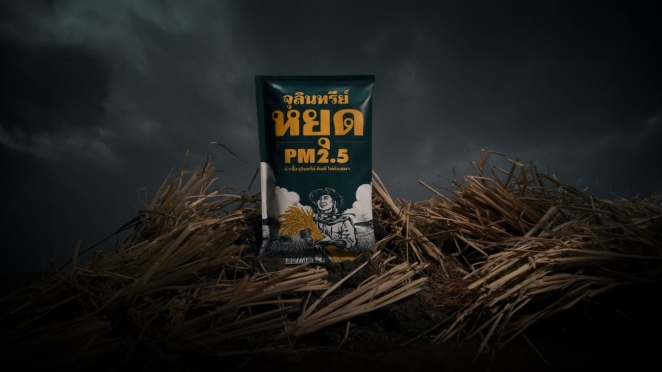
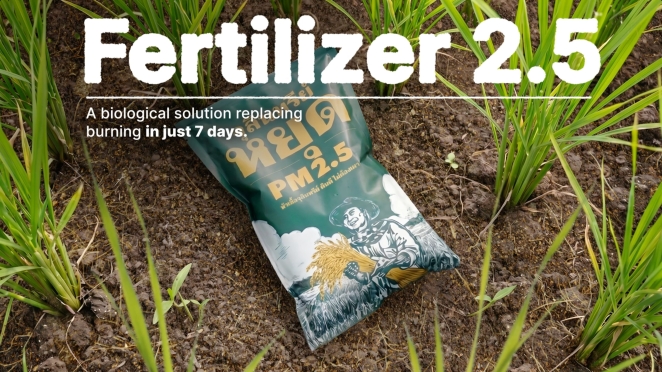
Projects like Fertilizer 2.5 reminded us that creativity can do more than create attention — it can help create solutions that people can actually live with and sustain over time. Seeing that approach later recognised at The One Show was meaningful to us — not because recognition was the goal, but because it showed that meaningful and responsible creativity can still move people and create impact.
Can you discuss a time when your company had to pivot or innovate in response to unforeseen challenges, and what lessons did you learn from that experience?
Unexpected challenges are a normal part of our industry. The difference isn’t whether they happen — it’s how we respond to them. We try to step back, look at the bigger picture, question assumptions, and stay open to finding better ways forward. If the objective stays clear, the path to get there doesn’t always have to stay the same.
One example was Fertilizer 2.5. We were originally briefed to create awareness around PM2.5 and agricultural burning. But as we looked deeper into the objective, we asked ourselves whether awareness alone was enough — and whether there was something more we could do to create real impact.
That question changed the direction of the project. Instead of stopping at communication, we worked with partners to help create a practical solution that could fit into existing farming behaviours and make change easier to adopt. It reminded us that sometimes better results come not from changing the goal — but from being willing to rethink the way you get there.
Do you have any websites, books or resources that you would recommend?
I don’t rely on specific recommendations. What I consume is mostly part of everyday life — Facebook, YouTube, Spotify, Netflix, Goodreads, news, advertising in general, and books.
I don’t separate inspiration from normal life. Anything I come across can become useful later, even if I don’t know when.