
With more than a decade of experience across packaging, lighting and acoustic systems, industrial designer Gary Hall has built a career defined by persistence, curiosity and a genuine love for form and function. From his first break in 2012 to his current period of exploration, Gary’s journey reflects the realities many creatives face, pathways that aren’t always linear but are strengthened by passion and self-belief.
In this Q&A, Gary opens up about the highs and challenges of his career so far, the designers who shaped his aesthetic, and the tools and habits that keep him inspired. He also shares thoughtful advice for emerging creatives and insights into how technology, from CAD tools to AI, is reshaping the future of design.
How did you first get into the industry?
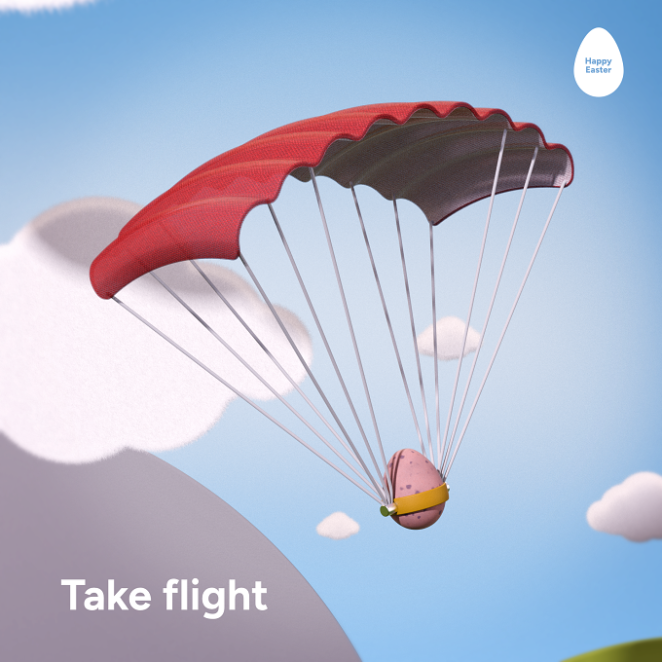
My 1st break into the world of design was for a packaging company back in 2012 at the time called Coveris in the Northeast of England, it wasn’t without a lot of believe and continued effort on my part as I was knocked a few times and realised how tough it could be to get your 1st opportunity within the design industry. There is plenty of talent out there and it’s just takes that one person to see your potential that starts your career. I always had a love and passion for the field of design from a young age. For me, it hasn’t been a straight line to get here but you keep at it, and good things will happen for you in time.
Where are you based now and who do you work for?
I am still based in the Northeast of England, though times have changed. I am currently in a transition period in 2025 as I write this, but I haven’t given up on the cause; I haven’t stopped in this period of uncertainty. If anything, I have dug deeper and used this as an opportunity to home in on a particular skill set from over a decade’s worth of experience, which so far has consisted of packaging/ lighting and acoustic ceilings. My keen interest in concept and visual design from these industries has transpired into my current self-driven workflow of exploration. The next chapter is unknown, but I look at it as a new challenge.
If you weren’t in your current industry, what would you be doing?
My industry by trade has been Industrial design having worked as a Product designer over the years, but as mentioned earlier I have a keen interest in 3D visuals. This is an area I look to continue to develop in my career but if I had a chance to start over, I would have followed my 1st passion for Set design. It probably does explain why I like the concept design phase, freeing the mind and letting the creative juices flow.
Which individuals do you gain inspiration from? Do you have any heroes in the industry?
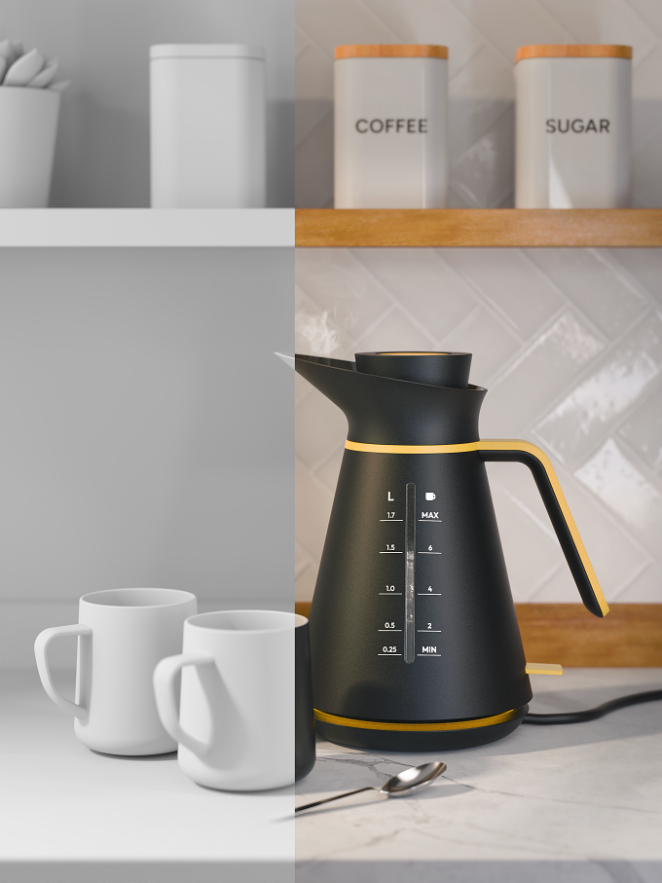
Early on I was inspired by Philippe Stark and Ross Lovegrove for their playful and organic designs, to this day I am still drawn to these forms of shape in a creative process. Iconic in design Juicy Salif Juicer for Alessi, simplicity and form speak volumes with this elegant form. Ross Lovegrove for his ‘Go Chair’, ‘DNA staircase’ and his ‘TYNAT’ Water bottle. These are all designs that are functional but are elegant, fun and often organic in nature.
What tips would you give to aspiring creatives looking for work?
It sounds cliche but never give up, have self-belief in your personal abilities and skills as a creative individual, we all have a unique perspective on design and what makes good design and that is what makes us as a designer. We are all different to the next and most of all don’t compare we are all on a journey and yours or mine is going to be different to the next.
Opportunities in design may come in any shape or form and sometimes it might not seem like the job opportunity in front of you is the initial aspired destination use wish to land upon. Aspiring to the big names within industry is a positive thing and that’s not to say you won’t get there to live your dream job, it just means you must go on a journey 1st. Don’t give up it will happen with dedication and belief in yourself.
Can you share a memorable experience from your career journey that shaped your approach to creativity?
When I moved into my career as a designer in the lighting industry at Hacel from packaging, it was a major step change to what had gone before. There was doubt in myself belief that I could transition from one field of design to another.
Packaging was a fulfilling role it taught me so much about concept development, time management and presentation, a major step change was having more control in the design process from concept to manufacturer, up until then there was a focus on conceiving the ideas.
The transition into a new field of design gave me the belief in myself as a designer and what I learnt in those early years of my career still influences my outlook towards how I carry out my work and I will be grateful to those that believed in me.
What kind of tools/kit/software could you not do without?
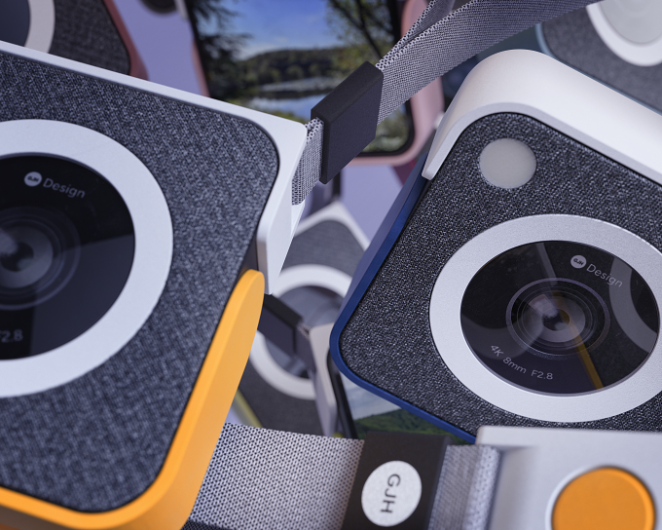
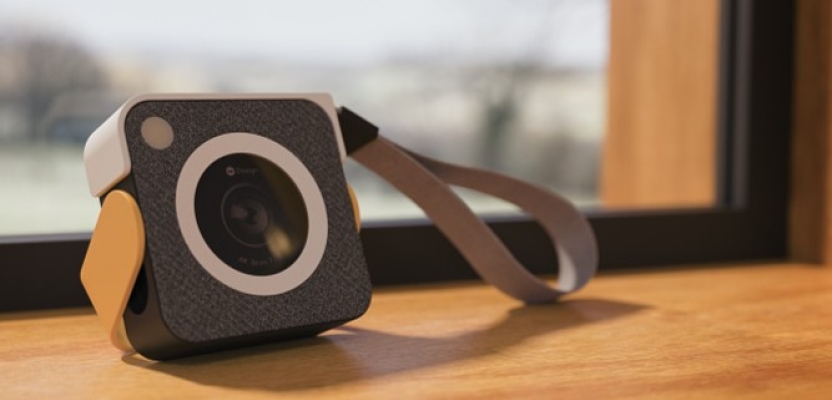
My personal 2 bits of software Fusion 360 and Keyshot, and not for getting pen and paper. The power of pen and paper still rules, no matter how good the sketch or how rough it is the best way of getting an idea out into the world, the tools to realise it in detail for the process to begin and to bring it to life are your CAD tools. Having these assets to hand at home and outside of an office setting allows you to conceive and realise your own personal idea, as not everything you wish to create will be created in the real world.
What’s your secret to staying inspired and motivated?
I keep inspired and motivated by absorbing the world around me, through my work, the outdoors and social media channels that open my eyes to new forms and trends. My motivation now is to improve my 3D visual skills, but overall, I seek and look to be a better designer and not become complacent. Through challenging times, I see this as a positive attribute as I continue to look for self-improvement and to strengthen my offering but also dedication to the field of design.
What’s the work achievement you’re most proud of?
In my last role I worked for Zentia a ceiling company I was part of the team that designed and implemented a new acoustic system to market, it was designed to be easy to install and be interchangeable with different shaped baffles and canopies as required by the client’s design. It was a pleasure to have been able to bring this to market with the team.
As someone with experience in the industry, what trends do you foresee shaping the future of creativity?
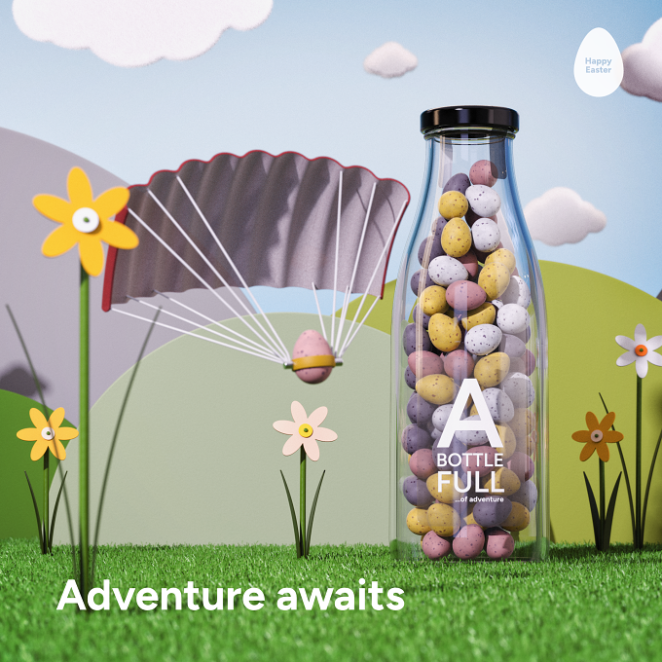
The biggest trend in the last couple of years has been the use of AI, as a tool from the few times I have used it it’s fantastic in the sense it can help you to create an environment for a product placement with more ease but there is a quality about it or minor errors on closer inspection but I can see it been useful in the creative process, just maybe not the replacement. At a fundamental level, for now at least, any design or even visual output needs a certain level of human input. Creativity is part of human expression and like many technological advances in the design industry, it will create new opportunities. Like 3D printing, it’s a game-changer, helping to bring ideas to life more quickly.
Any websites, books or resources you would recommend?
For any Keyshot or Blender users check out Visune or Poliigon for your assests and Will Gibbons is good for tutorials in Keyshot.