
Chris Barron is a Producer and Director based in Denver, Colorado, and the founder of Mile High Films. With more than 25 years of experience spanning commercials, documentaries, and high-end corporate productions, Chris has built a career defined by cinematic storytelling, adaptability, and deep respect for the craft of filmmaking.
After studying film at NYU and starting out as a Production Assistant on commercial sets, Chris worked across camera and editorial departments, an uncommon combination that continues to shape his creative process today. In 2024, his work was recognized with two Emmy Awards for commercial production, further cementing his reputation as a filmmaker who can balance creative ambition with practical execution.
In this interview, Chris reflects on his journey through the industry, the importance of collaboration and client trust, the lessons learned from ambitious projects like Race to the Clouds, and how technology and authenticity are shaping the future of creative work.
How did you first get into the industry?
 I studied film at NYU, and after graduating I began working on commercials in Phoenix, Arizona. Like most people starting out, I worked as a Production Assistant the entry-level role that teaches you all the unglamorous skills film school never touches. I learned how to line a trash can correctly, carry sandbags without getting hurt, and (of course) take coffee orders with absolute precision. Once I mastered these essential tasks, I started assisting across different departments. Getting hands-on experience with wardrobe, props, and lighting gave me a real appreciation for the craft and expertise of the crews who make this industry work.
I eventually found my footing in the camera department, and between shoots, I began working as an Assistant Editor. That combination of camera and editorial has been invaluable throughout my career and is a major reason I stay busy today. I love collaborating with a team on set to shape the visuals, and I love being able to follow the project into the edit and see it all come together.
I launched my own business in 2007 and began taking on client work as a Director and Producer. When I moved to Denver in 2013, I rebranded as Mile High Films. Since then, I’ve had the privilege of working with incredibly talented crews and production professionals across Colorado, directing documentaries, short films, commercials, and countless corporate projects. In 2024, I was honored to receive two Emmy Awards for commercial work, and I’m excited for many more years of filmmaking here in Denver.
Where are you based now and who do you work for?
I’m based in Denver, Colorado, where I run my own production company, Mile High Films. I work as a Director and Producer, collaborating with agencies, brands, and organizations across the country on documentaries, commercial campaigns, and high-end corporate projects. I also lead the creative direction for every production we take on, overseeing each project from concept through final edit.
What is your personal background and what role did it play in your career?
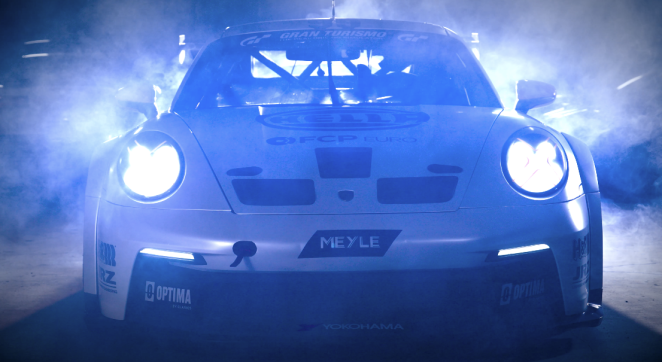 I’ve loved movies for as long as I can remember, and that early passion set the course for my entire career. I studied film at NYU and built my foundation working on commercial sets and in editorial, which gave me a deep appreciation for both the craft and the problem-solving side of production. That love of cinema still informs everything I do today, whether I’m directing a feature documentary, shaping a motorsports series, or creating a commercial for a dental client. No matter the subject, I approach every project with the same storytelling mindset: find the emotion, elevate the visuals, and make something that genuinely resonates with an audience.
If you weren’t in your current industry, what would you be doing?
After twenty-five years in film, I’m not sure I know how to do anything else. But if I had to choose another path, I think I’d enjoy being a drama teacher and helping kids stage their own productions. The idea of guiding young people through the excitement of storytelling, collaboration, and performance feels like a natural extension of what I love most about filmmaking.
How would you describe your style?
My creative process always starts with listening. Before I think about visuals or style, I want to understand the story a client is trying to tell and the emotion they want the audience to feel. From there, I begin shaping a clear, cinematic approach something grounded in strong imagery, authentic interviews, and purposeful editing.
What makes my process unique is the combination of directing, camera work, and editorial experience I bring to every project. I’m thinking about the edit while I’m on set, and I’m thinking about production logistics while I’m developing the concept. That overlap helps me design shoots that are efficient, visually strong, and tailored to how the final piece will be experienced.
Collaboration is also central to the way I work. I lean heavily on my crews, trust their expertise, and try to create an environment where everyone feels invested in the outcome. Whether I’m directing a documentary, a commercial, or a corporate campaign, my goal is always the same: build a process that’s clear, creative, and structured enough to let the best ideas rise to the surface.
Which individuals do you gain inspiration from? Do you have any heroes in the industry?
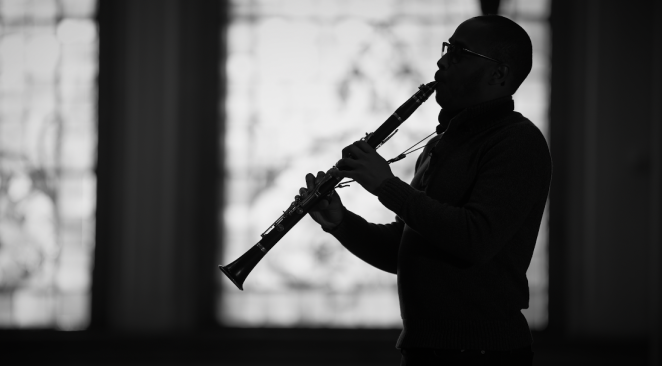 I’ve been fortunate to have great mentors throughout my career. Early on, the producers I worked for in Phoenix had a huge impact on me. They showed me what it meant to run a production company with professionalism while still keeping the joy and spontaneity that make filmmaking so rewarding. Their approach shaped the way I try to lead my own sets today.
Beyond that, my inspiration has always come from the auteurs who defined my love of cinema filmmakers like Stanley Kubrick, the Coen Brothers, Alfred Hitchcock, and Federico Fellini. Their mastery of tone, composition, and storytelling continues to influence the way I think about every project. There are countless others, of course, but those directors were foundational in shaping the kind of films I aspire to make.
What tips would you give to aspiring creatives looking for work?
My biggest advice is to be on time and, most importantly, be nice. Skill matters, but attitude matters more. After years in this industry, nothing is more important to me than making sure clients and crew have a genuinely positive experience when they work with me. If you show up prepared, treat people with respect, and bring a good attitude to every project, you’ll build the kind of reputation that keeps opportunities coming.
What tips would you give to other professionals to get more clients?
The most important thing you can do to gain more clients is to make the ones you already have genuinely happy. It took me a long time to realise that my personal feelings about a finished project are usually irrelevant. What matters is how the client feels whether they felt heard, supported, and confident throughout the process, and whether the final piece meets their needs.
Learning to gauge the success of a project by the client’s satisfaction was a turning point for me. When people enjoy working with you, they come back. They refer you. They become long-term partners instead of one-off jobs. Focus on communication, clarity, and a positive experience from start to finish, and the growth will follow naturally.
Can you share a memorable experience from your career journey that shaped your approach to creativity?
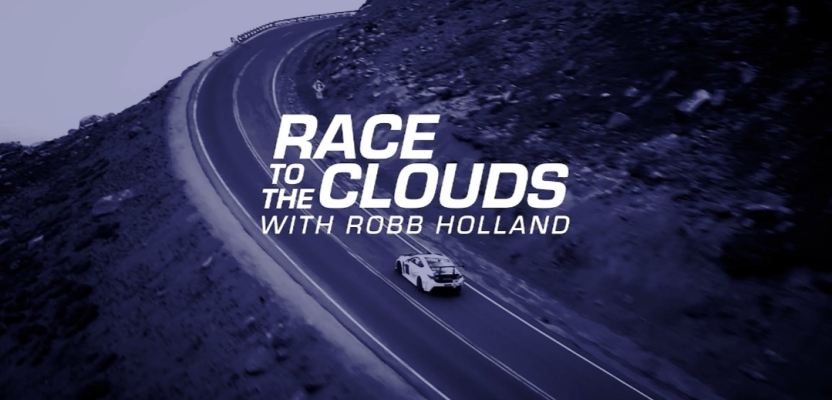
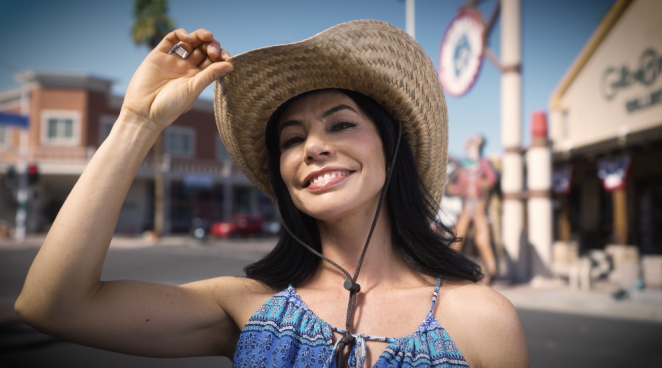 A defining moment in my career came during the production of Race to the Clouds, a multi-episode series following Robb Holland’s attempt to break the ten-minute barrier at the Pikes Peak Hill Climb. The project demanded meticulous planning, early-morning practices, multiple cameras, and tight coordination with a motorsports team pushing the limits.
On race day, everything changed. Weather rolled in quickly, visibility dropped, and the carefully built shot plan became impossible to execute. Instead of fighting the circumstances, we had to pivot immediately and focus on telling the story of the day as honestly as we could. That meant adapting our coverage, staying nimble, and capturing whatever pieces of the race the mountain allowed us to see.
When we reached the edit, we had far less race footage than expected. But that limitation ended up becoming a creative opportunity. With fewer wide, scenic shots to rely on, we centered the final episode almost entirely on Robb’s driving analyzing his decisions, his technique, and the technical challenges he faced in real time. That specificity became one of the strongest elements of the entire series. It gave viewers a rare, intimate look at what it actually takes for a driver to attack Pikes Peak, and it ultimately shaped the emotional core of the project.
That experience taught me that adaptability is one of the most important creative skills we have. Preparation sets the stage, but being open to what unfolds in front of you is often what leads to the most compelling storytelling.
What kind of tools/kit/software could you not do without?
There are a few tools I rely on so heavily that I can’t imagine working without them. My EasyRig is at the top of that list it has saved my spine on countless shoots and allows me to operate for long stretches without sacrificing stability or energy. It’s not the flashiest piece of gear, but it’s absolutely essential for the kind of handheld, immersive work I often do.
The other tool that has delivered the greatest creative and financial return is my drone. Aerial cinematography has become a core part of how I approach both documentaries and commercial projects, adding scale, context, and visual energy in a way nothing else can. Beyond that creative value, the drone has opened the door to new types of work and expanded the scope of what I can offer clients.
Between those two tools one that protects my body and one that elevates the imagery I’m able to work more efficiently and produce stronger, more dynamic films.
What’s your secret to staying inspired and motivated?
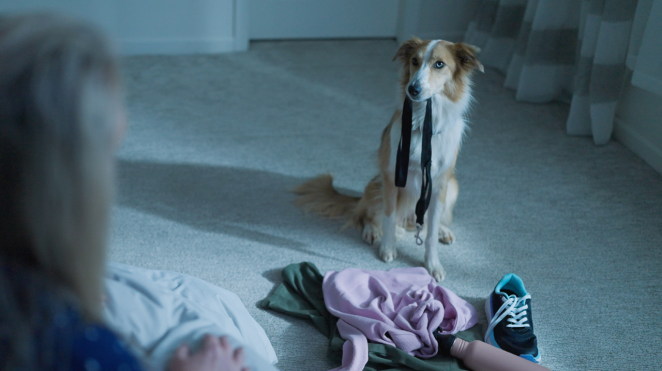 My secret to staying inspired is simple: I watch movies every day. I see everything I can in theatres, and on long production days when I don’t have time for a full feature, I make sure to watch at least one short film online. I haven’t missed a day in more than three years.
That consistency keeps me connected to the craft. Seeing how other filmmakers solve problems, shape emotion, and push the medium forward gives me a steady stream of ideas sometimes big, sometimes small, but always useful. It’s the daily habit that keeps my creative battery charged.
What’s the work achievement you’re most proud of?
The work achievement I’m most proud of is Race to the Clouds. It was an ambitious, multi-episode series following Robb Holland’s attempt to break the ten-minute barrier at the Pikes Peak Hill Climb, and it pushed me as a director more than anything I’ve done before. The mountain is unpredictable, the schedule is unforgiving, and the stakes for both the story and the driver are incredibly high.
Capturing that world with honesty, energy, and cinematic clarity required everything I’ve learned over the past two decades. The project demanded early mornings, constant adaptation, and a deep commitment from everyone involved. Seeing it come together in the edit, and watching audiences respond to the storytelling, was one of the most rewarding experiences of my career.
Race to the Clouds represents the kind of work I want to keep making character-driven, visually ambitious, and grounded in real human challenge. It’s the project I look back on with the greatest sense of pride.
As someone with experience in the industry, what trends do you foresee shaping the future of creativity?
I think the next decade will bring some of the biggest creative shifts we’ve seen in a long time. Artificial intelligence will be at the centre of it, not as a replacement for artists, but as a tool that expands what’s possible. I see AI levelling the playing field in a meaningful way, giving smaller teams and lower-budget projects access to capabilities that once required large crews and big resources. That means the people with the strongest ideas, not necessarily the largest budgets, will be able to create the most compelling work.
Another trend is the increasing demand for authenticity. Audiences are overwhelmed with content, and the pieces that stand out are the ones that feel grounded, personal, and human. Whether it’s a documentary, a commercial, or a branded short, viewers respond to stories that feel real and that’s pushing creators to be more intentional and more emotionally honest.
Finally, agility is becoming a core creative skill. Technology, platforms, and audience expectations are changing constantly. The creatives who thrive will be the ones who adapt quickly, stay curious, and embrace new tools without losing sight of the fundamentals: strong storytelling, thoughtful craft, and the ability to connect with people through moving images.
What do you think sets apart truly exceptional creatives from the rest of the pack?
What sets truly exceptional creatives apart is their ability to take a client’s concept no matter how ambitious or abstract and translate it into something that can actually be executed on set and delivered at a high level. It’s one thing to have ideas, but it’s another to understand how to shape those ideas into a clear plan, marshal the right resources, and guide a team through the process.
The best creatives bridge that gap. They listen closely, refine the vision, and then build a path to make it real. That blend of imagination and practicality is what elevates the work and earns long-term trust from clients.
How do you think technology has influenced the creative industries and how have you adapted to these changes?
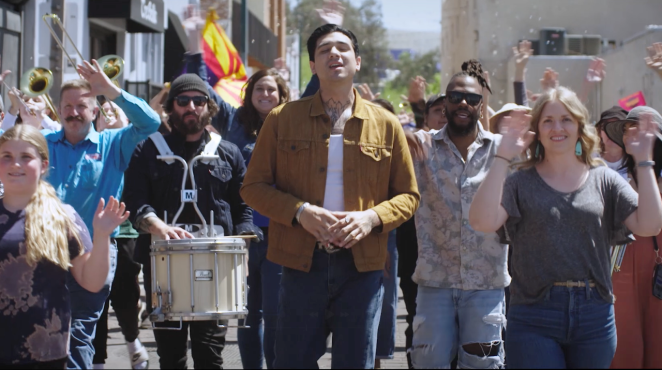 Technology has completely reshaped the creative industries, and the pace of change only seems to accelerate. Digital cameras and editing tools are more affordable, more capable, and easier to use than ever before. What used to require large crews and expensive equipment can now be achieved with compact cameras, lightweight rigs, and powerful desktop software. That shift has opened the door for more voices and more experimentation, which is great for the industry as a whole.
For me, adapting to these changes means continually reassessing my workflow both on set and in post. I’m always looking for ways to improve how I capture footage, manage media, and streamline the edit so I can deliver higher-quality work more efficiently. New tools aren’t just conveniences; they often change what’s possible creatively.
The key is staying flexible. Technology evolves, workflows evolve, and the expectations of clients evolve right along with them. By embracing those changes rather than resisting them, I’m able to keep my process sharp and continue delivering cinematic, story-driven work in an industry that never stops moving.
What is the one thing that you would change about the industry?
If I could change one thing about the industry, it would be bringing back bigger budgets that support larger crews on more projects. The camaraderie of a film crew is one of my favorite parts of being on set the shared focus, the collaboration, the energy that comes from a group of talented people working toward the same goal. It’s one of the reasons I fell in love with filmmaking in the first place.
But as technology has made it possible to do more with less, those opportunities are becoming less common. Smaller budgets often mean smaller crews, and while the work still gets done, you lose some of that collective creative spirit that makes production so special. I’d love to see an industry where efficiency and innovation go hand in hand with the resources to support full teams. The work is always stronger when more people get to bring their expertise to the table.
Any websites, books or resources you would recommend?
Two books I always recommend to filmmakers and creatives are In the Blink of an Eye by Walter Murch and The War of Art by Steven Pressfield. Murch’s book is a masterclass in editing and visual storytelling, clear, accessible, and full of insights that apply far beyond the edit bay. Pressfield’s book tackles the internal obstacles every creative faces, and it’s one of the most honest and motivating guides I’ve ever read.
Both books have stayed relevant throughout my career, and I find myself returning to them whenever I need clarity, inspiration, or a reminder of why this work matters.